

Nursing Care Plans for Brain Cancer are not one-size-fits-all documents. Brain tumors can affect movement, speech, cognition, seizures, mood, swallowing, pain, sleep, and family safety in different ways depending on tumor type, location, treatment, and prognosis.
This is educational nursing-plan structure, not a clinical order set. Nurses should follow facility policy, oncology and neurology orders, patient goals, and the licensed care team's instructions.
Start With Assessment
Begin with diagnosis, tumor location, treatment plan, baseline neurologic status, medications, seizure history, mobility, swallowing, pain, cognition, and family support.
NCI says adult CNS tumor treatment may include surgery, radiation therapy, chemotherapy, surveillance, targeted therapy, or clinical trials depending on the tumor and patient factors: NCI adult CNS tumor treatment.
Neurologic Checks
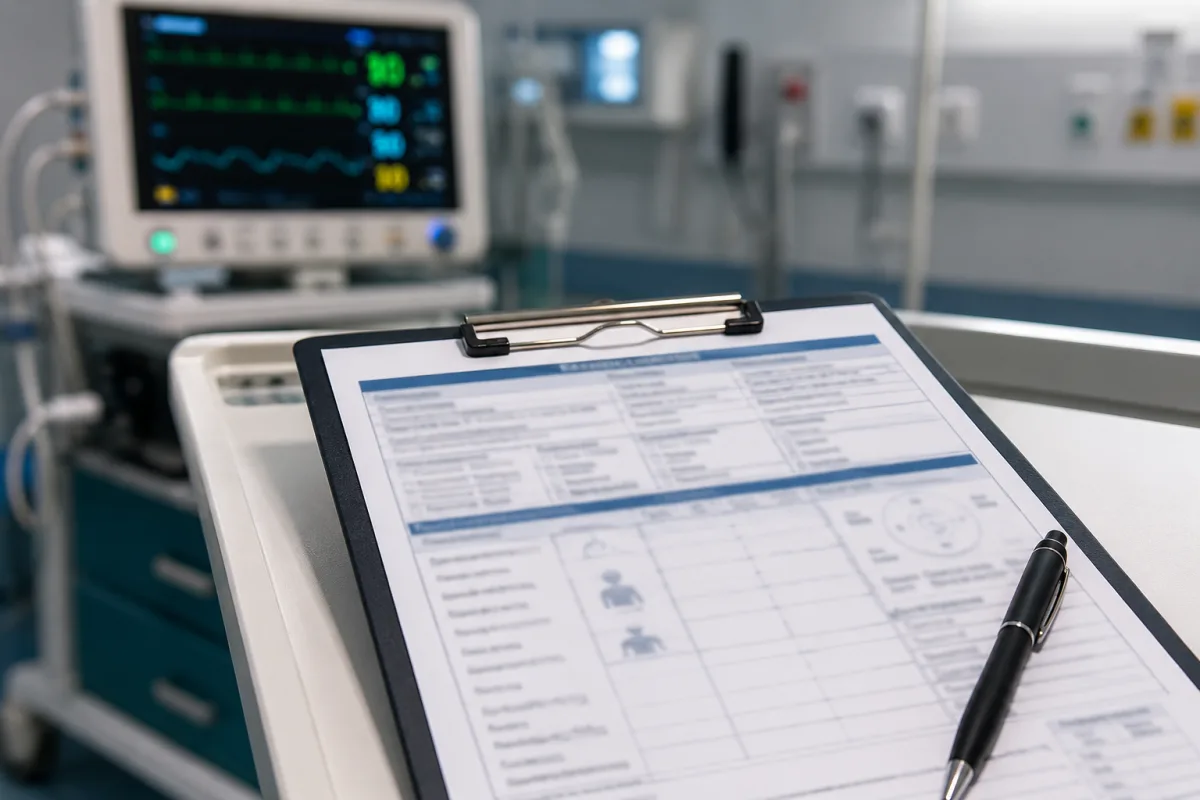
A nursing care plan should define how often to assess level of consciousness, orientation, pupils, strength, sensation, speech, coordination, and new headache or vomiting.
Report acute changes promptly. A small neurologic change can matter in a patient with brain edema, bleeding risk, seizure risk, or tumor progression.
Seizure Precautions
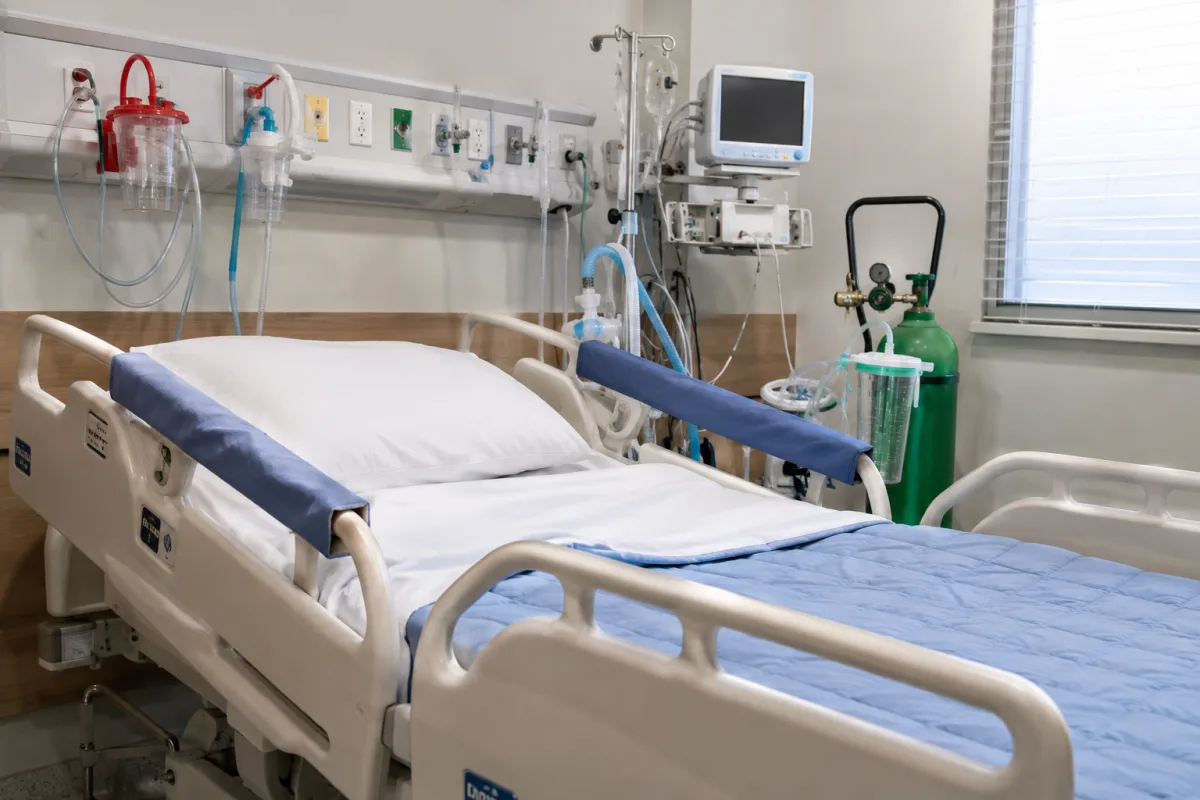
Brain tumors can increase seizure risk. Plan for padded rails if ordered, suction and oxygen access, fall protection, medication timing, and clear documentation of events.
NINDS lists seizures among possible symptoms of brain and spinal cord tumors: NINDS brain and spinal cord tumors.
Edema And Steroids
Some patients receive corticosteroids for swelling around the tumor. Nursing care includes monitoring glucose, mood, sleep, infection risk, GI symptoms, and taper instructions.
Cancer Research UK notes that medicines for brain tumor symptoms can include anti-epileptic drugs for seizures and steroids to reduce swelling: Cancer Research UK symptom control.
Pain And Headache
Assess pain location, intensity, pattern, triggers, neurologic changes, nausea, and response to medication. New or worsening headache should not be treated casually.
Document what improves pain and what comes with it. Headache plus vomiting, confusion, weakness, or vision change needs attention.
Mobility And Falls
Weakness, neglect, dizziness, visual field changes, steroid myopathy, fatigue, and seizures can all raise fall risk.
Use assistive devices, bed alarms if appropriate, non-slip footwear, therapy referrals, and family teaching that does not shame the patient.
Cognition And Communication
Brain cancer can affect memory, word-finding, judgment, attention, personality, and processing speed.
Use short instructions, one topic at a time, written reminders, teach-back, and speech therapy when ordered.
Swallowing And Nutrition
Tumor location, surgery, radiation, fatigue, and neurologic changes can affect swallowing and appetite. Screen before oral intake if swallowing safety is uncertain.
Livecub's food journal guide can help caregivers track intake patterns, but clinical swallowing concerns need professional evaluation.
Skin And Positioning
Immobility, steroids, poor nutrition, incontinence, and sensory loss can increase skin risk. Use turning schedules and pressure injury prevention per policy.
Skin care is not minor comfort work. It protects dignity, infection risk, and pain control.
Family Teaching
Families may need teaching about seizures, medication timing, steroid side effects, confusion, driving restrictions, fall risk, emergency symptoms, and follow-up visits.
Livecub's untreated glioblastoma prognosis guide can help families understand why prognosis conversations need medical honesty.
Emotional Support
Brain cancer can bring fear, grief, personality changes, role changes, and caregiver exhaustion. Nursing plans should include psychosocial assessment and referrals.
Livecub's motivating elderly people guide is not cancer-specific, but it can support respectful encouragement without treating the patient like a task.
Care Coordination
Coordinate oncology, neurology, neurosurgery, radiation oncology, therapy, nutrition, social work, palliative care, and hospice when appropriate.
The plan should state who to call for changes, not leave family members guessing.
Discharge Safety

Discharge planning should cover medications, seizure plan, activity limits, equipment, home safety, follow-up appointments, transportation, and caregiver ability.
A beautiful discharge packet is not enough if the caregiver cannot lift, understand, or afford what the plan requires.
Medication Reconciliation
Brain cancer patients may have anti-seizure drugs, steroids, pain medicine, antiemetics, anticoagulants, or chemotherapy agents.
Medication reconciliation should include dose changes, missed doses, side effects, and who manages each prescription.
Vision And Neglect
Visual field cuts or neglect can make eating, walking, reading, and transfers unsafe.
Place needed items where the patient can see them and use therapy guidance for cueing.
Caregiver Load
Caregivers may be managing seizures, appointments, personality changes, medications, and transportation while grieving.
Assess caregiver capacity honestly. A plan that assumes unlimited family strength is not safe.
Palliative Care
Palliative care can help with symptoms, goals, communication, and support alongside active treatment.
It should not be introduced only when treatment stops.
Emergency Plan
The care plan should state what symptoms require emergency care and which oncology or neurology number to call after hours.
Families need plain instructions for seizures, sudden weakness, confusion, fever, uncontrolled vomiting, and severe headache.
Treatment Side Effects
Surgery, radiation, chemotherapy, and targeted therapies can bring fatigue, nausea, infection risk, skin changes, cognitive effects, and emotional strain.
The nursing plan should connect likely side effects with monitoring, education, and escalation steps.
Oral Care
Some treatments and medications can dry the mouth, change taste, or raise infection risk. Oral care can affect comfort and intake.
Document mouth pain, sores, swallowing changes, and hydration issues instead of treating them as minor complaints.
Sleep
Hospital checks, steroids, anxiety, pain, and neurologic symptoms can disturb sleep.
Cluster care when safe, reduce nighttime noise, and report steroid-related insomnia or agitation.
Delirium Risk
Brain tumor patients may develop confusion from infection, medications, metabolic changes, sleep loss, seizures, or disease effects.
Use orientation cues, glasses or hearing aids, family input, and prompt reporting of sudden changes.
Dignity
Cognitive or personality changes can frustrate caregivers, but the patient still deserves privacy, explanations, and respectful language.
Speak to the patient first whenever possible, even if family members provide details.
Rehab Goals
Physical, occupational, and speech therapy goals should be reflected in nursing care, transfers, meals, and home teaching.
Rehab progress can be lost if daily care does not reinforce safe movement and communication strategies.
Nutrition Escalation
Weight loss, choking, aspiration concern, mouth sores, or repeated nausea should lead to team review.
A food journal may show patterns, but clinical risk needs dietitian or speech-language pathology input.
Advance Care Planning
Some patients want early discussion of goals, code status, decision-makers, and acceptable quality of life.
These conversations should be handled with sensitivity and the appropriate licensed team members.
Care Transitions
Transfers between ICU, oncology, rehab, home health, and hospice can create medication and instruction gaps.
Nursing handoff should include neurologic baseline, seizure plan, steroid dose, mobility level, swallowing status, and family teaching needs.
Lab Monitoring
Depending on treatment, labs may monitor blood counts, electrolytes, glucose, liver or kidney function, and infection risk.
The care plan should connect abnormal results with the provider notification process.
Infection Signs
Cancer treatment and steroids can mask or increase infection risk. Fever, chills, new cough, urinary symptoms, or wound changes need attention.
Teach families which temperature or symptom threshold requires a call.
Driving And Safety
Seizures, visual changes, weakness, and cognitive shifts can affect driving and equipment use.
Nurses should reinforce provider instructions and local rules rather than giving casual permission.
Communication Board
A bedside board can show date, nurse name, mobility level, seizure precautions, swallow status, and family contact.
Clear visible cues reduce repeated questions and help rotating staff keep the plan consistent.
Spiritual Support
Some patients and families want chaplaincy, spiritual care, cultural support, or quiet space for decision-making.
Include these preferences without assuming every family wants the same kind of support.
Documentation
Document neurologic baseline, changes, interventions, provider notifications, family teaching, and patient response clearly.
Good documentation helps the next nurse see what changed, not only what was charted as normal.
Home Equipment
Some patients need walkers, shower chairs, commodes, hospital beds, ramps, or seizure safety changes at home.
Arrange equipment early because discharge can be delayed when the home plan is not ready.
Frequently Asked Questions
What should a brain cancer nursing care plan include?
Assessment, neurologic checks, seizure precautions, medication monitoring, mobility, cognition, nutrition, skin care, family teaching, and discharge planning.
Are seizures common in brain cancer?
They can occur depending on tumor type and location. Care plans often include seizure precautions and medication monitoring.
Why are steroids used for brain tumors?
They may reduce swelling around the tumor, but nurses monitor side effects and taper instructions carefully.
What neurologic changes should be reported?
New confusion, weakness, speech change, severe headache, vomiting, seizure, vision change, or decreased consciousness need prompt attention.
Is palliative care only for end of life?
No. Palliative care can help with symptoms, goals, support, and quality of life at many stages of serious illness.
A brain cancer nursing care plan should be specific, observable, and coordinated. The safest plans follow the patient in front of the nurse, not a generic template.

Linda Fehrman
Edits general wellness and relationship explainers. Health material is educational, avoids diagnosis and links to health-authority guidance.




Leave a reply
Replying to