
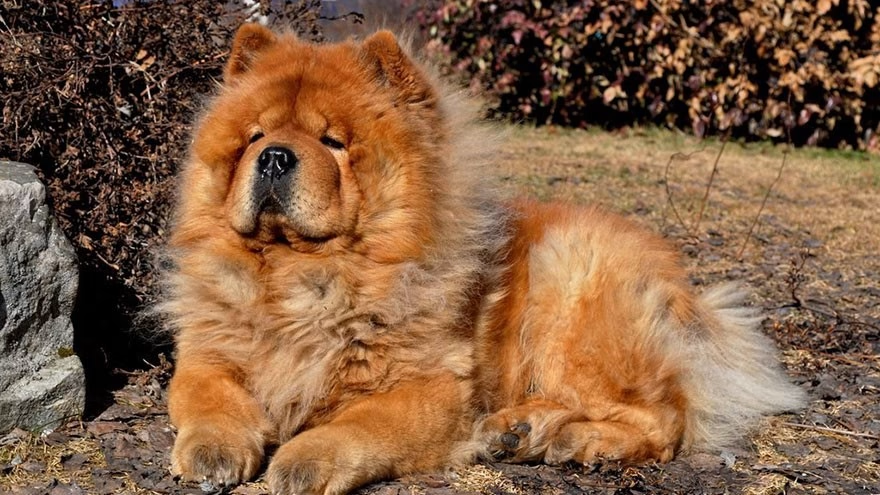
Chow Chows Need Calm Care and Early Records
This Chow Chow health guide starts with a practical point: the breed's serious expression and heavy coat can hide discomfort. A Chow may not advertise pain the way a more socially pushy dog might. Owners need records, routine handling, weight control, eye checks, and a veterinarian who can examine the dog safely.
The American Kennel Club's Chow Chow breed page describes a dignified, serious dog that may be reserved with strangers. That temperament affects health care. A Chow who is not taught calm handling early may become hard to examine when care is needed.
Health care is easier when handling has been trained before illness.
Eyes and Entropion
Chow Chows are associated with eye concerns, including eyelid problems such as entropion. Owners may notice squinting, tearing, redness, rubbing, discharge, or light sensitivity. Those signs should be checked by a veterinarian rather than treated with leftover drops.
Eye pain can make a reserved dog even less tolerant of handling. Practice gentle face handling during calm moments, but do not force an exam at home if the dog is painful.
A painful eye should not wait for routine appointment timing.
Hip, Elbow, and Patella Screening
The Orthopedic Foundation for Animals lists Chow Chow CHIC requirements on its breed health testing page, including hips, elbows, patellas, eyes, and autoimmune thyroiditis evaluation. For puppy buyers, that turns vague health talk into specific questions.
Ask for records. Watch adult dogs for stiffness, uneven gait, trouble rising, reluctance to climb, bunny-hopping, or exercise refusal. A heavy coat can make movement changes harder to see, so pay attention to behavior after rest.
For large-breed context, Livecub's top biggest dog breeds article can help owners think about weight and joint stress, even though the Chow is not simply a size story.
Thyroid and Coat Changes
Autoimmune thyroiditis appears in Chow Chow screening conversations, and owners should watch for coat changes, weight gain, lethargy, cold intolerance, skin problems, or behavior changes. Those signs can have several causes, so testing belongs with a veterinarian.
Do not assume a dull coat is only grooming. Coat, skin, weight, and energy can tell the same story from different angles. Write changes down before the appointment.
Skin and Coat Care
The Chow coat needs regular brushing, skin inspection, and mat prevention. Thick coat can trap moisture, hide hot spots, and make fleas, ticks, lumps, and sores harder to see. Grooming should be calm, routine, and paired with reward.
Check behind ears, under the collar, armpits, belly, tail base, feet, and any skin folds. If the dog resists one area, pain may be part of the answer.
For coat-care comparison, Livecub's longhair Dachshund grooming guide is a different breed, but the inspection habit still applies.
Heat and Breathing Comfort
Chows can struggle in heat because of coat, build, and individual conditioning. Use cool walking hours, shade, water, indoor rest, and careful travel plans. Avoid hard exercise in hot, humid weather.
Watch for heavy panting, weakness, confusion, drooling, vomiting, or collapse. Treat heat distress as urgent. Do not make the dog prove toughness to finish a walk.
Heat planning should happen before the dog is already in trouble.
Weight Control and Feeding
A Chow should feel solid, not padded. Extra weight stresses hips, elbows, knees, heat tolerance, and overall movement. Use measured meals, count treats, and ask the veterinarian about body condition under the coat.
Do not build the diet around breed myths. Choose food with veterinary guidance, adjust for age and activity, and avoid sudden diet changes unless there is a medical reason.
Livecub's Rottweiler questions offer another sturdy-breed comparison for owners thinking about weight, training, and responsible handling.
Dental Care and Mouth Handling
Dental pain can be easy to miss in a reserved dog. Watch for bad breath, red gums, loose teeth, drooling, pawing at the mouth, dropping food, or chewing on one side. Ask your veterinarian about brushing, dental chews, and professional cleanings.
Start mouth handling slowly, with reward and short sessions. A Chow who accepts gentle lip lifts and tooth checks is easier to examine later. Do not turn dental care into a wrestling match that teaches the dog to guard the face.
Temperament Affects Veterinary Care
A Chow may be loyal and calm at home but reserved with strangers. That means veterinary handling should be planned. Muzzle training, cooperative care, calm car practice, and early socialization can make exams safer for everyone.
Do not wait for an emergency to teach handling. Practice touching paws, ears, mouth, collar, and belly in short, rewarded sessions. The goal is not to make the dog love every exam. The goal is a dog who can be helped.
Cooperative care is a health tool.
Puppy Socialization Should Be Calm and Deliberate
A Chow puppy should meet the world without being overwhelmed by it. Use calm exposure to visitors, car rides, grooming tables, vet handling, children at a distance, umbrellas, delivery noise, and different walking surfaces.
Forced greetings can create more suspicion. Let the puppy observe, reward calm behavior, and protect the dog from rough handling. Confidence grows from safe repetition, not from flooding the dog with stress.
Breeder Screening and Red Flags
Ask breeders about OFA records, eyes, hips, elbows, patellas, thyroid, temperament, skin history, and how puppies are socialized. A breeder should be willing to explain the breed's challenges clearly.
Be cautious if the seller talks only about coat color, size, or the breed's impressive look. Beauty is not health. Records and temperament matter more than a dramatic puppy photo.
For another health comparison, Livecub's Staffordshire Bull Terrier health problems shows why breed-specific risks deserve plain discussion before adoption.
Home Setup Can Reduce Strain
Large, heavy-coated dogs benefit from practical home details. Use non-slip rugs on slick floors, keep water available, create a cool resting area, and avoid making the dog climb into high vehicles without help if movement is uncomfortable.
A calm grooming station helps too. Keep brushes, towels, treats, and a mat in one place so coat care feels predictable. Predictable handling is especially useful for a breed that may dislike being fussed over by strangers.
Warning Signs That Should Not Wait
Call a veterinarian promptly for eye pain, sudden lameness, collapse, difficulty breathing, heat distress, repeated vomiting, inability to urinate, seizures, or a swollen abdomen. Also call for wounds hidden under coat, sudden behavior change, or severe skin irritation.
Slower changes deserve attention too: gaining weight without diet changes, dull coat, chronic itch, reluctance to walk, repeated ear problems, or new intolerance to handling.
Senior Chow Care
Older Chows may need more frequent exams, joint support, dental care, weight changes, thyroid checks, eye monitoring, and easier traction at home. A dog who becomes "stubborn" about stairs or grooming may be painful.
Keep records of medications, test results, diet, weight, eye findings, and mobility changes. Photos of skin or coat changes help when the coat hides the problem between appointments.
For small-breed contrast, Livecub's Lhasa Apso questions reinforces the same grooming truth: coat maintenance and health observation often overlap.
Keep a Health Folder
Store vaccine records, OFA or breeder documents, thyroid results, eye findings, medication lists, diet notes, weight history, and emergency clinic contacts together. Add dates for flare-ups, limping, heat trouble, or grooming pain.
That folder helps when a new veterinarian sees the dog, when travel disrupts routine, or when a slow problem starts repeating. Written history is more reliable than trying to remember details during a stressful appointment.
Medication notes should include dose, start date, stop date, side effects, and whether the symptom changed. That small habit can make follow-up visits much more useful for long-term care decisions and safer adjustments over time.
This guide is general education for dog owners and does not replace care from your veterinarian.
Frequently Asked Questions
Are Chow Chows healthy dogs?
Many live well with steady care, but eyes, hips, elbows, patellas, thyroid, skin, weight, and heat safety need owner attention.
What health tests should a Chow breeder discuss?
Ask about hips, elbows, patellas, eye exams, thyroid screening, temperament, skin history, and public OFA or CHIC records.
Do Chow Chows need a lot of grooming?
Yes. Their coat needs regular brushing, mat prevention, skin checks, and calm handling practice.
Why is my Chow suddenly resisting touch?
Pain, skin irritation, eye problems, joint discomfort, fear, or past handling stress may be involved. A veterinarian should check sudden changes.

Chiara Bradshaw
Covers education, culture and creative topics with an emphasis on readable explanations and verifiable references.
Leave a reply
Replying to