

Cures for Heartburn When Pregnant is a title people search when they want relief fast, but pregnancy heartburn is better handled as safe relief, not a guaranteed cure. Hormones can relax the valve between the stomach and esophagus, and the growing uterus can add pressure. That makes burning, sour taste, burping, and nighttime reflux common.
This article is educational and cannot replace your obstetrician, midwife, pharmacist, or other healthcare professional. Ask your pregnancy care team before starting medication, especially if you have high-risk pregnancy, kidney disease, high blood pressure, severe symptoms, or other prescriptions.
Why Heartburn Happens In Pregnancy
The NHS page on indigestion and heartburn in pregnancy explains that hormonal changes and the growing baby pressing on the stomach can contribute to symptoms. It also notes that heartburn can happen at any point, but is more common from 12 weeks onward.
That means heartburn is not a personal failure or proof that you ate badly. It is a common pregnancy discomfort. The right goal is to reduce triggers, protect sleep, and know when symptoms need medical review.
Start With Smaller Meals
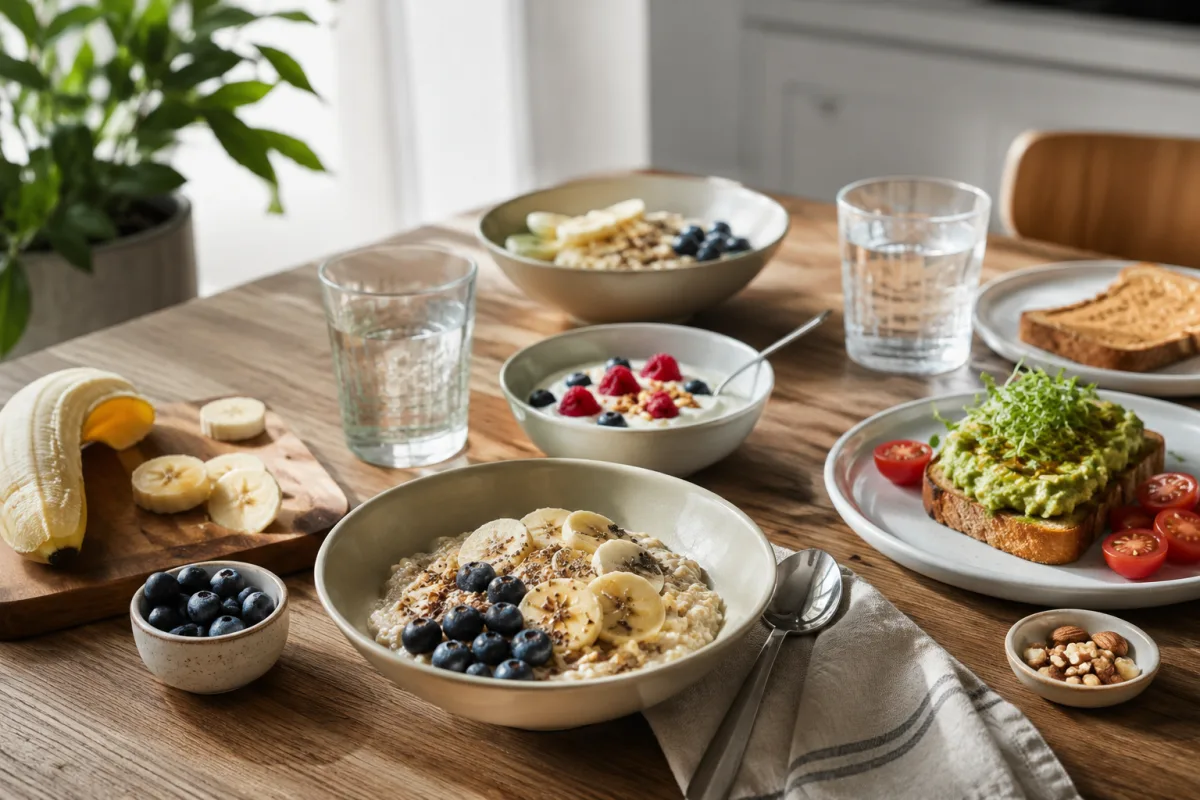
Large meals stretch the stomach and make reflux more likely. Try four to six smaller meals instead of two or three large ones. Eat slowly, sit upright, and stop before feeling packed full. This can be especially helpful in the third trimester.
If nausea and heartburn overlap, bland foods may be easier to tolerate. Livecub's bland diets for pregnancy can help you think through gentle options, though your provider should guide you if vomiting, dehydration, or weight loss is present.
Protein at meals may help some people stay full without needing a large plate. Think eggs, yogurt, beans, poultry, fish approved for pregnancy, tofu, or nut butter if tolerated. Choose what fits your medical guidance and appetite.
Find Your Triggers
Common triggers include fried foods, very fatty meals, spicy foods, tomatoes, citrus, chocolate, peppermint, carbonated drinks, coffee, and large late meals. Not every person reacts to the same foods. Keep a short note for a week: food, time, symptoms, and sleep.
Do not cut your diet down to almost nothing. Pregnancy nutrition still matters. If many foods trigger symptoms, ask your care team for help rather than trying to solve it with restriction.
Try changing one thing at a time. If you remove spicy food, coffee, citrus, and chocolate all in one day, you may not know which change helped. A simple symptom note can show patterns without turning meals into a source of stress.
Stay Upright After Eating
Gravity helps. Sit upright during meals and after meals. A short gentle walk may feel better than lying down. The NHS suggests avoiding food within 3 hours of bedtime, which is a good starting point for nighttime heartburn.
If dinner is early and you wake hungry, ask your provider about a small bedtime snack that works for your pregnancy needs. Some people do better with a small protein-rich snack; others need a longer gap before sleep.
Sleep Position And Night Relief

Raise your head and shoulders with a wedge pillow or by raising the head of the bed. Stacking soft pillows may bend the waist and make pressure worse, so a wedge often works better. Many pregnant people also find left-side sleeping more comfortable.
Livecub's staying intimate during pregnancy and feeling attractive during pregnancy are different topics, but both point to the same reality: discomfort can affect daily life and self-image. Heartburn deserves practical care, not dismissal.
Antacids And Alginates
Antacids neutralize stomach acid. Alginates form a barrier that helps keep acid down. The NHS says medicines for pregnancy indigestion can include antacids and alginates, and advises telling a pharmacist you are pregnant because some antacids are not suitable.
Cleveland Clinic's alginate guide explains that alginates create a gel-like barrier between the stomach and esophagus and are generally safe for pregnant or lactating women, though kidney disease and sodium content should be discussed with a healthcare provider.
Medicines To Avoid Unless Your Provider Says Otherwise
Do not assume every over-the-counter stomach product is safe in pregnancy. Kaiser Permanente's pregnancy heartburn care instructions warn against antacids that contain sodium bicarbonate, magnesium trisilicate, or aspirin, and advise talking with a doctor if symptoms do not improve.
Also watch timing. The NHS notes that antacids should not be taken within 2 hours of folic acid or iron supplements because they can affect absorption. If you take prenatal vitamins, iron, thyroid medicine, or other prescriptions, ask a pharmacist about spacing.
Read active ingredients, not only brand names. Some products that look similar have different formulas. Combination products may include pain relievers, decongestants, or other ingredients that are not meant for heartburn treatment during pregnancy.
Famotidine And Stronger Options
If lifestyle changes, antacids, and alginates do not help enough, your provider may suggest an acid-reducing medicine. MotherToBaby's famotidine fact sheet says studies on famotidine use in pregnancy do not report an increased chance of birth defects, while also reminding readers not to change medication without healthcare guidance.
Some people need H2 blockers or proton pump inhibitors. That decision should be individualized. The right medicine can depend on trimester, other conditions, other medicines, symptom severity, and whether there are warning signs.
Gum, Milk, And Home Habits
Chewing sugar-free gum after meals may help some people because swallowing saliva can clear acid from the esophagus. A small amount of milk may soothe briefly for some, though high-fat dairy can worsen symptoms for others. Ginger helps nausea for some people, but it is not a universal heartburn fix.
Avoid smoking and alcohol. Both can worsen reflux, and alcohol is not recommended in pregnancy. If you need help quitting smoking, ask your care team; that is medical support, not a willpower test.
Clothing can make a difference too. Tight waistbands, firm shapewear, or anything that presses the abdomen may worsen reflux after meals. Choose softer waistbands when symptoms are active, especially in the evening.
When To Call Your Provider
Call your provider for trouble swallowing, painful swallowing, weight loss, vomiting blood, black stools, severe belly pain, chest pain, shortness of breath, persistent vomiting, dehydration, or symptoms that do not improve. Chest burning can be heartburn, but chest pain in pregnancy should be handled cautiously.
Livecub's early pregnancy signs and depression during pregnancy sit in the same pregnancy category. They are reminders that symptoms should be sorted with care, especially when they affect eating, sleep, mood, or daily function.
Call sooner if heartburn arrives with severe headache, vision changes, swelling of face or hands, right upper belly pain, or blood pressure concerns. Those symptoms may point to problems that are not ordinary reflux and should not be self-treated with antacids.
How To Talk To A Pharmacist
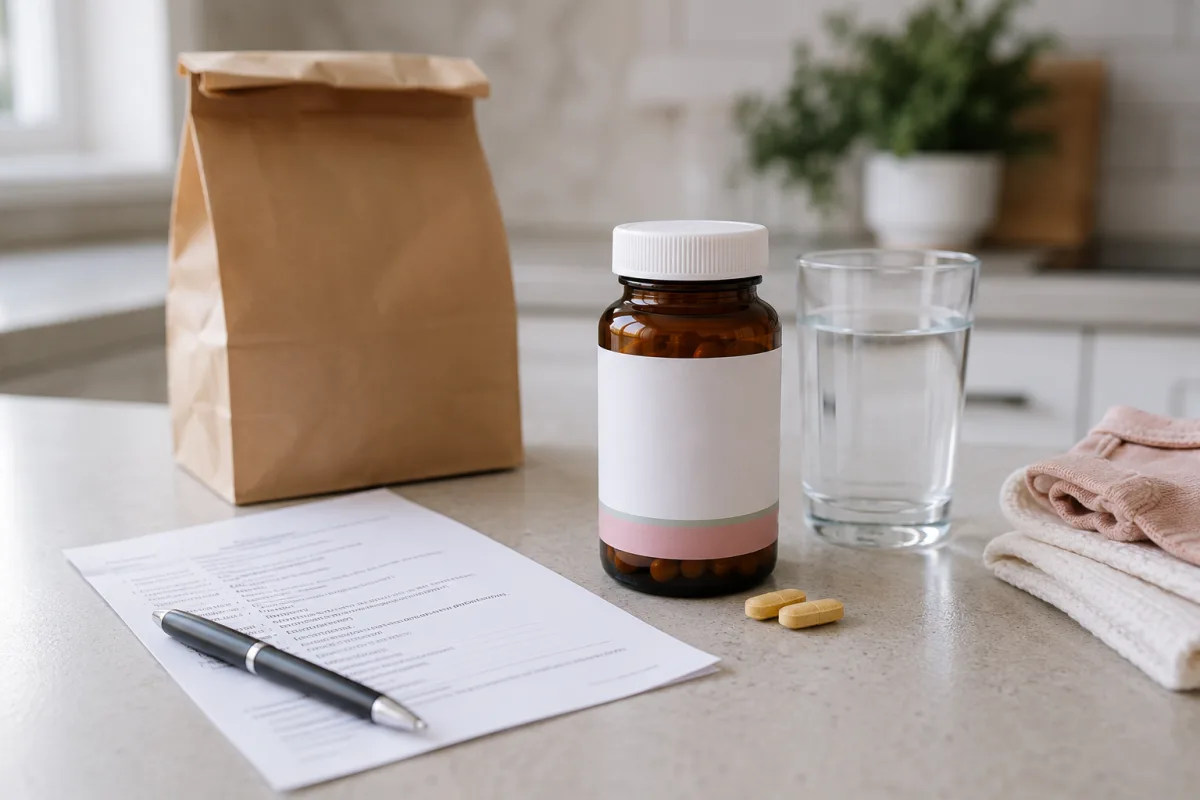
Bring your prenatal vitamin, medication list, allergies, due date or trimester, and health conditions. Ask: Is this product safe for my stage of pregnancy? How much can I take? How often? How far from iron or folic acid? What ingredients should I avoid?
If you already take prescription medicine, do not stop it because of heartburn without guidance. Some medicines can be adjusted, but untreated conditions can also carry risks.
Take a photo of the front and ingredient label before buying if you plan to ask your provider later. Brand names change, and two products from the same brand can contain different active ingredients. The ingredient list matters more than the color of the package.
Frequently Asked Questions
Is heartburn common during pregnancy?
Yes. Hormonal changes and pressure from the growing uterus can make reflux and indigestion common, especially later in pregnancy.
Are antacids safe while pregnant?
Some are used in pregnancy, but not all products are suitable. Tell a pharmacist or provider you are pregnant before choosing one.
Can I take famotidine while pregnant?
Famotidine is often discussed as an option, and MotherToBaby reports no increased birth defect signal in available studies. Ask your provider first.
What foods make pregnancy heartburn worse?
Common triggers include fatty foods, spicy foods, citrus, tomatoes, chocolate, peppermint, caffeine, carbonation, and large late meals.
When is heartburn more than normal discomfort?
Seek care for severe pain, trouble swallowing, vomiting blood, black stools, weight loss, chest pain, dehydration, or symptoms that do not improve.
Safe Relief Beats Quick Claims
Pregnancy heartburn relief usually starts with smaller meals, upright posture, trigger tracking, smarter sleep setup, and provider-approved medicine when needed. The best "cure" is the safest plan for your pregnancy, not the fastest product on the shelf.

Chiara Bradshaw
Covers education, culture and creative topics with an emphasis on readable explanations and verifiable references.


Leave a reply
Replying to