
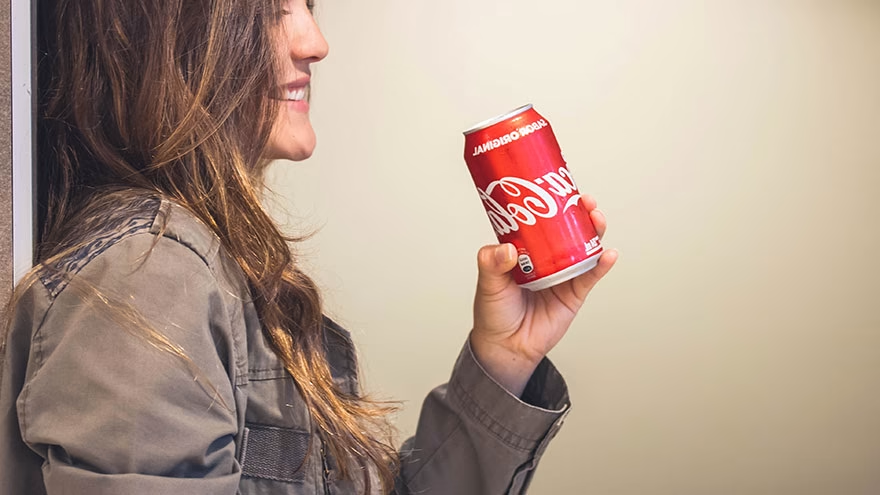
Diet Drinks During Pregnancy are best treated as an occasional choice, not the main drink of the day. The issue is not only artificial sweetener; caffeine, acidity, hydration, appetite, blood sugar patterns, and what the drink replaces all matter.
This is general pregnancy nutrition education, not medical advice. People with gestational diabetes, high blood pressure, kidney issues, severe nausea, or a high-risk pregnancy should follow their clinician's beverage guidance.
Occasional Diet Drinks
ACOG says an occasional diet drink may satisfy a craving, but sodas with caffeine and artificial sweeteners should not be a big part of the daily diet.
See ACOG's answer on diet drinks in pregnancy.
Caffeine Count

Many diet sodas contain caffeine. ACOG guidance commonly uses 200 mg per day as the caffeine limit during pregnancy. Count coffee, tea, chocolate, energy drinks, and some medicines too.
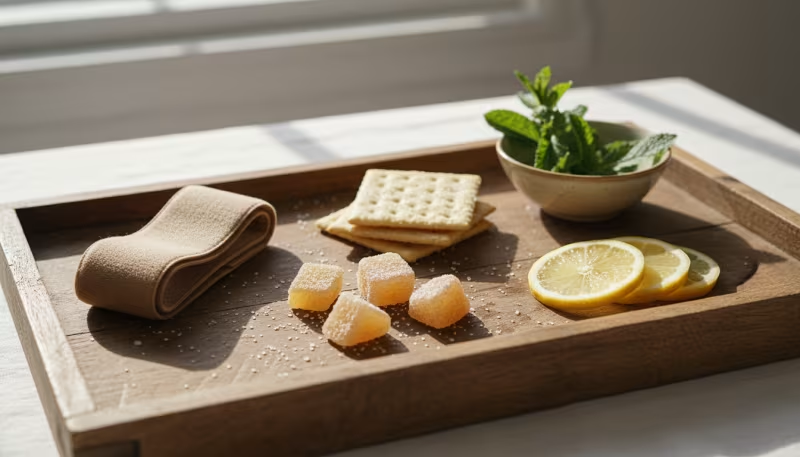
If nausea is affecting food choices, Livecub's bland diets for pregnancy may help with gentler options.
Sweeteners
FDA-approved low-calorie sweeteners are used in many diet drinks, but pregnancy advice still leans toward moderation. The bigger practical question is how often the drink replaces water, milk, or nutrient-containing choices.
FDA explains high-intensity sweeteners and acceptable daily intake concepts on its high-intensity sweeteners page.
Hydration

Diet soda can contribute fluid, but water is still the simplest baseline drink. If plain water is hard, try cold water, citrus slices, mint, diluted juice, or sparkling water without caffeine.
Do not use diet drinks as the only way to stay hydrated.
Carbonation And Reflux
Carbonation can worsen burping, bloating, or reflux for some pregnant people. Others find it settles nausea. Pay attention to your own symptoms rather than assuming one rule fits all.
If a drink makes reflux worse, reduce it or switch timing.
Gestational Diabetes
People with gestational diabetes should follow their care team's plan. Diet drinks may reduce sugar compared with regular soda, but they do not replace balanced meals or glucose monitoring.
A diabetes educator can help choose beverages that fit the plan.
Energy Drinks Are Different
Diet energy drinks are not the same as diet soda. They may contain high caffeine and other stimulants. Pregnancy is not the time to experiment with stimulant blends.
Ask before using any energy drink.
Cravings
If a diet drink satisfies a craving and keeps you from feeling deprived, occasional use may be reasonable. If it becomes the main daily drink, step back and review caffeine and hydration.
Pregnancy comfort matters, but patterns matter too. If food rules are making body image harder, Livecub's feeling attractive during pregnancy article may be a useful companion read.
Dental Health
Acidic drinks, including diet soda, can affect teeth. Sip with meals, avoid bathing teeth in soda all day, and keep dental care current.
Rinsing with water after acidic drinks can help reduce lingering acid.
Labels

Read labels for caffeine, sweetener type, serving size, and other additives. A bottle may contain more than one serving.
Do not assume clear soda is caffeine-free or that every diet drink has the same formula.
Alternatives
Try water with fruit, unsweetened iced tea within caffeine limits, milk, smoothies, or sparkling water. If sweetness helps nausea, use a small serving and track how you feel.
Livecub's depression during pregnancy article is related if food and drink changes are tied to mood.
When To Ask
Ask your clinician if you are drinking multiple diet drinks daily, struggling to keep fluids down, using diet drinks instead of meals, or managing a medical condition.
Personal context matters more than a generic yes-or-no answer.
Daily Pattern
One diet drink with lunch is different from sipping several cans all day. Count the pattern, not only the label. Repeated sipping can also affect teeth and appetite.
If the drink is replacing water because plain water tastes bad, try temperature, fruit, or carbonation changes first.
Nausea Strategy
Some pregnant people tolerate cold fizzy drinks better during nausea. If a diet drink helps, pair it with food when possible and keep total caffeine in mind.
If vomiting prevents fluids from staying down, call the care team. Dehydration can become serious.
Phenylketonuria
People with phenylketonuria need to avoid or manage phenylalanine, which is relevant for aspartame-containing products. Labels matter for this group.
If you have PKU, follow your specialist's guidance rather than general pregnancy beverage advice.
Weight Concerns
Diet drinks should not be used to restrict needed pregnancy nutrition. If weight gain, appetite, or body image is causing distress, ask for medical and nutrition support.
Pregnancy nutrition is about adequacy and safety, not punishment.
Practical Swap Plan
If you want to reduce diet drinks, taper gradually: replace one serving with sparkling water, herbal tea approved by your clinician, milk, or fruit-infused water. Keep the drink you enjoy most and remove the automatic ones.
A realistic swap works better than a strict rule that collapses by afternoon.
Regular Soda Comparison
Regular soda adds sugar; diet soda reduces sugar but may still bring caffeine, acid, and a habit of replacing better drinks. The better choice depends on the whole day, not one label.
If blood sugar is a concern, ask the clinician or dietitian how to compare options.
Sparkling Water
Sparkling water can satisfy the fizz craving without sweeteners or caffeine if the label is simple. Some flavored versions still contain acids or additives, so read labels.
If carbonation worsens reflux, flat water or diluted drinks may work better.
Caffeine Timing
Caffeine late in the day can worsen sleep, and pregnancy sleep is often already difficult. If you drink caffeinated diet soda, morning or early afternoon may be easier on sleep.
Count coffee and tea before assuming the soda fits the limit.
Ask About Cravings
Cravings can be ordinary, but craving only soda, ice, or nonfood items may be worth mentioning. Pregnancy appetite changes can overlap with nausea, reflux, anemia, or stress.
A clinician can help sort comfort from a symptom that needs attention.
Aftertaste And Appetite
Some sweeteners leave an aftertaste that can change appetite or nausea for certain people. If a drink makes you feel worse afterward, that matters more than the nutrition debate.
Pregnancy choices should work in the real body you have that day.
Budget Habit
Diet drinks can quietly become a daily cost. If money is tight before the baby arrives, replacing some cans with water or homemade flavored drinks can help the grocery budget.
Small swaps can matter over months.
Label Examples
Look for caffeine, aspartame, sucralose, acesulfame potassium, saccharin, stevia, serving size, and added vitamins or stimulants. The front of the can rarely tells the whole story.
If the label feels confusing, take a photo and ask at the next prenatal visit.
Family Pressure
Relatives may offer strict opinions about soda, sweeteners, or cravings. You do not need to debate every comment. A simple 'my clinician and I are watching caffeine and hydration' is enough.
Pregnancy nutrition decisions are easier when advice is filtered through your care team.
Meal Pairing
If a diet drink is part of the day, pair it with real food rather than using it to push through hunger. Protein, fiber, and steady meals matter more than swapping one soda type for another.
If appetite is very low, tell the prenatal team.
Heartburn Timing
Many pregnant people notice heartburn after carbonated drinks, citrus flavors, or late-night sipping. Try having fizzy drinks earlier, smaller, or with meals if reflux is a problem.
If reflux is severe, ask about pregnancy-safe treatment options.
Medication Interactions
Some medicines and supplements have caffeine or stomach side effects. If you are taking nausea medicine, iron, blood pressure medicine, or other prescriptions, ask whether drink timing matters.
Bring the label or a photo to the visit if you are unsure.
One Week Audit
For one week, write down diet drinks, caffeine sources, water, reflux, sleep, and nausea. The pattern may show whether the drink helps, hurts, or is neutral.
A short audit is better than guessing from memory.
Frequently Asked Questions
Can I drink diet soda while pregnant?
Occasional diet soda may be acceptable for many people, but it should not dominate daily drinks.
How much caffeine is allowed?
Many pregnancy guidelines use 200 mg per day as a common limit; count all sources.
Are artificial sweeteners safe in pregnancy?
FDA-approved sweeteners have safety reviews, but moderation is still the practical pregnancy advice.
Are diet energy drinks okay?
They are different from diet soda and may contain stimulants; ask your clinician.
What should I drink most often?
Water is the simplest baseline, with other drinks chosen around caffeine, symptoms, and medical needs.
The Practical Takeaway
Diet drinks during pregnancy are usually a moderation question: check caffeine, sweeteners, reflux, hydration, and medical conditions, and keep water or nutrient-containing drinks as the daily base.

Chiara Bradshaw
Covers education, culture and creative topics with an emphasis on readable explanations and verifiable references.


Leave a reply
Replying to