
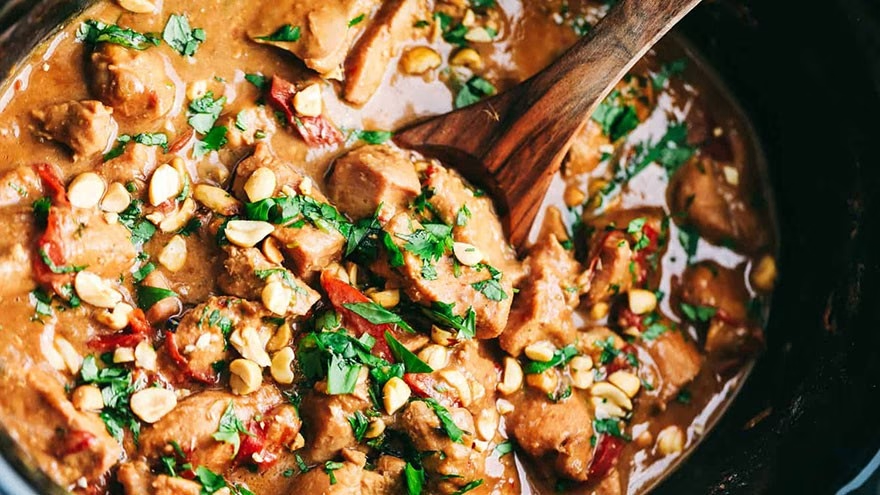
A Fast Peanut Chicken That Does Not Taste Rushed
This easy peanut chicken recipe is built for a weeknight: quick-cooking chicken, a salty-sweet peanut sauce, crisp vegetables, and a finish that can go over rice, noodles, or greens. The trick is not dumping peanut butter into a pan and hoping. Thin the sauce first, cook the chicken safely, and add vegetables in the right order.
The recipe serves 4. Use boneless chicken thighs for a juicier result or chicken breast if you prefer leaner meat. Either way, cut the pieces evenly so they cook at the same pace.
Peanut sauce should coat the chicken, not turn into paste.
Ingredients
Use 1 1/2 pounds boneless chicken, 1/3 cup smooth peanut butter, 2 tablespoons soy sauce, 1 tablespoon lime juice or rice vinegar, 1 tablespoon brown sugar or honey, 1 teaspoon grated ginger, 1 minced garlic clove, 1/2 cup water or broth, 1 tablespoon neutral oil, and 3 cups vegetables.
Good vegetables include bell pepper, broccoli, snap peas, carrots, cabbage, zucchini, or green beans. For a deeper pantry flavor, Livecub's Asian seasoning mix can inspire a dry spice base, but keep salt under control if using soy sauce.
Measure the peanut butter loosely, then adjust the sauce by texture.
Choose the Right Cut of Chicken
Chicken thighs stay juicy and are forgiving if dinner timing slips. Chicken breast cooks faster and tastes cleaner, but it dries out when overcooked. If using breast meat, cut pieces a little larger and watch the pan closely.
Do not mix very large and very small pieces in the same batch. The small pieces will dry before the large pieces reach a safe temperature. Even cutting is a quiet part of recipe success.
Food Safety and Allergy Notes
The USDA's safe temperature guidance says poultry should reach 165 degrees F. Use an instant-read thermometer in the thickest piece, especially if the chicken pieces vary in size.
Peanuts are a major allergen. The FDA's food allergy information is written for labeling, but the home-kitchen lesson is direct: tell guests before serving and avoid cross-contact if anyone has an allergy.
This is not a recipe to surprise people with.
Step 1: Make the Sauce First
Whisk peanut butter, soy sauce, lime juice or vinegar, sweetener, ginger, garlic, and water or broth until smooth. If the sauce looks thick, add more liquid one tablespoon at a time. It should pour slowly, not sit like frosting.
Taste before it touches raw chicken. Add more lime for brightness, more soy for salt, more sugar for roundness, or a pinch of chili flakes for heat. Once the sauce goes into the pan, adjustments are still possible, but the clean tasting moment is easier.
Build the Flavor Balance
Peanut sauce needs four directions: salty, sweet, acidic, and savory. Soy sauce covers salt. Honey or brown sugar rounds the edges. Lime juice or vinegar keeps the sauce from tasting heavy. Garlic and ginger add depth.
If the sauce tastes flat, add acid first. If it tastes sharp, add a little sweetener. If it tastes thin, add more peanut butter or simmer briefly. Small corrections are better than dumping in a second batch of everything.
Step 2: Cook the Chicken
Pat the chicken dry and cut it into bite-size pieces. Heat oil in a large skillet over medium-high heat. Add the chicken in a single layer if possible. Let it brown before stirring too much.
If the pan is crowded, cook in batches. Crowding steams the chicken and makes the sauce watery later. Cook until the chicken is browned and close to done, then remove it briefly if the vegetables need more room.
For another chicken dinner, Livecub's easy Yugoslavian chicken recipe gives a different flavor direction while using the same basic care with poultry.
Pan Size Matters
A wide skillet makes this recipe easier because moisture can evaporate while the chicken browns. A small pan traps steam, especially when vegetables are added. If your skillet is small, cook the chicken first, remove it, cook the vegetables, then combine everything with sauce.
Use medium-high heat for browning, then lower the heat when the peanut sauce goes in. High heat after the sauce is added can make the sauce tighten and stick.
Step 3: Add Vegetables
Add firm vegetables first: broccoli stems, carrots, green beans, or cabbage. Add quick vegetables later: bell pepper, snap peas, zucchini, or leafy greens. Salt lightly because the sauce already has soy sauce.
Cook until the vegetables are bright and tender enough for your taste. Do not turn them into a soft pile unless that is what you want. A little crunch helps the rich peanut sauce feel balanced.
Step 4: Add Sauce and Finish
Return the chicken to the pan if you removed it. Pour in the sauce and lower the heat. Stir until the chicken is coated and the sauce loosens into the vegetables. Add a splash of water if it thickens too much.
Check the chicken temperature before serving. FoodSafety.gov's safe minimum temperature chart lists poultry at 165 degrees F, which is the number to use here.
Low heat keeps the peanut sauce from tightening too fast.
Serving Ideas
Serve over jasmine rice, brown rice, noodles, quinoa, shredded cabbage, or sauteed greens. Add sliced scallions, crushed peanuts, cilantro, lime wedges, or chili crisp if those fit your table.
For a bigger meal, add Livecub's asparagus rolls or a simple cucumber salad. If you want a party tray, keep the sauce a little thicker so it does not run across the plate.
Nut-Free and Soy-Free Adjustments
If peanuts are unsafe for your household, do not treat this as a simple swap without checking labels and allergy risk. Sunflower seed butter can mimic some texture, but the flavor changes and cross-contact may still matter.
For soy-free cooking, use a verified soy-free seasoning sauce and taste carefully because salt levels vary. Allergy substitutions should be planned before the pan is hot.
Weeknight Swaps
Use rotisserie chicken only if you add it at the end and heat it gently. Use tofu if you press it and brown it first. Use leftover cooked vegetables if you add them late so they do not turn mushy.
For a pantry version, frozen vegetables work. Add them from frozen and let excess water cook off before the sauce goes in. Livecub's Chinese fried chicken wings can fill the appetizer lane if you are building a larger meal around similar flavors.
Make It Work for Meal Prep
For meal prep, keep rice or noodles separate from the chicken so the sauce does not soak in too much. Store toppings separately. Reheat the chicken gently with a spoonful of water, then add fresh scallions, lime, or herbs after heating.
If packing lunch, choose vegetables that hold texture, such as cabbage, carrots, broccoli, or snap peas. Very soft zucchini can become watery after a night in the refrigerator.
Storage and Reheating
Cool leftovers quickly and refrigerate in shallow containers. Reheat gently with a splash of water because peanut sauce thickens after chilling. Do not reheat until dry and oily; stop when hot and loosened.
Use refrigerated leftovers within a few days and discard anything that smells off or was left out too long. The sauce may darken slightly after storage, but it should not smell sour or fermented.
Leftover texture improves when reheated slowly, especially if rice or noodles are stored apart from the sauced chicken in separate containers overnight.
Troubleshooting
The sauce is too thick
Add warm water or broth one tablespoon at a time and stir over low heat.
The sauce tastes flat
Add lime juice, vinegar, or a small pinch of salt. Peanut sauce needs acid to avoid tasting heavy.
The chicken is dry
Use thighs next time, cut pieces evenly, avoid crowding, and stop cooking once the safe temperature is reached.
Frequently Asked Questions
Can I make peanut chicken ahead?
Yes, but the sauce thickens in the refrigerator. Reheat gently with a splash of water.
Can I use crunchy peanut butter?
Yes. It gives texture, but the sauce may look less smooth. Thin it carefully.
What vegetables work best?
Bell pepper, broccoli, snap peas, carrots, cabbage, zucchini, green beans, and spinach all work if added in the right order.
Can I make it spicy?
Yes. Add chili flakes, chili crisp, sriracha, or fresh chile gradually so the peanut flavor still comes through.

Cashie Evans
Covers parenting and practical household topics with clear steps, safety notes and links to current guidance.


Leave a reply
Replying to