
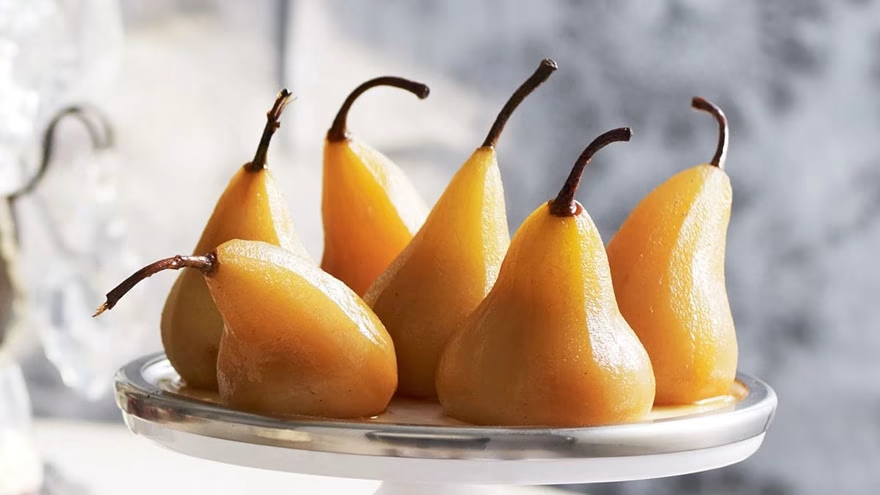
Why Do Pears Need a Different Plan Than Apples?
Favorite ways with pears start with timing. A pear can look ready while still eating hard, or it can sit one day too long and bruise around the core. That makes pears feel fussy until you understand the rhythm: ripen them at room temperature, move ripe fruit to the refrigerator, and use softer fruit in cooked dishes before it turns mushy.
USA Pears' ripening and handling guide explains that pears ripen best off the tree and that the neck test is a practical way to judge readiness. Press gently near the stem. If that spot gives slightly, the pear is usually ready to eat.
Do not judge only by color. Some varieties change color as they ripen, while others barely do. Texture, aroma, and the neck test are more useful than staring at the peel and hoping it tells the whole story.
The working rule is ripen first, chill second. Keep firm pears on the counter, then refrigerate ripe pears to slow them down. That small habit turns pears from a panic fruit into something you can plan around.
How Should You Pick and Store Pears?
Choose pears without deep bruises, broken skin, or large soft spots. A few surface marks are normal because pears handle like delicate fruit, not polished ornaments. Buy a mix of ripeness if you want pears across the week.
Oregon State University Extension's pear preservation guide gives practical handling advice for ripening, canning, freezing, and drying pears. That matters because one bag of pears can become snacks, dessert, and preserved fruit if you sort it by ripeness.
Keep pears away from heavy items in the grocery bag and fruit bowl. Their flesh bruises easily, and a hidden bruise can become a brown patch before you get to use the fruit. Store them in a single layer when possible.
Once ripe, move pears to the refrigerator and use them within a reasonable window. The FDA's food storage guidance is a good reminder that refrigeration slows spoilage but does not stop it forever.
If you are cooking several items for a party, Livecub's cookie display guide can help with planning table space and timing for desserts that include fresh fruit.
What Are the Best Raw Ways to Use Pears?
A ripe pear needs very little. Slice it with cheese, nuts, yogurt, oatmeal, toast, or a simple green salad. Pears bring sweetness, water, and a soft grainy texture that works especially well with salty, creamy, bitter, and crisp foods.
For a fast snack plate, pair pear slices with cheddar, blue cheese, walnuts, almonds, peanut butter, or a spoonful of thick yogurt. Add lemon juice if the slices will sit out, both for flavor and to slow browning.
Breakfast is another easy place to use ripe pears. Dice them over oatmeal, fold thin slices into yogurt, or warm chopped pears in a small pan with cinnamon until they release a little juice. Spoon that over toast, waffles, or pancakes instead of opening a syrup bottle every time.
For a cheese board, cut pears right before serving and keep the pieces large enough to pick up without breaking. Very ripe pears are better spooned as a compote because thin slices can collapse and look tired on the plate.
In salads, pears need contrast. Use peppery greens, toasted nuts, a sharp cheese, and a vinaigrette with enough acid. Acid and salt keep the salad from tasting flat because ripe pears are sweet and mild.
Pears also work in slaws. Thin slices with cabbage, fennel, celery, or carrots can make a crunchy side for roast meats, sandwiches, or grain bowls. Add the pear close to serving so it keeps its shape.
How Do You Bake Pears Without Making Them Watery?
Baking is one of the easiest ways to rescue pears that are ripe but still holding shape. Halve them, remove the core, add a little butter or oil, a small amount of sweetener, spice, and a splash of lemon juice or cider. Bake until tender, not collapsed.
The trick is to avoid flooding the dish. Pears release juice as they cook, so a heavy pour of liquid can make the pan taste diluted. Start with less liquid than you would use for a drier fruit and adjust after the first batch.
Gentle heat keeps pears looking like pears. Very high heat can brown the edges before the center softens, while a moderate oven gives the flesh time to tenderize. If the pears are very ripe, shorten the cooking time.
Use baked pears over pancakes, waffles, pound cake, oatmeal, ice cream, or yogurt. They also make a simple side for roast pork or poultry because the sweetness cuts through richer food.
For dessert technique, Livecub's tiramisu guide is a useful reminder that texture and moisture control decide whether a dessert feels clean or soggy.
Can Pears Work in Savory Dishes?
Pears are not only dessert fruit. They can balance bitter greens, salty cured meats, roast poultry, pork, winter squash, onions, and strong cheeses. The key is choosing the right texture for the dish.
Firm pears can be sliced into grain salads, roasted with root vegetables, or added near the end of a pan sauce. Softer pears are better mashed into chutney, cooked down with onions, or folded into a warm compote.
Try pears with greens when the meal needs lift. A little fruit can soften the edge of kale, mustard greens, or arugula without turning the dish sweet. Livecub's guide to cooking greens pairs naturally with this approach.
For a stir-fry style meal, keep pear pieces firm and add them late. They can work with ginger, scallions, vinegar, soy sauce, and sesame oil, but they should stay bright rather than dissolve into the sauce. Livecub's stir-fry sauce guide offers useful flavor direction for that kind of meal.
What Can You Do With Overripe Pears?
Overripe pears are poor for slicing but excellent for cooking. Peel away bruised spots, smell the fruit, and discard anything fermented, moldy, or slimy. Fruit that is merely soft can become sauce, quick bread, muffins, smoothies, jam, chutney, or a pancake topping.
For a quick sauce, simmer chopped pears with lemon juice, cinnamon, and a little water until soft, then mash. Add sugar only after tasting because very ripe pears may already be sweet enough.
A soft pear can replace part of the fat or sweetener in some casual baking, but do not assume it works in every recipe. Pear puree adds moisture, and too much can make quick bread gummy. Start with a recipe that already uses fruit puree or test a small batch.
Use soft pears soon. Once fruit crosses from ripe to overripe, the window is short. Cooking buys you a little time, but it does not rescue spoiled fruit.
If you have only one or two soft pears, think topping instead of project. A small skillet sauce can dress breakfast, a bowl of yogurt, or a simple cake. That is often more useful than waiting for enough fruit to make a large dessert.
Can You Freeze or Preserve Pears?
Pears can be frozen, canned, or dried, but the method matters. Freezing raw slices without preparation can leave them brown and watery. Extension guidance is worth reading before you process a large batch.
If you freeze pears for smoothies or cooked toppings, peel and slice them, treat for browning according to a trusted preservation method, and pack them in portions you will actually use. Label the container with the date and purpose.
For canning, follow a tested recipe from an extension service or another reliable preservation source. Pears are not the place to improvise jar size, acidity, or processing time. A pretty jar is not enough; the method has to be safe.
Livecub's guide on freezing fresh vegetables covers a different food group, but the planning habit is the same: label, portion, cool fast, and avoid mystery bags in the freezer.
The best pear plan is simple: buy fruit at mixed ripeness, eat the best ones raw, cook the softer ones, and preserve only when you have enough time to do it correctly.
Frequently Asked Questions
How do you know when a pear is ripe?
Press gently near the stem. If the neck gives slightly, the pear is usually ready to eat.
Should pears be stored in the refrigerator?
Firm pears should ripen at room temperature. Ripe pears can go into the refrigerator to slow further softening.
Can you bake pears that are still firm?
Yes. Firm pears often bake well because they soften without falling apart too quickly.
What flavors go well with pears?
Pears pair well with lemon, ginger, cinnamon, nuts, blue cheese, cheddar, pork, poultry, greens, and yogurt.

Linda Fehrman
Edits general wellness and relationship explainers. Health material is educational, avoids diagnosis and links to health-authority guidance.




Leave a reply
Replying to