
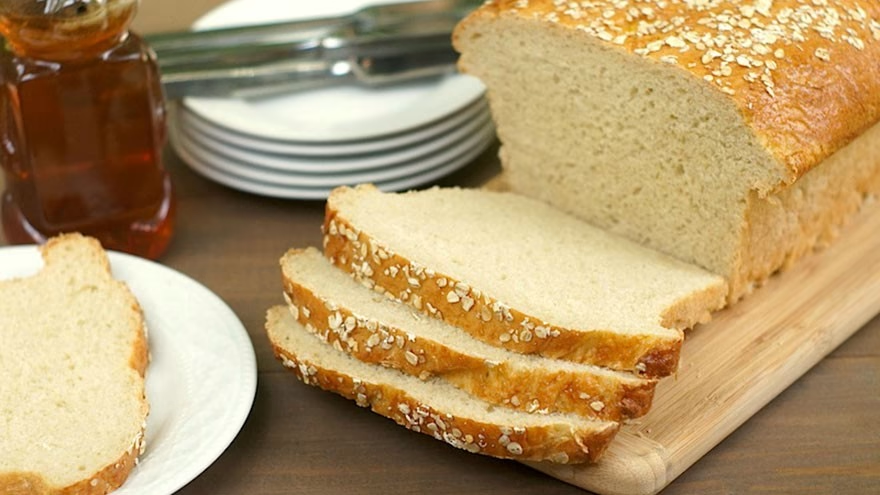
Oat bran wheat bread with cayenne cinnamon honey sauce is a hearty loaf with a sweet-hot finish. The old recipe used yeast, warm water, warm almond milk, melted butter, honey, white wheat flour, steel-cut oats, bran cereal, and salt, then paired the bread with a butter, honey, cinnamon, and cayenne sauce. That idea is worth saving because the bread is dense, toasty, and made for slicing. The sauce gives it warmth without turning the loaf into dessert. The key is hydration, patient rising, and enough cooling time before cutting.
What kind of bread is this?
This is a two-loaf enriched wheat bread with oats, bran cereal, honey, butter, and almond milk. It will not behave like a light sandwich loaf made only with white flour. The oats and bran absorb water, add texture, and make the dough feel heavier.
USDA SNAP-Ed notes that dietary guidance recommends making half of grains whole. Its whole grains page is useful context for why oats and whole-wheat-style flour can have a place in everyday bread, while still leaving room for portion judgment.
Hearty bread needs moisture. If the dough feels softer than a standard white loaf, that may be right. Oats and bran keep drinking liquid as the dough rests.
Ingredients and proportions
Use 1 tablespoon fast-acting yeast, 2 cups warm water, 2 cups warm almond milk, 3/4 cup melted butter, 3/4 cup honey, 3 cups white wheat flour, 3 cups steel-cut oats with 2 cups processed finer, 3 cups bran cereal, and 1 tablespoon salt or less.
The old recipe uses a large amount of liquid because bran and oats are thirsty. Warm means comfortable to the touch, not hot. Too much heat can hurt yeast. If you are unsure, use a thermometer and stay near the temperature range recommended by your yeast package.
Measure before mixing. Once flour, oats, and bran start hydrating, stopping to search for ingredients makes the dough harder to judge.
Mix and knead the dough
Combine yeast, warm water, and warm almond milk. Let it sit briefly, then mix in melted butter and honey. Add the flour, oats, bran cereal, and salt. The dough should be moist and heavy, not dry and tight.
Knead in the bowl if it is large enough, or turn the dough onto a lightly floured surface. Use just enough flour to keep your hands from sticking. Adding too much flour during kneading can make the finished bread dry.
Knead for structure, not until the dough feels like white bread. Bran and oats interrupt gluten, so the dough may stay slightly rough even when it is ready.
Rise and bake the loaves
Butter two 9-inch loaf pans generously. Divide the dough evenly, place it in the pans, cover with a warm damp towel, and let rise in a warm place until noticeably expanded. Very heavy dough may not rise as dramatically as a light loaf.
Preheat the oven to 350 degrees F. If you want shine, brush the tops with egg white beaten with a little water. Bake until the loaves are deeply browned and cooked through. Turn pans during baking if your oven has hot spots.
King Arthur Baking says many yeast breads are done around 190 degrees F in the center, and its thermometer guide explains why temperature is more reliable than thumping alone.
Cool before slicing
Cool the bread in the pan for about 20 minutes, then turn it out onto a rack. Let it cool longer before slicing. Dense bread can feel gummy if cut while very hot, even if it is fully baked.
Mayo Clinic's whole grains page notes that whole grains include bran, germ, and endosperm. That structure is part of the appeal, but it also means whole-grain loaves need time to set.
Cooling is part of baking. If you want clean slices for toast, wait. If you tear into the loaf early, expect a softer, rougher crumb.
Make the cayenne cinnamon honey sauce
For the sauce, melt 4 tablespoons butter and stir in 1/2 cup honey, 1/2 teaspoon cinnamon, and 1/2 teaspoon cayenne pepper. Start with less cayenne if serving children or spice-sensitive guests. Warm gently until smooth.
The sauce is best brushed or spooned over toasted slices, not poured heavily over a whole loaf. It is rich, sweet, and spicy. A little goes a long way, especially with a dense bread.
A sweet topping has the same restraint lesson as Mom's best fudge icing: rich finishes are better when they support the base instead of hiding it.
Serve and store the bread
Serve the bread toasted with butter, honey sauce, jam, eggs, fruit, soup, or a simple dinner. It also works as griddled toast because the oats and bran give it body. Slice thickly for breakfast and thinner for a bread basket.
For a savory table, this loaf can sit near dishes such as basic corn souffle or a simple chicken meal. If serving with the honey sauce, keep the sauce warm and separate so guests can choose how much they want.
Store once fully cool. Wrap the loaf after cooling, keep one loaf for immediate use, and freeze the second if you will not eat it within a few days.
Troubleshooting the loaf
If the bread is dense, the dough may have been too dry, the yeast may have been old, or the rise may have been too short. If the center is gummy, the loaf may have been underbaked or sliced too soon. If the crust browns too fast, tent with foil.
For holiday baking, this bread can share a table with small treats like Christmas cookie ornaments. The bread brings a hearty, not-too-sweet option beside sweeter items.
Adjust one variable next time. More liquid, longer rise, fresher yeast, or a thermometer check can fix most problems without changing the whole recipe.
Work with sticky dough
Sticky dough is normal here because oats and bran need moisture. Resist the urge to keep adding flour until the dough feels dry. A dry dough is easier to handle for five minutes but less pleasant to eat later.
Lightly oil your hands or use a bench scraper if the dough sticks. Short rests can help too. After ten minutes, the oats and bran absorb more liquid and the dough often becomes easier to shape.
Moist dough makes better toast. This bread is built for hearty slices, and dryness is the greater risk.
Use leftovers well
Day-old slices make excellent toast, griddled bread, bread pudding, or crumbs. The honey sauce is not the only option. Try peanut butter, soft cheese, jam, eggs, soup, or a simple fruit plate.
If a loaf starts to dry, cube it for croutons or breakfast bake instead of wasting it. The bran and oats give cubes enough body to hold custard or broth.
Plan the second use. Homemade bread feels less demanding when leftovers have a clear path.
How to slice and toast it
Use a serrated knife and let the knife do the work. Pressing down hard can crush a soft loaf, especially if the bread is fresh. For sandwich slices, cut thinner. For breakfast toast, cut thicker.
This bread tastes especially good toasted because heat wakes up the oats, honey, and bran. A little butter is enough, but the cayenne cinnamon honey sauce turns it into a stronger breakfast or brunch slice.
Toast revives the crumb. Dense homemade bread often tastes better the next day after a short time in a toaster or skillet.
If the crust softens during storage, toast slices uncovered. Dry heat brings back aroma and makes the honey sauce taste cleaner.
Frequently Asked Questions
Can I use regular milk instead of almond milk?
Yes. Use warm milk if dairy works for your household. Keep the temperature gentle so the yeast is not damaged.
Can I reduce the honey?
You can reduce it somewhat, but honey affects flavor, moisture, and browning. Expect a less sweet loaf.
Can this bread be frozen?
Yes. Cool completely, wrap tightly, and freeze. Slice before freezing if you want easy toast portions.
Is the cayenne sauce very hot?
It depends on your cayenne. Start with less for a mild sauce, then increase after tasting.
This oat bran wheat bread is best treated as a hearty, planned loaf. Give the oats and bran moisture, let the dough rise patiently, bake by temperature, cool before slicing, and use the honey sauce with restraint.

Linda Fehrman
Edits general wellness and relationship explainers. Health material is educational, avoids diagnosis and links to health-authority guidance.




Leave a reply
Replying to