
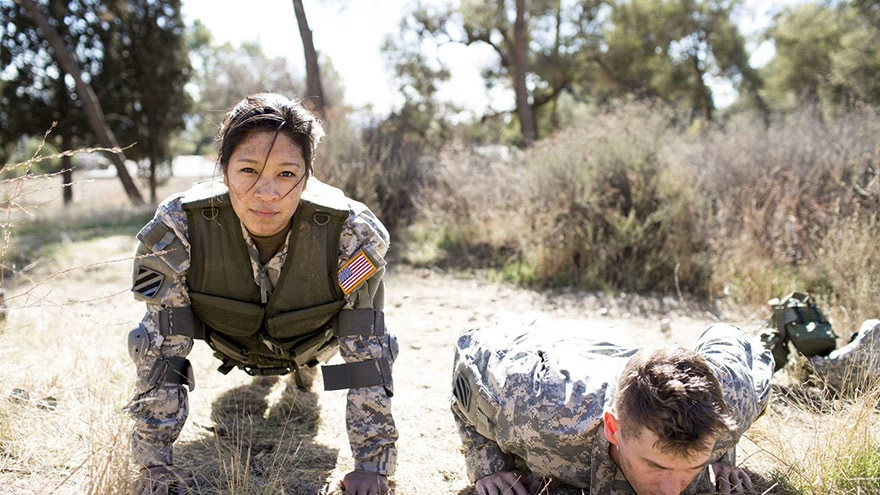
On the Go Exercises for Getting Prepared for the Army should build useful fitness without pretending a hotel room workout can replace months of training. Army preparation needs strength, running, carrying ability, core endurance, mobility, recovery, and enough consistency that your body can handle repeated work.
The best on-the-go plan uses simple movements you can do in a dorm room, park, barracks-style space, parking lot, or hotel gym. It should help you move better, not just leave you sore. If you have an injury, medical condition, or long training gap, get qualified guidance before pushing hard.
What Fitness Does The Army Test Now?
The Army's official Army Fitness Test page says the AFT became the test of record on June 1, 2025, replacing the ACFT. The five events are the 3-repetition maximum deadlift, hand-release push-up, sprint-drag-carry, plank, and 2-mile run.
That matters because preparation should not be only push-ups and jogging. You need full-body strength, trunk stiffness, speed under fatigue, and aerobic work. Livecub's Air Force boot camp overview covers a different branch, but the same lesson applies: arriving with basic fitness reduces shock.
How Do You Train When You Have No Equipment?
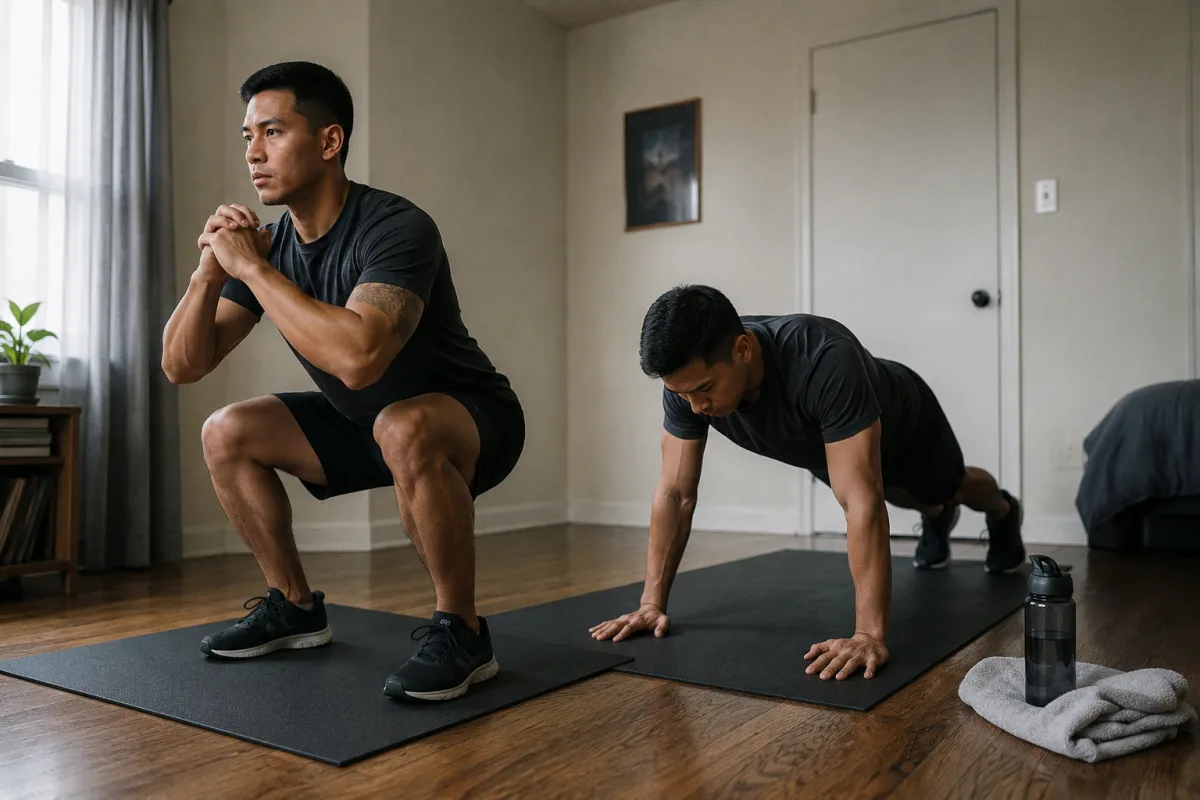
Use bodyweight basics: squats, reverse lunges, push-ups, hand-release push-ups, planks, side planks, mountain climbers, bear crawls, step-ups, glute bridges, and short shuttle runs. Keep the reps clean. Bad repetitions teach bad movement.
A simple circuit can be 10 squats, 8 push-ups, 20 seconds of plank, 10 reverse lunges, and a 60-second brisk walk or jog. Repeat 3 to 5 rounds. Adjust reps so the last round still looks controlled.
What Builds Push-Up Strength?
Practice push-ups often, but not to failure every time. Use incline push-ups if full push-ups break down. Add hand-release push-ups because they train the bottom position and make each repetition honest.
Try small sets through the day: 5 to 10 good reps, several times, with plenty of rest. That works better than one ugly max set that leaves your shoulders angry. If stress is also part of preparation, Livecub's basic training stress guide can help with the mental side.
How Do You Train Legs On The Go?
Use squats, split squats, reverse lunges, step-ups, wall sits, and hill walks. Add a backpack only after the movement is clean. For strength, move slowly and control the bottom. For conditioning, use shorter rests and steady pace.
Do not jump into heavy ruck-style work if your feet, knees, hips, and back are not ready. Carrying load is a skill. Start light, use good shoes, and increase gradually.
What Helps With The Sprint-Drag-Carry?
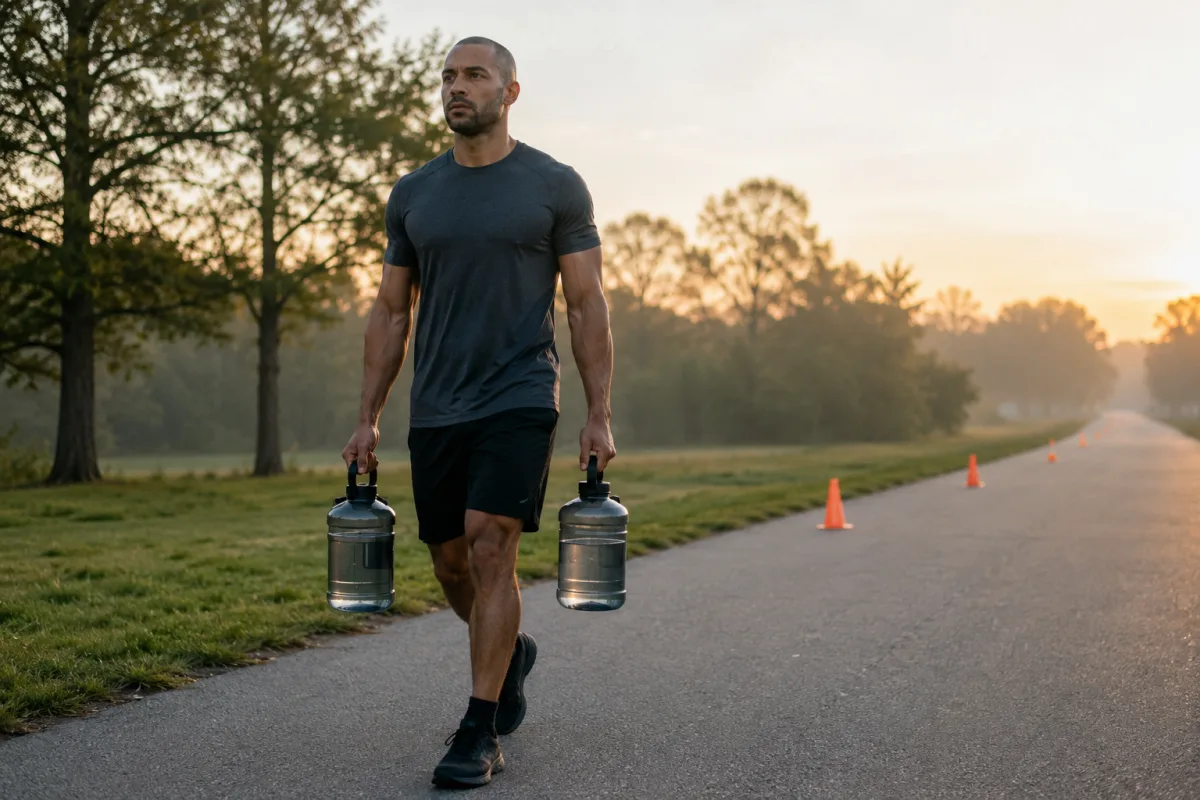
You may not have a sled, but you can train the qualities: short sprints, lateral shuffles, farmer carries, bear crawls, and loaded backpack carries. If you have dumbbells or water jugs, carry them for 30 to 60 seconds. Stay tall and keep the steps quick.
The Army's H2F program frames readiness across physical, mental, nutrition, sleep, and other domains. That is useful because sprint work without recovery becomes a fast way to collect aches.
How Should You Build Running?
Use a mix of easy running, intervals, and walking if needed. Beginners can start with run-walk sessions: one minute jogging, one minute walking, repeated 15 to 25 minutes. More trained candidates can use 400-meter repeats, hill repeats, tempo runs, and easy longer runs.
Do not run every session hard. Hard running builds fatigue faster than fitness if you never recover. The 2-mile run improves when easy volume, speed work, and leg strength all support each other.
How Should You Progress Week By Week?
Progress should be boring enough to repeat. Add one thing at a time: a few more push-ups, one extra circuit round, a slightly longer run, or one more carry interval. If you raise every variable at once, you will not know what caused the sore knee or angry shoulder.
A simple four-week block might start with three strength circuits and two easy runs. In week two, add a few reps. In week three, add one harder interval day. In week four, reduce the volume slightly and check how your body feels. Then begin another block with a small increase.
If you have access to a gym once or twice a week, use it for loaded strength instead of turning every travel workout into more jumping. Deadlifts, rows, presses, farmer carries, and sled-style work, coached well, can support the field-style tasks that bodyweight training only imitates.
What Core Exercises Matter?
Plank training matters because the test includes a plank, but do not stop there. Add side planks, dead bugs, bird dogs, suitcase carries, hollow holds, and slow mountain climbers. The goal is a trunk that stays stable while arms and legs move.
Practice breathing during planks. Holding your breath makes the set feel strong for a moment and then collapses quickly. A steady plank is more useful than a dramatic shake.
How Do You Train In Small Time Blocks?
Use 10-minute blocks. Morning: mobility and push-ups. Lunch: brisk walk and lunges. Evening: short run or circuit. Small sessions add up if they are repeated. The CDC's adult activity guidance notes that weekly activity can be broken into smaller chunks.
If long workdays make energy hard, Livecub's staying awake at work guide may help with basic sleep and alertness habits. Fitness improves faster when recovery is not ignored.
What About Mobility And Recovery?
Mobility does not need to be fancy. Spend five minutes on ankles, hips, hamstrings, upper back, and shoulders after training or before bed. Tight calves can affect running. Stiff hips can make lunges ugly. Tense shoulders can make push-ups feel worse than they should.
Recovery also includes sleep, food, hydration, and easier days. If every session feels like a test, you are training your ability to suffer more than your ability to improve. Keep some sessions smooth enough that you finish feeling ready to train again.
What Should A Travel Workout Look Like?
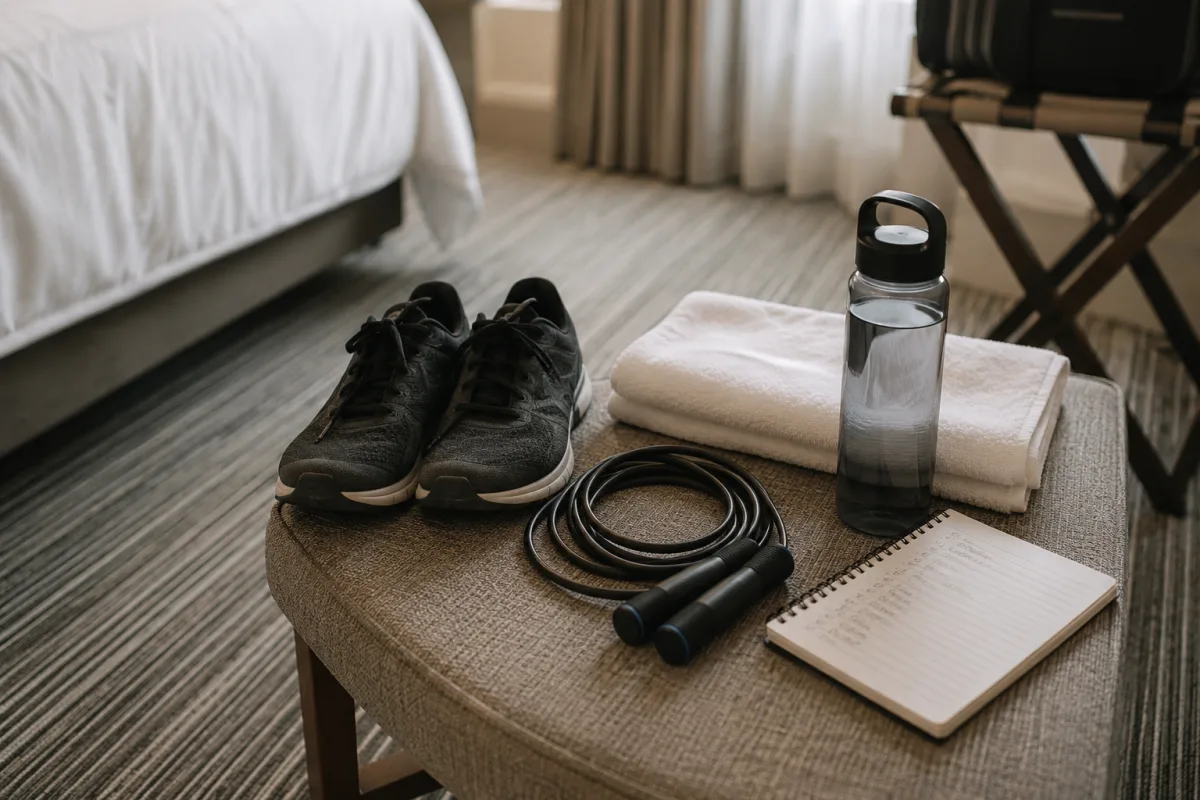
Try this: 5 minutes brisk walk or jog, 3 rounds of 12 squats, 8 hand-release push-ups, 10 reverse lunges per side, 30-second plank, 20 mountain climbers, then 6 short sprints or fast walks. Cool down with easy walking and calf, hip, and shoulder mobility.
For hotel stairs, use step-ups or controlled stair climbs, not reckless racing. For outdoor space, mark two points and do shuttle runs. For a tiny room, slow strength work beats jumping into the furniture.
How Do You Know The Plan Is Working?
Track simple markers. How many clean hand-release push-ups can you do? How long can you hold a calm plank? Can you jog longer without walking? Are your shuttles quicker without sloppy turns? Can you carry the same load with better posture?
Numbers help, but so does how you move. If your form is cleaner, recovery is faster, and you are less nervous about training, the plan is doing its job. If pain is rising week after week, the plan needs adjustment before pride turns a small issue into a stop sign.
What Mistakes Should You Avoid?
Do not train only what you already like. Do not max out daily. Do not ignore foot pain. Do not crash diet. Do not compare yourself to people with years of training. Do not let one missed day become a missed week.
Nutrition matters too. Livecub's nutrition and physical fitness guide for law enforcement officers is written for another uniformed path, but the basics of fueling, hydration, and consistency still fit.
Frequently Asked Questions
Can I prepare for the Army with bodyweight exercises?
You can build a strong base, but deadlift and loaded carry strength need progressive resistance over time.
How often should I train?
Many beginners do well with 4 to 5 training days, mixing strength, running, mobility, and recovery.
Should I run every day?
Not usually. Mix easy runs, intervals, walking, strength, and rest so your legs can adapt.
What if push-ups hurt my wrists?
Try incline push-ups or handles and get coaching if pain continues.
Do I need a gym?
A gym helps with loaded strength, but you can build a base anywhere with bodyweight, running, stairs, and carries.
What Is The Best On-The-Go Plan?
Train the test qualities with simple tools: push, squat, lunge, carry, sprint, run, plank, and recover. Keep it repeatable. The plan that gets done four times a week is better than the perfect plan you only do once.

Chiara Bradshaw
Covers education, culture and creative topics with an emphasis on readable explanations and verifiable references.




Leave a reply
Replying to