

The dangerous part of office sleepiness is not the yawn. It is the ten quiet minutes before a mistake, when your eyes still face the screen but your brain has stopped checking its work. Learning how to stay awake at work is really a fatigue-control problem: move blood, get light, time caffeine, change the task, and protect the next night of sleep.
These five steps are for ordinary workday drowsiness, not for ignoring a medical problem or driving home half-asleep. If you cannot stay awake during meetings, at your desk, or during safe routine tasks despite enough sleep, treat that as a signal. Sleep debt, shift work, medication, sleep apnea, depression, and other issues can all show up as workplace fog.
What Should You Check Before Trying Quick Fixes?
Check the cause before blaming willpower. OSHA says long work hours, extended shifts, and irregular shifts can raise fatigue risk, and its worker-fatigue guidance recommends 7 to 9 hours of sleep without disruption. A person who slept four hours, skipped breakfast, and sits under dim light does not need a productivity trick first. They need recovery.
Look at the pattern. Are you sleepy only after lunch, only during screen work, only on night shifts, or every day? A narrow pattern points to a fix. A daily pattern may need a clinician. For workers in physical or public-safety roles, fatigue is not just uncomfortable; it can affect co-workers and the public. Livecub has related career routines in nutrition and physical fitness for law enforcement officers, where alertness and conditioning connect directly to job safety.
Make a fatigue map for one week. Mark sleep time, caffeine time, meal time, the first yawn, the worst slump, and the task you were doing. Patterns usually appear fast: a 2:30 p.m. crash after a heavy lunch, a morning slump after late caffeine, or a screen-only collapse during quiet review work. The fix should match that pattern.
Step 1: Move Your Body Before You Reach For More Caffeine
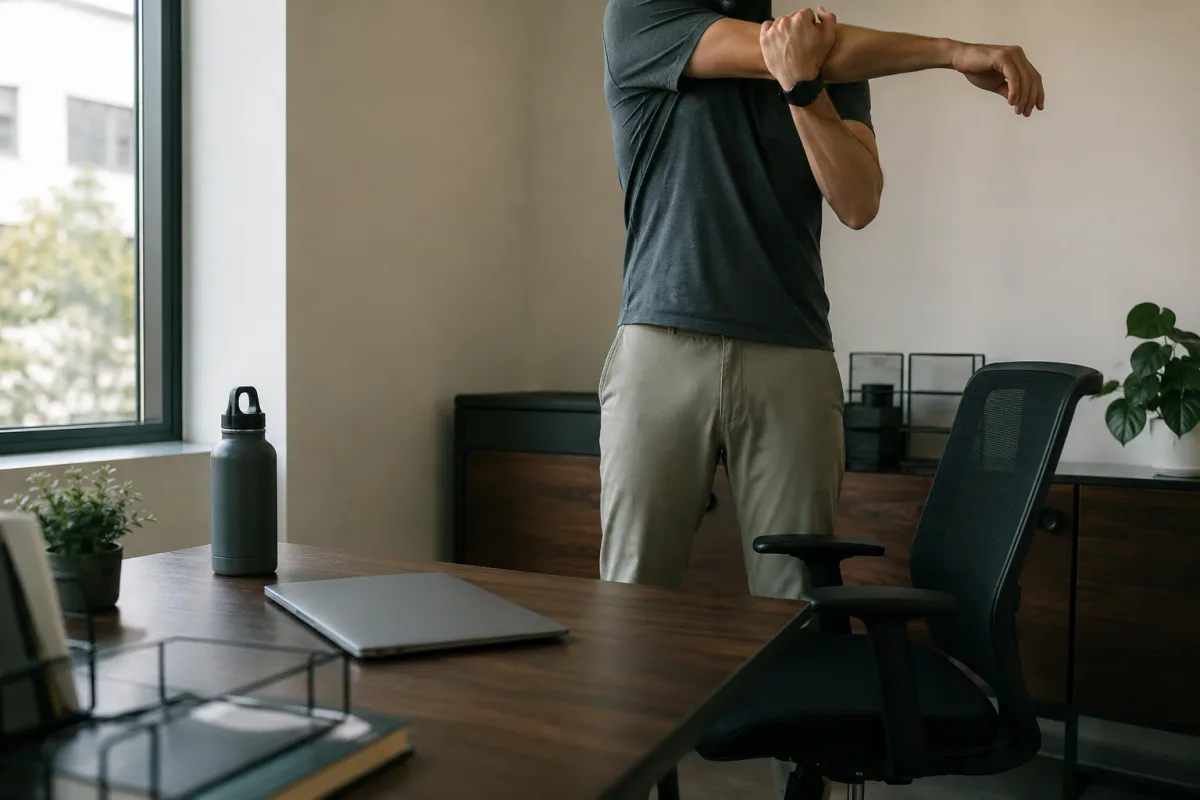
Stand up first. Walk for three to five minutes, take stairs if you can, stretch calves and hips, or do ten slow chair squats in a private corner. Movement raises circulation, changes posture, and breaks the low-stimulation loop that makes screen fatigue worse. It also tells you whether you are sleepy or just under-stimulated. If movement helps for twenty minutes, the problem may be monotony. If it does nothing, you may need deeper rest.
Micro-breaks work better when they are planned before the slump. Set a timer for the work block that usually knocks you out, then move before your head drops. Reception, hosting, and customer-facing work can make this tricky, but even a short reset between guests matters. Livecub's guide to handling a busy wait as a hostess shows the same principle in another setting: you protect service quality by managing energy before frustration spills over.
Step 2: Use Light, Air, And Water To Reset Alertness
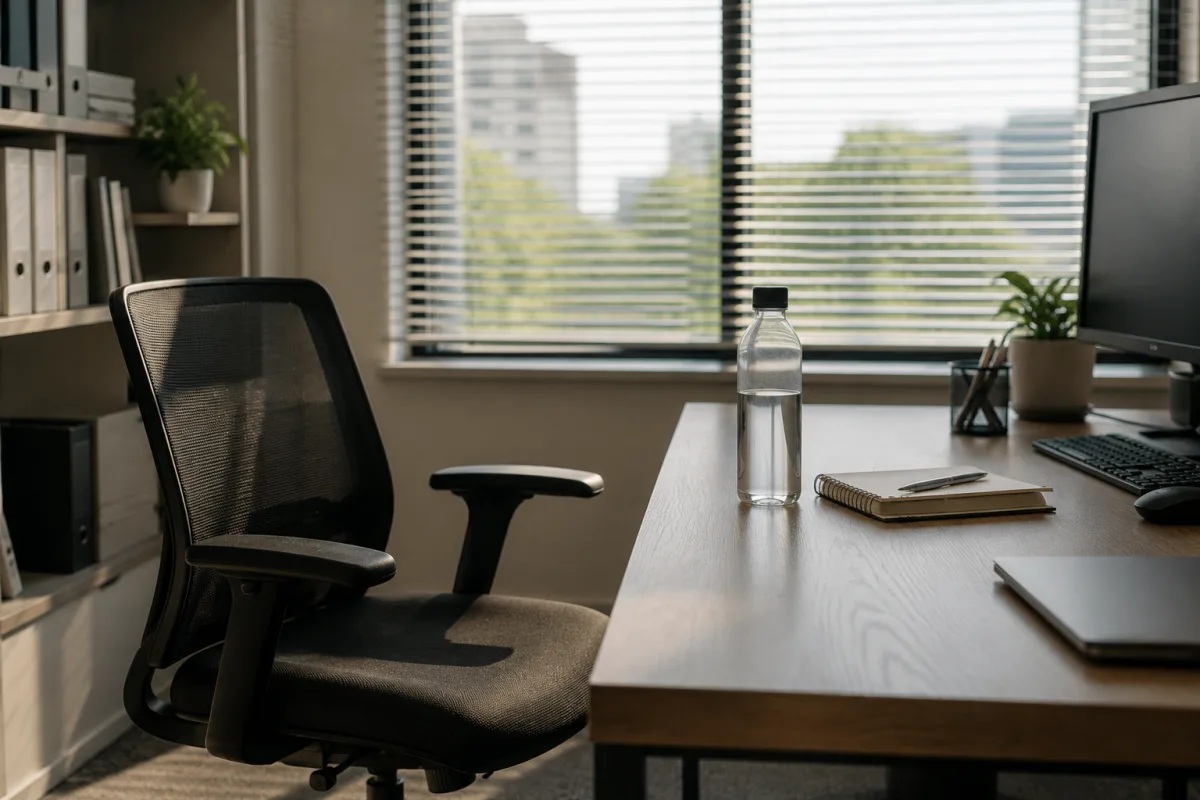
Bright light is a workday tool, not just a mood booster. Open blinds, step outside briefly, or move closer to a window during a low-energy task. OSHA also notes that employers can adjust lighting, temperature, and surroundings to improve alertness. A dark, warm room after lunch is almost designed to put people down.
Hydration is not magic, but dehydration makes fatigue feel heavier. Keep water where you can see it. If your workplace allows it, use a cold drink, a brief face splash, or a brisk hallway walk to change body state. Pair the reset with a task shift: answer two quick messages, print a document, refill supplies, or tidy the desk surface. For people who control their own workspace, personalizing an office cubicle can include practical lighting, a standing-height surface, and less clutter around the work zone.
Conversation can help too, if it fits the job. Ask a co-worker one concrete work question, check a detail with a supervisor, or move a silent task into a quick verbal review. Human feedback wakes up attention because it adds stakes and timing. Just avoid turning the reset into a long social break that leaves the work pile heavier.
Step 3: Time Caffeine So It Helps The Shift And Not The Night
Caffeine works best as a timed tool. A late giant coffee can borrow energy from tonight and hand you the bill tomorrow. Mayo Clinic notes that caffeine's stimulating effects take hours to wear off and can interfere with sleep. Use smaller doses earlier, and stop early enough that bedtime still works.
If you work nights, the timing changes. OSHA's fatigue-prevention page says workers on evening or night schedules should make sure sleep occurred within the last eight hours before work when possible, and it gives nap-duration guidance for pre-shift naps. That is more useful than drinking coffee every time concentration dips. Caffeine cannot replace sleep pressure indefinitely; it only masks some of it for a while.
Step 4: Change The Task Before Your Attention Collapses
The task itself can make sleepiness worse. Long reading, repetitive spreadsheet checks, silent data entry, or passive training videos create low feedback. Switch to a task with movement, speech, judgment, or a deadline before your attention fades. If you cannot change tasks, change the format: read aloud quietly, use a checklist, stand for the review, or split a long document into marked sections.
Use checklists for the sleepy work, especially if the work is repetitive. A checklist does not make you more awake, but it catches skipped steps when your attention is thin. Put the highest-risk detail first: invoice amount, customer name, medication label, lockout step, file attachment, or calendar date. Low-energy work needs friction in the right place.
Social friction drains attention too. A tense coworker interaction can leave you tired even when the work is not hard. If that is your pattern, Livecub's advice on dealing with a rude coworker may help reduce the mental load that shows up later as afternoon fatigue. Protecting alertness is not only about sleep; it is also about not spending the whole morning on preventable conflict.
Step 5: Protect Tonight's Sleep So Tomorrow Is Easier

The next shift starts the night before. The CDC's NIOSH fatigue center focuses on risks tied to nonstandard schedules and other sources of worker fatigue. That matters because a worker who solves today with caffeine, late screens, and a second wind may make tomorrow worse. Keep the wake-up time steady when possible, dim screens late, avoid heavy meals close to bed, and make the room cool, dark, and quiet.
If stress keeps you awake, do not wait until midnight to manage it. Write tomorrow's first three tasks before leaving work, set out clothes, and choose a realistic bedtime. For high-pressure environments, Livecub's guide to reducing stress during Army basic training has transferable ideas: routine lowers the number of decisions your tired brain has to make.
Frequently Asked Questions
What is the fastest safe way to stay awake at work?
Stand, walk, get bright light, drink water, and switch to a more active task. Caffeine can help, but timing matters if you still need to sleep later.
Should I take a nap during a work break?
If your workplace allows it, a short nap can help some workers. Avoid waking from deep sleep right before a safety-sensitive task.
Why do I get sleepy after lunch?
A heavy meal, warm room, dim light, and repetitive task can stack together. Try a lighter lunch, a short walk, and brighter light.
Can I get in trouble for being sleepy at work?
Possibly, if sleepiness causes missed duties or safety risks. Talk with a supervisor early if scheduling, workload, or health issues are involved.
When should I talk to a doctor?
Talk to a clinician if daytime sleepiness is frequent, sudden, tied to snoring or breathing pauses, or strong enough that you might fall asleep while driving.
When Should Workplace Sleepiness Be Taken Seriously?
Take it seriously when it repeats. One rough afternoon can be handled with movement, light, water, task changes, and better sleep tonight. A pattern needs a plan: fix the schedule where you can, document the worst hours, adjust caffeine, and get medical help if normal sleep does not restore alertness. Staying awake at work should not require fighting your body every single day.

Linda Fehrman
Edits general wellness and relationship explainers. Health material is educational, avoids diagnosis and links to health-authority guidance.


Leave a reply
Replying to