
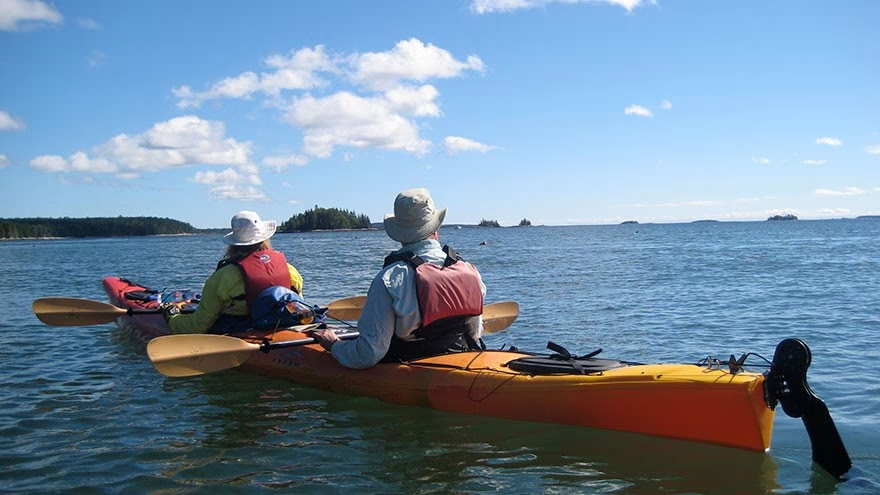
Flatwater does not mean risk-free
Flatwater kayaking usually means lakes, ponds, slow river sections, sheltered coves, and calm-looking water. Wind, cold water, motorboat wakes, fog, and changing weather can still turn a simple paddle into a problem.
Maine's boating safety tips say each person on board must have a properly fitting U.S. Coast Guard-approved serviceable life jacket on its boating safety page.
Choose water that matches your skill
Beginners should look for protected ponds, marked access, easy parking, short loops, and simple exits. Avoid big lakes on windy days until you understand how fast waves can build.
Outdoor route discipline from adjusting walking sticks applies here too: match the tool and route to the conditions.
Use Maine paddling resources
The Maine Bureau of Parks and Lands lists paddling opportunities, including the Maine Island Trail, on its paddling page. For flatwater, focus on routes with clear access and manageable distance.
If you like wildlife-oriented travel, compare expectations with watching large animals from a distance. Quiet paddling should still respect wildlife space.
Wear the life jacket, do not just pack it
U.S. Coast Guard boating safety guidance says a life jacket can save your life only when worn on its life jacket wear page. On cold Maine water, wearing it is the safer habit.
Choose a paddling PFD that fits, lets you move, and is zipped or buckled before launch. A life jacket under a bungee is not helping during a surprise capsize.
Plan for cold water even on warm days
Maine air can feel pleasant while the water remains cold. Dress for the water temperature, carry dry layers, and know the signs of cold shock and hypothermia.
If the trip includes scenic stops, the same pacing used for waterfall visits helps: the view is not worth ignoring conditions.
Watch wind before distance
Wind matters more than mileage. A gentle downwind start can become a hard return. Check the forecast, look at the water surface, and choose a route with shelter or easy turnarounds.
Remote-place planning from remote destination visits also fits paddling: tell someone where you will be and when you expect to return.
Pack like a paddler, not a beachgoer
Bring PFD, whistle, map, waterproof phone case, two communication options if possible, water, snacks, sun protection, dry bag, bilge pump or sponge, and clothing for the water temperature.
For a larger paddling idea, the Penobscot River Paddling Trail shows how Maine routes can mix flatwater, moving water, access points, and campsites. Match the section to your skill.
Start with what can be verified
The practical version of this topic starts with checks that can be confirmed: PFD, weather, wind, water temperature, route length, access points, map, whistle, dry bag, phone, float plan, exit options That keeps the decision tied to facts instead of mood, marketing, habit, or pressure.
Use the check before you make the bigger move. A quick review of records, rules, comfort, safety, fit, or timing can prevent a choice that becomes hard to undo.
Fit matters more than a perfect rule
The route should fit paddling skill, water temperature, wind, boat traffic, access, group strength, gear, and emergency communication. This is why a simple answer can be misleading. The right move depends on the household, relationship, workplace, body, trip, animal, or setting in front of you.
When the setting changes, the advice should change with it. Repeating a rule without checking fit is how ordinary decisions turn into avoidable problems.
Watch the mistake that changes the outcome
The mistake to avoid is assuming flatwater is automatically safe and launching without a worn PFD, wind plan, or return route. It usually happens when the first answer feels convenient enough that nobody checks the second effect.
Slow down at the point where the choice becomes hard to reverse. That point may be a deposit, a conversation, a medical decision, a trip launch, a workplace complaint, or a boundary around another person.
Keep a short record
Write down the source, date, name, plan, symptom, agreement, or rule while it is still fresh. A short record helps later if someone forgets, a policy changes, a pet gets sick, or a conversation needs to be revisited.
The record does not have to be formal. It only has to be clear enough that you can understand your own reasoning after the moment has passed.
Know when to pause
Pause when wind rises, fog moves in, water is too cold for your clothing, or the return route becomes harder than expected. A pause is not overreaction. It is a way to keep the next step from being driven by uncertainty.
If the issue involves health, safety, rights, consent, money, or another living being, get the right kind of help. The right helper is part of the plan, not an admission that you failed.
Make the next step small and concrete
Choose one action that moves the decision forward without pretending the whole subject is solved. Call the clinic, ask the breeder, check the policy, set the room, pack the PFD, save the document, or say the boundary plainly.
A small action is useful when it removes confusion. If it creates more pressure or hides the real issue, it is the wrong step.
Review the result afterward
After the first action, notice what changed. Look at response, comfort, route fit, policy match, safety, timing, and whether the result matched the person or setting.
Good judgment improves when you review ordinary outcomes. The point is not to criticize yourself; it is to make the next decision cleaner.
Check the second effect
A decision rarely ends at the first result. A grooming choice affects comfort later, a romantic plan affects trust, a health choice affects cost, a rights complaint affects records, and a paddling route affects the return trip.
Look one step past the obvious benefit. If the second effect creates avoidable stress, change the plan before the first step locks you in.
Bring in the right person early
The right person may be a veterinarian, trainer, counselor, agency representative, land manager, experienced paddler, or the partner directly involved. Guessing alone is rarely the best path when the stakes are personal.
Ask a narrow question so the answer is useful. A clear question gets better help than a broad complaint that makes the helper rebuild the whole situation from the beginning.
Prepare for normal friction
Even a good plan meets friction. A puppy resists grooming, a partner feels tired, a policy answer takes time, a lake gets windy, or a breeder needs records before answering.
Build margin into the plan. Margin keeps ordinary delay from turning into irritation, pressure, or a rushed decision that ignores the facts you already collected.
Protect consent, comfort, and safety
For relationship topics, this means listening without punishment. For dog topics, it means reading stress, pain, heat, and fatigue. For work and travel topics, it means respecting rules that protect people from preventable harm.
A plan that requires someone to ignore discomfort is not a strong plan. Change the method before you ask another person or animal to carry the cost.
Use plain language when you explain it
Say what you checked, what you decided, and what happens next. Plain language lowers defensiveness and helps other people respond to the actual issue instead of guessing at your motive.
Clarity is a kindness when timing matters. It helps breeders, partners, managers, clinicians, and travel companions work with the same facts.
Leave room to change course
Changing course is not the same as quitting. It may mean choosing another breeder, calling the vet sooner, moving the kayak trip to a calmer day, changing the romantic plan, or using a formal workplace channel.
The better plan is the one that can respond to new information without becoming defensive. That flexibility is often what keeps the outcome steady.
Follow up before the details fade
A good follow-up can be very small. Save the record, send the thank-you note, schedule the vet visit, update the trip plan, confirm the boundary, or write down what the person said in their own words.
That small follow-up makes the advice usable later. It also keeps the next decision from starting with the same confusion you already worked through once. If another person is involved, share the update while it is still easy to understand.
Frequently Asked Questions
Where can beginners kayak in Maine?
Look for protected ponds, calm coves, short routes, and clear access points. Local outfitters and park resources can help.
Avoid big windy water at first.
Do I need a life jacket in a kayak?
Maine requires proper life jackets on board, and wearing one is the safer paddling habit.
A PFD only helps if it is on your body.
Is flatwater kayaking safe?
It can be, with good weather, proper gear, and a route that fits your skill.
Wind and cold water still matter.
What should I pack?
Wear a PFD and bring whistle, map, waterproof phone protection, water, snacks, dry layers, sun protection, and a float plan.
Dress for the water, not only the air.

Timothy Davidson
Edits step-by-step general-interest guides for clarity, realistic limits and source verification.



Leave a reply
Replying to