
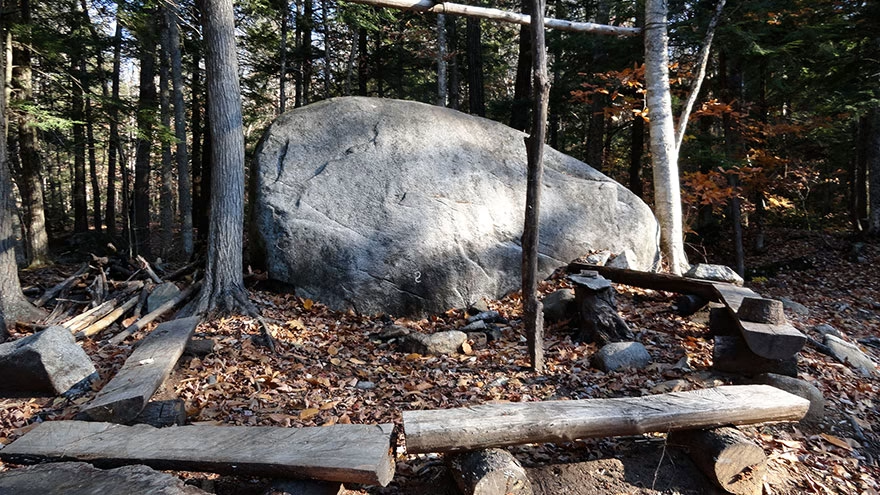
Primitive Camping on the Maine Coast Takes Planning
Maine Coast Primitive Campsites can feel wild, beautiful, and quiet, but the coast is not a casual backyard. Tides, fog, wind, cold water, insects, fragile islands, and limited services all shape the trip.
Primitive usually means fewer conveniences. You may need to bring water, pack out trash, manage waste properly, and handle weather without a camp store nearby.
The coast rewards campers who plan before they romanticize it.
Start With Official Public Lands
Maine Bureau of Parks and Lands' backcountry camping page says remote campsites await on Maine's Parks and Public Lands, including wild coastal islands, mountains, and remote lake shores.
Use current state pages for rules, fees, seasonal closures, fire rules, and access. Do not rely on an old blog comment or an outdated map.
Primitive does not mean rule-free.
Know the Difference Between Car Camping and Primitive Sites
A primitive coastal site may not have potable water, showers, trash cans, cell service, flush toilets, or drive-up access. Some sites may have a privy or fire ring; others may not.
Read site descriptions carefully. If a site requires paddling, hiking, or tide-aware access, plan for that from the start.
For gear-based outdoor planning, Livecub's walking sticks guide can help readers think about terrain, balance, and simple equipment choices.
Look at the Maine Island Trail
The Maine Island Trail Association's home page describes the Maine Island Trail as a recreational resource running from Kittery to West Quoddy Head.
Island camping may require membership, current guide information, careful landing choices, and strong Leave No Trace habits. Access can change because many sites depend on landowner agreements and stewardship.
Do not assume every island is open for camping. Check the current guide and rules.
Plan Around Tides
Tides can change landing, hiking, and campsite access. A beach that looks easy at noon can be awkward or unsafe later.
Check tide tables for the exact area, not only a nearby town. Leave extra time for launching, landing, and moving gear above the high tide line.
The tide is part of the itinerary.
Bring Your Own Water
Many coastal primitive sites do not offer drinking water. Saltwater, brackish water, and questionable surface water are not a safe plan.
Carry more than you think you need for drinking, cooking, and cleaning. If a source is listed, confirm whether it is seasonal, treated, or requires filtration.
For other outdoor trips with water planning, Livecub's Skyline Drive waterfalls guide shows how beautiful water is not the same as drinking water.
Respect Leave No Trace
Pack out trash, food scraps, fishing line, hygiene products, and broken gear. Use existing durable surfaces and follow local waste rules.
MITA's visiting guidelines emphasize stewardship issues such as invasive plant awareness and careful site use.
On small islands, one careless camp can affect the next visitor, nesting birds, vegetation, and landowner trust.
Understand Fire Rules
Do not assume campfires are allowed. Coastal winds, dry conditions, island soils, and landowner rules can restrict fires.
Use a stove when required or when a fire would cause damage. If fires are allowed, use existing rings, keep them small, and make sure they are fully out.
A cold fire pit is better than a memorable mistake.
Prepare for Fog, Wind, and Cold Water
Maine's coast can turn damp, windy, and chilly even in warmer months. Fog can change navigation and make paddling or boating more serious.
Pack layers, rain protection, dry bags, navigation tools, headlamp, and a way to secure tents in wind.
Cold water deserves respect. Wear appropriate flotation on boats or kayaks and know when conditions are beyond your skill.
Use Reservations Where Required
Some Maine State Park campgrounds use reservations through CampWithME, while backcountry and island sites may follow different systems.
Check the exact site before leaving. Some places are first come, some require booking, some require membership, and some are closed during certain seasons.
Write down backup sites in case the first plan is full, closed, or unsafe in the weather.
Build a Coastal Camp Kit
Bring a reliable tent, stakes for difficult ground, extra guylines, stove, water, map, tide info, headlamp, insect protection, repair tape, first-aid kit, and a way to store food securely.
For paddling trips, dry bags and secure boat loading matter. For hike-in sites, weight matters more.
Livecub's Spiral Jetty guide is another remote-feeling trip where road, weather, and access conditions can change the experience.
Choose the Season With Care
Summer brings longer days, warmer evenings, more visitors, insects, and busier reservation systems. Shoulder seasons can be quieter, but weather can feel sharper and daylight disappears sooner.
Check black fly and mosquito expectations for the region, then pack head netting or repellent if needed. A beautiful campsite is harder to enjoy when insects decide the evening schedule.
Season choice changes both comfort and risk.
Match Access to Your Skill
A site that requires a kayak, canoe, or small boat is not only a campsite choice. It is also a navigation, weather, landing, and rescue decision.
If you do not paddle regularly in coastal conditions, choose an easier site or go with someone experienced. Wind against tide can make a short crossing feel much longer than it looks on a map.
Make a Real Backup Plan
Primitive coastal camping needs backup options. Your first site might be full, closed, wet, exposed, or wrong for the weather.
Write down a second legal campsite, a frontcountry campground, and a nearby town option before the trip. Keep the plan practical enough that you would use it after dark, in rain, or with tired people.
Store Food and Scented Items Properly
Even when bears are not the main concern, food storage still matters. Rodents, birds, and other wildlife can chew into bags and spread trash around fragile sites.
Use sturdy containers or proper hanging methods where appropriate, keep cooking areas tidy, and never bury scraps. Pack out every bit of food waste, including peels and shells.
Carry Communication That Fits the Area
Cell service along the coast can be uneven. Before leaving, tell someone your route, campsite, backup plan, and return time.
For remote paddling or hike-in plans, consider a satellite messenger or other emergency communication tool. It is also wise to carry paper maps because wet phones and weak batteries are common camp problems.
Keep Campsites Small and Durable
Primitive camping works best when the camp footprint stays small. Choose durable ground, keep tents and kitchen gear grouped, and avoid spreading equipment across vegetation.
Small sites recover better after rain and wind. They also make it easier to notice missing gear before leaving, which helps keep the next visitor's site clean.
Plan Bathroom Needs Before Arrival
Some primitive coastal sites have privies, while others require approved disposal methods. Check the rules before leaving home because improvising at camp can damage fragile ground and water.
Carry the right supplies for hand cleaning, packing out hygiene items, and following local waste guidance. Treat this as normal trip planning, not an awkward afterthought.
Leave Early When Weather Turns
On the Maine coast, waiting too long can make a simple exit harder. Rising wind, fog, tide changes, or a soaked campsite can slow everyone down.
Build enough margin that you can leave before the trip becomes a test. A shorter, cleaner trip is better than forcing one more night in poor conditions.
Respect Private Land and Local Communities
Much of the Maine coast is privately owned or managed by small communities, land trusts, and local partners. Access can depend on trust built over many seasons.
Use signed access points, avoid blocking roads, keep noise low, and follow posted rules. A low-impact trip helps keep coastal camping available for future visitors.
When in doubt, choose the clearer legal option and leave a simple note with your route.
Frequently Asked Questions
Are there primitive campsites on the Maine Coast?
Yes. Options include some state public lands, coastal islands, land trust sites, and trail-related sites, each with its own rules.
Do Maine coastal primitive sites have drinking water?
Many do not. Bring your own water unless a current official source clearly says potable water is available.
Can I camp on any Maine island?
No. Island access depends on ownership, rules, conservation agreements, and current site status. Check official guides before landing or camping.
What should I check before coastal camping?
Check tides, weather, access, reservations, fire rules, water, waste rules, parking, backup sites, and your route out.

Cashie Evans
Covers parenting and practical household topics with clear steps, safety notes and links to current guidance.



Leave a reply
Replying to