
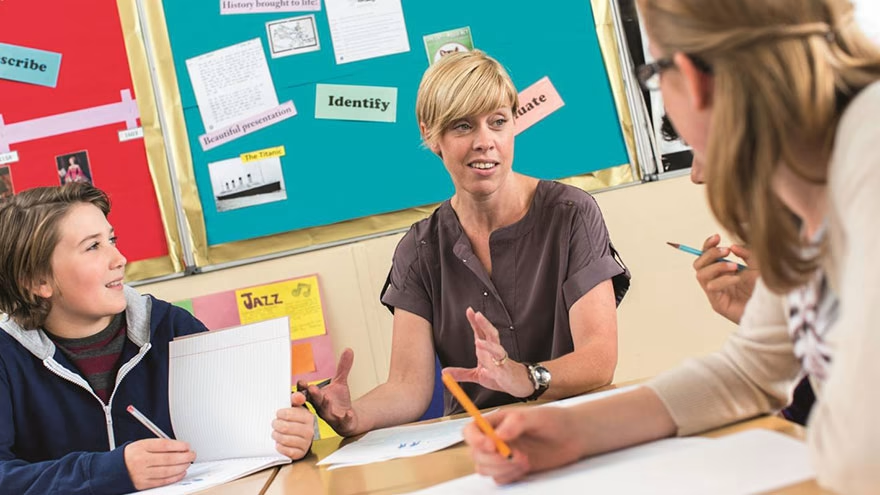
Hands-on Group Activities for Self-Esteem should give people a chance to do, notice, help, and be seen without turning the room into a forced confession circle. Self-esteem grows better through experience than slogans.
The best group activities have clear rules, low embarrassment, a real task, and a short reflection. People should leave with evidence of effort, connection, or skill.
Set Group Rules
Start with rules: no teasing, no fixing someone else's story, no forced sharing, and no posting photos without consent.
CDC youth mental health guidance points to connection with school, family, and community as protective for young people: CDC youth mental health connection.
Strengths In Action
Put cards with strengths on a table: patient, funny, organized, brave, careful, curious, loyal, creative. Each person picks one they used recently.
The group then asks for the behavior behind the word. This keeps strengths grounded in action.
Build Something Small
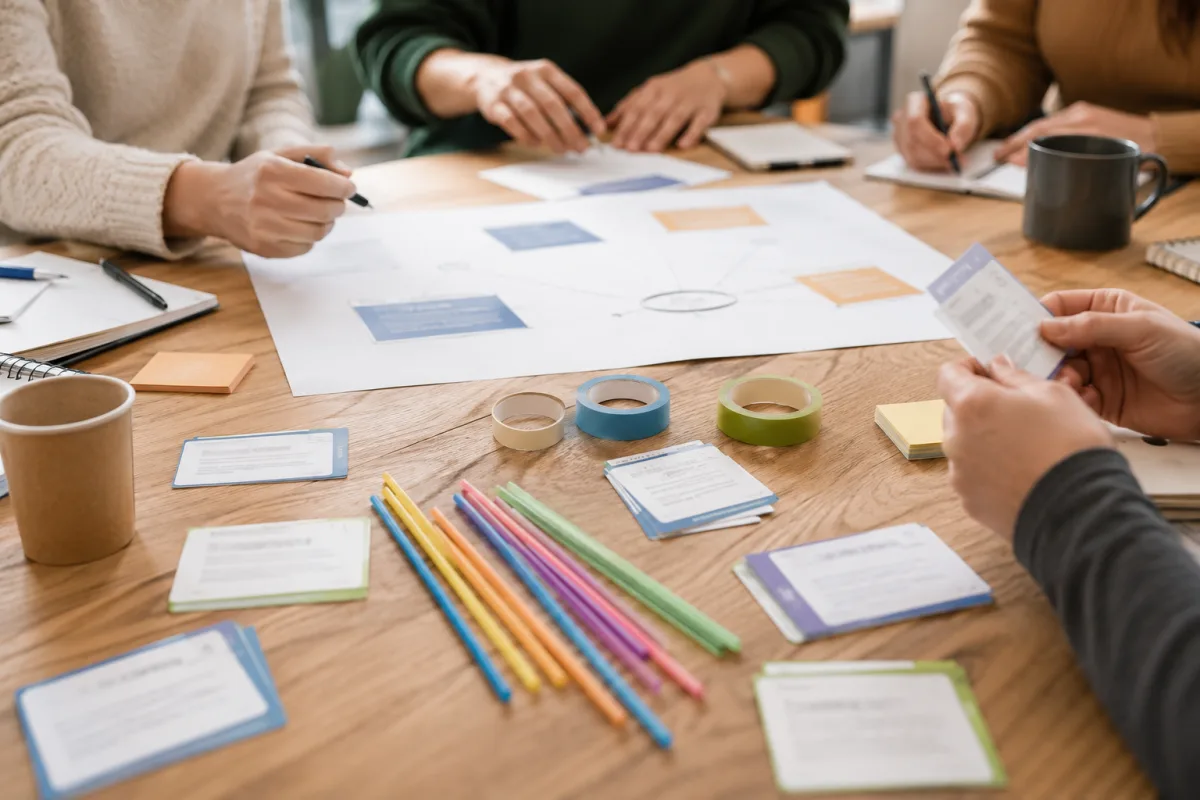
Give teams a simple building task with paper, tape, straws, blocks, or recycled materials. The task should be possible but not too easy.
Afterward, ask what helped the team keep going and who noticed a useful contribution.
Compliment Receipts
Each person writes one action-based compliment for another person: you explained the rule, you stayed calm, you helped clean up.
Avoid appearance compliments. Action compliments are safer and more believable.
Tryout Reframe
Use a pretend tryout scenario. Each person lists what is controllable, what is not, and how to recover after a mistake.
Livecub's sports tryout nerves guide can support this activity for teams or youth groups.
Stage Practice
Create a thirty-second share: read a quote, teach a trick, or explain an object. Let people pass the first round.
Livecub's stage fright guide can help facilitators keep public practice gentle.
Silent Options
Offer silent ways to participate: voting dots, drawing, written answers, sorting cards, or partner sharing.
Livecub's selective mutism guide reminds facilitators that speaking pressure can make anxiety worse for some participants.
Journal Stations
Set up stations: one for a win, one for a challenge, one for a value, one for a next step.
Livecub's food journal guide is food-specific, but the same neutral observation style can help self-esteem journaling.
Service Sprint
Choose a useful task the group can finish in twenty minutes: thank-you cards, care kits, room reset, garden cleanup, or supply sorting.
The reflection question is simple: what did your effort make easier for someone else?
Older Adult Connection
Pair the group with older adults for a skill exchange: recipes, tech help, stories, music, or organizing photos.
Livecub's motivating elderly loved ones guide can help keep the tone respectful and collaborative.
CBT Thought Sort
Give cards with harsh thoughts and balanced replies. Groups sort them into fact, fear, and fairer response.
Mayo Clinic positive thinking guidance recommends not saying anything to yourself that you would not say to someone else: Mayo Clinic positive self-talk.
Resilience Map
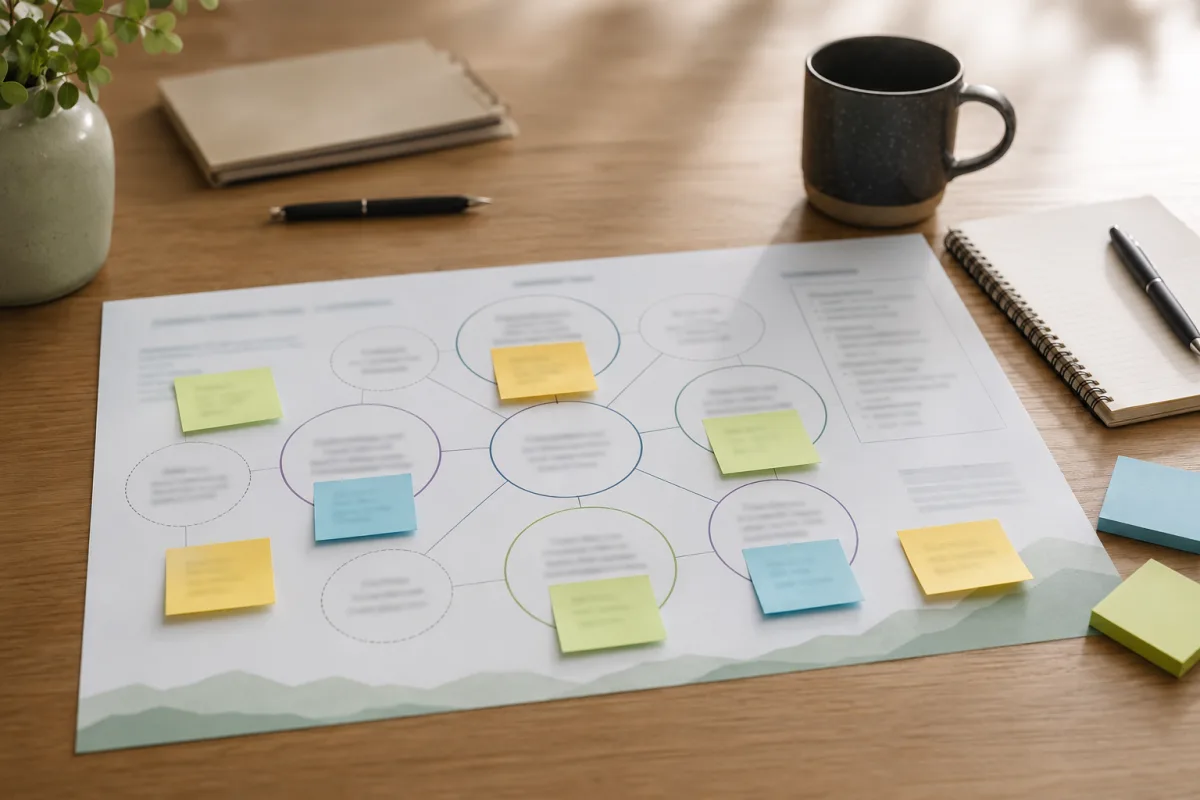
APA resilience guidance recommends acknowledging emotions and breaking problems into manageable pieces during hard times: APA resilience guidance.
Have each person map one challenge into three circles: what I feel, what I can do, and who can help.
Skill Auction
Each person writes a skill they can offer and a skill they want to learn. The group matches offers and requests.
This activity shows that everyone can teach something and everyone can need help.
Failure Resume
Groups list famous or ordinary mistakes that led to learning. Then each person writes one safe example from their own life if they choose.
The goal is not to celebrate failure. It is to show that a mistake is an event, not an identity.
Values Walk
Put value words around the room: honesty, humor, courage, kindness, learning, faith, family, independence. People stand by one and explain or write why.
Values give self-esteem a steadier base than applause.
Group Problem Solve
Give a common problem: new school, rejected idea, conflict, losing a game, feeling left out. Teams create two unhelpful responses and two useful responses.
This lets people practice without putting one person's private problem on display.
Body Respect Activity
Ask the group to name what bodies do: carry, breathe, hug, heal, dance, rest, work, play. Keep it function-based.
This helps move self-esteem away from appearance ranking.
Closing Reflection
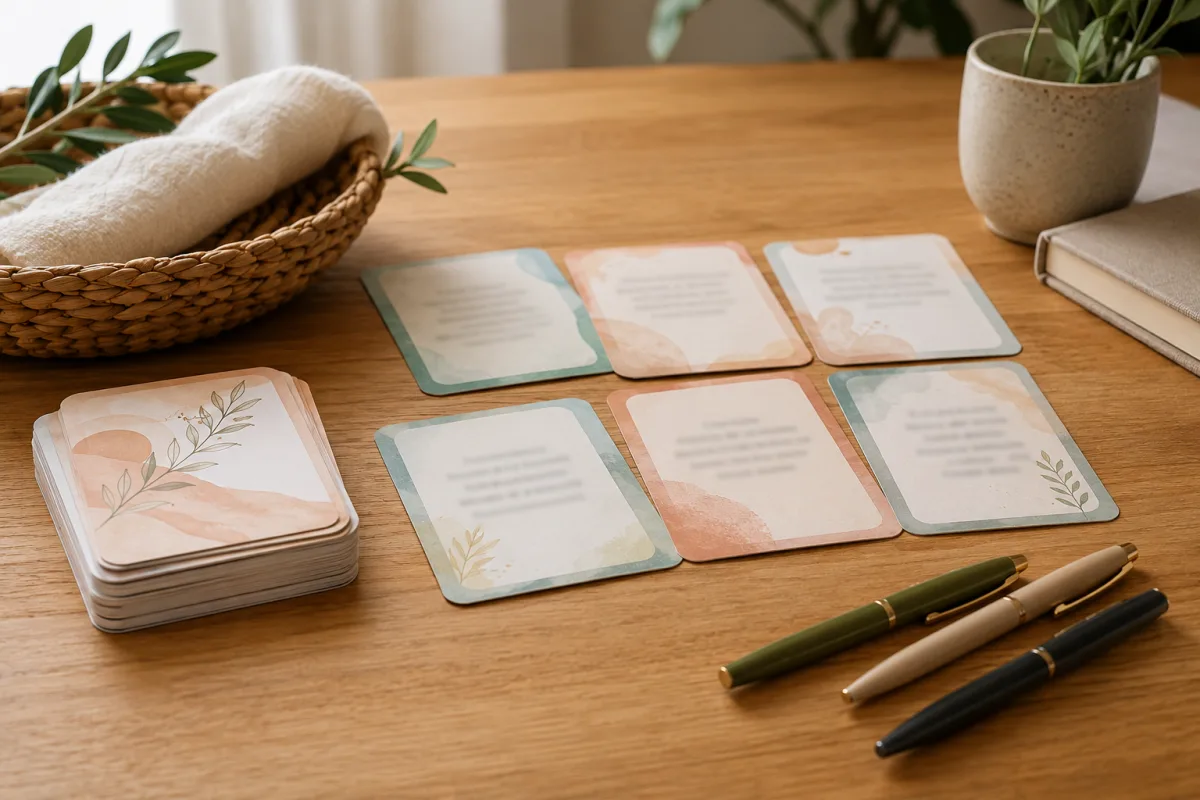
End with three short prompts: I noticed, I helped, I will try. People can write or speak.
A predictable closing helps the group leave settled instead of emotionally open-ended.
Facilitator Notes
Watch for participants who joke constantly, withdraw, dominate, or look distressed. Those can all be protection strategies.
A facilitator can check in privately without calling someone out in front of the group.
When To Refer
Refer to a counselor or clinician if a participant mentions self-harm, abuse, severe depression, eating disorder behavior, substance use, or fear of going home.
A group self-esteem activity should never be the only safety net.
Warm-Up Choice
Start with a choice-based warm-up: pick a card, choose a color, stand by a value, or write one word privately.
Choice lowers resistance. People are more willing to participate when the first action is small and not too revealing.
Pass Rule
Say out loud that passing is allowed. Then prove it by accepting the first pass without comment.
A real pass rule makes participation more honest because people do not have to protect themselves with jokes or shutdown.
Pair Interview
Pairs interview each other with safe prompts: what is a skill you learned, what is a small win, what helps you focus?
Then each person introduces the partner by naming one action-based strength, not a private story.
Mistake Museum
Put common mistakes on cards: forgot homework, lost a game, missed a cue, said the wrong thing. Groups sort them into repair options.
This shows that mistakes can be handled with repair, practice, humor, apology, or a better system.
Role Rotation
During a group task, rotate roles: timekeeper, builder, checker, encourager, note taker, presenter.
People often discover competence in a role they would not choose first.
Grounding Break
Self-esteem work can stir embarrassment. Add a grounding break: feet on floor, name five objects, stretch hands, sip water.
A group that regulates together teaches that discomfort can be handled without escape.
Takeaway Card
End with each person writing one private takeaway card: one thing I did, one thing I noticed, one thing I will try.
They do not have to read it aloud. Private ownership can be stronger than public sharing.
Facilitator Prep
Prepare materials before the group starts. Confusion, waiting, and unclear rules can make anxious participants check out.
A smooth setup is not about perfection. It protects the emotional safety of the room.
Debrief Hard Feelings
If someone gets upset, slow down. Name that the activity brought something up and offer a private check-in.
Do not turn one person's reaction into a group lesson without permission.
Mixed Age Groups
For mixed ages, choose activities that let people contribute at different levels. Building, sorting, drawing, and service tasks work well.
Avoid games where the fastest, loudest, or most verbal person automatically wins.
Online Version
Online groups can use polls, shared whiteboards, private chat to the facilitator, breakout pairs, and camera-optional reflection.
The same rule applies online: participation should be structured, respectful, and not dependent on forced exposure.
Materials List
Useful materials include index cards, sticky notes, markers, tape, timer, small building supplies, reflection sheets, and a private referral note.
Simple materials are enough. The facilitator's tone matters more than expensive supplies.
After The Group
Send people out with one realistic next step instead of a big promise to be confident forever.
A small follow-up action helps the group activity become part of ordinary life.
Frequently Asked Questions
What makes a good self-esteem group activity?
It should be safe, practical, low-shame, and tied to action, skill, connection, or reflection.
Should group activities force sharing?
No. Offer written, silent, partner, and opt-out choices so people can participate without public pressure.
What age group can use these activities?
They can be adapted for teens, adults, support groups, classrooms, and community groups by changing language and difficulty.
How long should an activity last?
Many work well in 15 to 30 minutes with a short reflection afterward.
When should a facilitator refer someone?
Refer when safety, self-harm, abuse, severe depression, eating disorder behavior, or substance use concerns appear.
Hands-on group activities for self-esteem should create evidence: I can try, help, learn, recover, and belong. That evidence is stronger than forced praise. Keep it real.
Cashie Evans
Covers parenting and practical household topics with clear steps, safety notes and links to current guidance.




Leave a reply
Replying to