

How Does Tennancy-in-Common Work? The title often appears with a misspelling, but the legal term is tenancy in common. It is a form of shared ownership where each co-owner owns a share of the same property.
This is general legal information, not state-specific advice. Property law, deed language, inheritance, taxes, mortgages, and partition rules vary, so co-owners should speak with a local real estate or estate lawyer before relying on a plan.
Basic Meaning
Cornell's Wex defines tenancy in common as a type of concurrent estate where each owner owns a share of the property, usually without a right of survivorship: Cornell Wex tenancy in common.
That means one owner can have 50 percent, another 25 percent, and another 25 percent, while all may still have rights to use the whole property.
No Automatic Survivorship

In many tenancy-in-common arrangements, a deceased owner's share does not automatically go to the other co-owners. It may pass under a will, trust, beneficiary structure, or state intestacy law.
This is where estate planning matters. Livecub's questions for an estate lawyer can help owners prepare better questions before signing or inheriting property.
Unequal Shares
Tenants in common do not have to own equal percentages. The deed or ownership document should state the shares clearly.
If the document is unclear, owners may end up in a dispute over contributions, mortgage payments, repairs, rent, taxes, and sale proceeds.
Right To Use The Whole Property
A co-owner with a smaller share may still have the right to possess and use the whole property, unless an agreement or court order says otherwise.
This surprises people. A 10 percent owner may not be limited to 10 percent of the kitchen. Ownership share and physical use are separate concepts.
Transfer Of A Share
A tenant in common may be able to sell, give, mortgage, or leave their share by will. The new owner may then become a co-owner with the remaining tenants in common.
This flexibility can be useful, but it can also bring strangers, heirs, creditors, or ex-partners into the ownership picture.
Joint Tenancy Difference
Cornell's Wex explains that joint tenancy includes a right of survivorship, meaning surviving owners absorb a deceased owner's interest: Cornell Wex joint tenancy.
That survivorship feature is a major difference from many tenancy-in-common arrangements. Deed language should be checked before assuming either result.
Probate Questions
If a tenant-in-common share passes through a will or intestacy, probate may be involved. That can delay sale, refinance, or clean transfer of the property.
Livecub's probate court guide can help readers understand the separate probate process, but a local lawyer should review the property facts.
Trust Planning
Some owners place their share into a trust for estate planning. Whether that makes sense depends on state law, tax issues, lender rules, and family goals.
Livecub's credit shelter trust guide and property transfer after trustee death guide may help readers frame estate planning questions.
Written Co-Owner Agreement

A deed says who owns what. A co-owner agreement can address who pays taxes, repairs, insurance, utilities, rent, management fees, and what happens if someone wants out.
Without an agreement, small money issues can become legal fights. Put the boring rules in writing before relationships change.
Rent And Income
If the property is rented, owners need rules for rent collection, expenses, reserves, repairs, vacancies, taxes, and distributions.
The split may follow ownership percentages, but agreements can be more detailed. Keep records because informal rent handling often creates conflict later.
Mortgages And Liability
A co-owner's share and the mortgage obligation are not always the same thing. If multiple people sign the loan, the lender may expect payment regardless of private ownership percentages.
Never assume that owning 25 percent means owing only 25 percent to the lender. Read the note, mortgage, deed of trust, and any co-owner agreement.
Partition
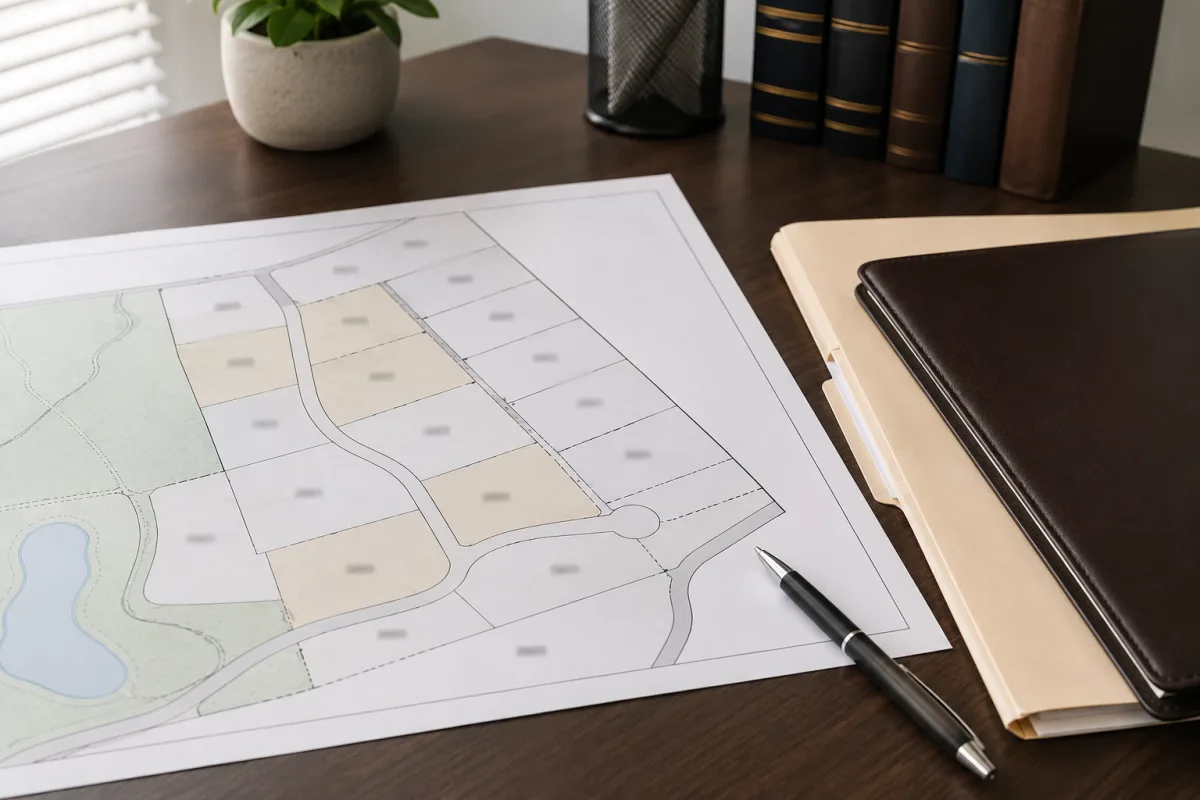
Cornell's Wex describes partition as a division of concurrent interests in land, sometimes by consent and sometimes through court: Cornell Wex partition.
Partition can lead to physical division or sale, depending on the property and law. It is often expensive, so negotiation is usually worth trying first.
Divorce And Breakups
Unmarried partners, siblings, divorced spouses, and investment partners may hold property as tenants in common. The emotional relationship and legal ownership are separate.
Do not rely on verbal promises after a breakup or death. Get the deed and agreements reviewed.
Before You Sign
Ask what form of ownership the deed creates, what happens at death, whether shares are equal, who pays expenses, and how a sale can happen.
If someone is also asking for power of attorney, Livecub's POA revocation guide may help readers understand why authority documents deserve careful review.
Tax And Insurance Issues
Property taxes, homeowners insurance, rental reporting, and casualty losses can become complicated when ownership shares differ. A tax professional may need to coordinate with the lawyer.
Do not assume the person who pays the bill owns more, or the person who owns more must pay every bill. Put the cost-sharing rule in writing.
Family Property
Inherited family property often becomes tenancy-in-common property because several heirs receive shares. The sentimental value can make sale, rent, repair, and buyout decisions harder.
A written agreement can preserve relationships by making routine decisions less personal. Without one, every roof repair can reopen old family arguments.
Buyout Terms
Co-owners can agree ahead of time on buyout steps: appraisal method, notice period, financing deadline, and what happens if no one can buy the share.
Without buyout terms, one owner may want cash while another wants time. The conflict is easier to solve before anyone is angry.
Repairs And Improvements
Repairs keep the property functioning. Improvements may increase value or comfort. Co-owners should decide which expenses need consent and how reimbursement works.
One owner should not assume that painting, remodeling, or replacing systems will automatically be paid back by the others.
Records Matter
Keep deeds, closing statements, mortgage papers, tax bills, insurance policies, repair invoices, rent records, and written agreements in one file.
Good records do not prevent every dispute, but they reduce arguments based on memory, resentment, or missing numbers.
Local Law Controls
Tenancy-in-common rules can differ by state and by property type. Marital rights, homestead rules, creditor rights, and transfer taxes may change the answer.
Use general articles to learn vocabulary, then get local advice before selling, gifting, mortgaging, or planning around a share.
Creditor Risk
A co-owner's creditors may affect that owner's share. The exact risk depends on state law, debt type, liens, and how the property is titled.
Co-owners should understand that someone else's financial trouble can become a property problem. This is another reason to get legal advice early.
Death Without A Will
If a tenant in common dies without a will, state intestacy law may decide who receives the share. That may not be the person the other co-owners expected.
Unplanned heirs can make sale, repairs, and management harder. Estate planning is part of shared ownership, not a separate issue.
Before Buying With Friends
Buying with friends can work, but the agreement needs an exit plan. Discuss job loss, marriage, relocation, death, disability, and one owner wanting to sell.
A hard conversation before closing is cheaper than a lawsuit after the relationship changes.
Do Not Use Forms Blindly
Online deed forms may not fit your state, relationship, lender, tax situation, or estate plan. A small wording problem can change ownership results.
Have the deed and any co-owner agreement reviewed before recording or signing. Fixing language later may be harder than doing it correctly first.
Frequently Asked Questions
What is tenancy in common?
It is shared ownership where each co-owner owns a share of the property, often without automatic survivorship rights.
Can tenants in common own unequal shares?
Yes. Tenants in common may own unequal shares, such as 50 percent and 25 percent shares, if the ownership documents say so.
Does a tenant-in-common share avoid probate?
Not automatically. A deceased owner's share may pass through a will, trust, beneficiary arrangement, or probate depending on state law and planning.
Can one tenant in common sell their share?
Often yes, but deed terms, agreements, lender rules, and state law can affect the process.
What happens if co-owners cannot agree?
They may negotiate, buy one another out, sell together, or in some cases seek partition through court.
Tenancy in common can be flexible, but that flexibility creates estate, sale, mortgage, and conflict risks. Get the deed and local law reviewed before acting.

Tory Stearns
Edits practical household, travel and lifestyle explainers. Claims that can change are linked to current primary or subject-authority sources.



Leave a reply
Replying to