
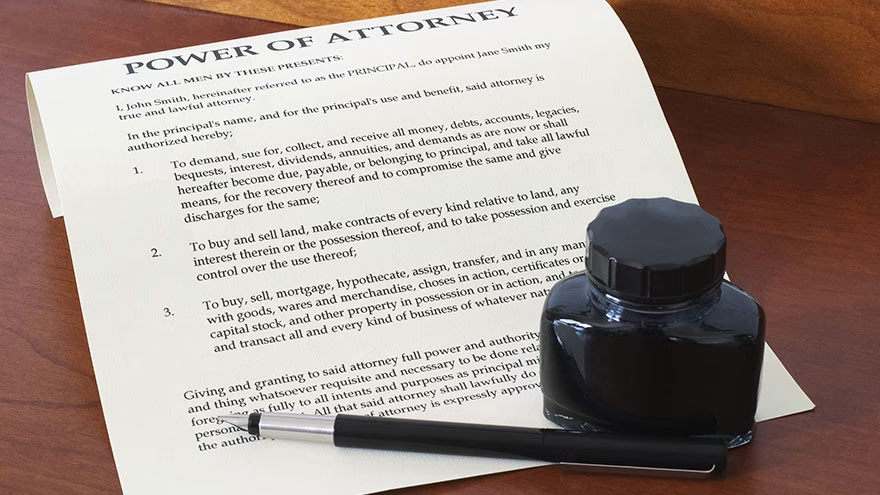
How to Assign Power of Attorney means legally appointing someone to act for you, usually called an agent or attorney-in-fact. The person assigning the authority is often called the principal, donor, or grantor, depending on the jurisdiction. The details matter because power of attorney rules are local.
This article is general legal information, not legal advice. Forms, signing rules, notarization, witnesses, durability, health-care authority, real estate recording, and revocation rules vary by state or country. Use local forms and get legal help for complex finances, family conflict, real estate, business interests, elder care, disability planning, or cross-border issues.
Choose The Right POA Type
Start by deciding what authority is needed. A financial power of attorney may cover bank accounts, bills, taxes, insurance, property, and investments. A health care power may cover medical decisions. A limited POA may cover one transaction. A durable POA may continue after incapacity if local law allows.
The American Bar Association's power of attorney overview explains that POA rules differ by state and that authority can be broad or limited.
Pick The Agent Carefully

The agent should be trustworthy, organized, reachable, and willing to act. They should understand money, privacy, boundaries, and recordkeeping. Do not choose someone only because they are the oldest child, closest relative, or most forceful person in the room.
Livecub's questions to ask an estate lawyer can help you prepare before naming someone with major authority.
Decide The Scope
Write down what the agent can do and what they cannot do. Can they pay bills, sell a car, manage real estate, talk to insurers, file taxes, access digital accounts, or handle retirement benefits? Are gifts allowed? Are loans to family forbidden?
Too little authority can make the document useless. Too much authority can create risk. Scope is where legal advice often pays for itself.
Use The Correct Local Form
Many jurisdictions provide statutory forms. Banks, title companies, and health systems may prefer or require certain wording. A form from another state or country may be rejected even if it looks official.
For form basics, Livecub's power of attorney form guide can help with vocabulary, but the final document must fit local law.
Check Capacity
The principal must understand the document and the authority being given when signing. If capacity is uncertain, ask a lawyer before proceeding. A rushed signature during confusion can lead to challenges later.
If planning is delayed until capacity is gone, a court process may be needed. Livecub's probate court overview is a different process, but it shows how court involvement can create deadlines, hearings, and extra expense.
Follow Signing Rules

Power of attorney documents may require notarization, witnesses, specific signing language, initials, or separate acceptance by the agent. Real estate powers may need recording in land records. Health care powers may have separate witness restrictions.
Texas Law Help's power of attorney page gives one state-specific example: a POA is a legal document giving someone else power to act, and Texas signing rules include notarization for many POAs. Your state may differ.
Name Backups
A backup agent can prevent the plan from failing if the first agent dies, refuses, loses capacity, moves away, or becomes inappropriate. You can also decide whether multiple agents act separately or together, if local law allows.
Joint agents can provide oversight, but they can also slow urgent decisions. Think about practical use, not only family fairness.
Talk Before Signing
Do not surprise someone with POA duties. Talk through bills, accounts, property, medical preferences, family dynamics, and where documents are kept. The agent should know what the role means before accepting it.
Age UK's power of attorney guide describes POA as giving someone trusted legal authority to make decisions if you cannot or do not want to make them yourself.
Distribute Copies Carefully
Give copies only to people and institutions that need them. Keep the original safe. Some banks or agencies may request certified copies. Track where copies went so you can notify the right people if you revoke or replace the POA.
Livecub's POA revocation guide can help with the idea of canceling authority, but formal revocation steps must follow local law.
Recordkeeping For The Agent

The agent should keep receipts, bank statements, call notes, invoices, and decision records. They should not mix the principal's money with their own. They should avoid self-dealing unless clearly allowed by the document and law.
If property or trustee questions later arise, Livecub's property transfer after trustee death article may help with related estate vocabulary.
Review After Life Changes
Review the POA after marriage, divorce, death of an agent, moving, major diagnosis, estrangement, property purchase, business change, or major financial shift. A once-good document can become outdated.
If a spouse's liability or estate debts are part of planning, Livecub's surviving spouse medical bill article may help with adjacent questions.
Financial POA Vs Health Care POA
Do not assume one document covers both money and medical care. Many places use separate forms for health decisions, financial decisions, and advance directives. A hospital may reject a financial POA for medical consent.
Ask your lawyer or local legal aid office which documents work together. The right bundle depends on your state or country.
What The Agent Should Do First
After signing, the agent should know where the original is, which institutions may need copies, who the backup agent is, and what records to keep. They should also know when authority begins: immediately, on incapacity, or for one transaction only.
A short instruction sheet can prevent confusion. List accounts, advisers, insurance, property, and emergency contacts without exposing passwords unnecessarily.
Digital Accounts
Power over digital accounts can be tricky. Email, cloud storage, phone accounts, online banking, subscriptions, and social accounts may have their own terms. Add lawful digital authority if your jurisdiction allows it.
Do not hand someone your passwords casually. Use a secure password manager or legal digital-access plan if that fits your situation.
After Death
Power of attorney usually ends at death. The agent should not keep using it to sell property, withdraw money, or sign documents after the principal dies. Estate authority shifts to the executor, administrator, or other legal representative.
If death records are needed later, death certificate rules and estate authority should be handled as a separate legal process.
Real Estate Needs Extra Care
If the agent may sign deeds, mortgages, leases, or sale papers, ask whether the POA must include specific real estate language and be recorded with the county or land registry. Title companies can reject vague authority.
Do not wait until closing day to test the document. Send it to the title company or lawyer early enough to fix problems.
Medical Privacy And Records
A health care POA may not automatically grant access to every medical record portal, and a financial POA may not satisfy privacy rules. Ask whether separate releases are needed for doctors, hospitals, insurers, or benefits offices.
The agent needs enough access to act, but the principal should still protect privacy where possible.
Do Not Assign Under Pressure
A POA signed because someone is pressuring, threatening, or isolating the principal can be challenged and may signal financial abuse. The principal should have a chance to ask questions privately.
If elder abuse or coercion is possible, pause the signing and get legal or protective help before authority changes hands, even if the family is impatient, angry, or pushing hard that day. The principal's free choice matters most here.
Frequently Asked Questions
Can I assign power of attorney without a lawyer?
Sometimes, but legal advice is safer when property, health care, conflict, or incapacity planning is involved.
Does my agent become owner of my money?
No. The agent has authority to act for you within the document and law.
Can I limit what the agent can do?
Yes, if local law allows the limits and they are clear enough to use.
Can I cancel power of attorney?
Usually yes while you have capacity, but you must follow the proper revocation steps.
Does POA work after death?
Generally no. After death, estate representatives or executors handle estate authority.
The Assignment Checklist
Assign power of attorney by choosing the correct local document, naming a trustworthy agent and backups, defining powers, following signing rules, distributing copies carefully, and keeping a revocation plan. The form is only one part of the job; the person and instructions matter just as much.

Patrick Harwood
Edits sports, consumer-finance and general legal explainers. Regulated or time-sensitive topics link to primary sources and are not professional advice.




Leave a reply
Replying to