

The Documents Needed for a Probate Lawyer are less about one perfect folder and more about proving authority, property, debts, family relationships, and deadlines clearly.
Start With Proof Of Death
North Carolina Courts says a certified death certificate is standard proof of death at various steps in probate: North Carolina estates.
Ask how many certified copies are useful before ordering too many.
Keep one copy reserved for court or bank use.
Gather Estate Planning Papers
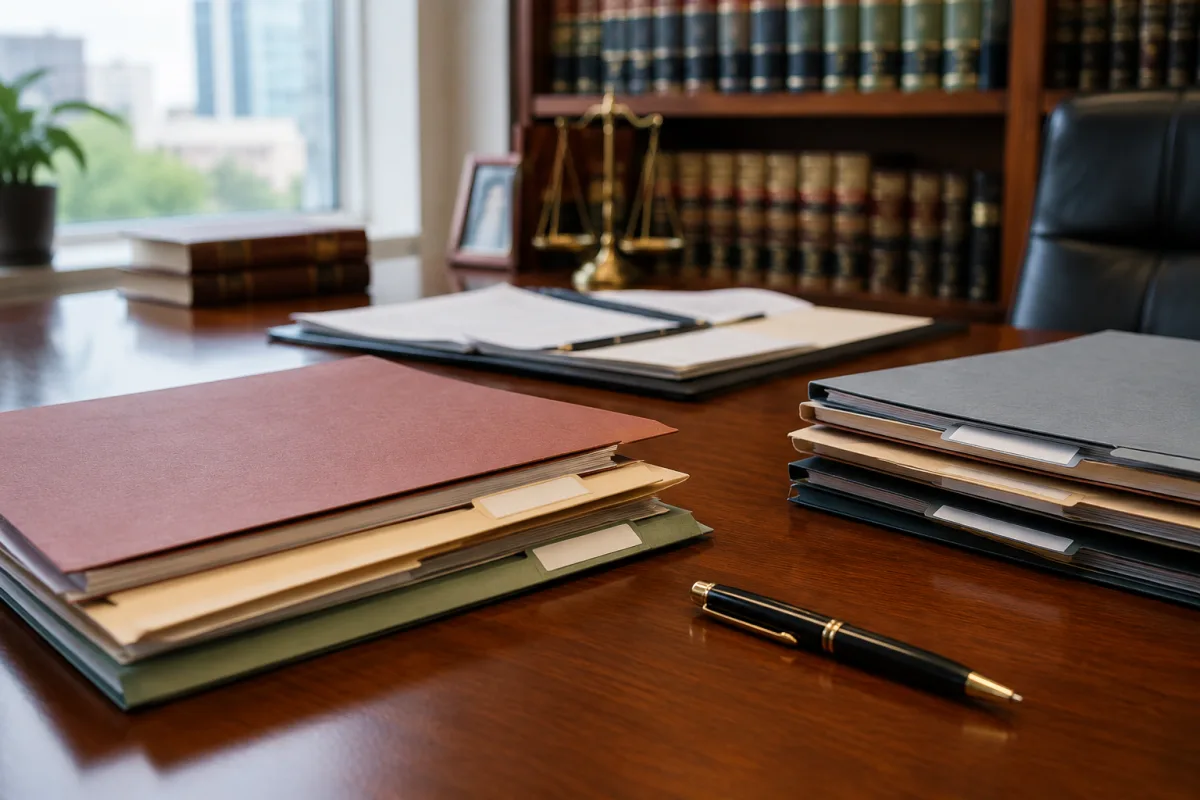
California Courts lists estate planning documents such as a will, trust, power of attorney, and advance health care directive: California Courts legal documents.
Bring the newest version and any older versions you found.
Do not throw away a document because it looks outdated.
List Assets And Debts

The American Bar Association's executor and trustee guidance describes routine estate and trust administration steps after death: ABA executor and trustee guidelines.
Make a rough asset and debt list even if values are not final.
The lawyer can tell you which values matter next.
Sort Originals From Copies
A probate lawyer usually wants to know which papers are originals and which are copies. Keep the original will, original trust papers, certified death certificates, and court papers in a separate envelope.
Write where each original was found and who handled it. That small note can prevent family confusion later, especially when several people searched the same desk, safe, file cabinet, or bank box.
Make working copies for the first meeting. A lawyer can review copies first, then tell you which originals must be filed, recorded, mailed, or kept untouched until the court asks.
Do not staple, mark, trim, or repair an original will. If a page is loose, torn, or has handwriting on it, leave it as found and let the attorney decide what matters.
Build A Property Map
The estate file should show what existed on the date of death. List real estate, vehicles, bank accounts, brokerage accounts, retirement accounts, life insurance, business interests, and valuable personal property.
Next to each item, note what proof you have: deed, title, statement, policy, account number, online login, tax bill, or appraisal. The first list can be rough; accuracy improves with records.
Debts belong on the same map. Funeral bills, credit cards, medical balances, mortgages, taxes, personal loans, and utilities can affect what the estate owes before anything is distributed.
Some assets may pass outside probate through beneficiary forms or joint ownership. Bring those records anyway, because the lawyer needs to sort probate property from nonprobate property.
Prepare Family And Notice Details
The lawyer may need names, addresses, phone numbers, birth dates, death dates, marital history, and relationship details for heirs and named beneficiaries. Put that information in one document.
Include minor children, adopted children, deceased relatives, estranged relatives, and anyone who might claim a share. Leaving a person off the list can create notice problems later.
If you do not know an address, write the last known address and how you tried to find a current one. Honest gaps are better than guessed information.
Family conflict should be described plainly. The attorney does not need gossip, but does need to know about missing documents, suspected pressure, prior lawsuits, or relatives who may object.
Ask What Can Wait
A first probate meeting should end with a short list of next steps. Ask what can be paid, what should be frozen, and what should not be touched until authority is issued.
Avoid distributing property, selling a car, changing locks, cashing checks, or closing accounts just because the family agrees. Agreement is not the same as legal authority.
If bills are urgent, ask the lawyer which account may pay them and what receipt is needed. Fiduciaries are usually judged by records, not by memory.
The cleanest probate file is not the thickest file. It is the file that shows authority, property, debt, family notice, and decisions in a way another person can follow.
Before a meeting, questions to ask an estate lawyer helps turn a document pile into a focused legal conversation.
If court is involved, what happens in probate court explains why probate procedure, authority, and notice matter.
Death records are often the first proof requested, so searching for a death certificate is a related step for families organizing an estate file.
Start With The Document List
For probate lawyer documents, the lawyer or court needs documents before advice can become specific. A timeline and organized records usually save more time than a long family story.
Collect IDs, death certificates, wills, trusts, deeds, account statements, tax records, beneficiary forms, court papers, notices, debts, receipts, and prior legal documents.
Keep originals safe and work from copies unless the court or attorney asks for an original.
Separate Authority From Relationship
A spouse, child, parent, executor named in a will, or trusted relative may still need legal authority before acting.
Authority may come from letters, a court order, a trust document, a small-estate process, a power of attorney, or another official record.
Do not sign, transfer, cash, or distribute property before authority is clear.
Use The Correct Court Or Office
Probate, guardianship, deeds, bank accounts, and public records can involve different offices. Ask where the document will be used before choosing the form.
A form that works in one state or county may not work in another. Local rules can change signatures, notice, filing fees, and deadlines.
If property or accounts are in more than one state, the process may require more than one legal step.
Make A Timeline

Write dates in order: death, hospitalization, incapacity, will signing, account statements, checks received, court filings, letters issued, and calls made.
A timeline helps an attorney spot deadlines, missing proof, and places where authority changed.
Do not guess when a date matters. Mark it as unknown and find the record.
Protect The File
Legal files contain private financial, medical, and family information. Share them only with people who have a role in the matter.
Keep passwords, account numbers, and IDs secure. If a copy is sent, record who received it and why.
For estate and guardianship matters, dignity and privacy still matter even when someone else has authority.
Ask About Next Duties
After the first meeting or filing, ask what happens next: notice, hearing, inventory, accounting, bond, tax, final report, or bank visit.
Many mistakes happen after the family thinks the hard part is over.
Put the next duty on a calendar and store proof in the same file.
Get Advice Before Conflict Grows
If relatives disagree, documents are missing, capacity is questioned, or money has already moved, talk to a qualified attorney early.
A small legal review can prevent a wrong filing, invalid signature, or payment from the wrong account.
Bring the document list and timeline so the meeting stays practical.
Before The First Meeting
Before acting on probate lawyer documents, compare the document folder with the timeline. A lawyer can work faster when the papers and dates tell the same story.
Mark missing records instead of hiding the gap. A missing deed, bank statement, beneficiary form, or signed page may be normal, but the attorney needs to know it is missing.
Bring questions in writing. Good first-meeting questions include who has authority, what must be filed, what notices are due, what can be paid, and what should wait.
Ask which local office controls the next step. Probate courts, clerks, recorders, tax offices, banks, and title companies may each ask for different proof.
Save every receipt, mailed notice, court order, and account response. Estate and court work can last longer than the family's memory of a conversation.
Do not promise relatives a date for money or property before the lawyer reviews authority and debts. A careful delay is better than a distribution that has to be corrected.
If the estate includes conflict, real estate, business interests, missing heirs, tax questions, or property in another state, say that at the start of the meeting.
Frequently Asked Questions
What is the first step for probate lawyer documents?
Gather documents, confirm the correct jurisdiction, and identify who has legal authority to act.
Can court staff give legal advice?
Usually no. They may explain procedure or forms, but they cannot choose strategy or represent your interests.
What documents should I bring?
Bring IDs, certificates, wills, trusts, account records, deeds, court papers, notices, debts, and a timeline.
Should I hire a lawyer?
Talk to a lawyer when capacity, conflict, real estate, trusts, debt, taxes, or fiduciary duties are involved.
How should records be stored?
Keep originals safe, use copies for review, and save receipts, filings, and court orders together.
This article is for general information only and is not legal advice. Probate, property, and power-of-attorney rules vary by jurisdiction; consult a qualified attorney or local court.

Chiara Bradshaw
Covers education, culture and creative topics with an emphasis on readable explanations and verifiable references.

Leave a reply
Replying to