

How to Be a Budget Gourmet is less about pretending cheap food is fancy and more about using good technique on affordable ingredients. A meal can feel generous without expensive meat, imported cheese, or a cart full of specialty items. Time, heat, seasoning, and presentation do a lot of the work.
The budget gourmet mindset is simple: buy flexible ingredients, waste less, cook in layers, and spend money where it actually changes the dish. A small amount of a strong ingredient can make a basic meal feel planned instead of bare.
What Does Budget Gourmet Mean?
It means cooking with care while watching cost. Beans, eggs, rice, pasta, greens, seasonal vegetables, chicken thighs, canned fish, lentils, potatoes, and frozen produce can all become excellent food when treated well.
USDA MyPlate's Shop Simple tool is built around budget-friendly food choices and meal planning. The gourmet part comes from how you season, cook, and serve those foods.
How Do You Plan A Better Grocery List?
Start with meals that share ingredients. A bag of rice can support stir-fry, soup, bowls, fried rice, and stuffed vegetables. A bunch of greens can become sauteed greens, soup, pasta, or a side dish. Plan around overlap instead of buying one ingredient for one recipe.
Livecub's cooking greens guide can help turn one affordable vegetable into several meals. That is the kind of flexibility that keeps the budget under control.
Which Ingredients Give The Most Flavor For The Money?
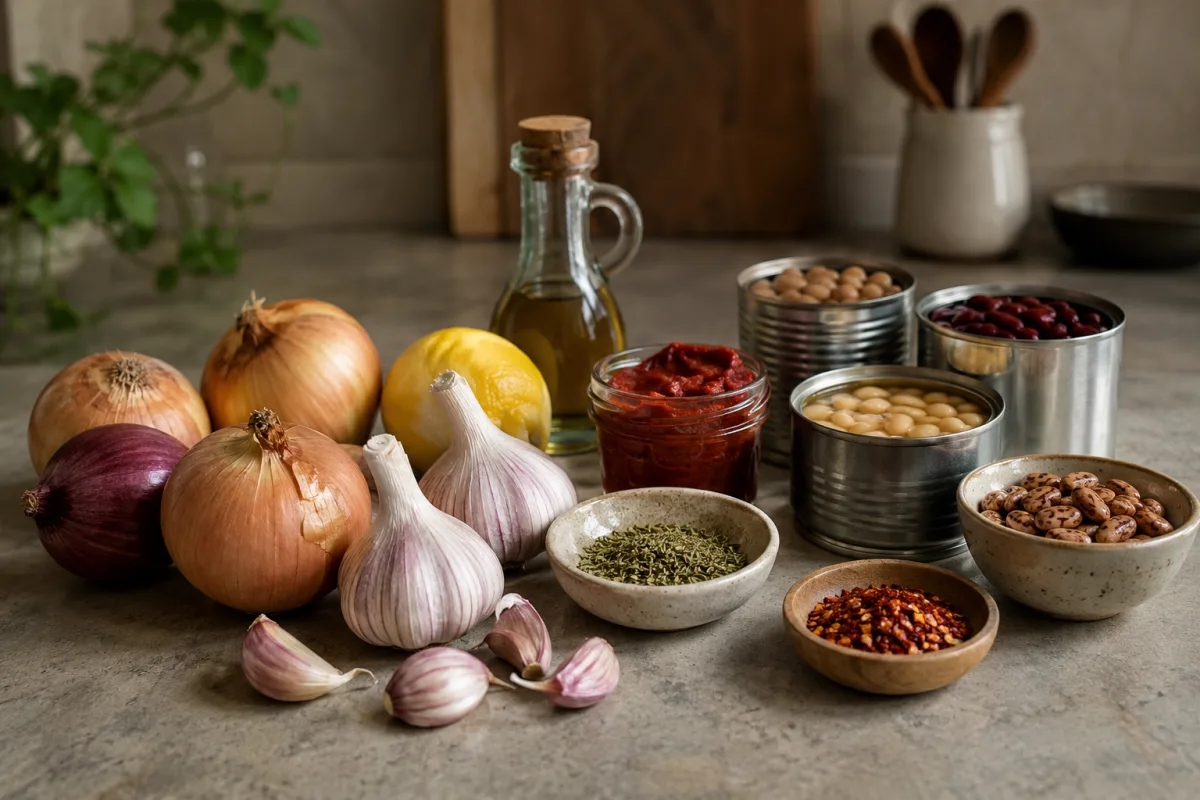
Onions, garlic, citrus, vinegar, mustard, soy sauce, fish sauce, chili flakes, dried herbs, tomato paste, anchovies, miso, Parmesan rinds, smoked paprika, and toasted nuts can change a meal quickly. You do not need all of them. Choose a few that match how you cook.
A small pantry of strong flavors makes simple ingredients taste intentional. Livecub's stir-fry sauces article is a good example: sauce structure can make inexpensive vegetables and proteins feel complete.
How Do You Use Meat Without Letting It Take Over The Budget?
Use meat as flavor, not always as the whole plate. Chicken thighs, ground meat, sausage, smoked turkey, or leftover roast can stretch through soup, pasta, beans, rice, or vegetables. Braising tougher cuts can also create rich meals at lower cost than premium steaks.
For a more ambitious cooking day, Livecub's goose cooking guide shows how planning matters with costly proteins. Budget cooking uses the same discipline, just with less expensive ingredients.
Can Frozen And Canned Foods Be Gourmet?
Yes. Frozen vegetables are often picked and frozen quickly, and canned tomatoes, beans, tuna, sardines, coconut milk, and chickpeas can be excellent pantry tools. The key is to drain, rinse, season, roast, simmer, or finish them thoughtfully.
Cleveland Clinic's healthy eating on a budget advice includes using frozen and canned produce as cost-conscious choices. A frozen pea puree, roasted frozen broccoli, or canned bean salad can taste far better than the price suggests.
How Do You Make Cheap Meals Feel Finished?
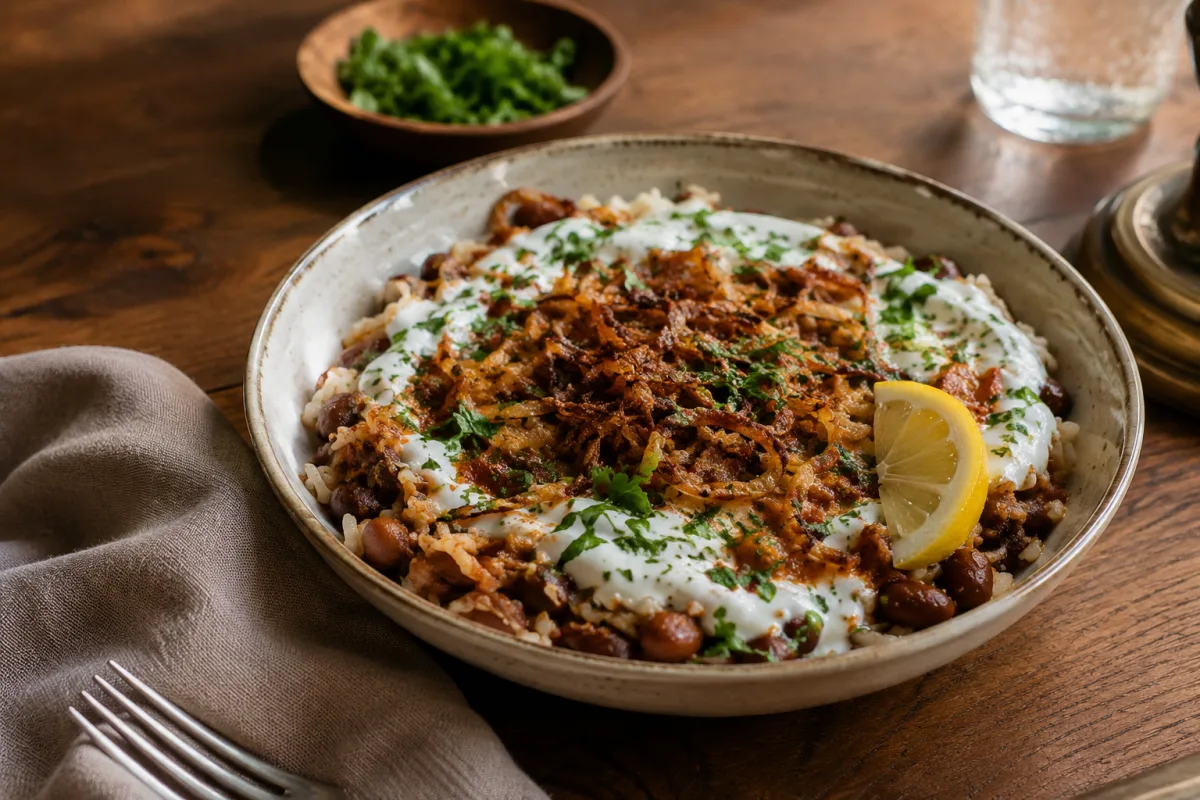
Add contrast. A soft soup needs crunch. A rich pasta needs acid. Beans need herbs, onions, oil, or vinegar. Rice bowls need something crisp and something saucy. Even a small garnish can make the plate feel finished.
Use toasted breadcrumbs, chopped herbs, lemon zest, yogurt, pickled onions, chili oil, crispy garlic, or a fried egg. The finish does not have to be expensive. It has to make sense.
How Do You Avoid Food Waste?
Plan leftover paths before cooking. Roasted vegetables can become soup, pasta, omelets, or grain bowls. Stale bread can become breadcrumbs, croutons, strata, or panzanella. Herb stems can flavor stock or sauces.
The USDA's healthy eating on a budget guidance emphasizes planning, comparing prices, and using what you buy. Waste is one of the quiet ways food costs climb.
What Techniques Make The Biggest Difference?
Browning, salting early, roasting at high heat, deglazing pans, simmering slowly, reducing sauces, and resting meat all make affordable food taste better. Technique is free once you learn it.
If your budget depends on produce lasting longer, Livecub's freezing fresh vegetables guide can help you save extras before they turn into waste.
How Do You Serve Budget Food Well?
Use warm plates when useful, slice meat neatly, add sauce around rather than drowning the dish, and keep the plate uncluttered. A bowl of lentils with a swirl of yogurt, herbs, and crisp onions can look better than an expensive meal thrown together carelessly.
Dessert can be simple too. Fruit, whipped cream, cookies, pudding, or one good chocolate sauce can end a meal without a bakery bill. Livecub's cookie display guide can help make small sweets feel special.
How Do You Build A Budget Dinner Party?
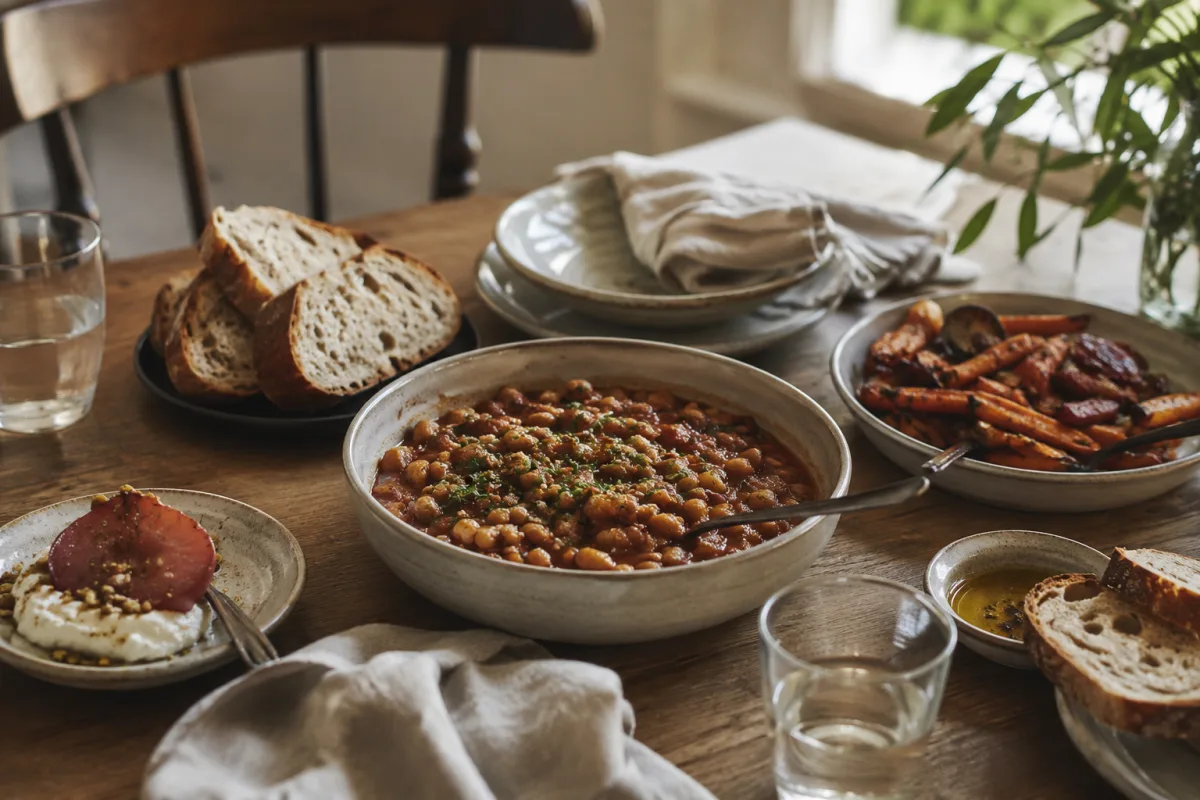
Serve one main dish that scales well, one vegetable, one starch, and one small dessert. Soup, braised beans, pasta, chili, curry, roast chicken thighs, or baked rice can feed people without constant last-minute work.
Put money into one detail guests notice: good bread, fresh herbs, a strong cheese, real butter, or a homemade dessert. Do not spread the budget thin across ten extras.
How Do You Shop Like A Budget Gourmet?
Shop with a short list and a flexible category. Instead of writing "asparagus," write "green vegetable." Instead of "salmon," write "fish or protein on sale." This lets the store's prices guide the final menu without turning dinner into a random cart.
Compare unit prices, check the marked-down produce area, and learn which stores are best for staples. A warehouse store may be good for rice but poor for herbs. A small market may have better seasonal produce. Budget cooking improves when you know where each ingredient makes sense.
What Makes A Cheap Dish Taste Expensive?
Texture and finishing. Toasted breadcrumbs, browned butter, crisp onions, fresh herbs, lemon zest, a spoon of yogurt, or a few shavings of hard cheese can make a humble dish feel finished. Use a little of the strong ingredient rather than a lot of a bland one.
Temperature matters too. Hot soup in a warm bowl, crisp toast beside soft beans, or chilled fruit with cold cream can feel cared for without a large bill.
How Do You Batch Cook Without Getting Bored?
Batch base ingredients, not full identical meals. Cook beans, rice, roasted vegetables, shredded chicken, or tomato sauce, then change the format during the week. A bean pot can become soup, tacos, dip, grain bowls, or a pasta topping.
Keep one bright sauce ready: yogurt with lemon, chili crisp, herb oil, salsa, vinaigrette, or garlic tahini. A small sauce changes leftovers faster than starting a new meal from zero.
How Do You Use A Small Luxury?
Pick one small upgrade instead of filling the cart with extras. A little aged cheese, good mustard, fresh herbs, toasted nuts, olives, or a single bakery loaf can make a simple meal feel cared for. The trick is using the upgrade where it can be noticed.
Do not hide the nicest ingredient inside a crowded casserole. Put it on top, at the table, or in the sauce where it changes the first bite. A budget meal can feel generous when the best detail is placed with purpose.
What Should You Cook When Money Is Tight?
Choose dishes that stretch: soups, bean stews, fried rice, frittatas, baked potatoes, pasta with greens, lentils, cabbage dishes, and roasted seasonal vegetables. These meals are flexible and forgiving.
Use the freezer as a tool. Freeze bread, cooked beans, stock, herbs in oil, and extra sauce. A small freezer stash can prevent a tired night from becoming expensive takeout.
Frequently Asked Questions
Can cheap ingredients taste restaurant-level?
Yes, if you season well, brown properly, finish with contrast, and serve with care.
What should I always keep in the pantry?
Rice, pasta, beans, canned tomatoes, oil, vinegar, onions, garlic, spices, and a few strong condiments are a good base.
Is meal planning required?
No, but it helps. Even a loose plan reduces impulse buys and waste.
How do I make leftovers feel new?
Change the format: soup to pasta sauce, roast vegetables to bowl, chicken to tacos, beans to dip.
Where should I spend more?
Spend where flavor changes most: herbs, acids, a good finishing oil, cheese, or one quality protein for the center of the meal.
What Is The Budget Gourmet Rule?
Buy ingredients that work hard, cook them carefully, and finish them with contrast. Budget gourmet cooking is not about copying luxury. It is about making ordinary food taste deliberate.

Timothy Davidson
Edits step-by-step general-interest guides for clarity, realistic limits and source verification.




Leave a reply
Replying to