

How to Be a Labor Coach is less about giving speeches and more about being steady. A good labor coach listens, protects the birthing person's preferences, helps with comfort, and stays flexible when the plan changes.
You are not replacing the medical team. You are the familiar person who helps the laboring person feel supported, heard, hydrated, and less alone.
Learn The Birth Preferences
Before labor, talk through the birth plan, pain relief preferences, visitors, photos, music, touch, words that help, and words that do not help.
Cleveland Clinic advises birth partners to prepare by learning labor signs, stages of labor, pain relief options, and birth positions: Cleveland Clinic labor support tips.
Pack Your Own Bag

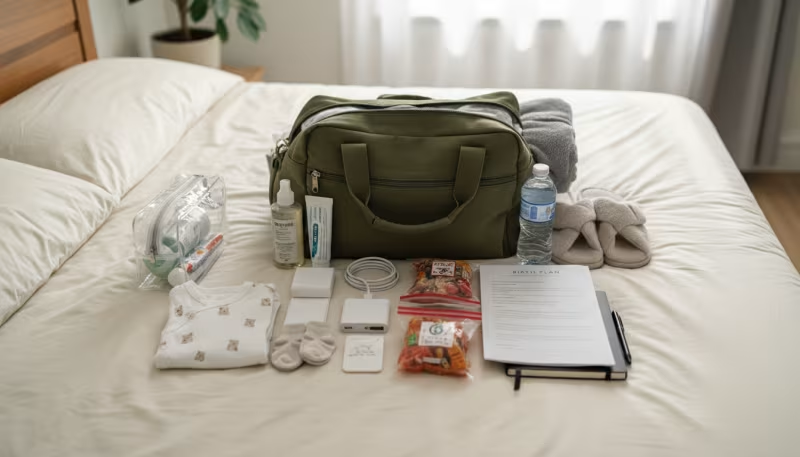
Bring snacks, water, phone charger, layers, glasses, medications, and a quiet activity. A hungry, distracted coach becomes another person to manage.
Do not pack only for the birthing person. Your job may last many hours.
Know Early Labor Support
Early labor may involve waiting, walking, resting, timing contractions, and deciding when to call the provider. Do not rush the person into panic.
Livecub's emotional support during early labor guide can help with the early phase before hospital routines begin.
Use Comfort Measures

ACOG says people in latent labor can be offered education, support, oral hydration, comfort positions, and non-drug pain management measures: ACOG labor support and comfort measures.
Comfort measures can include counterpressure, massage, heat, cold, breathing, position changes, shower, music, and quiet. Ask before touching.
Support Movement
Mayo Clinic notes that standing, walking, and swaying may help during the first stage of labor, and a labor partner can support swaying or back rubs: Mayo Clinic labor positions.
Your role may be a steady arm, a pillow mover, a water reminder, or the person who clears a path.
Use Few Words
During contractions, long coaching can irritate. Use short phrases the person chose earlier: breathe down, shoulders soft, I am here, one wave, sip water.
Between contractions, ask what helped and what should stop. Labor preferences can change quickly.
Protect Consent
Do not answer medical questions for the birthing person unless they asked you to. Help them ask: what are the options, benefits, risks, and time to decide?
A coach can slow the room enough for questions, but the birthing person remains the decision-maker whenever possible.
Manage The Room

Dim lights if allowed, reduce chatter, silence phones, control visitors, and keep the birth preferences visible. The room should serve the person in labor, not the audience.
If family pressure is high, be the polite gatekeeper.
Handle Your Own Fear
Labor can look intense. Do not make the birthing person comfort you. If you feel faint, scared, or overwhelmed, step back, breathe, and ask staff where to stand.
Practice a short pressure tool before the big day: slow exhale, relaxed jaw, and one useful task.
Food And Nausea
Ask the care team what eating and drinking are allowed. Some people want ice chips, water, or clear liquids; others feel nauseated.
Livecub's bland diets for pregnancy guide may help during pregnancy nausea, but labor intake rules come from the care team.
Support Intimacy And Privacy
The birthing person may want privacy, touch, no touch, prayer, music, or silence. Do not take changing preferences personally.
Livecub's staying intimate during pregnancy guide can help partners remember that closeness also means respect, timing, and consent.
Watch Mental Health
If the birthing person has anxiety, trauma history, depression, or fear from a prior birth, discuss support plans before labor.
Livecub's depression during pregnancy guide can help frame mental health questions for the care team.
After Birth
After birth, keep supporting: water, food if allowed, photos only with permission, help with the first calls, and protect rest.
The coach role does not end when the baby arrives. The first hours can still be emotional, medical, and exhausting.
Contraction Timing
If asked to time contractions, record start time, end time, frequency, and intensity pattern. Do not stare at the app more than the person.
Call the provider using the instructions they gave, not a rule from a stranger online.
Photos And Phones
Ask before taking photos or texting updates. Labor is not public content unless the birthing person says so.
Put the phone away during hard moments unless you are using it for music, timing, or communication they requested.
Learn The Hospital Rules
Ask about support person limits, food rules, tub or shower use, photography, visitor policy, and when to arrive. Rules vary by hospital and situation.
Knowing the rules ahead of time helps the coach avoid arguing during labor.
Use Touch Only With Permission
A back rub may help at one moment and annoy the next. Ask: pressure, no pressure, or different spot? Then listen to the answer.
Consent applies to comfort measures too. The birthing person does not need to protect your feelings while in labor.
Advocacy Without Fighting
Advocacy is not yelling at staff. It is helping the birthing person ask questions, repeat preferences, and understand what is happening.
If an urgent medical situation changes the plan, stay calm and help the person hear the explanation.
Second Stage Support
During pushing, the best coaching may be quiet encouragement, counting only if requested, holding a leg if asked, or simply staying close.
Do not crowd the medical team. Ask where to stand and what is useful.
Recovery Room Help
After birth, protect quiet, help with water and food if allowed, manage messages, and ask before inviting anyone in.
The birthing person may be shaking, emotional, sore, hungry, or overwhelmed. Keep support practical.
Before The Due Date
Install the car seat, know the route, save provider numbers, and ask where to park. A calm drive starts before contractions.
Keep the hospital bag visible and do not borrow items from it casually.
During Waiting
Labor can include long quiet stretches. Be patient. Do not keep asking if the baby is coming soon or fill the room with nervous chatter.
Your calm presence is part of the support.
If Plans Change
Birth plans are preferences, not contracts with the body. If induction, cesarean birth, monitoring, or medication enters the plan, help the person ask questions.
Flexibility does not mean preferences did not matter. It means safety and reality joined the conversation.
After Hard Moments
If a contraction, exam, or decision was hard, help reset the room afterward: water, cool cloth, quiet, reassurance, and fewer people talking.
Small resets can keep one hard moment from taking over the whole labor.
Remember The Baby Is Not Your Only Focus
After birth, everyone may look at the baby. Keep watching the person who gave birth: bleeding, pain, shaking, emotions, thirst, and exhaustion.
Ask what they need before announcing what everyone else wants.
Know The Preferences For Pain Relief
Ask before labor what pain relief options the birthing person wants to consider and what they want if they change their mind.
Your job is not to police an old preference. It is to support the person making decisions in real time.
Use Names
Learn the names of nurses, midwives, doctors, doulas, and support staff. Names make questions more human and communication clearer.
A respectful tone helps the whole room work better.
Keep Hydration Visible
If drinking is allowed, offer small sips between contractions. If not, ask staff what comfort options are allowed.
Do not argue about intake rules in the middle of a contraction. Ask between waves.
Know When To Be Quiet
Sometimes the best coaching is silence, eye contact, and a hand to squeeze. Not every contraction needs words.
If the person says stop talking, stop talking. That is successful coaching.
Frequently Asked Questions
What does a labor coach do?
A labor coach offers emotional support, comfort measures, advocacy help, hydration reminders, room management, and steady presence during labor.
Should a labor coach take a class?
A childbirth class can help. It teaches labor stages, comfort measures, timing contractions, and what questions to ask.
What should a labor coach say during contractions?
Use short phrases chosen ahead of time. Long speeches are often too much during contractions.
Can a labor coach make medical decisions?
Usually no. The coach can help ask questions and protect preferences, but the birthing person makes decisions when able.
What should a labor coach bring?
Bring snacks, water, phone charger, layers, medication, notes, and anything needed to stay steady through a long day.
A good labor coach prepares early, uses few words, supports comfort and movement, protects consent, manages the room, and stays useful after birth.

Chiara Bradshaw
Covers education, culture and creative topics with an emphasis on readable explanations and verifiable references.



Leave a reply
Replying to