

A brighter office is not just a prettier desk. It is easier to read, easier to move through, less visually tiring, and more pleasant to return to after a meeting. This guide on how to brighten up an office work setting keeps the advice practical: light, glare, color, storage, air, plants, personal items, and shared-space manners.
What should you fix first?
Start with what affects work most: lighting, glare, clutter, chair position, screen position, and paths through the room. A vase or poster will not help much if the monitor reflects a window or the desk is buried under paper.
OSHA's computer workstation eTool gives workplace setup guidance, and its computer workstation resource is useful when brightening an office also means making the workstation easier to use.
For personal desk choices, Livecub's office cubicle personalization guide fits well with the idea of improving a workspace without ignoring coworkers.
How can lighting be improved without causing glare?
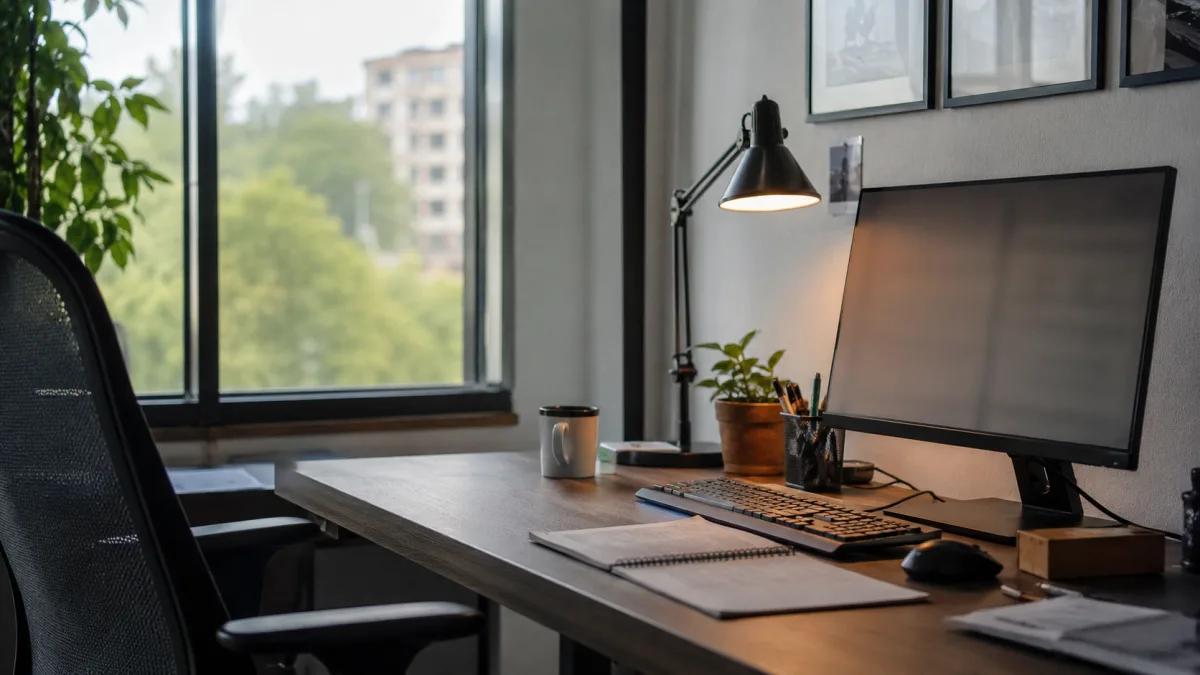
More light is not always better. The goal is usable light. Move screens so windows are not directly behind or in front of them, adjust blinds, add a task lamp where allowed, and avoid shiny surfaces that bounce light into the eyes.
OSHA's workstation material discusses monitor position and glare control. The OSHA monitor guidance is a useful reference when glare is part of the problem.
Bright should not mean harsh. If people squint, lean forward, or turn off lights to see the screen, the lighting plan needs work.
What colors make an office feel lighter?
Use color to reflect light, not overwhelm the room. Soft white, warm gray, muted green, pale blue, and light wood can make a work area feel cleaner without turning it into a showroom. Strong colors work better as small accents.
Walls and panels
If painting is allowed, choose a calm color that works under the actual office lighting. If painting is not allowed, use removable art or pinboard material within policy.
Desk items
Choose a few useful items in coordinated colors: tray, pen cup, notebook, lamp, or plant pot. Too many decorative pieces become visual noise.
Shared spaces
Keep shared areas neutral and easy to clean. A break room or reception area should not depend on one person's taste.
How does decluttering brighten a workspace?
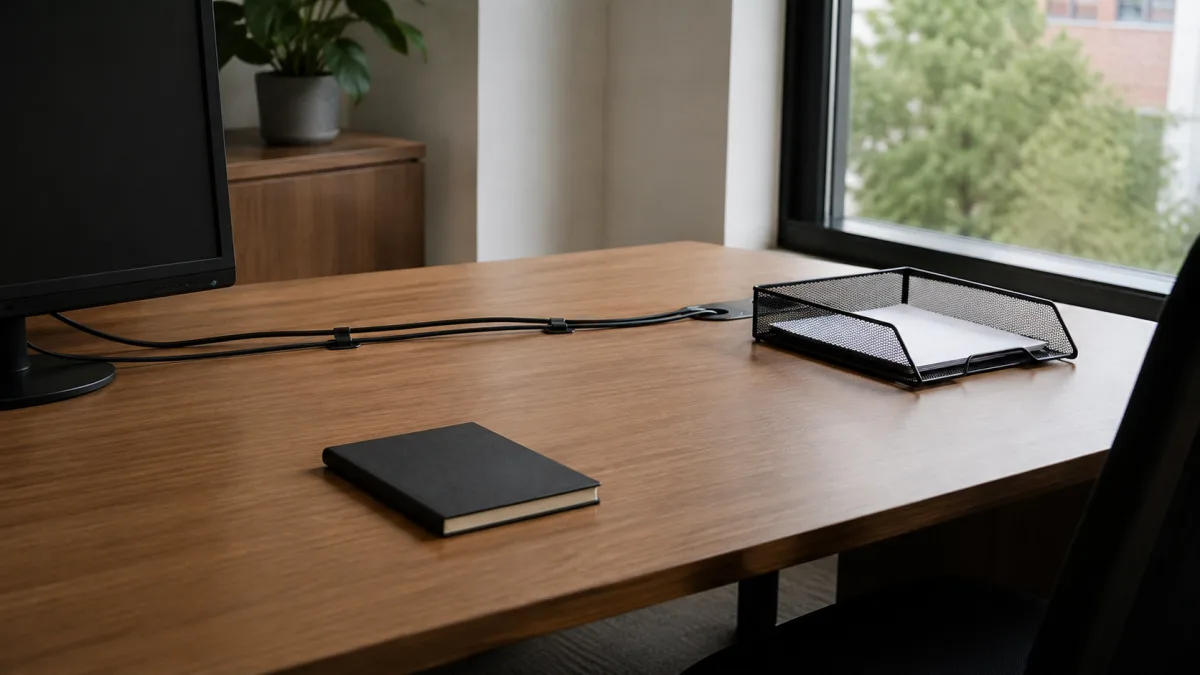
Clutter absorbs attention. Clear old papers, dead pens, duplicate cords, empty boxes, and supplies that belong somewhere else. Use one tray for active work and one place for incoming items so the whole desk does not become a holding zone.
Do not hide everything in random drawers. Label storage if several people use it, and keep frequently used items within reach. A bright office should also be easy to maintain on a busy day.
Livecub's receptionist and administrative duties guide is relevant because front-office roles often depend on clear surfaces, quick access, and calm organization.
How can layout make an office feel brighter?
Move bulky items away from natural light where possible. Keep walkways open, avoid blocking vents, and place tall storage where it does not make the desk feel boxed in. Even a small shift in furniture can make light travel farther.
Think about what people see when they enter. A clear first view makes the room feel calmer. A pile of deliveries, tangled cords, or an overflowing recycling bin near the door makes the office feel darker before anyone reaches the desk.
Open space is a visual tool. You do not need an empty room, but you do need places where the eye can rest.
What should you do with cords and paper?
Cords can make a clean desk look unfinished. Use cable clips, ties, sleeves, or a simple route behind the desk if workplace policy allows. Keep chargers labeled when several people share the same area.
Paper needs a current home and an archive home. Active files can sit in one tray. Reference papers can move to folders. Old printouts should be scanned, filed, shredded, or recycled according to office rules.
A bright office is not paperless by default. It is an office where paper does not spread without a decision.
Can plants help an office feel better?
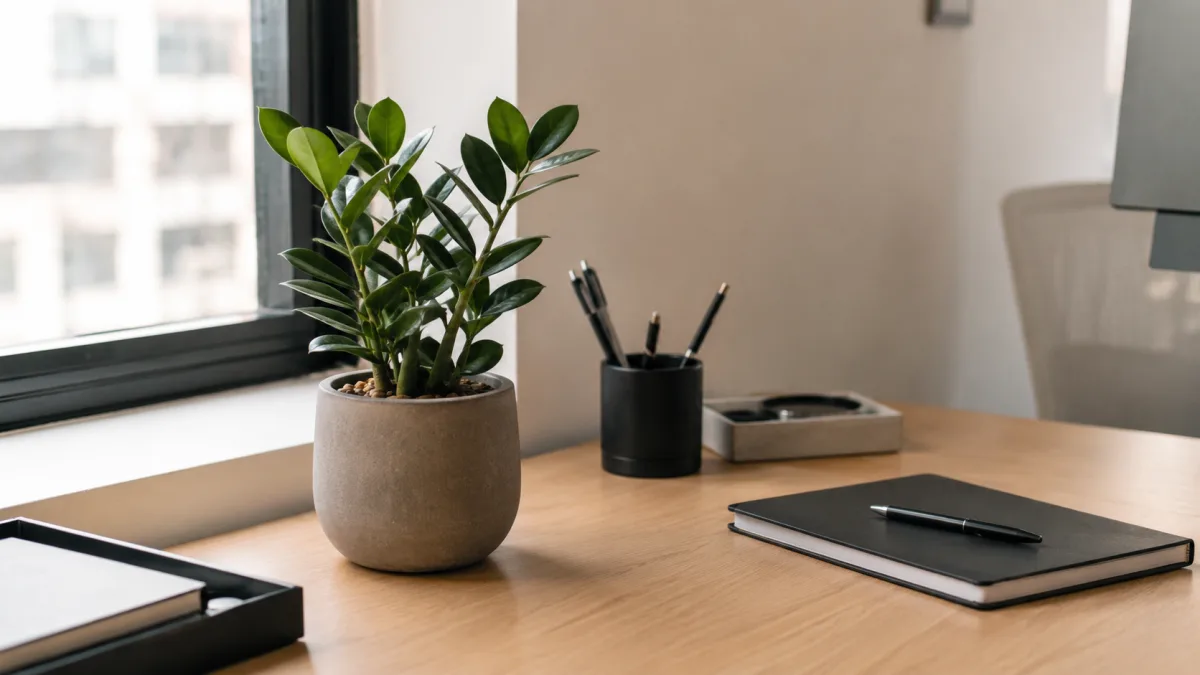
Plants can soften a workspace and add color, but they have to fit the conditions. Choose low-maintenance plants, check light needs, use saucers, and assign care if the plant is in a shared area. Dead or overwatered plants make a room feel neglected.
Use plants as accents, not obstacles. Keep them away from walkways, vents, sensitive equipment, and papers that can be damaged by water.
A plant should make the desk easier to like, not create one more office chore nobody owns.
What about air quality and comfort?
Brightness is also about how the room feels. Stale air, blocked vents, strong fragrances, dust, and heat can make even a clean office unpleasant. Report ventilation problems through the right workplace channel instead of trying to mask them with candles or sprays.
The EPA has guidance for office building occupants on indoor air quality, and its office indoor air quality guide is useful for understanding common building concerns and reporting paths.
If fatigue is part of the office problem, Livecub's stay awake at work guide pairs well with lighting and break habits.
How do you brighten an office on a small budget?
Start with cleaning, rearranging, and removing what no longer belongs. Then add low-cost changes: a better bulb if policy allows, a desk mat, a plant, a small framed print, cable clips, a tray, or a fresh calendar.
Spend where the annoyance is. If glare is the problem, a plant will not fix it. If clutter is the problem, a lamp will only light the mess.
Before buying anything, take a photo of the workspace at the start of the day and near the end. The photo will show piles, dark corners, glare, and awkward storage that the eye has stopped noticing.
How can shared spaces be made brighter?
Shared spaces need simple standards more than decoration. Clean bulletin boards, readable signs, empty trash on schedule, and put supplies in the same place every time. A shared room feels brighter when nobody has to hunt for basics.
In break rooms, keep counters clear, remove expired food, and avoid decorations that make cleaning harder. In reception areas, use neat seating, visible information, and one or two calm accents instead of a shelf full of unrelated items.
Shared brightness is mostly maintenance. If nobody owns the reset, the room slides back.
How should shared-office changes be handled?
Ask before changing shared light, scent, music, wall decor, or storage. Brightening a work setting should not create a new conflict. Keep walkways clear, avoid strong fragrances, and do not take over shared shelves with personal items.
If the office mood is affected by behavior rather than layout, Livecub's guide to rude coworker behavior is a better fit than decorating advice.
What office brightening ideas should be avoided?
Avoid scented candles, blocked exits, dangling lights, plants that leak, posters that violate policy, and personal items that make clients or coworkers uncomfortable. Avoid anything that creates more dust, glare, tripping risk, or cleanup work.
Also avoid copying home decor too closely. Offices need to support focus, privacy, visitors, cleaning, and emergency access. Warmth is good; cluttered coziness can become a work problem.
How do you keep the office bright over time?
Set a weekly reset. Clear the desk, wipe surfaces, return shared supplies, check plants, remove old notices, and review what is collecting in corners. Ten minutes each week is easier than a full office rescue every few months.
Make the standard visible through habit, not signs everywhere. When people know where supplies go and what clear surfaces should look like, the office stays lighter with less discussion.
Frequently Asked Questions
What is the fastest way to brighten an office?
Clear clutter, clean surfaces, adjust glare, and add one useful light source if workplace rules allow it.
Can I use plants in a small office?
Yes, if the plant fits the light, does not block work, and has someone responsible for watering and cleanup.
What if I cannot paint or change furniture?
Use movable items: desk tray, lamp, approved art, plant, cable clips, lighter desktop items, and better organization.
How do I avoid annoying coworkers?
Keep scents mild or absent, ask before changing shared areas, avoid blocking paths, and follow workplace policy.
A brighter office should still work like an office. Improve light, reduce visual noise, respect shared space, and choose changes you can maintain.

Linda Fehrman
Edits general wellness and relationship explainers. Health material is educational, avoids diagnosis and links to health-authority guidance.

Leave a reply
Replying to