How Decision Fatigue Affects Your Daily Productivity
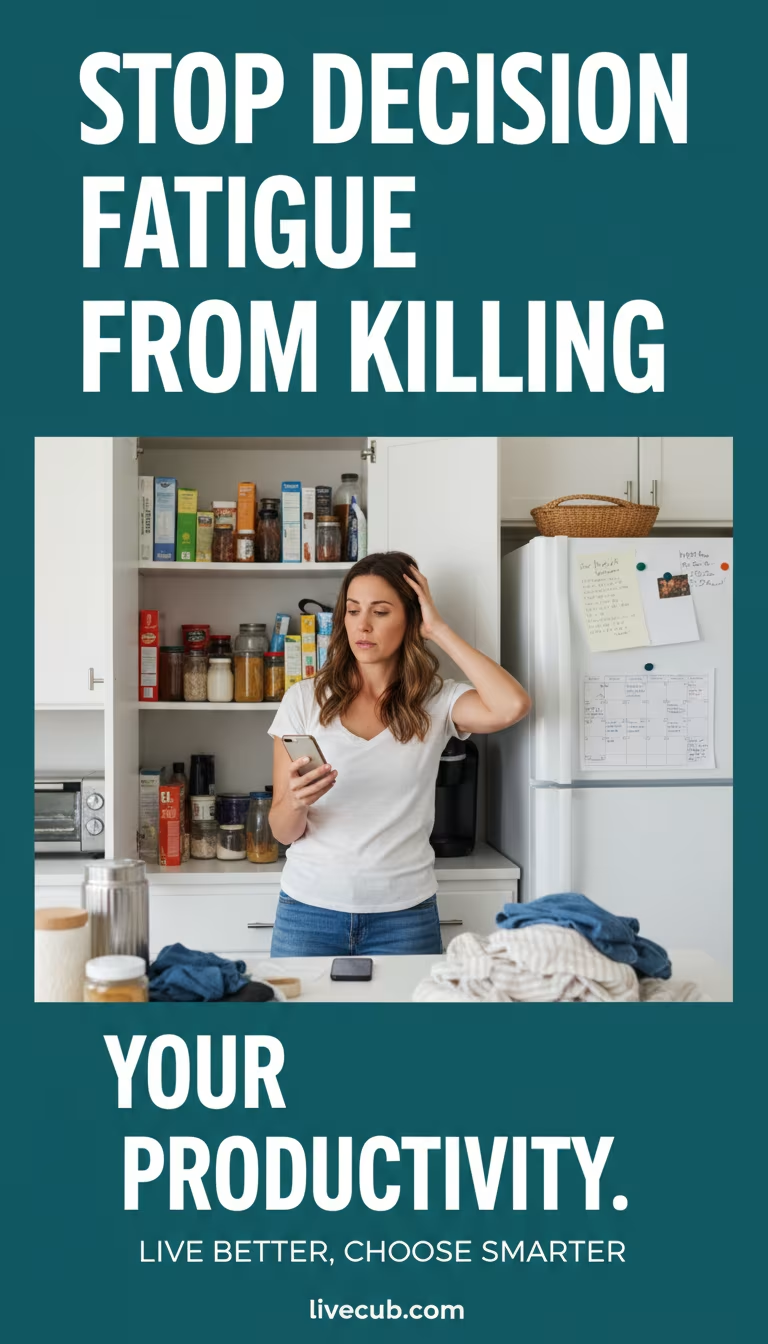
Ever get to the end of your day feeling completely drained, not necessarily from physical exertion, but from just… making decisions? You know the drill: you wake up, hit snooze (a micro-decision!), then stare at your closet wondering what to wear. Should it be the blue shirt or the striped one?
Heels or flats? Then it's breakfast – oatmeal or toast? Coffee or tea?
Before you even step out the door, you’ve probably made a dozen choices, each one chipping away at your mental energy. By the time you get to the big stuff, like that important project at work or a tricky family matter, your brain feels like a worn-out sponge. What gives?
Welcome to the subtle but powerful world of decision fatigue, and trust me, it’s a bigger drain on your daily productivity than you might realize.
Why This Matters
Here's the thing: every single choice you make, no matter how small, consumes a tiny bit of your mental energy. We often think of productivity as managing tasks and time, but we rarely consider how managing our mental resources plays into that equation. Think about it.
Our modern lives are brimming with choices. From what to stream on Netflix tonight, to which email to answer first, to what brand of organic kombucha to buy – the options are endless, and they're constantly vying for our attention. When our brains are constantly engaged in this high-stakes internal debate, we start to experience decision fatigue.
It's like a muscle that gets tired from overuse. When that "decision muscle" is fatigued, our ability to make sound judgments decreases, we become more impulsive, and frankly, we just don't feel as productive or effective.
I’ve definitely been there. There have been days when I've spent so long agonizing over a blog post title that by the time I actually started writing, my creativity felt zapped. Or I'd put off cooking dinner because the thought of choosing a recipe and then the ingredients felt like climbing Everest.
It's not laziness; it's a real cognitive phenomenon. Understanding decision fatigue isn't just about buzzwords; it's about reclaiming your mental clarity, boosting your focus, and making sure you have enough energy left for the things that truly matter. It's about designing a life where you're making choices intentionally, rather than just reacting to a barrage of options.
And let’s be honest, who doesn't want more brainpower for the really good stuff?
Understanding Decision Fatigue: What It Is and How It Shows Up
So, what exactly *is* decision fatigue? Psychologist Roy F. Baumeister coined the term, explaining that the act of making choices, much like any cognitive task, depletes a limited mental resource.
It's not just about getting tired from thinking hard; it's a specific type of mental exhaustion that arises from the cumulative effect of making decisions. Every time you weigh pros and cons, assess risks, or simply pick between two equally appealing options, you’re dipping into your finite well of willpower and executive function.
And when that well runs dry, your brain starts looking for shortcuts.
This is why you might find yourself making impulsive purchases at the grocery store after a long day at work, or why you snap at your partner over a trivial matter in the evening. Your brain is trying to conserve energy by either avoiding decisions altogether (procrastination) or defaulting to the easiest, often less optimal, choice.
It impacts everyone, from CEOs making multi-million dollar deals to stay-at-home parents juggling childcare and household management. In my own experience, after a particularly intense period of product development for a new online course, I found myself paralyzed by simple choices, like what color socks to wear or which podcast to listen to.
It felt silly, but the mental exhaustion was undeniable. Recognizing how it manifests in your daily life is the first step toward combating it. We often attribute these feelings to general stress or being "unproductive," when really, it's our brains waving a white flag from too many choices.
Recognizing the Red Flags
How do you know if decision fatigue is sneaking up on you? Look for these common signs:
- Procrastination & Indecisiveness: You find yourself putting off important tasks because starting them requires too many initial decisions. Or, you spend an inordinate amount of time on seemingly simple choices, like picking a restaurant for dinner. You might even feel a sense of dread when faced with a list of options, preferring to just have someone else decide for you. In my early days as a freelancer, I’d often delay tackling big projects because the sheer volume of choices involved – from setting up the document to structuring the content – felt overwhelming. I just wanted someone to tell me exactly what to do.
- Irritability & Poor Choices: As your decision-making capacity dwindles, so does your patience. You might find yourself more easily frustrated by minor setbacks or snapping at loved ones. When we're mentally exhausted, our self-control takes a hit. This often leads to impulsive decisions that we regret later – like buying that super expensive gadget you don't need, or making a snarky comment that just adds to the tension. It's not that you're a bad person; your brain is just too tired to apply its usual filters and foresight.
- Mental Exhaustion & Reduced Focus: This is perhaps the most obvious sign. You feel mentally drained even without much physical activity. Concentrating becomes harder, and you might find yourself staring blankly at your screen, unable to string together a coherent thought. Your ability to engage in deep work or creative thinking is severely diminished. It's that feeling where you know you *should* be doing something, but your brain just says, "Nope, can't compute."
Strategies for Conquering Your Morning Mayhem
Mornings are often the worst culprits for decision fatigue because we’re fresh out of sleep and trying to get a running start on the day. But they’re also an incredible opportunity to take control. Think about it: every decision you eliminate or simplify before 9 AM frees up precious mental energy for the truly important stuff later.
For me, mastering my mornings was a total game-changer, not in the AI sense, but in the actual, practical sense of feeling more in control of my day. I used to spend twenty minutes just trying to pick out an outfit, only to feel stressed and rushed. Now, my mornings are significantly smoother, and I actually enjoy them.
It's all about reducing the number of micro-decisions you face right after you open your eyes.
One powerful strategy is to establish routines. Routines are essentially pre-made decisions. When you routinize a part of your day, you’re telling your brain, "Hey, don't worry about this, it's already handled." This doesn't mean every morning has to be identical, but having a general framework dramatically reduces cognitive load.
For instance, knowing you always make coffee first, then check a specific news source, then do a quick five-minute stretch, takes away those "what next?" moments that slowly eat away at your reserves. It's about designing your environment and your schedule so that autopilot takes over for the low-stakes decisions, leaving your willpower and focus for the challenges that truly require your conscious attention.
Let's look at some specific ways to implement this.
Streamlining Your A.M.
- The Power of the Prep: Before you even go to bed, do a quick mental run-through of your next morning. Lay out your clothes for the next day. Pack your lunch. Gather your bag with everything you'll need for work or errands. If you hit the gym, get your gym bag ready. Even having your coffee mug and grounds prepped can save you a decision point. I started doing this a few years ago, and I swear, those five extra minutes in the evening save me twenty minutes of frantic searching and deciding in the morning. It makes such a difference in starting the day with a feeling of calm instead of chaos.
- Outfit Automation: This is a big one. Think about successful people like Steve Jobs or Mark Zuckerberg, known for their "uniforms." They intentionally eliminated a daily decision. While you don't have to wear the exact same thing every day, you can create a capsule wardrobe with interchangeable pieces that always look good together. Or, simply decide on your outfits for the week on Sunday evening. What I love about this is that it takes the mental load out of a low-stakes decision that often feels high-stakes when you’re in a rush. No more "I have nothing to wear!" moments when you're already running late.
- Breakfast Brain Boost (or Pre-Decide): What are you eating for breakfast? This can be a surprisingly time-consuming decision. The best way to combat this is to have a few go-to options, or better yet, prep your breakfast the night before. Overnight oats, pre-portioned smoothie ingredients in the freezer, or even just deciding on cereal and milk the night prior means one less thing to think about when you're still half-asleep. After trying a 30-day "oatmeal every weekday" challenge, I found I had so much more mental clarity for actual work when I wasn’t agonizing over breakfast.
Optimizing Your Workday: Making Smarter Choices, Effortlessly
The workday is a minefield of decisions, isn’t it? Which email to answer first, what task to tackle next, how to structure that report, whether to grab a coffee or push through – it’s constant. If you’re not careful, by lunchtime, your decision-making capacity can already be significantly diminished, leaving you prone to errors and procrastination in the afternoon.
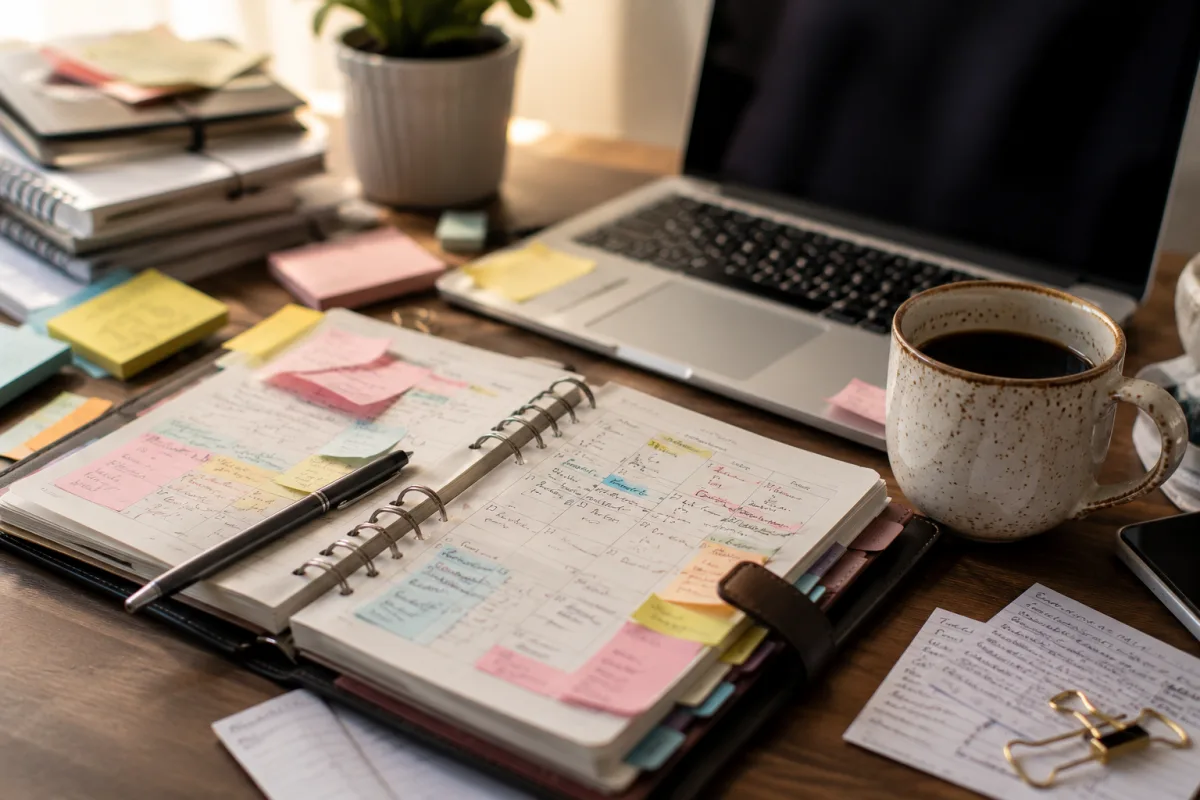
This isn’t about working harder; it’s about working smarter by protecting your cognitive energy for the tasks that truly demand it. In my years running a blog and managing various projects, I've learned that simply having a to-do list isn't enough; you need strategies to actually *choose* what to do *from* that list.
One approach I swear by is limiting the number of major decisions you schedule for a given day. If you know you have a complex problem to solve or a creative brainstorming session, try to clear out as many minor decisions as possible around it. Save the mundane administrative tasks for when your decision-making reserves are naturally lower.
This often means front-loading your most important, decision-heavy work into the morning hours when your mental well is fullest. Think of your brain like a battery; you want to use its charge wisely, deploying its full power for the most impactful challenges. It's amazing how much more productive you feel when you're not constantly switching gears between high-stakes and low-stakes choices.
Boosting Productivity, Banish Burnout
- Task Batching & Time Blocking: Group similar tasks together and schedule specific blocks of time to tackle them. For example, dedicate one hour in the morning to answering all emails, another hour for writing, and an afternoon block for administrative tasks or meetings. This reduces the number of times your brain has to switch contexts and make "what next?" decisions. When I started batching all my social media content creation for the week into one single block on Monday mornings, it dramatically cut down on the daily "should I post this now?" indecision and freed up my brain for more complex client work.
- The Two-Minute Rule: If a task takes less than two minutes to complete, do it immediately. Don't add it to a to-do list; don't think about it. Just do it. This might be replying to a quick email, filing a document, or making a short phone call. The benefit? It prevents small tasks from piling up and becoming a source of decision fatigue later on. The cumulative weight of a dozen tiny, undecided tasks can be just as exhausting as one big one. Plus, it gives you a small win, boosting your momentum.
- Automate Low-Stakes Decisions: Look for opportunities to set up default choices. Do you always order the same coffee? Tell the barista your usual as soon as you get there. Do you have a recurring meeting agenda? Create a template. For certain projects, maybe you always use the same font or document format. These micro-automations might seem trivial, but they add up. In my creative work, I’ve found that having a pre-set color palette and font pairing for different types of content means I don’t waste precious creative energy deciding on aesthetics every single time. It allows me to jump straight into the message.
Beyond the 9-to-5: Protecting Your Personal Time
Decision fatigue doesn't clock out when you do. In fact, for many of us, the evening and weekend hours can be just as, if not more, saturated with choices. What to cook for dinner?
Which show to watch? Should we go out or stay in? What errands need running?
These seemingly simple decisions can become sources of major friction, leading to arguments with loved ones, takeout menus becoming your default, or just spending hours scrolling without actually *doing* anything enjoyable. And who wants to feel exhausted by their leisure time? The goal here is to create space for genuine relaxation and connection, not more mental gymnastics.
Protecting your personal time from decision fatigue is about being intentional with your downtime. It’s about recognizing that your brain still has a finite capacity, even when you're not on the clock. I've heard countless friends complain about how their weekends often feel just as stressful as their weekdays, largely because they haven't set any boundaries or created any "decision-free zones." What I've learned is that proactively deciding on some aspects of your personal life can massively improve your quality of life.
It’s not about being rigid; it’s about freeing up mental space so you can actually *be present* and enjoy your non-work hours. When you reduce the mental load, you open up room for spontaneity and true rest, which is what personal time should be all about, right?
Reclaiming Your Evenings and Weekends
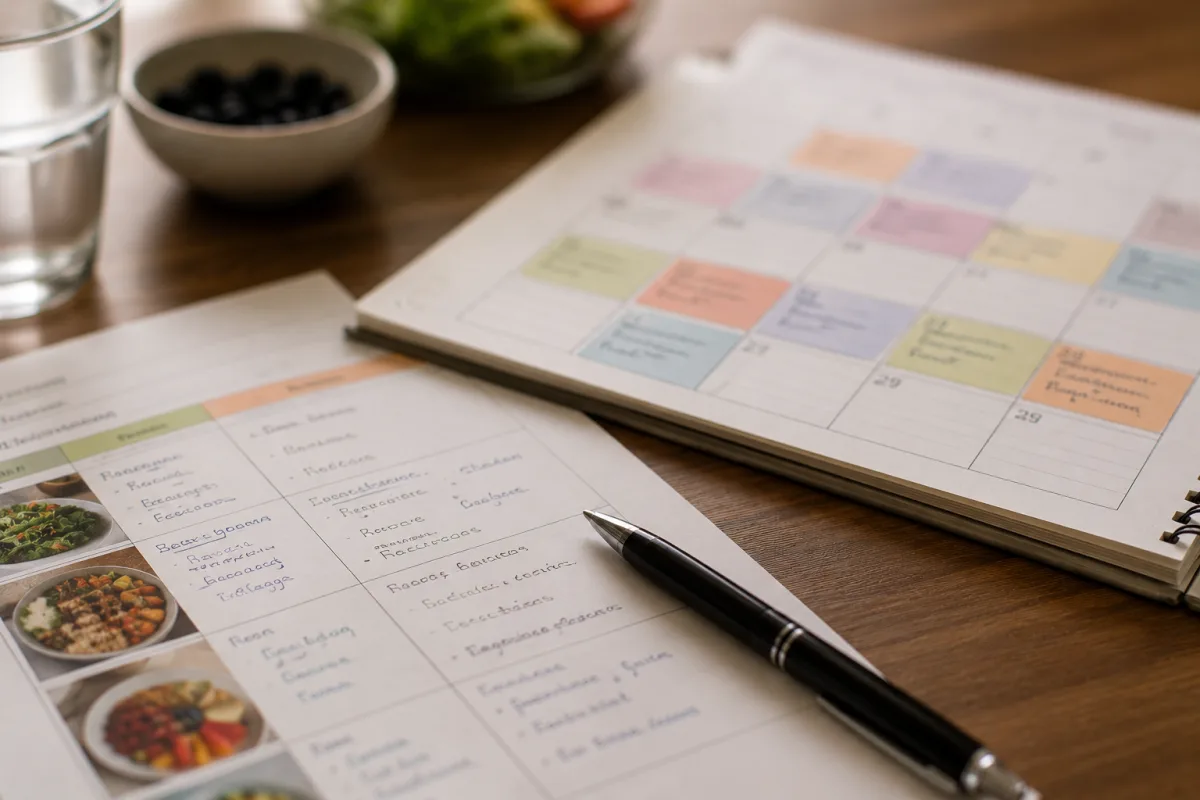
- Meal Planning Magic: This is a powerful tool against evening decision fatigue. Instead of staring into the fridge at 6 PM, exhausted and hungry, asking "What's for dinner?", plan your meals for the week. You can do this on a Sunday, shopping for ingredients then. Not only does this save decision energy, but it often leads to healthier eating and saves money. My partner and I started this about a year ago, and it's practically eliminated our "what do you want? I don't know, what do *you* want?" nightly arguments. Now, we just execute the plan.
- Digital Detox Boundaries: The endless scroll on social media, the countless streaming options, the constant notifications – these are all sources of subtle decision fatigue. Do you watch another episode? Scroll through more feeds? Reply to that message? Set boundaries. Designate "no-phone zones" or "no-streaming evenings." Perhaps Sundays are completely screen-free after lunch. Removing the *option* to decide can be incredibly liberating. I've found that having a "no social media after 8 PM" rule helps me wind down and frees my mind for actual conversation or reading.
- Pre-planning Social Engagements: When friends ask "What do you want to do this weekend?", instead of launching into a long debate, have a few pre-vetted ideas ready. Or, rotate who makes the decision each time. For family outings, have a standing tradition for certain days, like "Saturday is park day" or "Sunday is board game day." When you've already established a loose framework for your social life, it means you can truly relax and enjoy the company, rather than expending energy on coordination. After a particularly busy week, the last thing I want to do is navigate a group chat trying to pick a restaurant. Having a default "pizza night at home" option saves my sanity!
Common Mistakes to Avoid
While the goal is to reduce decision fatigue, it's easy to fall into some common traps that actually make things worse. Don't beat yourself up if you've done some of these; we all have! The key is recognizing them and making adjustments.
One big mistake I see, and have certainly been guilty of myself, is trying to implement too many changes at once. You hear all these great tips and suddenly you're trying to overhaul your entire life in a single weekend. That's a recipe for overwhelm and, ironically, more decision fatigue!
Start small, pick one or two areas, and build from there. Another pitfall is thinking that all decisions are equal. They're not.
Some decisions genuinely require more thought and energy, and trying to rush those can lead to poor outcomes.
Also, beware of the illusion of control. Sometimes we think by meticulously planning every single detail, we're reducing decision fatigue, but we're actually just shifting the fatigue to the planning stage. The aim isn't to eliminate *all* decisions (that's impossible and undesirable!), but to automate the mundane and protect your capacity for the meaningful.
Don't fall into the trap of becoming so rigid that you lose spontaneity and joy. Life is about balance. Finally, resist the urge to compare yourself to others.
What works for one person's brain might not work for yours. Find your rhythm, experiment, and be kind to yourself through the process.
Expert Tips: Taking Your Anti-Fatigue Efforts Up a Notch
Ready to go beyond the basics and really master decision fatigue? These expert-level strategies can help you fine-tune your approach and build even greater resilience. One tip that has been particularly powerful for me is adopting a "decision journal." This isn't just a regular journal; it's a dedicated space where you log your important decisions, the reasoning behind them, and the expected outcomes.
Then, later, you review the actual outcomes. This helps you understand your own decision-making patterns, identify where you might be overthinking or underthinking, and learn from your choices without judgment. It’s like a personalized training program for your brain.
Another advanced technique is to proactively schedule "decision-making time." Instead of letting decisions pop up and derail your flow throughout the day, dedicate specific blocks (e.g., 10 AM to 10:30 AM and 3 PM to 3:30 PM) to reviewing options and making choices. This trains your brain to expect and prepare for decision-making, rather than being constantly surprised by it.
It’s about channeling that energy into a focused period. Also, consider the "default effect." When possible, set up systems where the best choice is the default. For instance, if you're trying to eat healthier, make sure healthy snacks are always visible and easily accessible, while less healthy options are hidden away or harder to get.
This makes the healthy choice the path of least resistance, requiring less active decision-making. Finally, don't underestimate the power of physical well-being: sufficient sleep, regular exercise, and a balanced diet are foundational to robust cognitive function. You can't out-optimize a truly exhausted brain.
Final Thoughts
Whew! We've covered a lot, haven't we? The biggest takeaway here is that decision fatigue is real, it affects all of us, and it has a significant impact on our daily productivity and overall well-being.
But the good news is, you're not powerless against it. By understanding its mechanisms and intentionally implementing strategies to reduce unnecessary cognitive load, you can reclaim your mental energy, make better choices, and feel more in control of your day. Imagine finishing your workday not feeling completely zapped, but with enough mental juice left to genuinely enjoy your evenings and weekends.
That's the goal!
Start small. Pick one area, maybe your morning routine or your evening meal planning, and try one or two tips for a week. Notice the difference.
You might be surprised at how much calmer, more focused, and ultimately, more productive you become. This isn't about becoming a robot; it's about freeing up your brainpower for creativity, connection, and the decisions that truly define your life. So go ahead, give your brain a break, and watch how your daily productivity, and your peace of mind, soar.
You've got this!
Save for later
Found this helpful?
Pin this article to your Pinterest board and come back to it whenever you need a reminder.
Save to Pinterest