
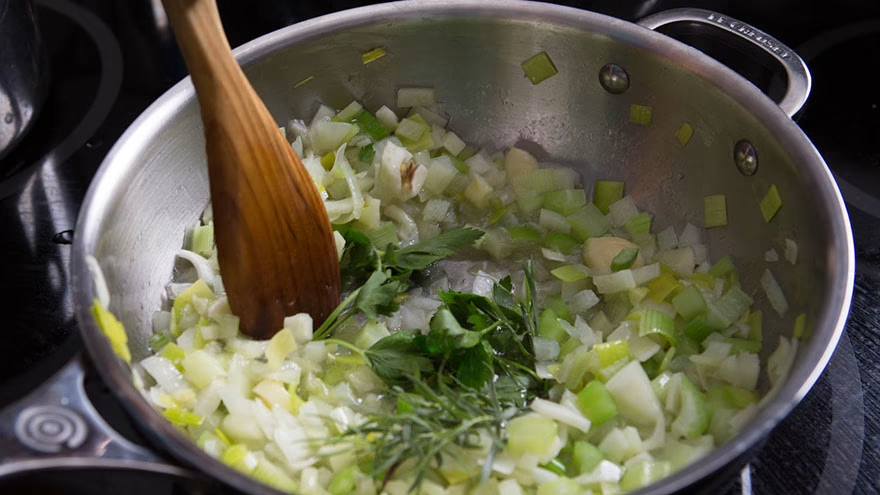
Cooking up a sweat sounds like a joke until a recipe asks you to sweat onions, carrots, celery, garlic, leeks, mushrooms, or other aromatics. In cooking, sweating means softening food gently in a little fat without browning it. The food releases moisture, becomes tender, and gives the pan a quiet flavor base for soups, sauces, braises, rice dishes, and stews. It is different from sauteing and caramelizing because the goal is mellow flavor rather than color.
What does sweating mean in cooking?
Sweating is low or medium-low heat cooking in a small amount of oil, butter, or other fat. The food should sizzle softly, not snap loudly. Vegetables often look glossy and slightly translucent when they are ready.
Serious Eats describes sweating vegetables as a gentle-heat technique that softens vegetables and draws out flavor without browning. Its guide to sweating vegetables is a clear reference for the difference between softening and browning.
Low heat is the signal. If the onions are turning golden or the garlic smells sharp and toasted, you have moved into another technique.
Why sweat vegetables?
Sweating makes aromatics gentle. Raw onion can be sharp. Raw garlic can be aggressive. Carrot and celery can taste separate and grassy. After sweating, they become softer and more unified, ready to support the rest of the dish.
This technique is useful when the final recipe should taste rounded, not browned. Soups, chowders, risotto bases, sauces, and stuffing often start this way. Browning can be delicious, but it adds a roasted flavor that may not fit every dish.
Sweating builds background flavor. It should not shout. It should make the final dish taste as if every ingredient had time to settle in.
How to sweat food step by step
Cut the vegetables into even pieces so they cook at the same speed. Warm a pan over medium-low heat, add a small amount of oil or butter, then add the vegetables with a pinch of salt. Stir often and adjust heat as needed.
The Spruce Eats defines sweating as cooking over low heat in a small amount of fat, often in a covered pan or pot. Its sweat cooking technique explanation fits the home-cook version well.
Use the lid with judgment. A lid traps moisture and can help vegetables soften, but too much trapped steam can make the pan watery. Crack the lid or remove it if liquid pools.
Sweating versus sauteing
Sauteing usually uses higher heat and aims for quicker cooking, often with some browning. Sweating uses lower heat and tries to avoid color. Both can start with the same onion, but they lead to different flavors.
If you are making a quick stir fry, the stronger heat and sauce logic in stir fry sauces makes sense. If you are starting a gentle soup, sweating is the better base.
Choose the result first. If you want sweet browned onion, do not sweat forever. If you want a pale soup base, do not rush the heat.
Common foods to sweat
Onion, carrot, celery, leek, shallot, garlic, fennel, mushrooms, bell pepper, and diced tomato can all be sweated. The classic onion-carrot-celery mix is common because it gives soups and stews a rounded base.
For greens, the method changes slightly. Tender leaves cook quickly, while stems may need a longer start. A guide like cooking greens helps show why stems, leaves, garlic, oil, and acid should not all be treated the same.
Cut size controls timing. Tiny dice may soften in minutes. Large chunks need more time and may brown outside before the center softens.
How to avoid browning
Start with a wide enough pan so vegetables are not piled too high, but do not use a pan so wide that everything dries out instantly. Keep heat gentle, stir often, and add a pinch of salt to draw moisture.
If the pan begins to brown, lower the heat and add a spoonful of water, stock, or wine. Scrape lightly and keep going if the flavor still fits. If garlic burns, start over; burned garlic can make a whole dish bitter.
Listen to the pan. A soft sizzle is right. Loud popping, dark edges, and harsh smells mean the heat is too high.
Where sweating improves recipes
Use sweating before soups, rice pilaf, stuffing, meat sauces, tomato sauce, chowder, bean dishes, and some braises. It is also useful before adding seafood or poultry when you want the aromatics softened without heavy browning.
For richer dishes like cooking goose, sweating aromatics can help build a stuffing or sauce base that balances the meat instead of adding another layer of roasted heaviness.
Do it before liquid. Once broth or tomatoes go in, the vegetables will soften, but they will not develop the same fat-carried aroma.
Pick the right pan
A heavy pan helps because it holds gentle heat more steadily. Thin pans can develop hot spots that brown onions before the rest of the vegetables soften. A saucepan, Dutch oven, or deep skillet can all work.
Do not crowd the pan so much that the bottom layer steams while the top stays raw. If you are cooking a large batch of aromatics, use a wider pot or work in stages.
Steady heat matters. Sweating is easier when the pan responds slowly instead of jumping from cool to scorching.
Use fat with purpose
Butter gives sweetness and body, but it can brown if the heat rises. Olive oil is flexible and works well for soups and sauces. Neutral oil is useful when you do not want the fat to add flavor.
Use enough fat to coat the vegetables lightly. A dry pan encourages scorching, while too much fat can make the base greasy. Add a small amount first, then adjust only if the vegetables look dry.
Fat carries aroma. That is why sweated onions can make the whole dish taste deeper even without browning.
Know when to stop
Stop sweating when the vegetables are tender, glossy, and no longer raw-smelling. Onion may look translucent. Celery may brighten and soften. Carrot may lose its hard edge but still hold shape.
If the next step is a long simmer, the vegetables do not need to be completely soft. If the next step is a quick sauce, soften them more fully before adding liquid.
The next step decides doneness. Sweating for soup and sweating for a quick pan sauce are not always the same length.
What salt does during sweating
A small pinch of salt draws moisture from vegetables and helps them soften. It also seasons the base before liquid, meat, or beans enter the pot. The amount should be small because stock, cheese, cured meat, or sauce may add salt later.
Salt is not required for every sweat, but it is useful for onions, leeks, celery, and mushrooms. For garlic, use restraint and watch the heat closely because garlic can burn before other vegetables soften.
Salt helps moisture move. It is a tool, not a command to make the dish salty.
When sweating goes wrong
If vegetables brown too fast, lower the heat and add a spoonful of liquid. If they look wet but still taste raw, keep cooking uncovered for a few minutes. If they stick, the pan may be too hot or too dry.
Burned garlic is the one mistake that usually deserves a restart. Its bitterness travels through the whole dish and is hard to hide.
Correct early. Sweating is gentle, so small problems are easier to fix before the pan gets dark.
If you are unsure, taste one piece of onion or carrot. It should be tender and mellow, not raw, sharp, or browned.
Frequently Asked Questions
Should vegetables brown when sweating?
No. A little pale color may happen, but the goal is soft, tender vegetables without golden edges.
Do I need salt?
A small pinch helps draw moisture and season the base. Use less if the final dish has salty stock or cured meat.
Can I sweat vegetables without oil?
You can soften them with a little water or broth, but fat carries flavor well and is the traditional route.
How long does sweating take?
Small aromatics often take 5 to 10 minutes. Larger pieces take longer. Go by tenderness and lack of browning.
Sweating is a quiet technique, but it changes food. Use gentle heat, even cuts, a little fat, and patience, and the base of the dish will taste calmer and more connected.

Cashie Evans
Covers parenting and practical household topics with clear steps, safety notes and links to current guidance.




Leave a reply
Replying to