
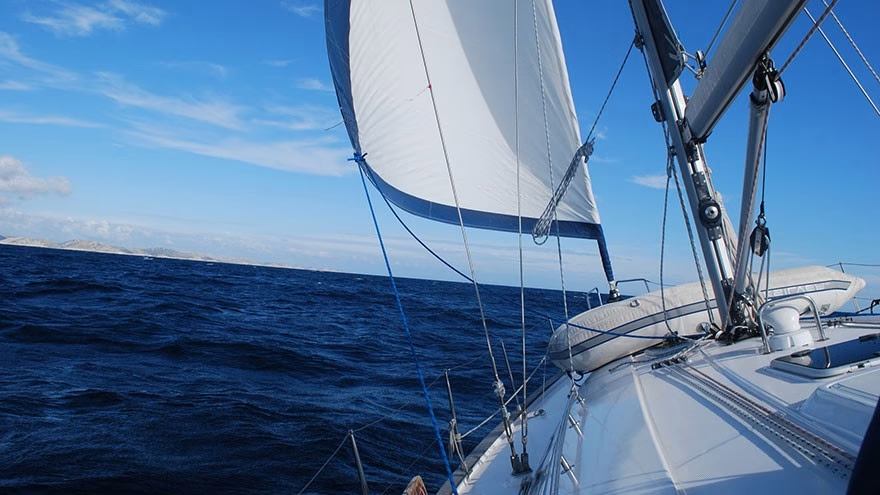
To cross the Atlantic by boat, treat the passage as an ocean project, not a long vacation with blue water. The route, boat, crew, season, safety gear, weather support, watch system, communications, paperwork, food, sleep, and emergency plan all matter. Some people cross on their own yacht, some join a rally, some book a repositioning cruise, and some crew for an experienced skipper. The romantic idea is simple. The practical question is harder: which kind of Atlantic crossing matches your skill, money, risk tolerance, time, and stomach for uncertainty?
What are the main ways to cross the Atlantic by boat?
Most people cross in one of four ways: as a passenger on a ship or cruise, as paid or volunteer crew on a yacht, as an owner-skipper on their own boat, or as part of a rally. Each option changes responsibility. A passenger buys transport. Crew contributes labor. An owner carries the boat, budget, safety decisions, and consequences.
Do not blur those roles. If you are new to offshore sailing, crewing under a proven skipper can teach more than buying a boat too early. If you only want the experience without watchkeeping or risk management, a passenger option may be the honest choice.
Travelers who enjoy identifying vessels, like readers of identifying cruise lines by smoke stacks, may enjoy the ship side of the question. Yacht crossings are a different world: smaller crew, more motion, more responsibility.
When is the best season for an Atlantic crossing?
Season depends on route. NOAA says the official Atlantic hurricane season runs from June 1 to November 30, with most activity between mid-August and mid-October. Its tropical cyclone climatology page is the baseline for hurricane timing, but weather windows still require current forecasts.
East-to-west yacht crossings from the Canary Islands toward the Caribbean often happen in late fall after the peak hurricane period and with trade-wind planning. West-to-east returns may use different timing and routes, often through Bermuda or the Azores. A northern route is not the same risk profile as a tropical route.
Weather windows are not magic shields. A good season lowers some risks; it does not remove squalls, equipment failure, seasickness, fatigue, or poor decision-making.
What kind of boat is suitable?
A suitable boat is not defined by length alone. It needs sound structure, offshore safety gear, steering redundancy, reliable rig or engine systems, communications, navigation, bilge management, storm preparation, spare parts, and a crew that knows the boat. A coastal cruiser may be comfortable near land and still be wrong for weeks offshore.
Before departure, inspect rigging, sails, hull, through-hulls, engine, fuel system, batteries, steering, autopilot, liferaft, jacklines, pumps, radios, medical kit, and emergency beacons. Practice reefing, heaving-to, man-overboard response, emergency steering, and abandon-ship procedures before the ocean teaches under pressure.
The U.S. Coast Guard's recreational boating guide says everyone on board should wear a Coast Guard-approved PFD while on the water and urges boaters to know regulations, take safety courses, and use required safety equipment. The PDF boater's guide to federal requirements is written for recreational boats, but the safety mindset scales up offshore.
Should you join an Atlantic rally?
A rally can add structure, social support, seminars, tracking, and a shared departure period. It does not make the crossing easy. The World Cruising Club says the ARC is the original transocean rally for cruising yachts, with around 150 boats sailing each November from Las Palmas de Gran Canaria to Rodney Bay, Saint Lucia. The official Atlantic Rally for Cruisers page explains that route and event model.
Rallies are most useful when they support preparation rather than replace it. You still need a capable boat, trained crew, working gear, food, watch system, maintenance plan, and judgment to delay if conditions are wrong.
Compare this with land travel. A guided route to a place like the Spiral Jetty can reduce planning friction. It does not make you immune to weather, road conditions, or poor preparation. Offshore rallies work the same way.
What should be in the safety and communication plan?
Use a float plan. The Coast Guard Auxiliary's Float Plan Central explains that boaters should prepare a plan, update it with route and timing, and send it to someone who will follow up if the boat does not return or check in as planned. That habit matters even more offshore.
For an Atlantic crossing, the plan should include vessel details, crew, route, departure, expected arrival, check-in schedule, satellite communication, emergency contacts, insurance, medical concerns, equipment identifiers, and what the shore contact should do if a check-in is missed. The shore contact needs instructions, not just hope.
Communication layers matter. VHF alone is not enough far offshore. Satellite messenger, satellite phone, EPIRB, AIS, SSB or other long-range tools, and backup charging all need testing before departure.
How do you prepare yourself as crew?
Be honest about skill. Can you stand watch at night, cook in motion, clip in properly, steer, reef, read a chartplotter, manage seasickness, sleep in noise, and speak up if something looks wrong? Crew is not ballast.
Take courses where appropriate, then practice. Learn knots, reefing, weather basics, collision rules, galley safety, bilge checks, and emergency drills. Fitness helps, but calm competence helps more.
Pack small and practical: layers, foul-weather gear, non-marking shoes, headlamp with red light, personal medication, seasickness plan, gloves, dry bags, and copies of documents. A good walking-gear mindset from adjusting walking sticks applies offshore too: equipment has to fit the conditions.
How do you choose the right boat?
The right boat is not only the one that looks offshore-ready at the dock. It must be maintained, loaded sensibly, watertight, steerable, and familiar to the skipper. A smaller well-prepared boat can be safer than a larger neglected one.
Systems knowledge matters at sea. Someone aboard should understand the engine, rig, steering, bilge pumps, batteries, charging, navigation, communications, and emergency gear. If a problem requires a marina to diagnose it, the boat may not be ready for an ocean leg.
Do a shakedown before the crossing. Sail overnight, reef in real wind, cook underway, test watch rotations, check battery use, and see what breaks. The sea trial should happen while land and parts are still reachable.
What should crew agree on before departure?
Crew should agree on watches, alcohol rules, medication, seasickness plans, personal space, cleaning, cooking, weather limits, and who makes final calls. A long passage turns small habits into big irritations.
Sleep rules deserve attention. Tired crew make poor decisions, miss traffic, and get careless on deck. Build a watch system that people can actually live with, not one that sounds brave at the chart table.
Medical honesty is part of safety. Skippers need to know allergies, prescriptions, panic history, swimming ability, and emergency contacts. This is not gossip. It is planning for the day when someone cannot speak for themselves.
What paperwork and arrival details matter?
Passports, visas, pet papers, boat registration, insurance, radio licenses, customs forms, and port procedures should be checked before departure. The details change by flag, route, crew nationality, and destination, so old passage notes are not enough.
Arrival fatigue is real. After days or weeks offshore, crews can make mistakes entering an unfamiliar harbor. Plan landfall in daylight when possible, review charts before the last night, and avoid celebrating before the boat is tied up and cleared in.
Food and seasickness planning deserve more respect than many crews give them. Pack meals that can be made when the boat is rolling, keep snacks reachable, and discuss medication before departure rather than after the first rough night. A hungry, sick crew becomes a safety problem.
Comfort supports judgment. Dry clothes, warm layers, a clean bunk, and a predictable watch snack do not make the passage soft. They help people think clearly when the weather, fatigue, or gear problems start taking attention.
Frequently Asked Questions
How long does it take to cross the Atlantic by sailboat?
Many yacht passages take roughly two to four weeks depending on route, boat, weather, and stops. Do not plan to the shortest story you heard.
Can a beginner cross the Atlantic as crew?
Sometimes, with an experienced skipper and clear training expectations. A beginner should be honest about skills, seasickness, fitness, and willingness to stand watch.
Is crossing the Atlantic dangerous?
It carries real risk. Good season choice, boat preparation, safety gear, weather routing, crew training, and conservative decisions reduce risk but do not remove it.
Do I need a passport to cross by boat?
For international routes, yes, and entry rules vary by country. Check immigration, customs, insurance, and vessel paperwork before departure.
Crossing the Atlantic by boat is not one decision. It is hundreds of small checks made before and during the passage, each one buying a little more margin from the ocean.

Tory Stearns
Edits practical household, travel and lifestyle explainers. Claims that can change are linked to current primary or subject-authority sources.




Leave a reply
Replying to