
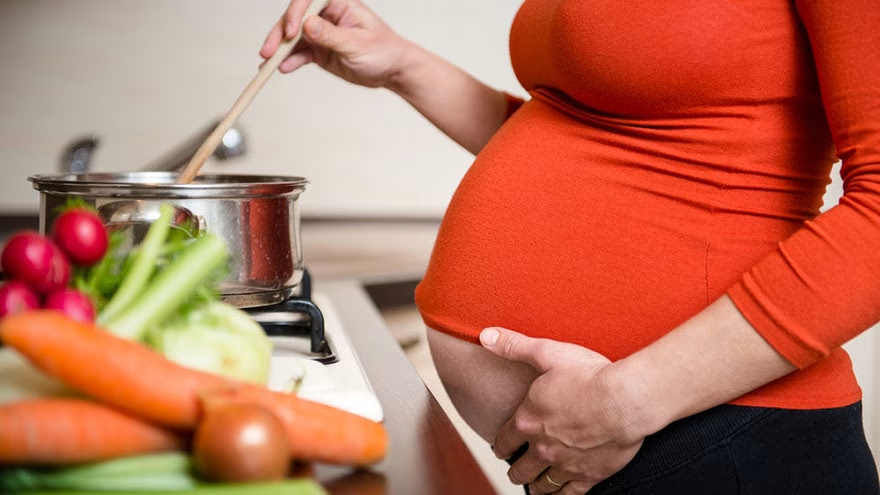
How to Eat Safe While Pregnant means combining nutrition with food safety: enough protein, fiber, fluids, and key nutrients, while avoiding avoidable foodborne risks.
This is not about eating perfectly. It is about building meals that are safe, realistic, and repeatable when nausea, fatigue, budget, work, and cravings are all part of pregnancy.
Use A Simple Plate Pattern
Aim for a plate with protein, starch or whole grain, fruit or vegetable, and a fat source when tolerated. Smaller meals may work better than large meals if reflux or nausea is present.
ACOG's healthy eating during pregnancy FAQ explains that nutrient needs increase during pregnancy and discusses calories, vitamins, minerals, and healthy food choices: ACOG healthy eating during pregnancy.
If you cannot eat a textbook-perfect plate, start with what stays down and build from there.
Follow Food Safety Basics
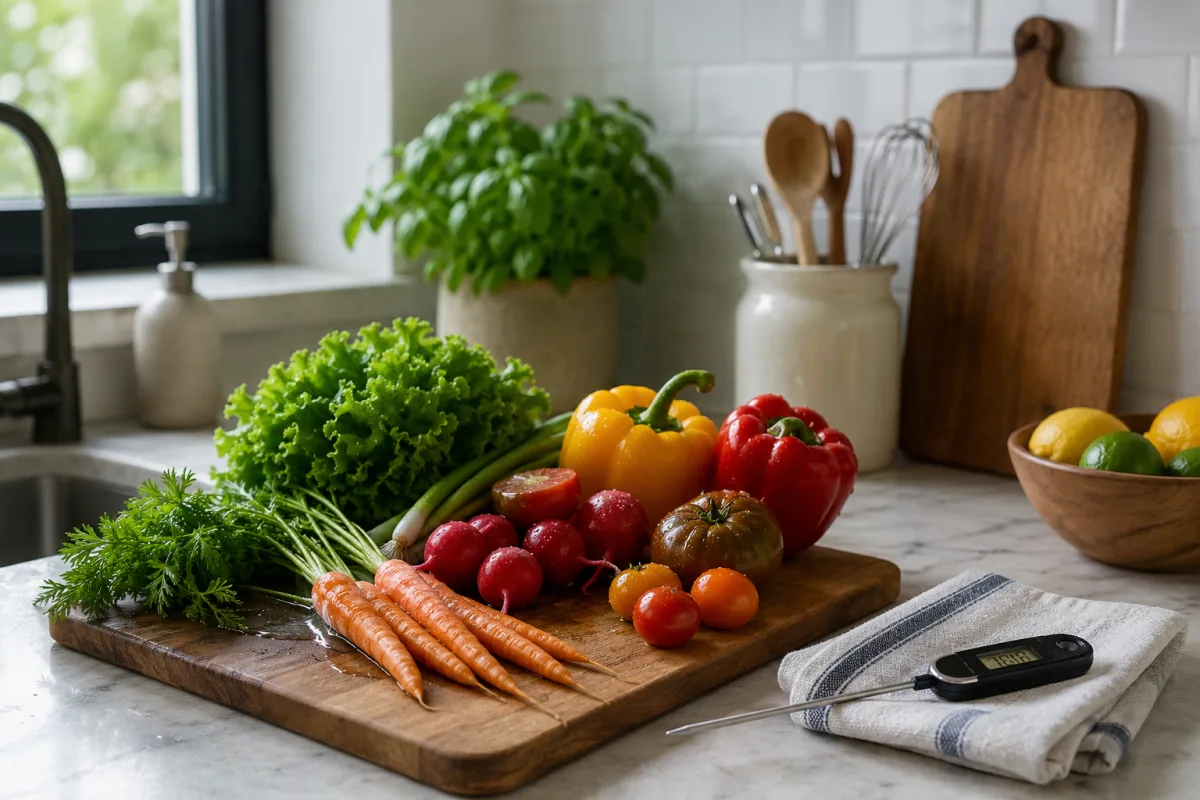
Clean hands and surfaces, separate raw meat from ready-to-eat foods, cook to safe temperatures, and chill leftovers promptly. These simple habits prevent many problems.
FDA's Food Safety for Moms-to-Be page focuses on foodborne illness risks during pregnancy and practical ways to reduce them: FDA Food Safety for Moms-to-Be.
Keep a food thermometer in the kitchen. Guessing by color is not reliable for poultry, ground meat, casseroles, or leftovers.
Choose Safer Proteins
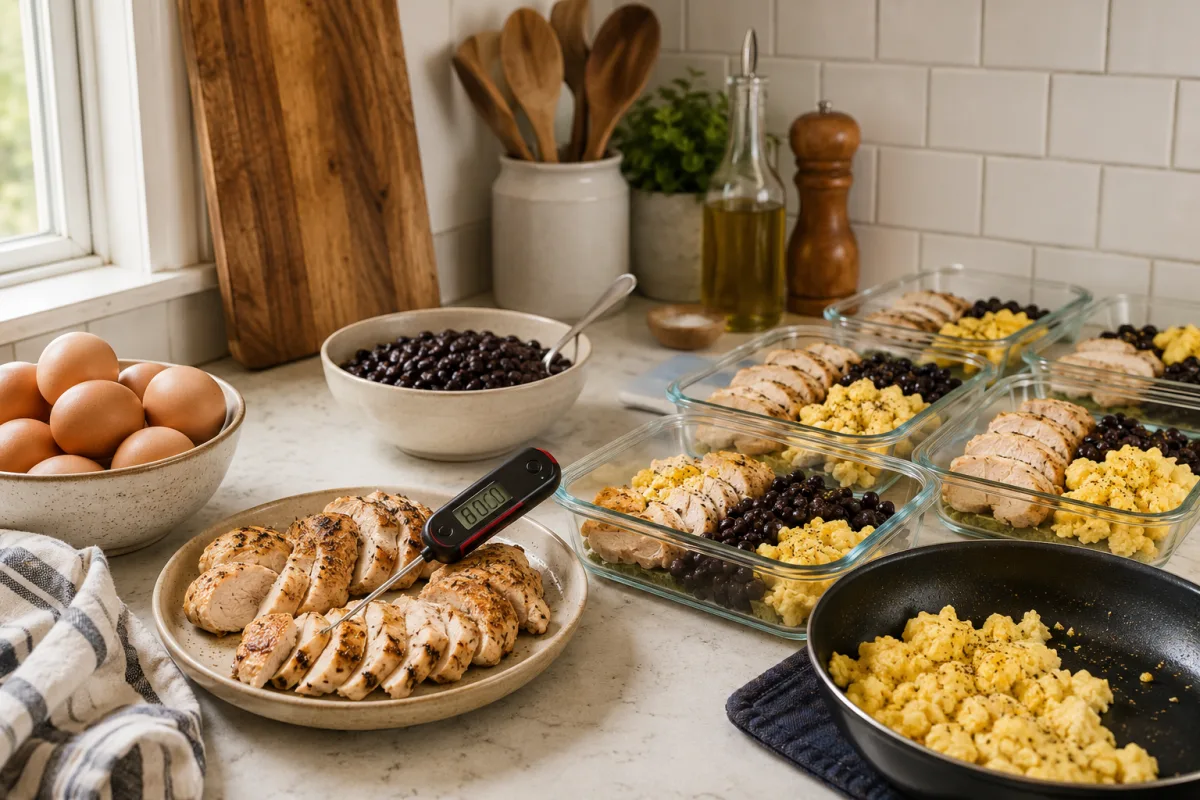
Cook meat, poultry, seafood, and eggs thoroughly. Avoid raw eggs, raw dough, raw seafood, undercooked burgers, and unpasteurized dairy.
CDC's pregnancy food safety guidance lists safer choices for eggs, seafood, deli foods, cheeses, sprouts, and other foods that can carry more risk: CDC safer food choices.
If you eat vegetarian or vegan, ask about iron, B12, protein, iodine, choline, omega-3, and vitamin D. Safe eating still needs adequate nutrition.
Handle Deli And Ready-To-Eat Foods
Deli meat, hot dogs, refrigerated smoked seafood, prepared salads, and deli-sliced cheeses can carry Listeria risk if eaten cold or held too long.
Heat deli meats and hot dogs until steaming hot, choose pasteurized dairy, and keep ready-to-eat foods cold until eating.
If you are packing lunch, use an insulated bag and ice pack. Pregnancy food safety does not stop at the kitchen door.
Eat Fish The Safer Way
Cooked low-mercury fish can be part of a healthy pregnancy diet. Avoid high-mercury fish and raw seafood.
If you do not know whether a fish is high mercury, check current FDA/EPA advice or ask your clinician before making it a regular meal.
Canned light tuna, salmon, sardines, anchovies, and trout are common low-mercury choices, but serving amounts and local advisories still matter.
Build A Nausea-Friendly Plan
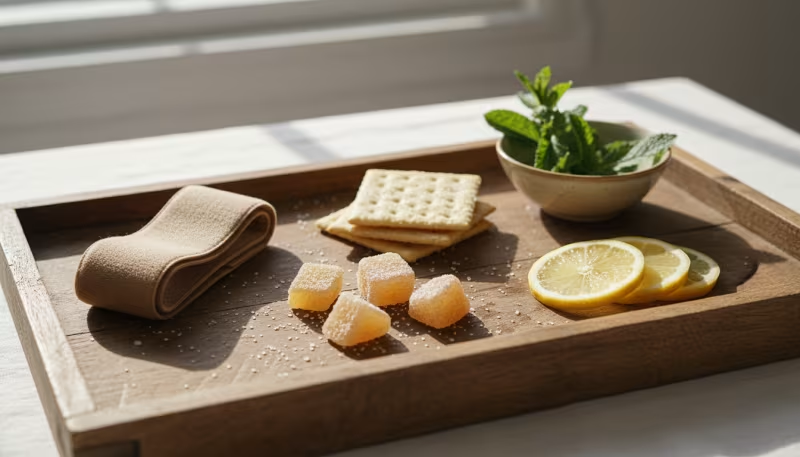
Safe eating is harder when everything smells bad. Keep simple foods available: crackers, toast, rice, bananas, applesauce, soup, yogurt made with pasteurized milk, and tolerated proteins.
Small meals, cold foods, ginger if approved, and fluids between meals may help some people. Severe vomiting, weight loss, or dehydration needs medical care.
For more gentle-food ideas, bland pregnancy foods is a related internal guide.
Plan For Work, Travel, And Parties
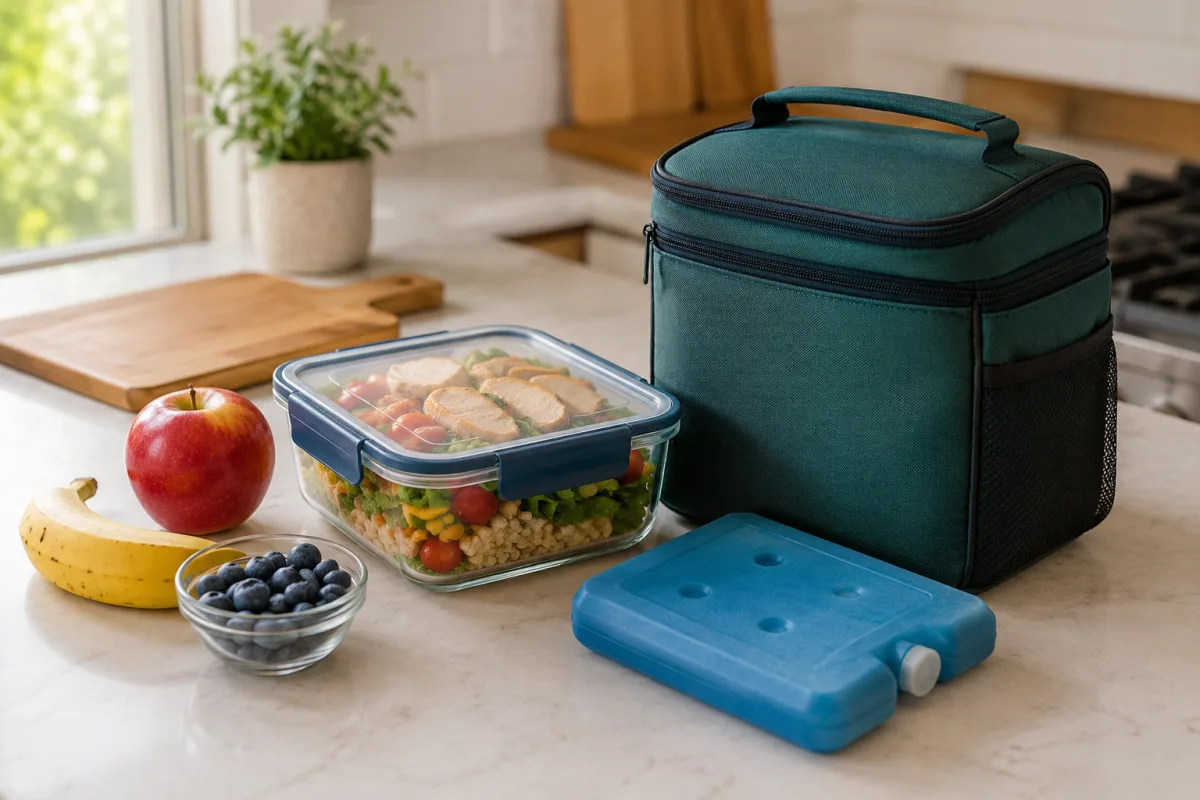
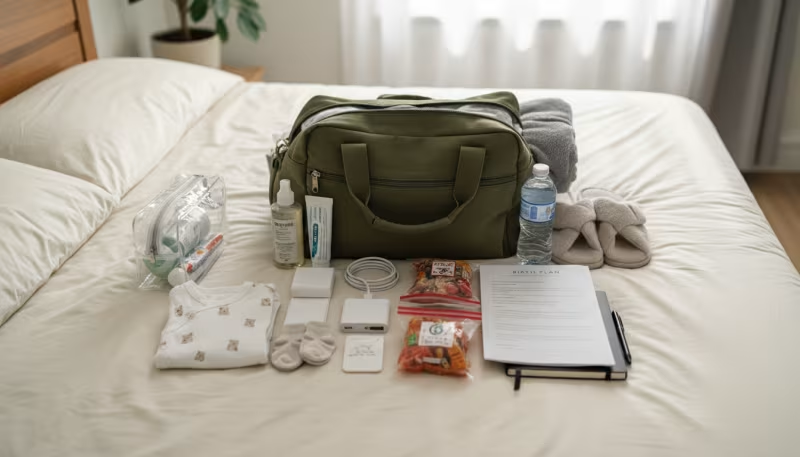
Bring shelf-stable snacks, water, and a safe backup meal when you cannot control the menu. That reduces pressure to eat risky food because you are hungry.
At parties, choose food that is hot and fresh or cold and properly chilled. Skip foods that have been sitting out for hours.
If a host gets offended, keep it simple: I have to follow pregnancy food rules right now.
Read Labels And Dates
Check pasteurization, use-by dates, refrigeration instructions, and cooking instructions. Some foods look safe but require heating before eating.
Do not rely on smell alone. Listeria and other harmful germs may not make food smell bad.
Keep the refrigerator organized so older leftovers are visible. If you cannot remember when something was cooked, do not make it a pregnancy gamble.
Support Appetite Without Shame
Pregnancy appetite can swing. Some days vegetables sound impossible; some days cravings are intense. Safe eating should not become self-criticism.
If body image is difficult, feeling attractive during pregnancy may help emotionally, but nutrition questions belong with the clinician or dietitian.
If food fear becomes constant or you are restricting heavily, ask for help. Anxiety around food can become its own health issue.
Partner And Family Help
A partner can wash produce, cook meat to safe temperatures, label leftovers, pack lunches, and handle strong-smelling foods if nausea is high.
If support during pregnancy is uneven, early labor support can also help families think about practical care, not only delivery day.
Food safety is easier when the household follows the same rules instead of making the pregnant person police every meal.
When To Call The Clinician
Call for fever, severe vomiting, dehydration, bloody diarrhea, severe abdominal pain, decreased fetal movement, or concern after a known foodborne exposure.
If you accidentally ate something risky, do not wait in shame. Your clinician can tell you what symptoms to watch for and whether testing is needed.
If early pregnancy timing is uncertain, early pregnancy signs is related, but confirmed pregnancy food questions should go to your care team.
Budget-Friendly Safe Meals
Safe pregnancy food does not have to be expensive. Eggs cooked firm, beans, lentils, pasteurized yogurt, frozen vegetables, oats, rice, canned salmon, and peanut butter can all fit many budgets.
Use batch cooking carefully: cool food quickly, portion it, refrigerate promptly, and reheat until steaming hot. Big batches are only helpful if stored safely.
If food costs are tight, ask your clinic about WIC, food banks, or local pregnancy nutrition support. Skipping meals is not a good safety plan.
Supplements Are Not A Meal Plan
Prenatal vitamins can fill some gaps, but they do not replace calories, protein, fiber, fluids, or balanced meals.
Do not add herbal supplements, weight-loss teas, or high-dose vitamins without asking your clinician. Natural does not automatically mean safe during pregnancy.
If you cannot keep vitamins down, ask about timing, formulation, or nausea treatment instead of stopping silently.
Make A Safe Snack Shelf
Keep shelf-stable snacks where you need them: bedside, work bag, car, and desk. Crackers, nuts if tolerated, shelf-stable fruit cups, granola bars, and sealed nut butter packets can help.
A snack shelf lowers the chance you will choose risky food because you got too hungry. It also helps with nausea that worsens on an empty stomach.
Rotate snacks so they do not expire. Safe food still needs freshness and storage attention.
Hydration And Food Safety Work Together
Dehydration can make nausea, constipation, headaches, and fatigue feel worse. Keep water or another clinician-approved drink nearby, especially if meals are small.
If you use smoothies, wash produce, use pasteurized dairy or safe alternatives, and clean the blender well. A healthy-looking drink still needs safe handling.
Call your clinician if you cannot keep fluids down, feel dizzy, or notice signs of dehydration.
Eating With Gestational Diabetes Or Other Conditions
If you have gestational diabetes, high blood pressure, anemia, kidney concerns, or severe nausea, safe eating becomes more personal.
A dietitian can help combine food safety with blood sugar, iron, sodium, or weight-gain goals. Generic pregnancy food lists may not fit every medical situation.
Bring real meal examples to appointments. It is easier to adjust your actual breakfast and lunch than discuss perfect meals you never eat.
Make Safe Eating Sustainable
Pick five safe meals you can repeat when tired. For example, cooked eggs with toast, lentil soup, rice bowls, pasteurized yogurt with fruit, or fully cooked salmon with potatoes.
Repetition is not failure. Pregnancy is easier when safe defaults exist before you are hungry.
The goal is steady nourishment with fewer avoidable risks, not a flawless diet.
Keep the plan flexible. Symptoms, budget, work schedule, and appetite can all change from week to week. Adjust without guilt when needed, then continue safely.
Frequently Asked Questions
Can I eat leftovers while pregnant?
Yes, if they were refrigerated promptly and reheated safely. When in doubt, throw them out.
Do I need to avoid all cheese?
No. Pasteurized hard cheeses and many pasteurized dairy products are generally safer choices.
Can I eat fish?
Yes, choose cooked low-mercury fish and avoid raw seafood and high-mercury fish.
What if I cannot eat vegetables?
Start with tolerated foods and ask your clinician about prenatal vitamins, nausea care, and nutrition support.
Are cravings unsafe?
Most cravings are fine if the food is safe. Avoid raw, unpasteurized, undercooked, or high-mercury choices.
This article is for general information only and isn't a substitute for medical advice. Talk to a clinician who knows your full history before making changes.

Cashie Evans
Covers parenting and practical household topics with clear steps, safety notes and links to current guidance.


Leave a reply
Replying to