
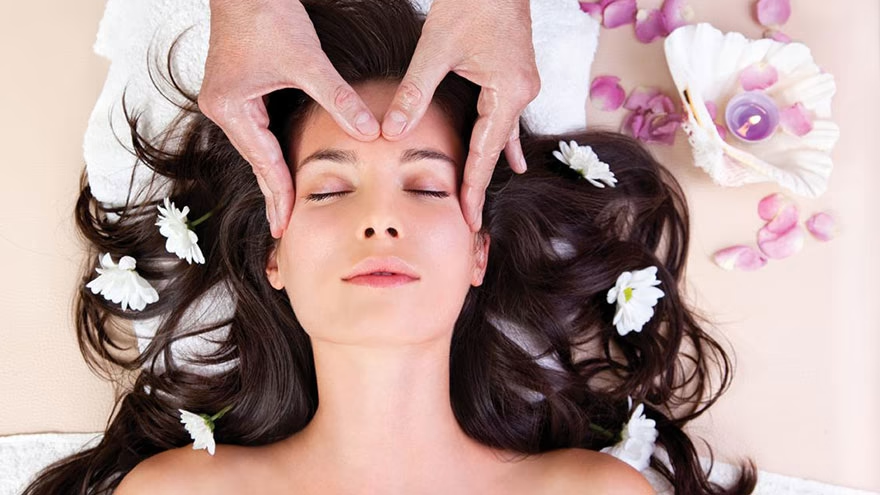
A great head massage is not about digging hard into the scalp until someone proves they can tolerate it. It is about making another person feel safe enough to relax. The hands move slowly, the pressure stays adjustable, and the person receiving the massage is allowed to say "lighter," "stay there," or "stop" without making the moment awkward. That is the difference between a caring head massage and a person poking at tense muscles while guessing.
Use this as a relaxation routine, not medical treatment. If someone has a recent head or neck injury, unexplained headaches, dizziness, fever, skin infection, severe scalp sensitivity, neurological symptoms, or pain that is worsening, skip the massage and encourage medical care.
Set Up The Person And The Space
Choose a chair, sofa, or bed position where the neck is supported and the shoulders can drop. A head massage becomes uncomfortable fast if the person has to hold the head forward. Use a pillow behind the upper back or under the knees if needed. Keep the room quiet enough that feedback is easy to hear.
Ask three questions before touching: Do you want oil or no oil? How much pressure do you like? Any tender spots to avoid? Consent should be practical, not ceremonial. If this is part of a romantic evening, asking still matters. It usually makes the massage better because the receiver does not have to brace for surprises.
The National Center for Complementary and Integrative Health notes that massage therapy is generally low risk when performed appropriately, while also advising people to tell healthcare providers about complementary health approaches they use. At home, the equivalent is simple: use care, avoid medical claims, and stop when something feels wrong.
If you want a broader slow routine before the head massage, use the same principles from giving a relaxation massage: comfort first, pressure second, mood third.
Start With Shoulders And The Base Of The Skull
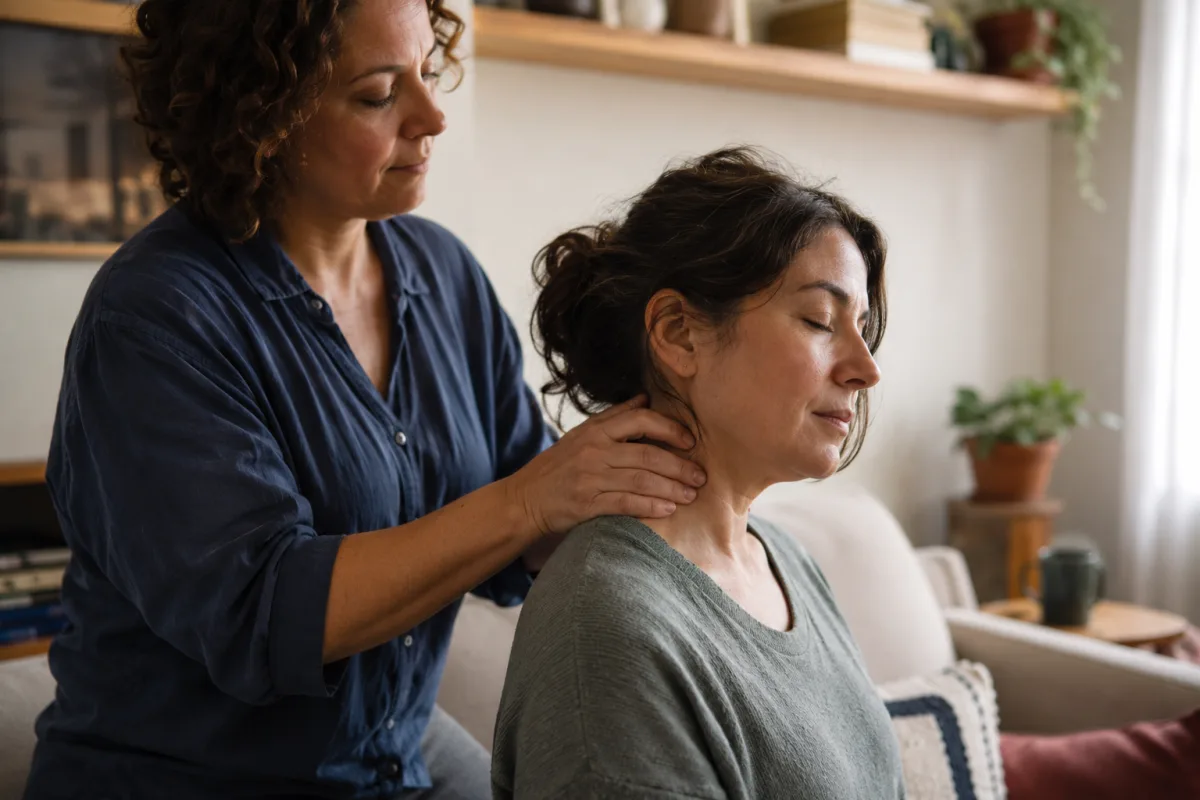
Begin away from the scalp. Rest your hands lightly on the shoulders and let the person breathe for a few seconds. Use broad, slow squeezes across the upper trapezius, then release. Move to the base of the skull with the pads of your fingers. Make tiny circles where the neck muscles meet the skull, using less pressure than you think you need.
Do not press directly on the throat, spine, or bony points. Avoid quick neck twisting or cracking. If the person says pressure travels into the head in a bad way, lighten up or stop. A head massage should not create sharp pain, numbness, tingling, nausea, or dizziness.
Cleveland Clinic describes tension headaches as often feeling like a tight band and notes that home approaches such as heat or cold may help some people. Gentle massage may feel good for ordinary tension, but a new, severe, or unusual headache deserves medical attention, not a stronger thumb.
For couples, this slow start can be more intimate than rushing straight to the scalp. It shares the same lesson as a caring home massage: attention is more relaxing than force.
Work The Scalp In Sections
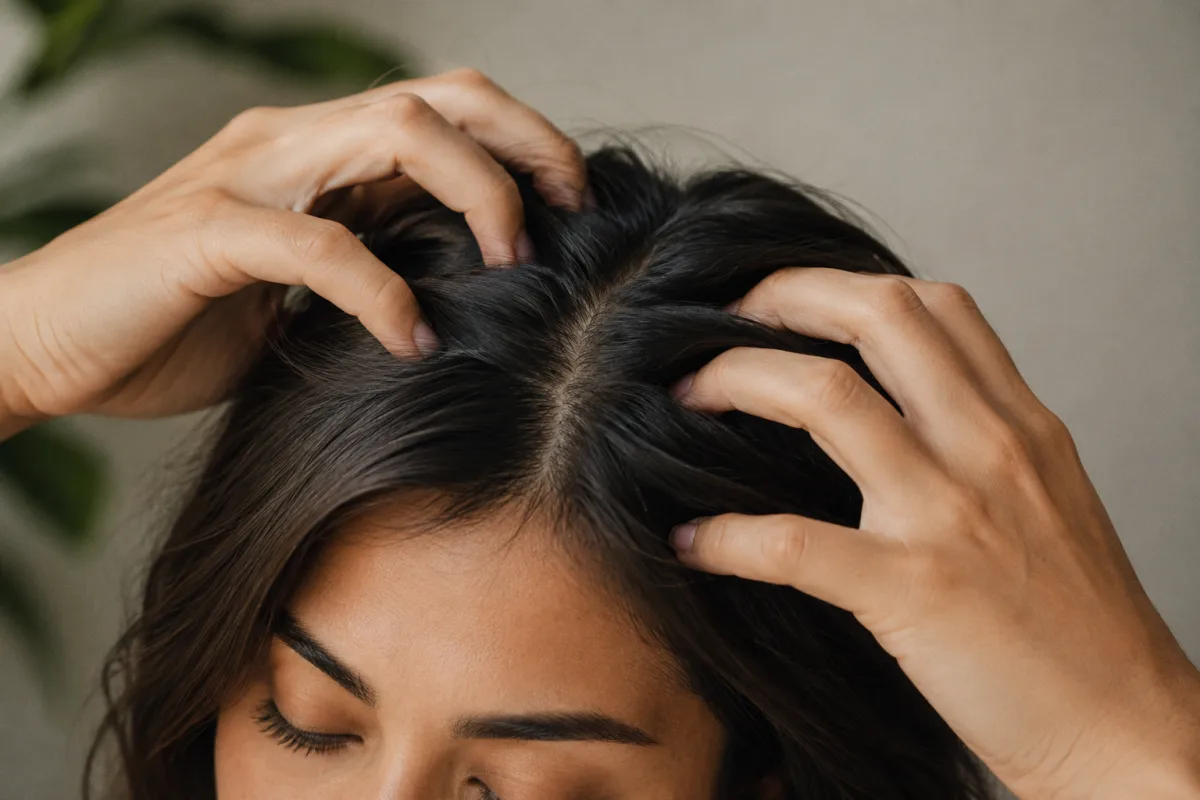
Use the pads of your fingers, not fingernails. Start at the hairline and move back in small circles. Then work from the temples toward the crown, from behind the ears toward the top of the head, and from the nape upward. Imagine dividing the scalp into zones so you do not keep rubbing the same spot for ten minutes while missing the rest.
Keep the pressure light to medium. The scalp has many nerve endings, and stronger is not automatically better. Lift and move the scalp gently instead of scraping across the hair. If hair is long, slide fingers under it and move the scalp rather than tangling the strands.
If using oil, choose a tiny amount and ask first. Some people dislike the feel, smell, or cleanup. Avoid essential oils unless the person already knows they tolerate them, and never put undiluted essential oil on the scalp. No oil is usually easier for a casual head massage.
The massage can stay simple: circles, gentle kneading, still pressure, and slow strokes. Variety matters less than rhythm. A person who can relax into the pattern will usually enjoy it more than a complicated routine that changes every few seconds.
Use The Temples, Forehead, And Jaw Carefully
For the temples, use very small circles with the ring and middle fingers. Keep pressure feather-light at first. Around the forehead, move from the center outward in slow strokes. Over the eyebrows, use gentle pressure with clean hands and avoid pressing into the eyes.
The jaw can hold a surprising amount of tension, but it is easy to overdo. Ask before touching the jaw. Use light circles over the masseter muscle at the side of the face, away from the mouth. Do not push inside the mouth, pull the jaw, or press hard near the ear.
If the receiver clenches their teeth, lifts their shoulders, or holds breath, the massage is too intense or too fast. Pause, rest your hands lightly, and ask. Feedback is not a failure; it is how the massage becomes specific.
For a first anniversary or quiet night in, a head massage can pair well with a simple ritual like the ones in cute one-year anniversary ideas. Keep the gesture small and real rather than turning it into a performance.
How Long Should A Head Massage Last?
Five to ten minutes is enough for many people. Fifteen minutes can feel wonderful if the person is comfortable, but longer is not always better. Hands get tired, pressure gets sloppy, and the receiver may start feeling overstimulated. Stop while it still feels good.
Mayo Clinic describes massage therapy as a tool that may help with stress and tension in some settings, but professional massage involves training, intake, and adaptation to the person's health history. At home, stay gentle and honest about what you are doing.
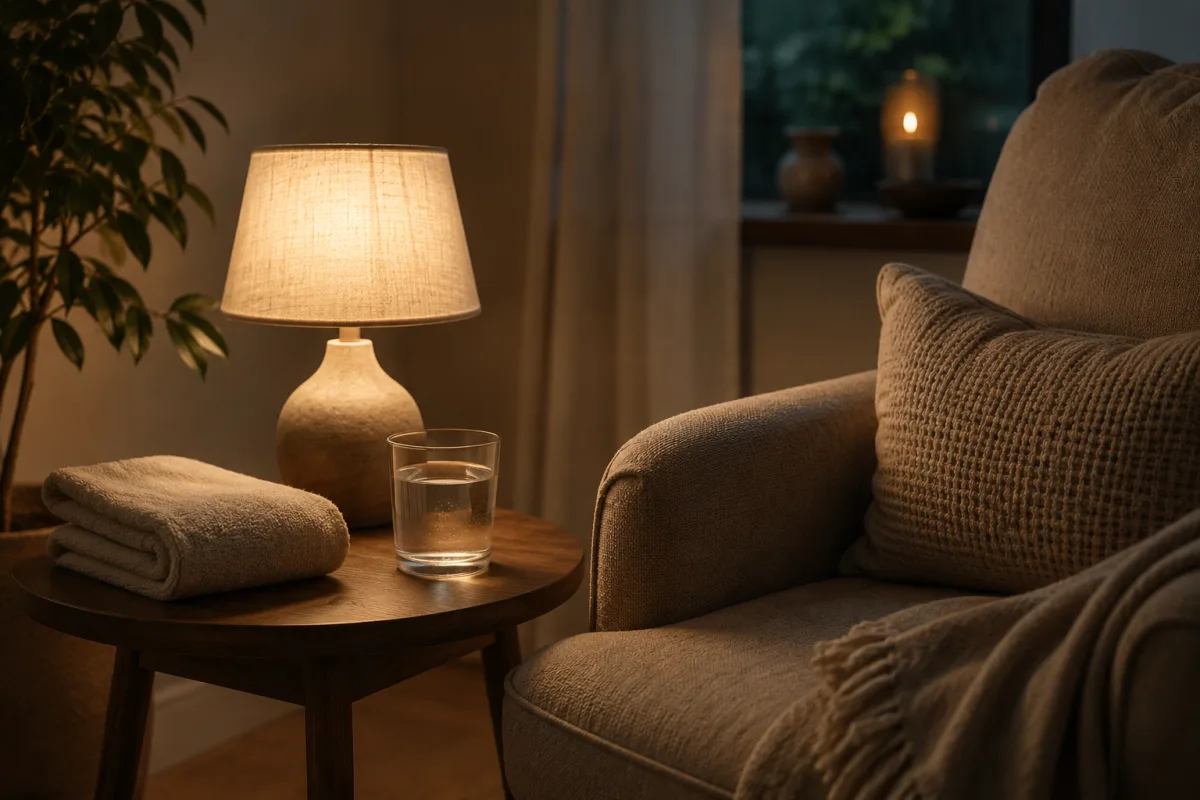
End gradually. Slow the circles, rest your hands on the shoulders, then lift away. Offer water, a towel if oil was used, and a minute before conversation. Some people feel sleepy afterward; others feel clear and awake. Let the receiver set the pace.
A head massage can also be part of a longer relationship check-in. If the day has been tense, do not use touch to skip a needed conversation. Touch works best when it supports care, not when it covers resentment.
When To Stop Or Avoid It
Stop immediately for pain, dizziness, numbness, tingling, nausea, sudden headache change, emotional discomfort, or a request to stop. Avoid massage over cuts, rash, infection, sunburn, recent surgery sites, or areas that feel hot, swollen, or unusually tender.
Do not massage a person who is intoxicated or unable to give clear feedback. Do not surprise someone by touching their head from behind. The head and hair can feel personal, and for some people it is a vulnerable area.
Massage can be romantic, but it does not have to lead anywhere. If the agreement is relaxation, keep it relaxation. Relationship trust grows when small boundaries are respected. That is true in gentle touch, in romantic card games, and in more serious intimacy conversations.
A final practical detail: wash your hands, trim rough nails, remove rings that catch hair, and keep a towel nearby if you use oil. Those small preparations change the feel of the whole massage. The person receiving it should not be thinking about scratchy cuticles, cold oil, or a necklace chain pulling at the back of the neck.
Frequently Asked Questions
What pressure is best for a head massage?
Start light and ask for feedback. Most people prefer light to medium pressure on the scalp, temples, and base of the skull.
Should I use oil for a head massage?
Only if the person wants it. Oil can feel relaxing, but it adds scent, cleanup, and scalp sensitivity risk. A dry head massage is often easier.
Can a head massage help a headache?
It may feel soothing for ordinary tension, but it is not a diagnosis or treatment. New, severe, unusual, or worsening headaches need medical advice.
How long should the massage last?
Five to ten minutes is a good starting point. Stop earlier if the person feels uncomfortable, and avoid dragging it out after your hands get tired.
Where should I avoid pressing?
Avoid the throat, eyes, spine, injured areas, inflamed skin, and any spot the person says is tender or unpleasant.
A great head massage is remembered less for technique than for responsiveness. Ask, listen, slow down, and let the person receiving it feel in control of their own comfort.

Olivia Prete
Edits culture and personal-development articles, distinguishing opinion and experience from verifiable claims.




Leave a reply
Replying to