
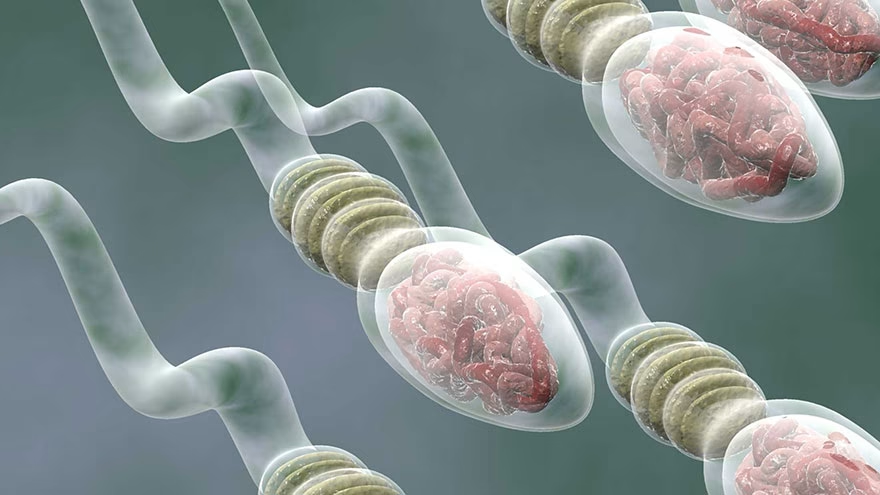
How to Increase Sperm in the System should be read as how to support sperm count and sperm quality safely. There is no instant trick that works for everyone, and low sperm count needs proper testing.
Sperm production takes time, so lifestyle changes are usually measured over months, not days. If pregnancy has not happened after regular unprotected sex for the usual evaluation window, both partners should seek medical guidance.
Get A Semen Analysis
The only practical way to know sperm count, movement, and shape is a semen analysis through a healthcare professional or fertility clinic.
Cleveland Clinic explains that oligospermia means fewer than 15 million sperm per milliliter of semen and can make conception more difficult: Cleveland Clinic low sperm count.
Stop Smoking
Smoking is linked with lower sperm counts and poorer sperm health. Quitting is one of the clearest lifestyle steps for fertility and general health.
Mayo Clinic advises not smoking and says people who smoke cigarettes are more likely to have low sperm counts: Mayo Clinic healthy sperm.
Limit Alcohol
Heavy drinking can lower testosterone, affect erections, and reduce sperm count. Cutting back is safer than looking for a supplement to cancel the effect.
If alcohol is hard to reduce, treat that as a health issue worth support, not a private failure.
Avoid Anabolic Steroids
Anabolic steroids and testosterone used outside a fertility plan can shut down sperm production. This catches some men by surprise.
Do not start testosterone because an ad or gym friend says it will help fertility. Ask a clinician who understands male fertility.
Manage Weight
Weight can affect hormones, sleep, inflammation, and fertility. A steady plan with food, movement, and sleep is better than crash dieting.
The goal is not a perfect body. The goal is to improve the health conditions that can interfere with sperm production.
Keep Testicles Cooler
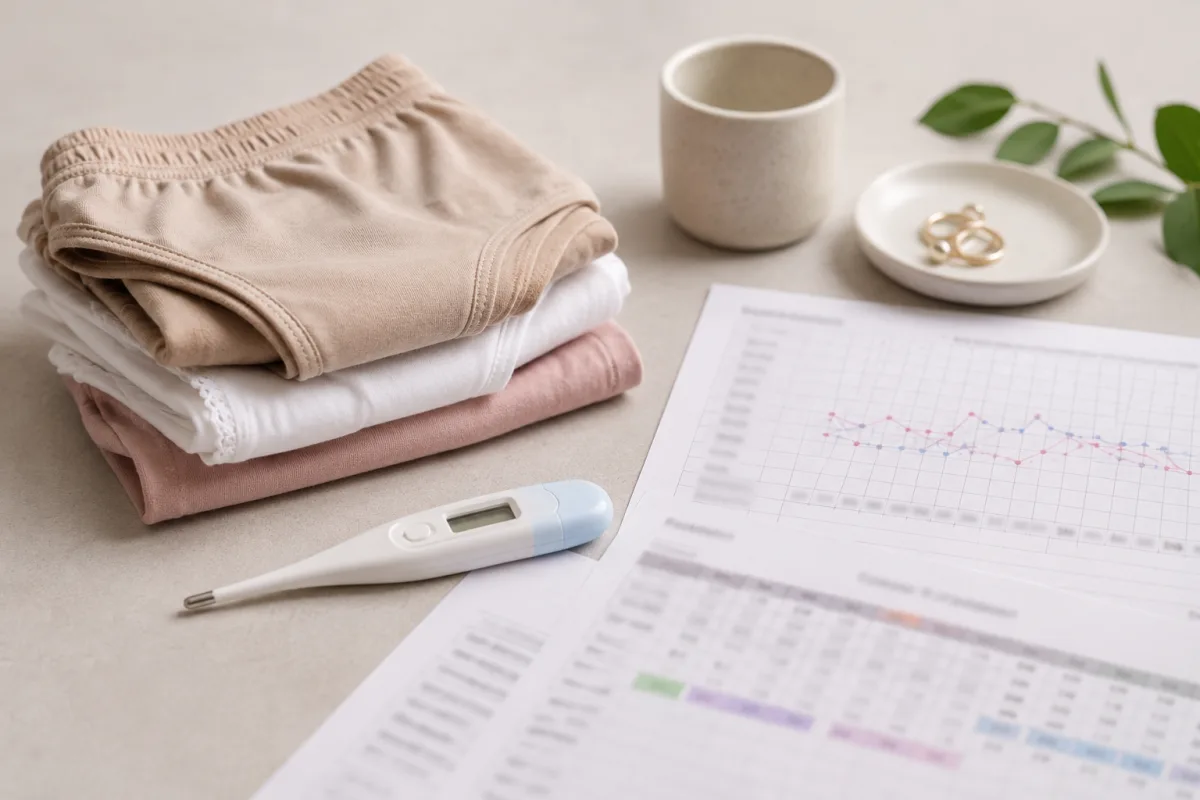
Heat can affect sperm production. Avoid frequent hot tubs, saunas, very tight underwear, and long heat exposure to the groin if trying to conceive.
NHS advice for low sperm count includes wearing loose-fitting underwear and reducing heat around the testicles: NHS low sperm count.
Review Medications
Some medications, hormones, chemotherapy, opioids, and supplements can affect fertility. Never stop a prescription without medical advice.
Bring a full medication and supplement list to the appointment. Include gym products, hair-loss drugs, testosterone, and over-the-counter pills.
Treat Varicocele Or Infection

A varicocele, infection, hormonal problem, blockage, or past injury may reduce sperm count. Lifestyle changes alone may not fix those issues.
Pain, swelling, testicle size changes, sexual problems, or abnormal semen analysis should lead to medical evaluation.
Eat For Nutrients
A balanced diet with fruits, vegetables, protein, whole grains, healthy fats, and enough minerals supports general reproductive health.
Do not rely on one fertility food. If your diet is poor, a basic improvement can matter more than a trendy ingredient.
Be Careful With Supplements
Some men may benefit from correcting deficiencies, but supplement labels often promise more than the evidence supports.
A multivitamin may be reasonable for some people, but high-dose supplements and fertility blends should be reviewed with a clinician.
Time Sex Around Ovulation
Sperm count is only one part of conception. Timing sex in the fertile window matters because the egg is available for a limited time.
Livecub's conception timing guide should not be used as a gender guarantee, but timing basics can help couples discuss fertile days.
Protect Relationship Health
Trying to conceive can turn sex into a task. Stress, shame, and blame can make the process harder for both partners.
Livecub's staying intimate guide is pregnancy-focused, but the same respect and communication habits help while trying to conceive.
Consider Both Partners
Male factors can contribute to infertility, but evaluation should not stop with one person. Both partners may need testing and support.
Livecub's emotional support guide is labor-focused, yet the lesson applies: support works better than blame.
Know When To Get Help
Seek fertility guidance sooner if there is a known reproductive condition, prior cancer treatment, testicular surgery, erectile problems, irregular periods in the partner, or older maternal age.
Medical testing can save time. Guessing for another year may delay a fixable problem.
Sleep
Poor sleep can affect hormones, energy, weight, and sexual health. Aim for a routine that is realistic enough to keep.
Sleep is not a fertility hack. It is a basic health input that supports the rest of the plan.
Exercise
Regular moderate exercise supports weight, cardiovascular health, mood, and metabolic health. Extreme training or steroid use can work against fertility.
Choose consistency over intensity. A plan that can last three months matters more than one punishing week.
Workplace Exposures
Heat, solvents, pesticides, heavy metals, and radiation exposure can matter in some jobs. Protective equipment and occupational health advice may be needed.
Tell the clinician what you do for work. A semen analysis without exposure history can miss part of the picture.
Repeat Testing
Semen results can vary. A clinician may repeat testing before diagnosing a persistent problem or choosing treatment.
One poor result is not the whole story, but it is a reason to follow through instead of guessing.
Three-Month Window
Sperm development takes roughly a few months, so changes made today may not show up immediately on a semen analysis.
Use that delay as a reason for consistency, not discouragement. The body needs time to reflect new habits.
STI Testing
Sexually transmitted infections can affect fertility and pregnancy health. Testing and treatment protect both partners.
If there is any risk, discuss STI testing with a clinician rather than guessing from symptoms.
Chronic Conditions
Diabetes, thyroid disease, obesity, sleep apnea, kidney disease, and hormonal disorders can affect sexual and reproductive health.
Improving sperm may require managing the underlying condition, not only changing underwear or buying vitamins.
Avoid Recreational Drugs
Marijuana, opioids, stimulants, and other drugs may affect fertility, sex drive, hormones, or judgment around conception.
Be honest with the clinician. Accurate information leads to safer advice.
Ejaculation Timing
Very long abstinence is not always better for sperm quality. Timing advice can vary depending on testing, intercourse, IUI, IVF, or clinician preference.
Follow the clinic's instructions for semen analysis because the abstinence window affects the result.
Partner Age
Sperm health matters, but the partner's age and ovulation health also affect time to pregnancy.
A couple trying to conceive should avoid making one person the whole problem before both sides are evaluated.
Mental Load
Fertility pressure can create anxiety and sexual performance stress. Shame does not improve sperm.
If trying to conceive is straining the relationship, counseling or fertility support can be part of the health plan.
Avoid Laptop Heat
Keeping a hot laptop directly on the lap for long periods can raise heat exposure around the groin.
Use a desk or table instead. It is a simple change with little downside.
Dental And General Health
General inflammation and untreated health problems can affect the body in many ways. Routine health care still matters when fertility is the goal.
A primary care visit can catch blood pressure, diabetes risk, medication issues, and lifestyle factors that a fertility checklist misses.
Do Not Chase Volume
More semen volume is not the same as better fertility. Sperm count, movement, shape, DNA health, and timing all matter.
Products that promise bigger volume may do nothing for the factors that help conception.
Clinic Timing
If a clinician orders a semen analysis, follow the exact timing instructions for abstinence and sample delivery.
A sample collected too early, too late, or transported poorly may need to be repeated.
Follow The Plan
If treatment is recommended, ask what result the clinician expects and when to retest.
A clear follow-up date prevents the couple from trying random new changes every week without knowing what is working.
Frequently Asked Questions
Can I increase sperm count quickly?
Usually no. Sperm production takes time, so changes are often judged over months, not days.
What test shows sperm count?
A semen analysis checks sperm count, movement, shape, volume, and other factors that affect fertility.
Does testosterone improve sperm count?
No. Testosterone therapy can reduce or stop sperm production unless managed in a specific fertility plan.
Can underwear affect sperm?
Heat may affect sperm production, so loose-fitting underwear and avoiding frequent heat exposure may help some men.
When should a couple get fertility help?
Ask a clinician after the usual evaluation window, or sooner with known risks, older age, abnormal tests, or symptoms.
To increase sperm safely, start with testing, remove common harms, protect general health, and avoid miracle claims. Fertility is a medical issue, not a masculinity test.

Cashie Evans
Covers parenting and practical household topics with clear steps, safety notes and links to current guidance.




Leave a reply
Replying to