
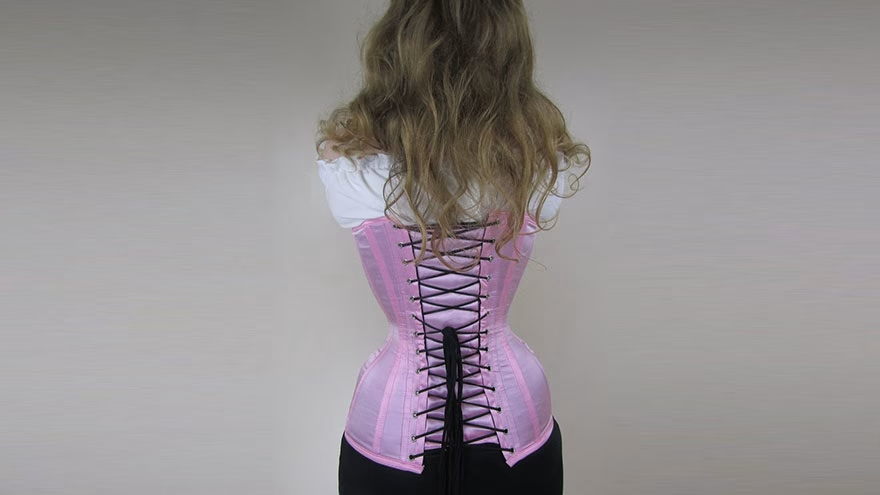
A Rope Corset Should Be Decorative First
Learning how to make a rope corset should begin with safety and purpose. A decorative rope corset can be used as a costume, fashion accent, photo styling piece, or private adult accessory, but it should not restrict breathing, circulation, movement, or consent.
This guide avoids advanced suspension, restraint, and explicit sexual technique. If the goal is bondage, learn in person from a qualified adult educator and treat risk seriously.
Rope around the body is never just decoration if it affects comfort or movement.
Know What This Guide Does Not Cover
This is not a guide to suspension, immobilization, pain play, or complex knots. It is a conservative approach to a loose corset shape that can be removed quickly and checked often.
If a person wants rope for erotic restraint, that belongs in a separate learning path with adult consent education, hands-on safety instruction, and clear risk awareness. A search result should not be treated like training.
A decorative corset should stay simple enough to undo under stress.
Start With Consent and Limits
Planned Parenthood's page on sexual consent defines consent as active agreement. For rope, that means the person wearing it should know what will happen, be able to stop it, and feel free to change their mind.
Discuss where rope can go, how tight it can feel, what clothing will be worn underneath, who may see it, and how it will be removed. Do not begin if either person feels pressured, impaired, or unsure.
Consent is part of the design, not a formality before it.
Choose Rope for Comfort
For a decorative corset, choose rope or cord that feels comfortable against fabric or skin, does not shed badly, and is not so thin that it cuts into the body. Avoid rough utility rope for body wear.
Wash or inspect rope before use if appropriate. Retire rope that is frayed, dirty, chemically treated, or hard to clean. Use clothing underneath if the wearer prefers a barrier.
For a first attempt, avoid rope that stretches unpredictably or becomes tighter with movement. A soft cord over a fitted shirt is easier to judge than bare-skin rope, especially while learning tension.
Comfort is a design requirement, not a bonus.
Keep Safety Tools Nearby
Have safety shears nearby before the rope touches the body. Know how the corset will be removed without panic. Do not depend on untying every section if the wearer feels numb, dizzy, anxious, or uncomfortable.
Check skin color, temperature, sensation, breathing, and comfort throughout. Remove the rope at once if there is numbness, tingling, sharp pain, weakness, dizziness, breathing trouble, or panic.
Quick removal is part of the plan.
Understand Nerve and Pressure Risk
A medical case report on rope bondage-related compressive neuropathy describes nerve injury risk from pressure. A decorative corset should avoid narrow pressure points, hard compression, and long wear.
Do not place rope around the neck. Avoid tying over joints, armpits, or areas where pressure creates tingling. Keep the pattern broad, even, and easy to loosen.
If sensation changes, the corset comes off.
Set a Short Wear Time
Do not plan a long first wear. Try a brief fitting, remove the rope, and check how the body feels afterward. Marks, discomfort, or anxiety are useful feedback, not something to ignore.
A decorative photo look may need only a few minutes. A party or costume setting brings extra movement, heat, distraction, and delayed communication, so the design should be even looser.
Plan the Shape Before Tying
A simple rope corset usually uses a waist-and-torso outline with crossing lines that mimic lacing. Sketch the look first. Decide whether it will sit over clothing, over a dress, over a fitted top, or as a private decorative layer.
Do not improvise tightly on the body while learning. Practice the pattern loosely on a pillow, dress form, or over clothing before trying it on a person.
Use a Loose Base and Cross-Lacing
For a decorative version, begin with a comfortable base wrap around the torso over clothing. It should stay in place without squeezing. Add crossing sections across the front or back to create the corset look, leaving enough room to breathe deeply.
Tension should be even and mild. The wearer should be able to speak normally, move carefully, and take a full breath. If the corset must be tight to stay up, redesign it.
Decorative rope should shape the look, not the body.
Avoid Risky Placement
Keep rope away from the throat, front of the neck, joints, armpits, and any area with numbness, recent injury, swelling, fragile skin, or medical devices. Do not tie over pregnancy, breathing problems, circulation issues, or pain without medical guidance.
Do not use knots that jam under tension. A pretty pattern is not worth a removal problem.
Check Fit While Standing and Sitting
A corset that feels fine standing may pinch while sitting. Ask the wearer to breathe, sit, stand, bend slightly, and raise arms only within comfort. Adjust or remove anything that digs in.
Do not leave a person tied alone. Do not use rope for sleep, driving, intoxicated play, or any situation where quick communication and removal are not possible.
Style It Without Over-Tightening
For fashion styling, color and texture can carry the look. Use contrast rope over a simple dress, soft cord over a fitted shirt, or neutral rope for a subtle costume detail. The look does not need compression.
Livecub's romantic card games can pair with a private date-night theme if both partners want something playful and low pressure.
For public styling, consider privacy and consent around photos. The wearer should decide whether the look is photographed, shared, or kept private. A striking outfit does not remove control over images.
Aftercare and Removal
Remove the rope slowly unless safety requires cutting. Check for marks, numbness, discomfort, or emotional unease. Offer water, warmth, privacy, and conversation.
Scarleteen's safety and consent page emphasizes clear, open communication. That same principle applies after the rope comes off.
For other low-pressure physical care, Livecub's relaxation massage guide may fit better than rope for some couples.
Clean and Store the Rope
After use, inspect the rope for dirt, body oils, makeup, pulled fibers, or stiffness. Clean it according to the material, let it dry fully, and store it away from pets, moisture, and rough surfaces.
Keep body-use rope separate from utility rope. If a cord has been used outdoors, with chemicals, or for heavy loads, do not later put it on a person.
Review the Experience Before Trying Again
After the corset is removed and everyone is calm, talk about what worked and what did not. Ask whether any spot felt too tight, whether the wearer felt rushed, and whether the style matched the original idea.
Make changes on paper before the next attempt. Shorter rope, fewer crossings, different clothing, better lighting, or a looser base may solve the problem without adding risk.
The next version should be simpler if the first one felt uncertain.
Agree on one change at a time. Changing rope type, pattern, clothing, and wear time all at once makes it harder to know what improved comfort and what created a new problem.
If either person feels embarrassed to give feedback, pause the project. A rope corset requires direct communication, even when the goal is only styling.
When to Stop
Stop immediately for pain, numbness, tingling, panic, breathing restriction, dizziness, loss of strength, cold skin, or a request to stop. No look, photo, or mood is worth pushing past a warning sign.
If symptoms persist after removal, seek medical advice.
Livecub's swinging without jealousy article is a different topic, but it shares the same foundation: adult play needs communication and boundaries.
Frequently Asked Questions
Can a rope corset be safe?
It can be lower-risk when decorative, loose, consensual, monitored, easy to remove, and kept away from the neck and pressure-sensitive areas.
What rope should I use?
Use comfortable, clean rope or cord suitable for body wear. Avoid rough, thin, chemically treated, frayed, or hard utility rope.
How tight should a rope corset be?
It should be loose enough for full breathing, normal speech, comfort, and quick removal. It should not shape the body through force.
Can someone wear a rope corset alone?
A decorative loose piece over clothing is different from restraint, but any body rope should be removable quickly. Do not leave someone restrained alone.

Cashie Evans
Covers parenting and practical household topics with clear steps, safety notes and links to current guidance.




Leave a reply
Replying to