
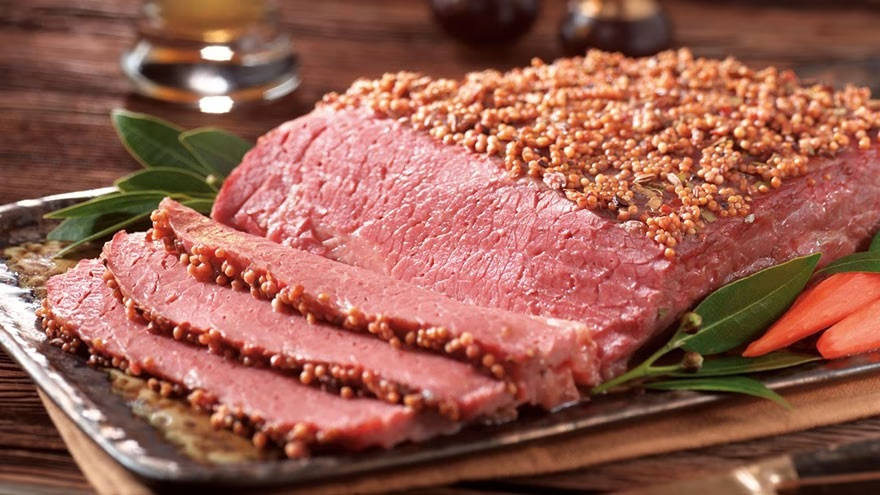
Start With the Cut and the Cure
Learning how to make corned beef begins with understanding what is in the package. Most home cooks buy an already-cured brisket with a spice packet. That brisket has been cured with salt and seasonings, then needs slow cooking until the tough connective tissue relaxes. You are not trying to sear a steak. You are coaxing a firm piece of beef into something tender enough to slice.
Flat-cut brisket is usually easier to slice neatly. Point cut has more fat and can taste richer, but it may slice less evenly. Either can work. Rinse the brisket if the package suggests it or if you prefer a less salty result, then pat it dry before placing it in the pot. The goal is gentle, patient cooking, not a hard boil.
If you want a different corned beef style later, Livecub's Philippines corned beef recipe can give you a second direction. This version focuses on the classic brisket method with vegetables and clean slicing.
Gather the Ingredients
For a basic pot, use one cured corned beef brisket, the spice packet if included, water or low-sodium broth, onion, garlic, bay leaf, carrots, potatoes, and cabbage. Mustard, horseradish, parsley, black pepper, and a splash of cider vinegar can help at serving time. Avoid adding much extra salt until you taste the finished meat.
Put the brisket in a heavy pot or Dutch oven and cover it by about an inch with liquid. Add the spice packet, onion, garlic, and bay leaf. If you like a slightly rounder flavor, replace part of the water with broth. Beer can work too, but it should not dominate the pot.
Keep vegetables separate at first. Potatoes, carrots, and cabbage cook much faster than the brisket. If they go in at the beginning, they may collapse before the meat is tender. Add them near the end so they taste like vegetables, not leftovers from the bottom of the pot.
Cook Low and Slow
Bring the pot just to a simmer, then lower the heat. A rolling boil can make the meat tighten and the liquid cloudy. Cover the pot and cook gently until the brisket is fork-tender. Depending on size and thickness, this often takes several hours. Check occasionally to make sure the meat stays mostly covered.
Food safety still matters. FoodSafety.gov lists 145 degrees Fahrenheit with a three-minute rest as the safe minimum internal temperature for whole cuts of beef, using a food thermometer. You can check the chart at FoodSafety.gov. Corned beef often needs to cook well past that point for tenderness, so do not confuse safe with tender.
For tenderness, look for a fork that slides in with little resistance. If the meat is safe but chewy, keep cooking gently. Add more hot liquid if the level drops too far. Patience is cheaper than trying to rescue tough slices at the table.
A thermometer and a fork answer different questions. The thermometer tells you about food safety. The fork tells you about texture. Corned beef needs both checks because brisket can be safe before it is pleasant to eat. That distinction is important for tenderness.
Add Vegetables at the Right Time
When the brisket is close to tender, add potatoes and carrots. Cabbage can go in later because it softens quickly. Cut vegetables into pieces large enough to hold shape. If you want cleaner presentation, cook the vegetables in some of the brisket liquid in a separate pan. That gives you more control over texture.
Keep the pot at a simmer after adding vegetables. A hard boil breaks potatoes and makes cabbage smell stronger. Taste the broth before serving. If it is very salty, serve the meat with plain potatoes, cabbage, or a sharp mustard to balance it.
For side-dish ideas, Livecub's basic corn souffle recipe and asparagus rolls recipe can sit beside corned beef when you want more than the usual cabbage plate.
If your vegetables finish early, lift them out with a slotted spoon and keep them warm. Do not leave tender cabbage in the pot just because the meat needs another half hour. Separate timing is the difference between a clean plate and a pot of softened edges.
Rest and Slice Correctly
Once the brisket is tender, lift it from the liquid and let it rest on a cutting board. Resting helps the meat settle and makes slicing cleaner. Do not shred it unless that is the texture you want. Classic corned beef is usually sliced, not pulled.
Look for the grain of the meat, then slice across it. This matters more than many people think. Slicing with the grain makes long chewy strands. Slicing across the grain shortens the muscle fibers and makes each piece easier to eat. Use a sharp knife and steady pressure.
If the slices crumble, the meat may be overcooked or cut too hot. If they are tough, it may need more time or a thinner cut across the grain. Corned beef is forgiving, but it still rewards attention.
Keep the slicing surface tidy. Trim large pockets of fat if you prefer, but do not remove every bit before tasting. Some fat helps carry flavor. Serve slices with a spoonful of warm cooking liquid if the platter will sit for a few minutes.
Leftovers and Food Safety
Cool leftovers promptly. Slice or portion the meat into shallow containers so it chills faster. Keep some cooking liquid if you plan to reheat slices, because dry reheated corned beef can become salty and stiff. Reheat gently with a splash of liquid rather than blasting it dry.
The USDA Food Safety and Inspection Service explains that nitrites are used in cured meats as color fixatives and preservation aids. Its page on additives in meat and poultry gives context for cured products. Corned beef is a processed meat, so many people treat it as an occasional food rather than an everyday staple.
Use leftovers in sandwiches, hash, soup, or breakfast plates. If you want a separate high-heat meat recipe later, Livecub's Chinese fried chicken wings article is a different method entirely, but it shows why each protein needs its own timing and temperature habits.
For hash, dice cold corned beef and potatoes, then brown them in a skillet. For sandwiches, slice thinly and rewarm gently. For soup, add the meat near the end so it does not toughen. Leftovers are easier when you store meat and vegetables in separate containers.
A Simple Corned Beef Timeline
Plan backward from dinner. Start the brisket several hours early, depending on size. Add potatoes and carrots when the meat is almost tender. Add cabbage near the end.
Rest the meat before slicing. Set out mustard, horseradish, and a little cooking liquid for serving. A small buffer keeps dinner calm if the brisket needs more time than expected.
If you are making corned beef for guests, cook it earlier than you think. It holds better than it rushes. A tender brisket can rest and rewarm gently. A tough brisket served on time is still tough. Give yourself a buffer.
You can also cook corned beef a day ahead. Chill it in some cooking liquid, then slice it cold and rewarm the slices gently in a covered pan. This can make serving easier for a crowd because cold brisket slices neatly. Keep the vegetables fresher by cooking them the day you serve, not the day before. That small make-ahead choice can save dinner from last-minute knife work.
The best homemade corned beef is not complicated. It is slow, steady, tasted along the way, and sliced with care. That is enough for a reliable meal.
Frequently Asked Questions
Should I boil or simmer corned beef?
Simmer it gently. A hard boil can tighten the meat and make the vegetables fall apart. Low, steady heat gives a better texture.
What temperature is corned beef safe?
Whole cuts of beef are listed as safe at 145 degrees Fahrenheit with a three-minute rest, but corned beef usually needs longer cooking to become tender.
Do I add vegetables at the beginning?
No. Add potatoes and carrots near the end, then cabbage later. Vegetables cook much faster than brisket and can turn mushy if added too early.
Why is my corned beef tough?
It likely needs more gentle cooking or was sliced with the grain. Cook until fork-tender, rest the meat, and slice across the grain.

Cashie Evans
Covers parenting and practical household topics with clear steps, safety notes and links to current guidance.



Leave a reply
Replying to