

How to Motivate Healthy Changes is less about a huge burst of discipline and more about designing a change that can survive a normal week. Motivation helps, but structure keeps going when motivation is low.
Start with one health change, one reason that matters, one tiny action, and one way to return after missing a day. That is less glamorous than a total life reset, but it works better for real people.
Pick One Change First
Choose one change that would make daily life better: walking, sleep, meals, medication routine, stretching, water, less alcohol, more social contact, or a medical appointment you have avoided.
Do not start with five changes unless a clinician has asked you to. Too many changes create noise, and noise makes quitting easier.
If the change is food-related, a food journal can help you notice patterns before making a plan.
Choose A Reason You Can Feel

A reason that sounds impressive may not move you. A reason you can feel might be sleeping better, climbing stairs easier, lowering anxiety after work, having steadier energy, or being present for family.
NIH's emotional wellness toolkit includes strategies such as building resilience, reducing stress, getting quality sleep, being mindful, coping with loss, and strengthening social connections: NIH Emotional Wellness Toolkit.
Write the reason in ordinary language. If it sounds like an advertisement, rewrite it until it sounds like you.
Start With A Baseline
Before changing everything, measure where you are for a few days. How much do you walk, sleep, drink, snack, sit, scroll, or skip meals?
A baseline prevents fantasy planning. It is easier to move from five minutes to ten minutes than from no plan to an hour every morning.
If tracking makes you obsessive or ashamed, track only the one behavior you plan to change.
Use The Smallest Useful Version

The smallest useful version is not a joke. It is the version that counts on a bad day: five minutes of walking, one glass of water, one vegetable at lunch, one stretch, one bedtime cue.
CDC's behavior-change overview describes stages of change, which is a reminder that preparation and maintenance are part of the process, not side issues: CDC behavior change overview.
Small starts protect the habit from your most tired day.
Change The Room Before The Mood
Make the healthy action easier to see and the competing action slightly harder. Put walking shoes by the door, keep water on the desk, move snacks out of sight, or charge the phone away from bed.
Environment beats motivation on tired days. You do what the room makes easy.
If you are helping an older adult change gently, motivating the elderly has a dignity-first lens that also applies to self-motivation.
Plan For Lapses
A lapse is a missed action. A collapse is deciding the lapse proves you cannot change. Plan for the lapse before it happens.
Use a return rule: never miss twice if you can help it, or restart with the smallest version the next day.
Do not punish yourself with a harder workout, a skipped meal, or an impossible catch-up. That turns the plan into a threat.
Add Social Support Carefully
Tell one person what support would help: walk with me Tuesday, ask once about my appointment, or do not bring snacks home this week.
Vague accountability can feel like surveillance. Specific support feels more useful and less shaming.
If you dislike being watched, choose quiet support: a shared calendar, a class, a reminder, or a check-in text.
Use Movement As A Mood Tool
Physical activity does not have to begin as a full fitness plan. A short walk after lunch, stairs once a day, or a ten-minute home routine can change how the body feels.
CDC notes that physical activity can improve brain health, reduce short-term feelings of anxiety for adults, and help sleep: CDC physical activity benefits.
If pelvic floor or men's health is part of the change, Kegel exercises for men is an example of a small, specific health behavior.
Protect Sleep While Changing
People often stack a new diet, exercise plan, early wake-up time, and late-night planning session into the same week. Then they wonder why they feel worse.
If a change steals sleep, it may not be healthy in practice. Build the plan around recovery, not just effort.
A tired brain negotiates harder with every habit.
Tie The Habit To An Existing Cue
New habits often fail when they float loose in the day. Attach the action to a cue that already happens: after brushing teeth, after lunch, after locking the door, or after the first cup of coffee.
The cue should be stable. A habit tied to whenever I feel ready will not get many chances.
Say the plan out loud: after I pour coffee, I fill the water bottle. That sentence is easier to follow than a vague promise to drink more water.
Choose Maintenance Before Intensity
Intensity is attractive because it feels like proof. Maintenance is less exciting, but it is where health changes become part of life.
Ask what version you could keep during a busy week, a rainy week, or a low-mood week. That version is the base.
You can add more on good days, but the base habit should remain small enough to return to without dread.
Make The Default Choice Easier
Default choices shape behavior. Put the walking route on the calendar, keep medicine beside an existing routine, place fruit at eye level, or prepare a simple dinner option before hunger peaks.
If the healthy choice requires extra thinking every time, it will lose to the easier path on tired days.
Designing defaults is not cheating. It is respect for how real attention works.
Use Identity Carefully
Saying I am a healthy person can help some people, but it can backfire if one missed day makes the identity feel false.
A gentler identity is often stronger: I am someone who returns. That sentence leaves room for imperfect weeks.
Let identity follow behavior. Do the small action, repeat it, and let self-trust grow from evidence.
Prepare The Boring Supplies
Healthy changes often depend on boring supplies: clean socks, a water bottle, groceries, a pill organizer, a charger, sunscreen, or a realistic grocery list.
If the supplies are missing, motivation has to solve logistics every day. That is a bad use of motivation.
Spend ten minutes setting up the supplies before promising a harder routine.
The setup may feel too simple, but simple is exactly what tired days need.
A habit that is easy to start has more chances to become familiar.
When the supplies are ready, the healthy choice begins before the moment of temptation.
Preparation turns effort into a shorter decision.
Shorter decisions matter.
Use Medical Advice When Needed
Some healthy changes should be discussed with a clinician, especially if you have a chronic condition, take medication, are pregnant, have pain, have an eating disorder history, or plan intense exercise after inactivity.
Good motivation does not replace personal medical guidance.
Ask for specific limits: what is safe to start, what symptoms should stop the activity, and when to follow up.
Review What Actually Changed
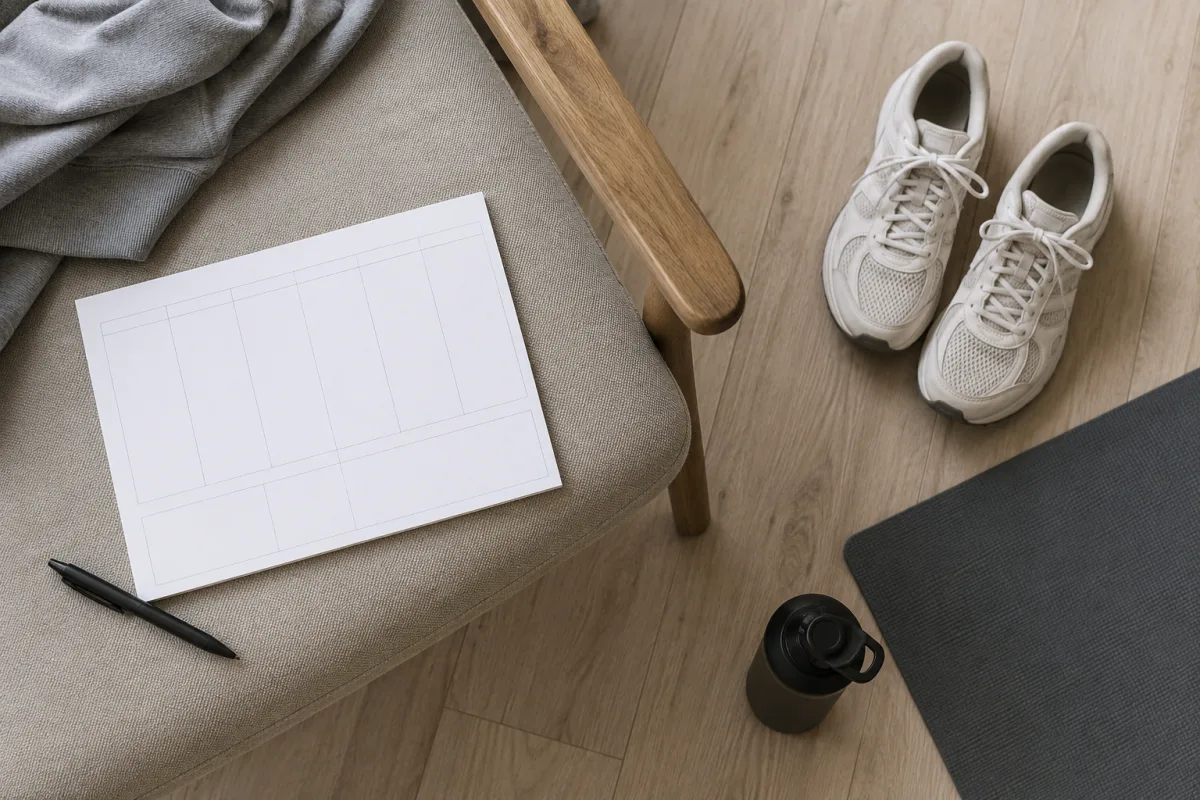
After two weeks, review behavior rather than mood alone. Did you do the tiny action more often? Did the room make it easier? Did the reason still matter?
Keep the part that worked and shrink the part that failed. Editing the plan is not quitting.
Healthy change is built by returning, adjusting, and repeating without turning every miss into a character judgment.
Frequently Asked Questions
How do I motivate myself to be healthier?
Pick one change, connect it to a real reason, make the first action tiny, and remove one barrier.
What if I lose motivation after a week?
Use a return rule and shrink the habit. Motivation drops; routines carry the change.
Should I track progress every day?
Track only what helps. If tracking creates shame or obsession, simplify it.
How many healthy changes should I start?
Usually one. Add another only when the first is stable or your clinician gives a different plan.
When should I ask a doctor?
Ask before major diet or exercise changes if you have health conditions, medication concerns, pain, pregnancy, or a long period of inactivity.
This article is for general information only and isn't a substitute for medical or mental health advice. If symptoms affect daily life, talk with a qualified professional.

Chiara Bradshaw
Covers education, culture and creative topics with an emphasis on readable explanations and verifiable references.




Leave a reply
Replying to