
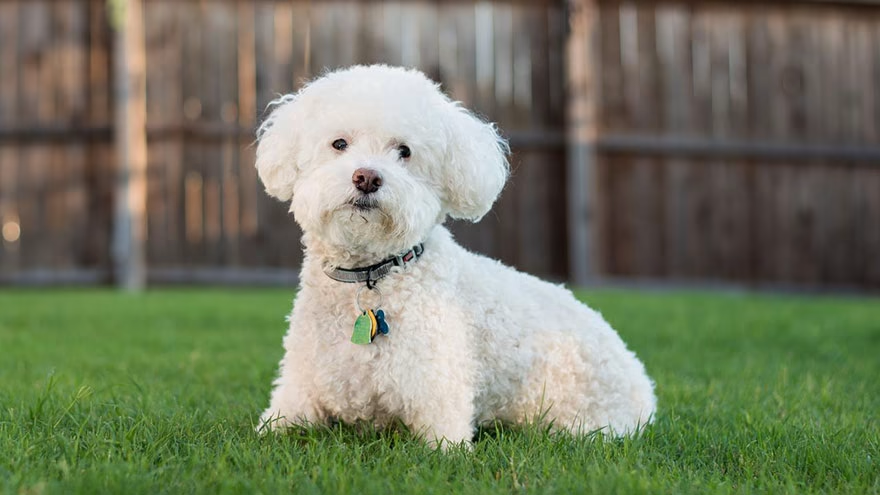
How to Rescue a Bichon Frise starts with patience. Bichons are popular small companion dogs, but rescue Bichons may arrive with medical needs, grooming neglect, toilet-training gaps, separation worries, or old habits from homes that could no longer keep them.
Rescue is not a discount version of buying a puppy. It is a commitment to the dog in front of you, including the parts that may need time, money, and training.
Where Should You Look First?
Start with breed-specific rescue groups, local shelters, and reputable adoption platforms. The Bichon Frise Club of America Charitable Trust describes itself as a national rescue effort focused on rehabilitating and placing Bichons in adoptive homes.
Breed rescue can be useful because volunteers often understand coat care, temperament, and common small-dog issues. Shelters can also have Bichons or Bichon mixes, so do not search only one place.
What Should You Expect From The Adoption Process?

Expect an application, references, vet history questions, landlord approval if you rent, home visit, interviews, and a match process. Some rescues may require all family members and pets to be present for a home visit.
The BFCACT adoption page lists policies such as home visits and no shipping. Policies vary by organization, but careful screening is normal. It protects the dog.
What Questions Should You Ask?
Ask about age, medical records, dental condition, skin, allergies, ears, eyes, grooming tolerance, toilet habits, barking, alone time, children, other dogs, cats, and bite history if known. Ask what the temporary care home has observed, not only what the intake form says.
If the rescue does not know an answer, that is not always a red flag. Dogs often arrive with incomplete history. The problem is pretending uncertainty does not exist.
How Do You Read A Dog Profile?
Read past the cute adjectives. "Needs patience" may mean fear, toilet accidents, or slow trust. "Best as only dog" may mean reactivity or guarding. "Loves people" may mean clingy behavior or separation struggles.
Ask the rescue to translate soft language into daily reality. How long can the dog be left? What happens at grooming? What happens when visitors arrive? What does the dog do on a walk?
What Bichon Health Issues Should You Consider?
Ask about teeth, skin, allergies, ears, eyes, knees, weight, and any ongoing medication. Many rescue Bichons are adults or seniors, so dental care and skin care may be real costs.
Petfinder's Bichon Frise breed page notes that Bichons are small, vocal, and may need basic training. Use breed information as a starting point, then focus on the individual dog.
How Much Grooming Should You Plan For?

Plan for brushing, professional grooming, face cleaning, nail trims, ear checks, and coat maintenance. A rescue Bichon may arrive shaved because of mats, or fluffy but tangled under the surface.
Livecub's longhair Dachshund grooming guide covers a different coat, but the handling lesson applies. Grooming is not only beauty. It is comfort and health.
How Do You Prepare Your Home?
Set up a quiet space, washable bed, food and water bowls, leash, secure walking gear, grooming tools, safe chews, baby gates, and cleaning supplies for accidents. Do not give full house freedom on day one.
A smaller starting area helps the dog learn routine. It also helps you notice toilet cues, stress signals, and whether the dog guards food or resting places.
How Should The First Week Go?
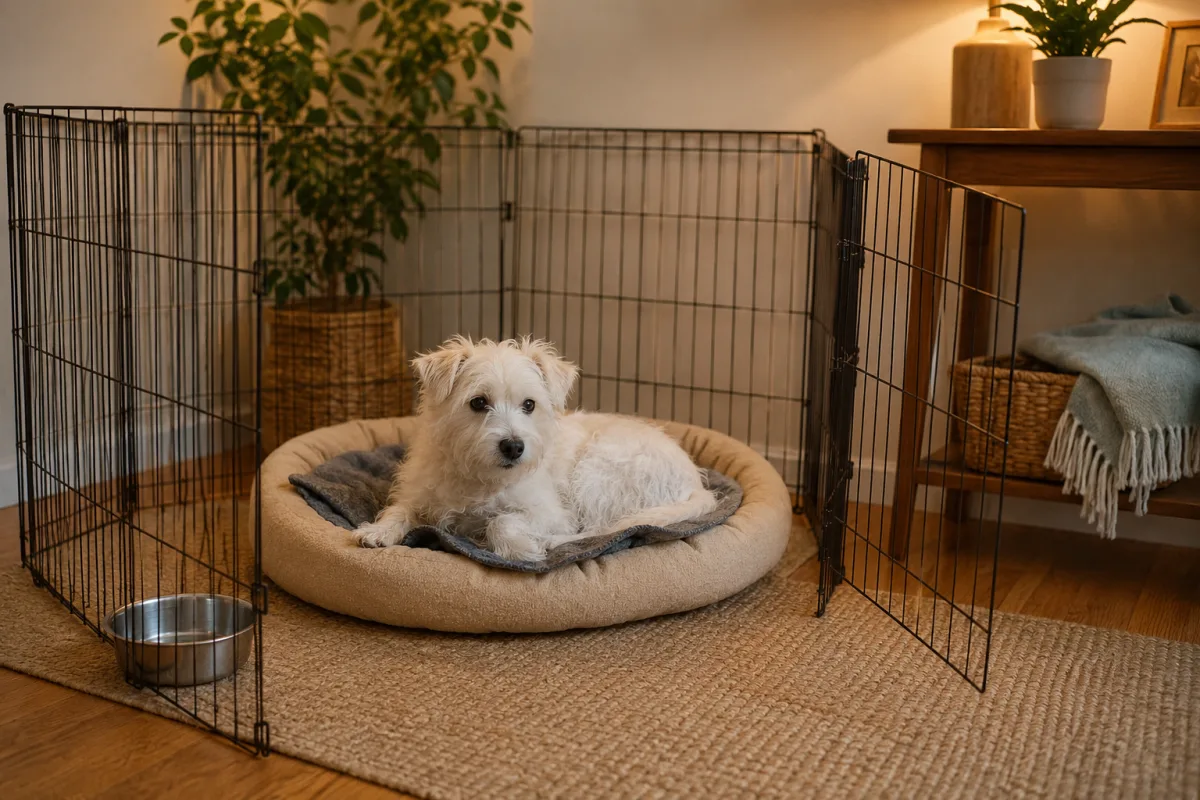
Keep the first week boring. Short walks, predictable meals, gentle handling, quiet introductions, and plenty of sleep. Do not invite everyone over to meet the new dog.
Many rescue dogs need decompression. A Bichon may seem clingy, shut down, hyper, or perfectly easy at first. Behavior can change as the dog feels safer.
How Do You Handle Toilet Training?
Assume the dog needs a refresher. Take the dog out after waking, meals, play, and excitement. Reward outdoor success. Clean accidents with enzyme cleaner. Limit freedom until the pattern is clear.
Do not punish accidents. Stress, medical issues, schedule changes, and confusion can all cause setbacks. If accidents persist, talk with a veterinarian.
What About Separation Anxiety?
Bichons often love people, and some rescue dogs panic when left. Practice short departures, calm returns, safe confinement, and independent chew time. Do not leave the dog for a long workday on day two and hope for the best.
If the dog screams, destroys exits, drools, or cannot settle, get help early. Use the available related dog training mindset from Livecub's Miniature Schnauzer questions: small dogs still need structure.
How Do You Build Trust?
Use predictable routines, gentle voice, choice when possible, and rewards for brave behavior. Let the dog approach instead of forcing affection. Some Bichons become cuddly quickly; others need time before touch feels safe.
Trust is built through ordinary repetition: meals appear, walks happen, grooming is gentle, and people stop when the dog is overwhelmed. Rescue dogs learn the new home through patterns.
How Do You Introduce Other Pets?
Use slow, controlled introductions. Walk parallel with dogs when possible. Use gates indoors. Do not let a resident dog crowd the new Bichon. Do not assume a small dog is safe around cats or children without supervision.
If you are comparing household fit across small breeds, Livecub's Maltese questions and Lhasa Apso questions may help you think through companion-dog expectations.
What Costs Should You Expect?
Budget for adoption fee, vet exam, dental work, grooming, food, parasite prevention, training, bedding, and emergency savings. A free or low-fee dog can still need expensive care.
Ask the rescue what care has already been done: vaccines, spay or neuter, dental cleaning, bloodwork, microchip, or medication. Get copies of records.
What If The Dog Is A Mix?
Many rescue dogs are Bichon mixes. That can affect coat, size, energy, shedding, and temperament. Do not reject a good match because the dog is not perfectly purebred, and do not assume a mix has fewer care needs.
Ask what traits the rescue has actually observed. A Bichon-looking mix may still need the same grooming budget and training patience as a purebred Bichon.
How Do You Choose Between Two Dogs?
Choose the dog whose needs fit your life, not the one with the prettiest photo. A senior with dental needs may be easier than a young dog with panic. A shy dog may fit a quiet home better than a busy family.
Write down your real limits before applying: work hours, grooming budget, stairs, children, travel, noise tolerance, and vet savings. Honesty prevents a second failed placement.
What Training Should Start First?
Start with name response, toilet routine, gentle handling, settle, and short walks. Do not begin with tricks or big social outings. The dog needs to learn that the home is safe and predictable.
Keep sessions tiny. Rescue dogs often learn faster when the lesson feels easy. A few calm repetitions every day can do more than one long session that leaves the dog stressed.
Also plan grooming practice as training, not as a chore saved for later. Touch the paws, lift the chin, brush a small area, reward calm behavior, and stop before the dog is overwhelmed. That makes future grooming appointments kinder.
When Should You Call The Vet?
Book a wellness exam soon after adoption, even if the rescue has records. Call sooner for coughing, vomiting, diarrhea, limping, eye pain, ear odor, skin sores, refusal to eat, sudden accidents, or behavior that looks like pain.
Small dogs can hide discomfort behind clingy or cranky behavior. A vet visit can separate training problems from medical problems before frustration builds.
Frequently Asked Questions
Are rescue Bichons good for first-time owners?
Some are, but match the dog carefully and be ready for grooming, training, and possible medical needs.
Do Bichons need a fenced yard?
Not always, but they need safe walks, toilet routine, and supervision outdoors.
Are rescue Bichons already house-trained?
Some are. Others need a refresher because stress and new routines can cause accidents.
Can a Bichon live with children?
Some can, but children must be gentle and the rescue may have age policies.
Should I adopt a senior Bichon?
Senior Bichons can be wonderful, but ask about teeth, heart, eyes, medication, and mobility.
What Is The Best Rescue Mindset?
Rescue a Bichon Frise by choosing the right dog, not the first cute photo. Ask detailed questions, prepare for grooming and vet care, give the dog a calm first month, and let trust grow at the dog's pace.

Timothy Davidson
Edits step-by-step general-interest guides for clarity, realistic limits and source verification.



C Thomas