
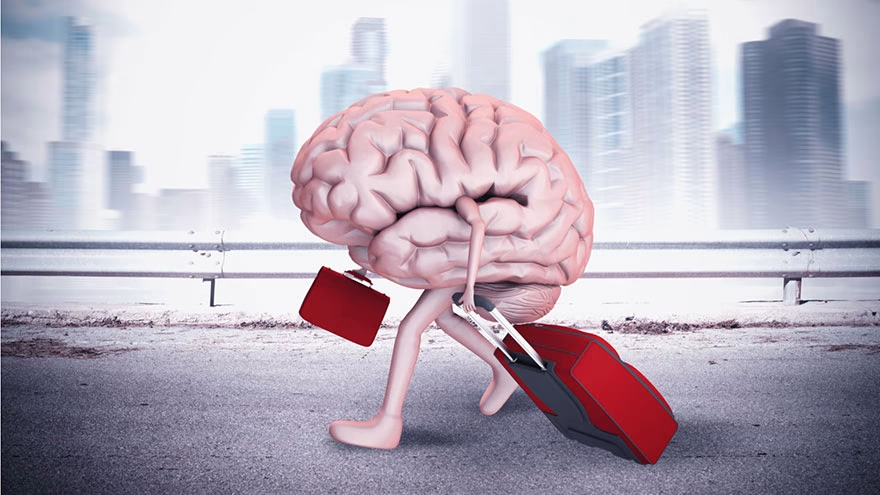
How to Revitalize a Tired Brain starts with treating mental fatigue as a signal, not a character flaw. A tired brain may need sleep, food, movement, lower input, medical care, or a cleaner work rhythm.
This is not about forcing focus through another hour of scrolling, caffeine, and guilt. The better plan is to remove obvious drains, restore the basics, and know when tiredness needs a clinician.
Name The Kind Of Tired
Brain tired can feel like slow thinking, poor memory, irritability, rereading the same line, or making small mistakes.
Mayo Clinic notes that fatigue is often linked to lifestyle issues such as poor sleep habits or lack of exercise, but it can also connect to medicine, depression, or illness: Mayo Clinic fatigue overview.
Sleep Comes First
If sleep is short or broken, do not start with productivity tricks. Start with the sleep window, light exposure, caffeine timing, and a calmer bedtime.
CDC says good sleep is essential for health and emotional well-being, and sleep needs change with age: CDC about sleep.
Use A Low Input Reset

A tired brain often needs less input, not more stimulation. Put the phone down, lower noise, step away from tabs, and sit in a quiet place for ten minutes.
This is not wasted time. It is a reset for attention that has been pulled in too many directions.
Move Gently
A short walk, easy stretching, or light chores can wake the body without adding pressure.
NIMH recommends regular exercise, regular meals, hydration, sleep, relaxing activities, goals, gratitude, and staying connected as parts of mental health self-care: NIMH mental health self-care.
Feed The Work
Skipped meals, low protein, dehydration, or too much caffeine can make thinking feel harder. Start with water and a simple meal or snack.
Livecub's food journal guide can help spot patterns between meals, energy dips, focus, and mood.
Take A Real Break
A real break is not switching from work tabs to social feeds. Try walking, eyes closed, stretching, washing dishes, or sitting outside.
The point is to let attention detach from the same type of input that tired it out.
Cut The Task Smaller
When the brain is tired, vague tasks feel impossible. Change write report into open file, outline three headers, then draft one paragraph.
Small starts reduce the mental load of deciding what the task even is.
Watch For Stress Load
Stress can make the brain feel noisy and dull at the same time. It can affect memory, patience, sleep, and decision-making.
Livecub's stage fright guide is performance-focused, but the body-calming tools can also help when stress floods attention.
Older Adults Need Context
A tired brain in an older adult may relate to sleep, medication, grief, pain, dehydration, infection, mood, hearing, vision, or isolation.
Livecub's motivating elderly loved ones guide can help families support energy without blame.
Medical Red Flags
Get medical advice for sudden confusion, weakness, fainting, chest pain, severe headache, fever, new neurologic symptoms, or tiredness that is new and persistent.
Livecub's metastatic bone cancer symptoms guide shows why unexplained symptoms should not be handled only with lifestyle tips.
Brain Fog After Illness
After infection, surgery, concussion, grief, or heavy stress, thinking may stay slower for a while.
Do not keep raising the workload as punishment. Use pacing, notes, shorter work blocks, and medical follow-up when symptoms persist.
Use External Memory
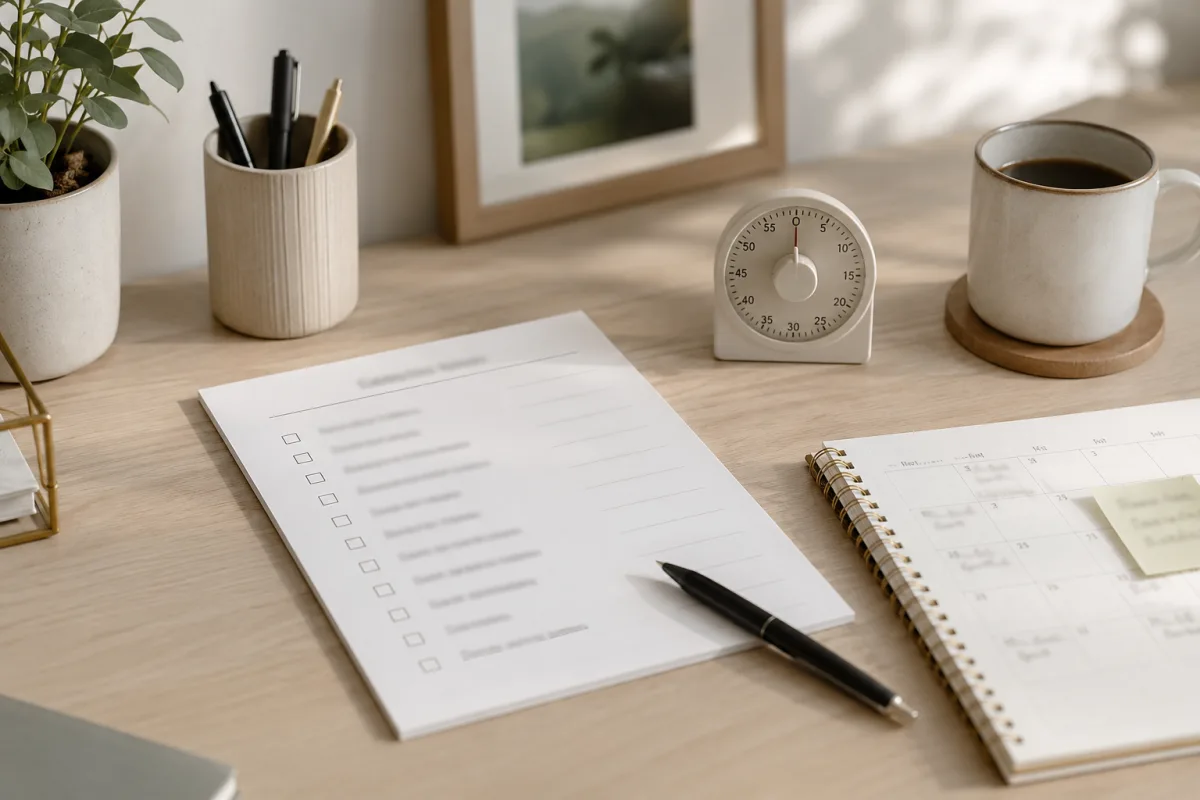
A tired brain should not have to hold everything. Use checklists, timers, calendar reminders, and one capture notebook.
External memory is not weakness. It prevents attention from being spent on remembering to remember.
Reduce Decision Count
Pick default meals, default work blocks, default exercise, and default bedtime cues for a few days.
Fewer decisions can free energy for the one or two choices that actually matter.
Caffeine With Boundaries
Caffeine can help alertness, but late caffeine can damage sleep and create tomorrow's tired brain.
If caffeine is not working anymore, the answer may be rest, food, daylight, or a medical check rather than a larger dose.
Use Light And Air
Morning light, fresh air, and a short walk can help the body understand that the day has started.
This will not fix serious fatigue, but it can help when the brain is foggy from indoor stillness.
Stop Multitasking
Multitasking makes a tired brain pay a switching cost over and over. Close what you are not using.
Use one window, one task, one timer, and one place to put stray thoughts.
Plan The Hard Work
Put harder thinking tasks at the time of day when your brain is usually least tired.
Save email cleanup, errands, and shallow tasks for lower-energy windows if your schedule allows.
Use Recovery Notes

Track what improves focus: sleep length, walking, food, lower noise, music, breaks, or morning work.
After a week, the notes may show a pattern that motivation alone could not.
Do Not Shame The Brain
Calling yourself lazy adds stress to fatigue. A better question is what condition would make the next step easier.
Shame consumes the same attention you are trying to restore.
When Rest Does Not Work
If rest, food, sleep, movement, and lower workload do not help, ask for medical care. Fatigue can come from sleep disorders, anemia, thyroid disease, depression, infection, medications, and other causes.
The goal is not to self-diagnose. The goal is to stop treating persistent fatigue as a personality issue.
Screen Fatigue
Screens can tire attention through brightness, motion, alerts, tabs, and constant decisions.
Use larger text, fewer notifications, scheduled message checks, and a paper note for tasks that do not need a screen.
Use Microbreaks
A microbreak is one to three minutes: stand, look far away, breathe slowly, refill water, or stretch your hands.
The break is short enough to use often and long enough to interrupt the mental pileup.
Deep Work Block
Choose one block for the task that needs the most thought. Put the phone away, close extra tabs, and use a visible timer.
Stop at the timer even if you could continue. A clean stop helps the next session feel less heavy.
Medication Review
Some medications and supplements can cause sleepiness, dizziness, or foggy thinking.
Do not stop prescribed medication on your own. Bring a full list to a clinician or pharmacist and ask what could affect energy.
Posture And Breathing
Long sitting, shallow breathing, and tight shoulders can make fatigue feel worse.
Try standing, opening the ribs, relaxing the jaw, and taking a few slow breaths before returning to the task.
Use A Shutdown Ritual
At the end of the workday, write tomorrow's first task, close the computer, and clear only the items needed for morning.
A shutdown ritual prevents the brain from carrying unfinished loops into the evening.
Do Less On Purpose
On a low-energy day, pick the minimum useful list: one body need, one work need, one home need.
Doing less on purpose is different from drifting. It protects recovery while keeping life moving.
Ask Better Questions
Instead of why am I useless, ask what changed recently: sleep, stress, food, illness, medication, workload, grief, or hormones.
Better questions point toward care. Harsh questions only add noise.
Use A Nap Carefully
A short nap can help some people, but long late naps can make nighttime sleep worse.
If naps leave you groggy or push bedtime later, try quiet rest without sleep instead.
Change The Task Texture
If reading is failing, try outlining. If writing is failing, try dictating. If planning is failing, try sorting sticky notes.
Changing the format can reduce friction without abandoning the task.
Protect Recovery Days
After a heavy deadline, travel, illness, or family crisis, plan a lighter day if possible.
Recovery does not always happen automatically. Sometimes it needs a place on the calendar.
Frequently Asked Questions
What is the fastest way to help a tired brain?
Reduce input, drink water, eat something steady, move gently, and take a real break away from screens.
Can sleep fix brain fatigue?
Often it helps, but persistent fatigue, brain fog, or new confusion should be discussed with a healthcare professional.
Does exercise help mental fatigue?
Light movement can improve alertness for many people, but severe or post-illness fatigue may need pacing and medical advice.
Why does multitasking make my brain feel worse?
Task switching uses attention. A tired brain often does better with one task, one timer, and fewer open inputs.
When should I see a doctor?
Seek care for sudden confusion, neurologic symptoms, fainting, chest pain, severe headache, or fatigue that persists despite basic recovery.
To revitalize a tired brain, start with the basics: sleep, food, water, movement, fewer inputs, smaller tasks, and medical care when fatigue does not make sense.

Chiara Bradshaw
Covers education, culture and creative topics with an emphasis on readable explanations and verifiable references.




Leave a reply
Replying to