
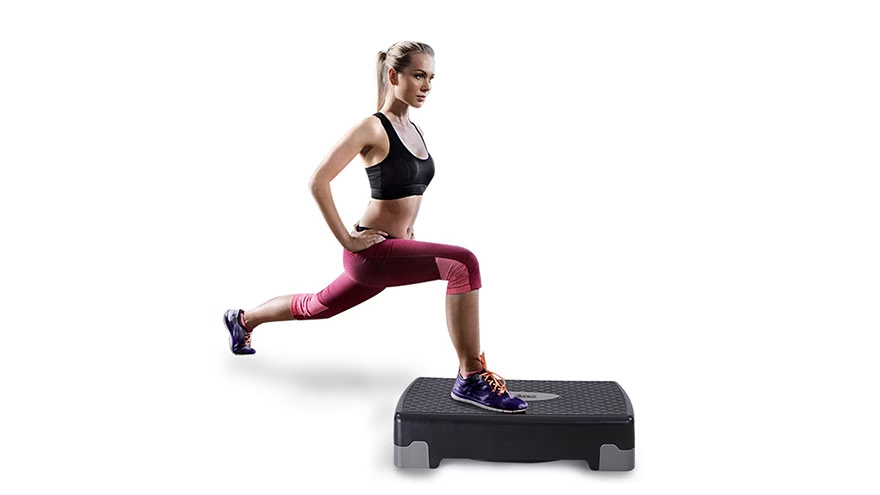
Set Up the Bench Before the Workout
Step bench workouts look simple, but setup decides a lot. The bench should sit flat, the floor should be dry, and the area around it should be clear. If the platform slides, wobbles, or feels too high, fix that before the first step.
ACE's step-bench training guide recommends a lower platform for beginners and warns that the knee should not bend beyond 90 degrees when stepping. That is a useful rule because too much height can turn a cardio workout into knee and hip stress.
A lower step done well beats a high step done badly.
Basic Step Aerobics Workout
Start with a basic up-up, down-down pattern. Step up with the right foot, then the left. Step down with the right foot, then the left. Repeat for one minute, then lead with the other foot.
Use music if it helps, but do not chase a beat that makes the feet sloppy. Step close to the bench, place the whole foot on top, and step down quietly. Livecub's basic aerobic steps article is a good companion for learning rhythm without rushing.
The first workout should teach timing, not exhaust you.
Beginner Low-Impact Circuit
Use four moves: basic step, knee lift, side step-up, and toe tap to the bench. Do each for 45 seconds, rest for 15 seconds, then move to the next. Repeat the circuit two or three times.
Keep the arms simple at first. Natural arm swing is enough. Once the feet are consistent, add reaches, curls, or light punches. If balance feels uncertain, slow down and keep the eyes forward.
The American Heart Association's physical activity recommendations describe moderate-intensity activity as effort where you breathe harder but can still talk. That is a good target for beginner step sessions.
Cardio Interval Step Workout
After warming up, alternate one minute of steady basic stepping with 30 seconds of faster knee lifts or corner-to-corner steps. Repeat for 12 to 18 minutes, then cool down with easy marching and calf stretches.
Intervals should feel controlled. If the faster blocks make you miss the bench or stomp the floor, shorten them to 15 seconds. A clean interval is safer and more useful than a frantic one.
For another cardio style with a strong rhythm, Livecub's Tae Bo weight loss guide shows how pacing and repeatable effort matter in choreographed workouts.
Step and Strength Circuit
Use the bench for step-ups, incline push-ups, split squats, glute bridges with heels on the bench, and mountain climbers with hands on the bench. Do eight to twelve repetitions of each strength move and add one minute of easy stepping between moves.
This workout is not about speed. Keep the knee aligned with the toes, keep the trunk steady, and use a bench height that lets you control the lowering phase. Add dumbbells only after bodyweight reps look clean.
Strength work on a step still needs quiet knees.
Lower-Body Step Workout
Build a leg-focused session with step-ups, lateral step-ups, reverse lunges from the floor, hamstring bridges, and slow step-downs. Use two or three rounds. Rest long enough that the next set does not become a balance test.
Slow step-downs are especially useful. Stand on the bench, lower one foot toward the floor, tap lightly, and return. The moving knee should track forward without collapsing inward.
Livecub's running bleachers benefits article covers another version of step-style lower-body conditioning for people who train around stairs.
Upper-Body Add-On
A step bench can make upper-body exercises more accessible. Use incline push-ups, raised-hand plank shoulder taps, triceps dips with bent knees, and forearm planks with elbows on the bench. Keep the wrists comfortable and shoulders away from the ears.
Do not rush dips. They can irritate shoulders when the range is too deep. Keep the chest open, bend the elbows only as far as feels controlled, and skip the move if it causes pinching.
Core and Balance Step Workout
Use the bench for slow toe taps, plank hand taps, standing knee drives, and step-up pauses. Hold the top of each step-up for two seconds before stepping down. That small pause makes the hips and trunk do more honest work.
Keep one hand near a wall if balance is uncertain. Balance training should feel focused, not risky. If the foot lands halfway on the bench, slow down and reset before continuing.
Balance work is only useful when the landing is safe.
Short Apartment-Friendly Workout
Use quiet movements if you live above someone. Try basic steps, toe taps, low knee lifts, side taps, and slow step-downs. Avoid jumping, stomping, and fast repeaters. Use shoes that grip without squeaking.
Set a timer for 20 minutes: three minutes easy, twelve minutes steady, three minutes lower-body strength, and two minutes cool down. Quiet does not mean easy. Controlled stepping can still raise the heart rate.
Cardio and Core Finisher
Finish a workout with three short rounds: 30 seconds of basic step, 30 seconds of alternating knee lifts, 30 seconds of incline mountain climbers with hands on the bench, and 30 seconds of rest. Keep the bench low and the pace clean.
This finisher should add effort without ruining form. If the mountain climbers bother wrists or shoulders, switch to standing knee drives. If the knees dislike faster stepping, make the steps slower and stronger.
A finisher should finish the session, not finish your joints.
Weekly Step Bench Plan
Use step workouts two or three times per week. Make one session steady, one interval based, and one mixed with strength if your body tolerates it. Add walking, cycling, mobility, or rest on other days.
The CDC's adult activity guidance recommends aerobic activity plus muscle-strengthening days. A step bench can support both, but weekly balance matters.
Do not make every step workout the hardest one.
How to Progress Over Time
Progress by adding minutes before adding height. A longer steady workout on a low bench is usually easier to control than a short workout on a bench that is too tall. After time feels manageable, add a few intervals or a light strength block.
Change only one variable per week. That might be five more minutes, one more circuit round, a slightly quicker song, or a pair of light dumbbells for strength moves. Changing everything at once makes soreness and joint feedback harder to understand.
Progress should leave you able to train again.
Cooldown and Mobility
Cool down with easy marching, slow step touches, calf stretches, hamstring stretches, and gentle hip flexor work. Let breathing settle before sitting down. A sudden stop can feel rough after intervals.
Use the cooldown to check the body. Knees, Achilles tendons, hips, and low back should feel worked but not irritated. If one area feels sharp or unstable, write it down and adjust the next session.
Shoes and Floor Choice
Wear shoes that grip the floor and let the foot land fully on the bench. Very soft soles can feel unstable on fast patterns, while worn-out soles may slide. Test a few basic steps before starting the timer.
Avoid thick rugs, uneven mats, and slick tile. The bench should not rock as you step on and off. If the room is cramped, choose side taps and basic steps instead of wide travel patterns.
Safety Cues That Matter
Place the whole foot on the bench. Step down close to the platform. Keep the knees soft and avoid locking them. Lean from the ankles rather than folding at the waist when the pace gets faster.
If you trip, lower the height or slow the pattern. If the knees hurt, reduce height, avoid deep lunges, and use shorter sessions. A step workout should leave you tired, not limping.
For home setup, Livecub's tumbling mat guide can help readers think about floor space and padding, though the step itself still needs a stable non-slip surface.
Frequently Asked Questions
How high should a step bench be?
Beginners often do best with four to six inches. Use a height that keeps the knee bend comfortable and controlled.
Are step bench workouts good for beginners?
Yes, if the bench is low, the pace is manageable, and the moves are simple. Start with basic stepping before intervals.
Can step workouts help with weight loss?
They can support calorie burn and fitness. Weight loss still depends on total activity, food habits, recovery, and consistency.
How often should I do step workouts?
Two or three sessions per week is a practical start for many people. Add rest or lighter days if joints feel irritated.

Chiara Bradshaw
Covers education, culture and creative topics with an emphasis on readable explanations and verifiable references.
Leave a reply
Replying to