

Phone etiquette for a secretary starts before the first word. The caller hears pace, confidence, organization, and respect in the first few seconds. A good secretary does not just answer a phone; they protect the office's time, route information cleanly, and make callers feel handled instead of bounced around.
The job has changed from old switchboards to shared lines, softphones, voicemail, and customer systems, but the human work is the same. Listen, identify the need, choose the next step, and leave a record that another person can act on without calling back to ask what happened.
What Is Good Phone Etiquette For A Secretary?
Good etiquette is clear, calm call handling. The U.S. Bureau of Labor Statistics lists answering telephones, taking messages, forwarding calls, greeting visitors, and providing information among receptionist duties. A secretary may have a broader role, but the same front-desk discipline applies.
The phone creates a record even when no one writes it down. A rushed greeting can make a caller defensive. A vague transfer can waste two employees' time. A missing callback number can turn a simple request into an afternoon of hunting. Etiquette is not polish for its own sake; it is error prevention.
How Should A Secretary Answer A Business Call?
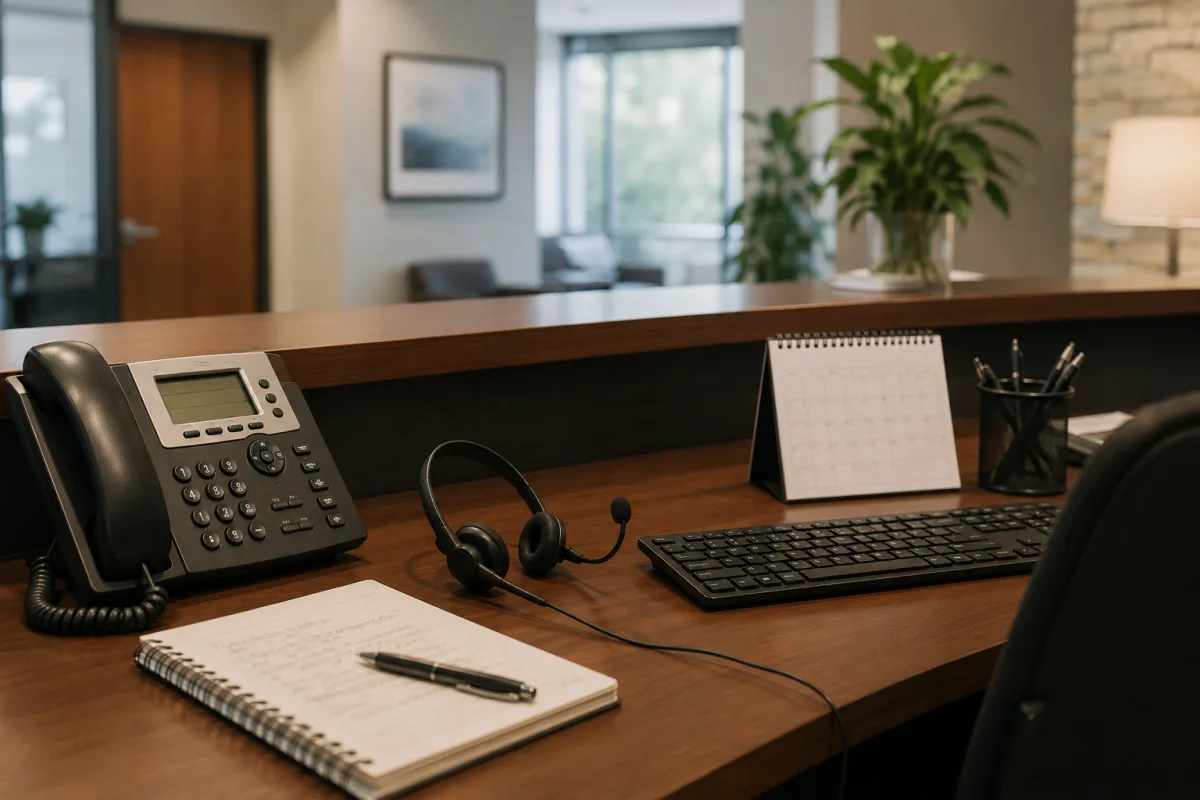
Answer with a short greeting, the organization or department name, your name if office policy allows it, and an offer to help. "Good morning, Oak Street Clinic, this is Dana. How may I help you?" works because it gives the caller location, person, and permission to explain the reason for the call.
Speak at a normal volume and slow down slightly. Callers may be in a car, lobby, warehouse, hospital room, or noisy home. A calm first sentence keeps them from asking "Is this the right place?" and repeating the story from the beginning.
If your office has several phone lines, keep a small call map near the phone: departments, extensions, emergency routing, vendor contacts, voicemail rules, and backup names. Livecub's receptionist and administrative assistant duties article can help separate front-desk tasks from deeper administrative work.
What Should You Say Before Putting Someone On Hold?
Ask first. "May I place you on a brief hold while I check that?" is better than pressing the button mid-sentence. If the caller says no, offer a callback or take a message. The caller may be on a short break, using a shared phone, or trying to reach someone from a stressful situation.
The University of Mount Saint Vincent's phone etiquette guidance says callers should not be left on hold too long without a check-in and thanks. That is practical. A silent hold teaches people that the office forgot them.
When you return, thank the caller and explain the next step. "Thank you for waiting. I confirmed that Ms. Lee is in a meeting until 2:30. I can transfer you to voicemail, take a message, or ask her assistant to call you back." The caller now has options instead of another dead end.
How Do You Transfer Calls Without Frustrating Callers?
A clean transfer has three parts: explain where the call is going, give the caller the direct number or extension if possible, and brief the receiving person before connecting the call. Warm transfers prevent the caller from repeating private or emotional details to every person in the office.
Do not use transfer as a way to get rid of a difficult call. If you are unsure where the caller belongs, say so plainly and gather enough information to route the call once. For customer-facing offices, Livecub's restaurant customer service complaint guide is useful beyond restaurants because it shows how listening changes the tone of a complaint.
If the transfer fails, own the next step. "If we are disconnected, please call this number and ask for scheduling." That small detail saves embarrassment and reduces repeat calls.
What Makes A Phone Message Useful?
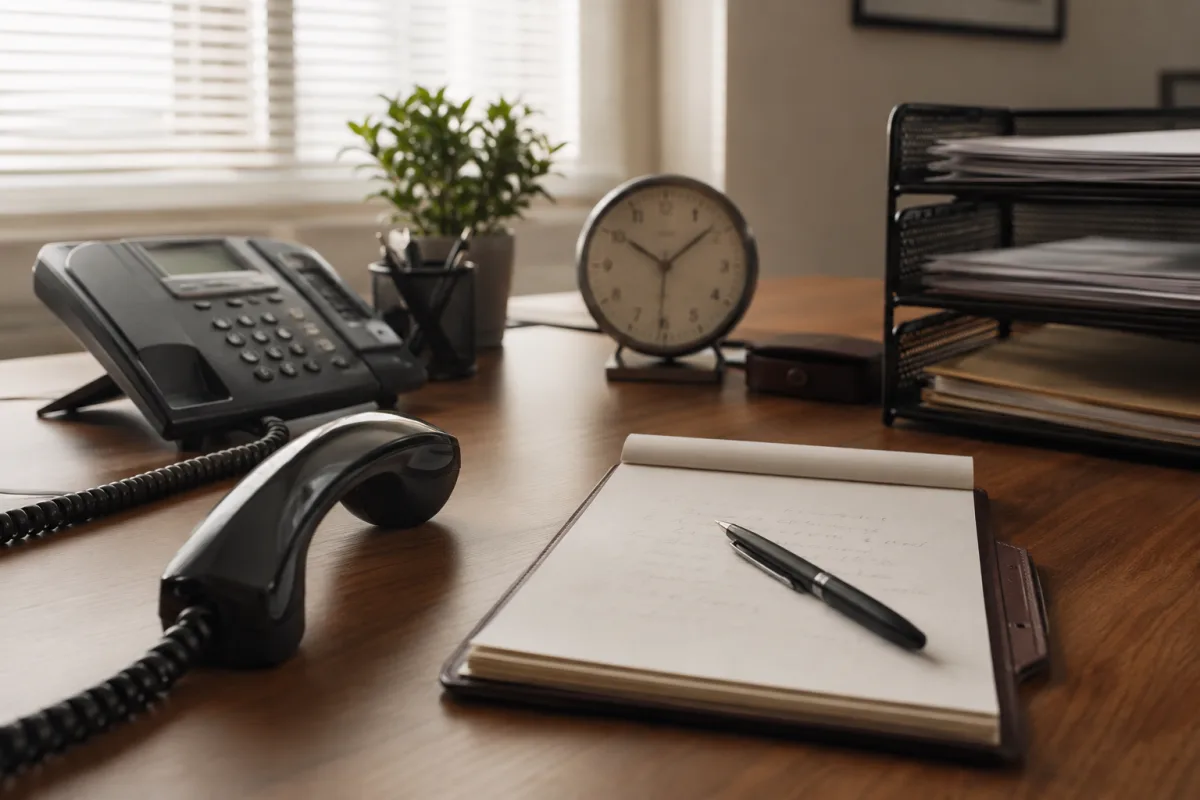
A useful message has the caller's full name, organization if relevant, callback number, date, time, person requested, reason for the call, deadline, and any promised next step. Repeat names and numbers back to the caller. Spell unfamiliar names. Confirm whether a text, email, or phone call is preferred if the office uses multiple channels.
O*NET lists answering telephones, directing calls, providing information, greeting visitors, and scheduling appointments among receptionist and information clerk activities. Those tasks depend on clean message-taking. A note that says "John called" is not a message; it is a problem waiting for someone else.
Use the office's system, not a loose pile of sticky notes, when the matter affects customers, patients, vendors, legal deadlines, or money. If a handwritten note is unavoidable, write legibly and move it to the proper system as soon as possible.
How Should A Secretary Handle Difficult Callers?
Stay steady and specific. Let the caller finish the first explanation unless they are abusive or threatening. Then narrow the issue: "I want to make sure I route this correctly. Are you calling about the invoice, the appointment time, or the delivery?" A focused question lowers the temperature because it gives the call a path.
Do not match sarcasm, sighs, or volume. If a caller becomes insulting, use the office policy: warn once, offer a constructive path, and end the call if abuse continues. Internal stress matters too. Livecub's guide to rude coworkers can help when poor phone culture is coming from inside the office.
Some calls are sensitive: bereavement, medical worry, billing hardship, disciplinary issues, or family conflict. Keep your voice neutral and avoid sharing more than the caller is entitled to know. If the person requested is unavailable, "She is away from her desk" is usually safer than a detailed location.
What Should You Avoid On Office Calls?
Avoid slang, side conversations, eating, speakerphone without consent, jokes about delays, and guessing at answers. If you do not know, say you will check. A wrong answer delivered confidently is harder to repair than a short pause for verification.
Do not announce private office drama into the phone. The caller does not need to hear that someone is late, upset, on vacation for a personal reason, or "never answers anyway." A secretary often knows more than a caller should hear. Professional restraint protects everyone.
Also avoid making callers repeat information after you failed to listen. If you missed something, ask once and own it: "I am sorry, I want to get that number right. Would you repeat the last four digits?" That sounds better than "What?" and it keeps the record accurate.
How Should Outgoing Calls Sound?
Outgoing calls need the same care as incoming calls. Identify yourself, name the organization, explain the reason for the call, and ask whether it is a good time. If you reach voicemail, leave a concise message with callback details. Do not leave private information unless office policy allows it.
Prepare before dialing. Have the file, order number, appointment slot, or question in front of you. If the call involves office tone, workspace, or shared expectations, Livecub's office cubicle guide is a reminder that small workplace habits shape how people experience the office.
How Does Phone Etiquette Support The Whole Office?
Phone etiquette reduces confusion. It protects appointments, billing, customer service, vendor relationships, and internal trust. A secretary who routes calls well becomes a quiet control point for the organization: fewer missed messages, fewer angry callbacks, fewer repeated stories, and fewer surprises.
It also protects the secretary. Clear scripts, documented messages, and consistent transfer rules create a trail. If a caller later says nobody helped, the office can see what was asked, who received the message, and what follow-up was promised.
Frequently Asked Questions
Should a secretary answer with their full name?
Follow office policy. A first name and department often work, while some workplaces require a full name.
How long can a caller stay on hold?
Keep holds brief and check back. If the wait grows, offer a callback or message instead.
What should be included in a phone message?
Name, organization, phone number, date, time, reason for calling, requested person, and deadline.
Is it rude to screen calls?
No, if it is office policy and done politely. The caller should understand why you are asking.
How should a secretary handle an angry caller?
Listen, clarify the issue, route the call correctly, and follow the office rule for abusive language.
What Is The Best Daily Habit?
Slow down enough to get the call right the first time. A secretary with good phone etiquette sounds calm, writes complete messages, checks before transferring, and never makes the next person clean up avoidable confusion.

Cashie Evans
Covers parenting and practical household topics with clear steps, safety notes and links to current guidance.




Leave a reply
Replying to