
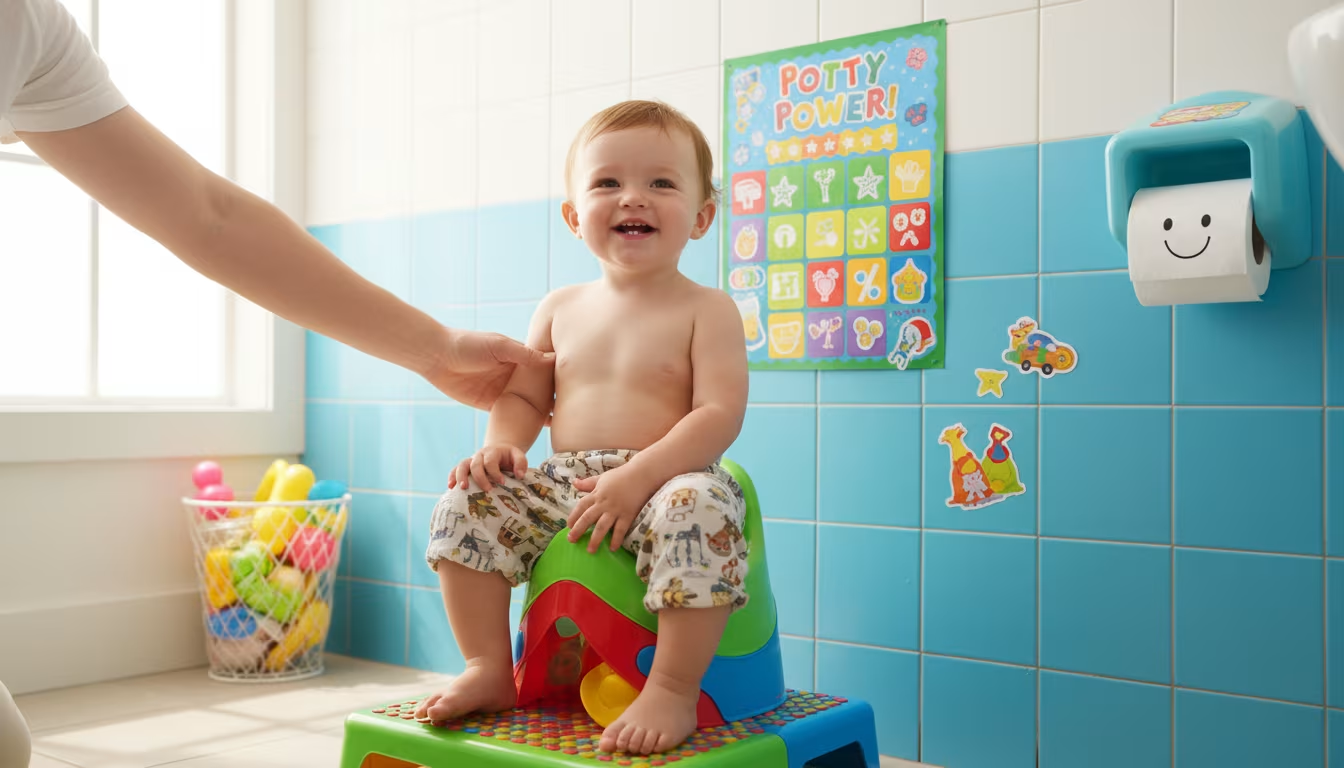
Most struggles at the toilet come down to timing rather than willpower. A toddler who fights every attempt is usually not being defiant; the body signals, the muscle control, or the interest simply are not there yet. When you match the teaching to the child, the whole process gets shorter and far less tense, because you stop pushing a skill the child is still building.
The job splits into a few learnable parts: noticing the urge, holding on long enough to move, managing clothing, sitting on the potty, and cleaning up afterward. Each of those can be practiced calmly, and none of them respond well to pressure.
Read The Readiness Signs
Readiness shows up in behavior long before a calendar says it should. Watch for longer dry stretches, a child who notices when the diaper is wet or dirty, who can follow a two-step instruction, who can pull pants up and down, and who shows curiosity about the bathroom. Interest and body control together are a much better green light than age alone.
Most children are physically ready somewhere between two and three years old, and starting well before that window tends to stretch the process out rather than speed it up. The American Academy of Pediatrics' HealthyChildren.org makes the same point: waiting until a child is genuinely ready usually makes training faster and calmer. Starting early is not a badge of good parenting, and a slower start is not a delay.
If daytime control is steady but overnight dryness lags, that is normal; nighttime often trails months behind. Once daytime skills hold up, getting kids off pull-ups becomes the natural next step.
Keep The Tone Neutral
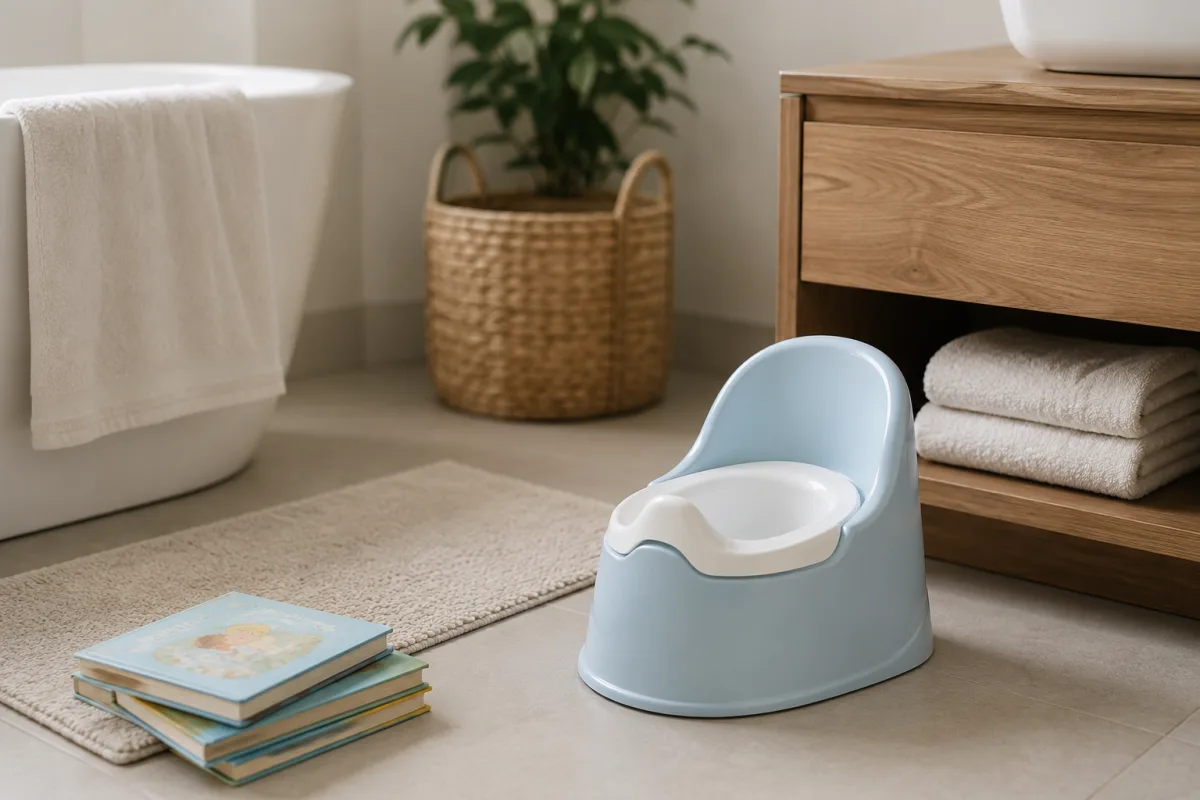
The language around accidents matters more than most parents expect. Use plain, calm words for urine, stool, body parts, and messes. A child who feels ashamed tends to hide accidents instead of learning from them, which slows everything down. Praise the effort and the communication, not only the dry result, because a child who says "I need to go" is learning even when the timing is late.
Clean up accidents matter-of-factly: we wipe this up, we wash hands, we try again later. Neutral does not mean careless; it means the adult handles the mess without turning it into a lesson about character. If resistance suddenly spikes, look for constipation, illness, fear of the flush, or a recent upheaval like a move or a new sibling before you assume the child is simply refusing.
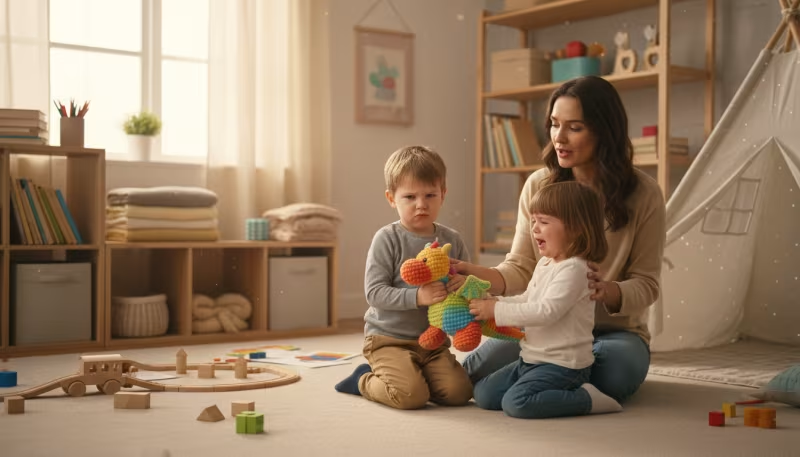
When bathroom time keeps turning into a standoff, it helps to separate a genuine skill gap from a power struggle. Our guide to toddler tantrums can help you tell the two apart, because they call for very different responses.
One Routine, Every Caregiver

Consistency across adults is what makes a routine stick. Grandparents, babysitters, a daycare teacher, and both parents should use the same words, offer the potty at the same predictable moments, and respond to accidents the same way. When the adults are inconsistent, the child looks inconsistent, and everyone gets frustrated for no good reason.
Keep the shared plan short enough to hand to anyone: which words to use, when to offer the potty, what to do after a success, what to do after an accident, and when to pause. A predictable, almost boring setup lowers the drama; the child should not need a performance or a negotiation every time. Put the step stool, wipes, and clean underwear where they are actually needed so the safe, easy choice is also the obvious one.
Change one part of the routine at a time if something is not working. Changing everything at once makes it impossible to tell what actually helped, and it unsettles a child who was relying on the pattern.
When To Pause And When To Call

Pausing is a legitimate strategy, not a failure. If training has become a daily fight, step back to the last thing that worked and rebuild from there. A pause might mean returning to diapers for a long trip or taking a break for a couple of weeks; calling it a reset keeps it from feeling like defeat, for you and the child.
Some clues point toward a clinician rather than a routine tweak. Pain when passing stool, blood, hard or infrequent stools, a fever, or a sudden wave of accidents after real progress are worth a call to the pediatrician. Prematurity, sensory needs, or developmental differences can also change the pace, and a slower plan built around the actual child is still a strong plan. Bring specifics to the visit: dates, what you have tried, and what time of day tends to go best.
Above all, protect your own patience, because a calm adult is part of the method. Trade off with another caregiver when you can, and if a session is heading toward anger, end it on one small, understandable step, such as washing hands, and come back when everyone can be steady.
Frequently Asked Questions
What matters most for potty training?
Readiness, a consistent routine, and calm repetition matter far more than speed or a clever trick.
What should I do if my child resists?
Lower the pressure, check for constipation or fear, pause if needed, and restart with a simpler routine.
Do rewards help?
Small encouragement can help, but heavy rewards risk turning a body skill into a bargaining match. Praise for effort tends to work better.
When should I call the pediatrician?
Call for pain, blood, repeated constipation, a sudden regression after progress, or any worry about development.
This article is for general information only and is not a substitute for medical, safety, or pediatric advice. Follow product instructions and ask a qualified professional when needed.

Timothy Davidson
Edits step-by-step general-interest guides for clarity, realistic limits and source verification.



Leave a reply
Replying to