
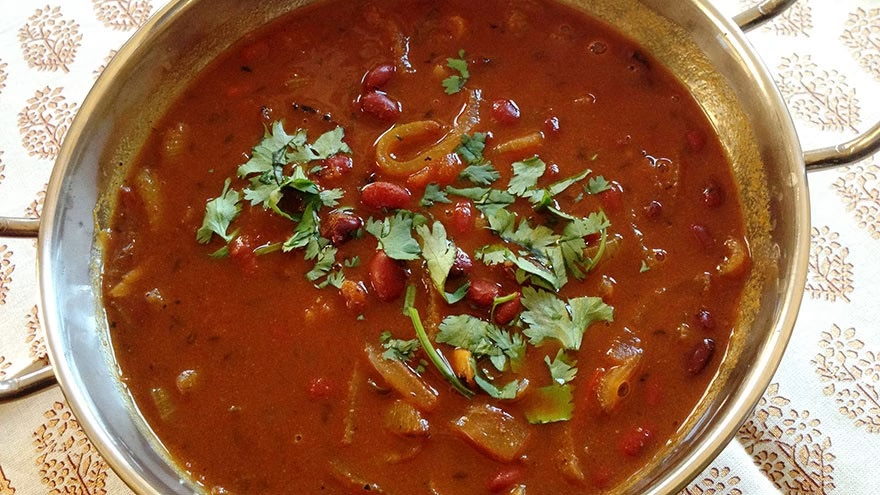
Rajma Needs Tender Beans and a Patient Masala
This rajma recipe is a kidney bean curry built on two separate jobs: cook the beans until fully tender, then simmer them in an onion-tomato masala until the sauce tastes rounded. If the beans are undercooked or the masala is rushed, the dish tastes unfinished no matter how many spices are added.
Rajma is often served with rice in North Indian home cooking, especially in Delhi and Punjab-influenced kitchens. This version keeps the method practical for a home cook using dried red kidney beans or canned beans.
The beans should be creamy inside before they meet the final sauce.
Ingredients
For 4 servings, use 1 cup dried red kidney beans, soaked overnight, or 3 cups canned kidney beans drained and rinsed. Use 2 tablespoons oil or ghee, 1 large onion finely chopped, 1 tablespoon ginger-garlic paste, 2 tomatoes pureed or finely chopped, 1 teaspoon cumin seeds, 1 teaspoon ground coriander, 1/2 teaspoon turmeric, 1 teaspoon Kashmiri chile powder, 1 teaspoon garam masala, salt, and 2 to 3 cups water.
Finish with cilantro, a little butter or cream if desired, and lemon juice if the sauce needs lift. Serve with basmati rice, jeera rice, roti, or naan. Livecub's basic corn souffle recipe is not traditional with rajma, but it fits a comfort-food table if you want a soft side.
Use spices for warmth, not to hide undercooked beans.
Kidney Bean Safety
Dry kidney beans need proper boiling because they contain phytohaemagglutinin, a natural toxin that is reduced by correct cooking. Utah State University Extension's kidney bean safety guidance recommends boiling dry beans on the stovetop for 10 minutes.
Do not cook dry kidney beans from raw in a slow cooker without the proper boil step. Slow cookers may not heat evenly or hot enough for that early safety step. If that sounds like more work than you want, use canned kidney beans.
Canned kidney beans are already cooked; dried kidney beans need respect.
Step 1: Soak and Boil the Beans
Sort the dried beans and remove stones or damaged beans. Rinse well. Soak overnight in plenty of water. Drain, rinse, then cover with fresh water in a pot. Bring to a full boil and boil for 10 minutes before lowering the heat.
Simmer until the beans are tender all the way through. This may take 45 to 90 minutes depending on age and size. Add more water if needed. A bean should mash easily between fingers, not feel chalky in the center.
The US Dry Bean Council's cooking with beans guidance also starts with sorting, rinsing, and cooking dry beans in fresh water.
Pressure Cooker Method
If using a pressure cooker, still sort, rinse, soak, drain, and give dried kidney beans the proper boil step before pressure cooking. After that, cook with fresh water until tender. Timing varies by cooker and bean age, so texture matters more than the clock.
Do not add the full tomato masala before the beans are soft. Acidic ingredients can make already stubborn beans take even longer. Cook the beans first, then let the masala do its work.
A pressure cooker speeds the process, but it does not replace safe prep.
Step 2: Cook the Onion Base
Heat oil or ghee in a heavy pot. Add cumin seeds and let them sizzle briefly. Add the onion and cook until golden at the edges. This step builds sweetness and body, so do not stop while the onion is still raw and sharp.
Add ginger-garlic paste and cook until the raw smell fades. Stir often so it does not burn. Burnt garlic can make the whole pot taste bitter.
Step 3: Build the Tomato Masala
Add tomatoes, coriander, turmeric, chile powder, and salt. Cook until the tomatoes thicken and the oil begins to separate slightly at the edges. This is the point where the masala stops tasting watery.
If the mixture sticks, add a spoonful of water and keep cooking. Do not drown it too early. A concentrated masala gives rajma its depth.
For an onion-focused side skill, Livecub's Asian seasoning mix is not Indian masala, but it reinforces how dry spices need balance and timing.
Step 4: Simmer Beans and Masala Together
Add cooked beans and enough bean cooking liquid or water to make a loose curry. Simmer 20 to 30 minutes so the beans absorb the masala. Mash a few beans against the side of the pot to thicken the sauce naturally.
Add garam masala near the end. Taste for salt. Add lemon only if the sauce needs brightness. If using cream or butter, add it at the end and keep the heat gentle.
The final simmer turns beans and sauce into one dish.
How Thick Should Rajma Be?
Rajma should be spoonable, not dry. The sauce should coat rice without running like broth. If it is too thick, add hot water in small amounts. If it is too thin, simmer uncovered and mash a few beans.
Thickness also depends on how you serve it. Rajma with rice can be a little looser. Rajma with roti or naan can be thicker so it stays on the bread.
Canned Bean Version
Use 3 cups canned kidney beans, drained and rinsed. Make the masala first, then add the beans with 1 to 1 1/2 cups water. Simmer gently for 20 minutes, mashing a few beans to thicken.
Canned beans are faster but can taste separate from the sauce if barely heated. Give them enough simmering time to absorb flavor without breaking them into paste.
Spice Adjustments
Kashmiri chile powder gives color with moderate heat. If using a hotter chile powder, start with less. Garam masala varies by brand, so add it late and taste before adding more.
If the sauce tastes harsh, simmer longer. If it tastes dull, check salt first, then add a little lemon. If it tastes too sharp from tomato, a small spoon of butter can round the edges.
Serving Ideas
Serve rajma with steamed basmati rice, jeera rice, roti, naan, sliced onion, cucumber, yogurt, pickle, or a simple salad. Keep sides fresh because the curry is earthy and rich.
For a larger dinner, Livecub's asparagus rolls are not traditional with rajma, but they show how a light vegetable side can keep a meal from feeling too heavy.
For a simple family meal, keep the sides modest: rice, yogurt, onion, and pickle are enough. Rajma is filling because beans bring starch and protein in the same bowl.
Make-Ahead Plan
Cook the beans a day ahead if you want an easier dinner. Store the cooked beans with some cooking liquid so they do not dry out. The next day, make the masala and simmer everything together.
You can also make the entire rajma ahead. The flavor often improves after a night in the refrigerator. Reheat slowly and add water as needed because beans keep thickening the sauce after storage. Taste again after reheating and adjust salt gently before serving with rice.
Storage and Reheating
Cool leftovers in shallow containers and refrigerate promptly. Rajma often tastes better the next day because the beans keep absorbing flavor. Reheat gently with a splash of water if the curry thickens.
FoodSafety.gov's food-safety steps include chilling perishable foods promptly. Beans are not exempt just because the dish is vegetarian.
Troubleshooting
The beans are still firm
Keep simmering in water until tender before relying on the masala. Acidic tomatoes can slow softening if beans are not cooked first.
The curry is watery
Simmer uncovered and mash a few beans. Do not add flour; the beans can thicken the sauce themselves.
The flavor tastes flat
Check salt first, then add a little garam masala, butter, or lemon depending on what is missing.
Frequently Asked Questions
Can I make rajma without soaking beans overnight?
You can use a quick-soak method or canned beans, but dried kidney beans still need a proper boiling step.
Can I cook rajma in a slow cooker?
Only after dry kidney beans have been boiled properly first, or by using canned beans. Do not put raw dry kidney beans straight into a slow cooker.
What should I serve with rajma?
Steamed rice is classic. Roti, naan, yogurt, onion, pickle, or a simple salad also work.
How long does rajma keep?
Refrigerate leftovers promptly in shallow containers and use them within a few days, reheating with a splash of water.

Tory Stearns
Edits practical household, travel and lifestyle explainers. Claims that can change are linked to current primary or subject-authority sources.




Leave a reply
Replying to