
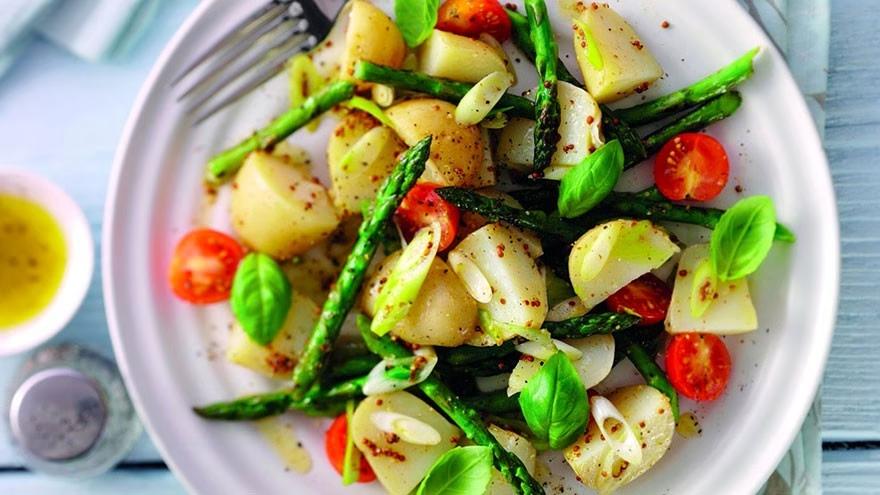
My Favorite Things : Salads Galore starts from a familiar place: many people grew up with one plain salad and assumed that was the whole category. Salad can be much more useful than lettuce, tomato, and a bottled dressing. It can be a side, a main course, a clean-out-the-fridge meal, a grilled chicken bowl, a steak salad, a bean salad, a grain salad, or a bright plate beside rich holiday food. The best salads are built, not dumped. They need contrast, clean produce, a good dressing, and enough structure to satisfy.
What makes a salad satisfying?
A satisfying salad has at least three kinds of contrast: crisp and soft, rich and sharp, mild and strongly flavored. Lettuce alone rarely feels like a meal. Add protein, grains, beans, nuts, cheese, eggs, fish, chicken, or roasted vegetables and the salad becomes more complete.
The old article mentioned salads with chicken, fish, steak, red onion, feta, bacon dressing, mushrooms, chestnuts, artichokes, asparagus, and mozzarella. That range is useful because it shows that salad is a structure, not a single ingredient list.
Build for contrast. If everything is crunchy, the salad feels dry. If everything is soft, it feels tired. A good bowl has movement.
Buy and wash produce safely
FDA's produce safety guidance says to wash fruits and vegetables under running water and not to use soap, detergent, or commercial produce wash. Produce is porous, and soap can be absorbed.
CDC's safer food choices page points out that unwashed fresh fruits and vegetables, including lettuce and leafy greens, carry risk. Its safer choices page also notes that washed vegetables and fruits are safer choices.
Dry greens well. Dressing clings better to dry leaves, and the salad stays crisp longer. Use a spinner or clean towels.
Start with greens or grains
Greens can be tender, crisp, bitter, peppery, or sturdy. Romaine gives crunch, spinach is soft, arugula is peppery, kale can handle a little massage with salt or dressing, and cabbage holds up for slaws and packed lunches.
Cooked greens can become salad too. A guide like cooking greens is useful when you want a warm salad base with garlic, oil, vinegar, or beans.
Grain salads use rice, barley, farro, couscous, quinoa, or pasta as the base. They are good for meal prep because they hold dressing better than delicate lettuce.
Add protein and substance
For a main course salad, add enough protein to make the bowl feel like dinner. Chicken, steak, salmon, tuna, hard-boiled eggs, beans, lentils, tofu, chickpeas, cheese, nuts, or seeds can all work. Keep the portion balanced with the greens and dressing.
Leftover poultry can become a fast salad if handled safely. Goose, chicken, or turkey can be sliced thin and paired with bitter greens, apples, toasted nuts, and a sharp vinaigrette. If using rich poultry, look at ideas around cooking goose and balance the fat with acid.
Protein changes the role. A side salad refreshes the plate. A main salad has to carry hunger, texture, and flavor for the whole meal.
Make better dressings
A basic vinaigrette needs oil, acid, salt, pepper, and something to help it come together. Mustard, honey, garlic, shallot, yogurt, tahini, or cheese can change the style. Start with more oil than acid, then adjust by taste.
Sauces and dressings teach the same balance. A collection like stir fry sauces is not a salad article, but it shows how salt, sweetness, acid, heat, and body work together.
Dress lightly first. Toss, taste, then add more. Overdressed salad wilts quickly and can hide good ingredients.
Use toppings with restraint
Toppings should add contrast, not clutter. Try one crunchy item, one salty item, one sweet or acidic item, and one creamy item. Croutons, toasted nuts, seeds, pickled onions, dried fruit, olives, feta, goat cheese, avocado, or bacon can all work in the right salad.
Rich ingredients need balance. A small amount of foie gras, blue cheese, bacon, or creamy dressing can feel luxurious, but too much makes a salad heavy. A guide like cooking with and serving foie gras reminds you that rich food usually needs acidity and portion control.
Let one topping lead. If every ingredient is trying to be the star, the salad loses focus.
Serve salads safely
USDA's chilled salad advice says perishable food should be refrigerated within 2 hours, or 1 hour above 90 degrees F, and cold foods should be kept at 40 degrees F or below. Its salads chilled article is especially relevant for picnics and buffets.
Keep dressed greens cold until close to serving. For parties, put out smaller bowls and refill from the refrigerator. Grain, bean, chicken, tuna, egg, or dairy-based salads need the same timing respect as other perishable foods.
Cold service preserves texture. It also keeps the salad safer and better-looking through the meal.
Use a simple salad formula
Start with a base, add a protein, choose one crunchy topping, add one creamy or salty element, and finish with acid. This formula keeps the bowl balanced without forcing you to follow a strict recipe.
For example, use romaine, grilled chicken, toasted walnuts, feta, and lemon vinaigrette. Or use farro, chickpeas, roasted peppers, cucumbers, and yogurt dressing. The formula changes easily with season and leftovers.
A formula beats guessing. It gives you freedom without turning the salad into a random pile.
Make salads ahead without ruining them
Keep wet ingredients separate from delicate greens until serving. Tomatoes, cut fruit, cooked grains, beans, cheese, and dressing can all add moisture. Pack them in layers if you are taking salad to work.
Use sturdy bases for make-ahead salads. Cabbage, kale, carrots, grains, beans, and roasted vegetables hold better than tender lettuce. Dress delicate leaves at the last minute.
Control moisture. Most sad salads are not bad ideas; they are good ideas dressed too early.
Use seasonal ingredients
Spring salads can use asparagus, peas, herbs, and soft cheeses. Summer salads can use tomatoes, cucumbers, corn, berries, and grilled chicken. Fall salads can use apples, roasted squash, nuts, and sharp cheese. Winter salads can use citrus, cabbage, beets, grains, and warm dressings.
Seasonal thinking keeps salads from feeling repetitive. It also helps you choose produce that tastes better with less effort.
Let the season do some work. A ripe tomato or crisp apple needs less dressing than a tired ingredient.
Turn leftovers into salads
Leftover roasted vegetables, grilled chicken, steak, beans, rice, herbs, and cheese can all become tomorrow's salad. The trick is to add something fresh so the bowl does not taste like a cold plate of leftovers.
Use a crisp base, a sharp dressing, and one fresh herb or crunchy topping. A little acid can make yesterday's food feel intentional again.
Leftovers need contrast. Cold chicken with cold potatoes may feel dull, but the same chicken with greens, pickled onions, and vinaigrette can feel new.
Make salad easier to eat
Cut ingredients into fork-friendly sizes. Huge leaves, long onion strips, and oversized tomato pieces make a salad awkward. A salad should not require a knife unless it is meant to be a wedge salad.
Season the components, not only the dressing. A tiny pinch of salt on tomatoes, eggs, beans, or grains can make the whole bowl taste more complete.
Ease matters. People eat more salad when it is crisp, balanced, and simple to get onto a fork.
For a party, serve dressing on the side unless the salad is sturdy enough to hold. Guests can add what they like, and the leftovers have a better chance of staying crisp.
Keep one simple salad in your regular rotation. Once the base is familiar, seasonal changes feel easy instead of like a new recipe every time.
Frequently Asked Questions
Can salad be a full meal?
Yes. Add protein, fat, starch or grains, and enough texture. Lettuce and dressing alone rarely carry a full meal.
Should I wash prewashed greens?
Follow package directions. For loose produce, rinse under running water and dry well before using.
How do I keep salad from getting soggy?
Dry the greens, dress lightly, keep wet toppings separate until serving, and use sturdy greens for make-ahead salads.
What is the easiest homemade dressing?
Whisk olive oil, vinegar or lemon juice, mustard, salt, and pepper. Taste and adjust with honey, garlic, or herbs.
Salads become more appealing when they are treated like real cooking. Wash and dry produce, build contrast, add enough substance, dress with restraint, and keep perishable bowls cold.

Linda Fehrman
Edits general wellness and relationship explainers. Health material is educational, avoids diagnosis and links to health-authority guidance.




Leave a reply
Replying to