
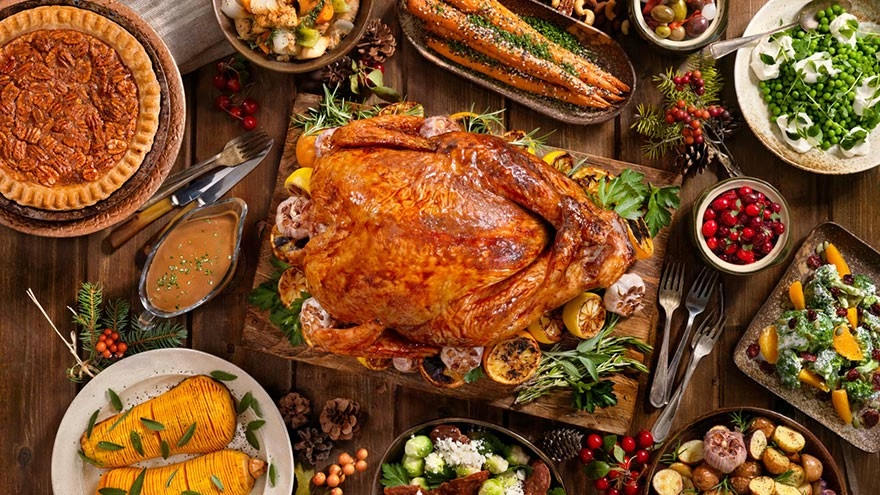
Food safety decides the recipe options
FoodSafety.gov says Thanksgiving leftovers can be kept in the refrigerator for three to four days on its leftovers guidance. That clock starts the plan.
If a dish sat out too long, it should not become soup, casserole, or sandwich filling. A recipe cannot rescue unsafe storage.
Make soup from turkey and vegetables
Turkey, carrots, celery, onions, greens, herbs, and broth can become soup. Add noodles or rice near the end so they do not swell into paste.
If you have extra vegetables, asparagus rolls can inspire a smaller side instead of another heavy casserole.
Build a sandwich with contrast
Turkey needs moisture, acid, and crunch. Cranberry sauce, pickles, slaw, mustard, gravy, crisp lettuce, or toasted bread can keep a sandwich from tasting like a cold plate.
A sweet finish such as fudge icing belongs in a separate dessert moment so the sandwich stays balanced.
Use casseroles carefully
Casseroles can use turkey, stuffing, vegetables, gravy, potatoes, and cheese, but they must be reheated safely. Do not rely on a browned top as proof the center is hot.
FSIS says leftovers should be reheated to 165 F on its Thanksgiving leftovers page. Use a thermometer.
Make breakfast hash
Diced potatoes, turkey, roasted vegetables, and herbs can become a skillet hash. Add eggs at the end if desired and keep the pan from becoming a wet pile.
Seasoning ideas from seasoning mix can help leftovers move away from the original Thanksgiving flavor.
Freeze what you cannot use soon
Freezing buys time, but quality still changes. Freeze in flat, labeled portions and keep gravy or sauce with dry turkey when possible.
USDA SNAP-Ed's Thanksgiving leftover ideas also points readers back to USDA safety recommendations.
Do not force every leftover into one dish
Some leftovers are better separate. Pie, salad, cranberry sauce, rolls, gravy, turkey, and vegetables have different storage lives and textures.
If you are feeding a group again, display planning can help keep small portions organized instead of piling everything together.
Start with the part that affects safety
Before adjusting flavor, presentation, or timing, check the practical safety points: cooling time, storage date, shallow containers, turkey, gravy, vegetables, 165 F reheating, freezer labels, discard plan A good meal, garden task, or holiday table is easier to enjoy when the risky part is not being guessed.
Handle the safety step first. That may mean chilling food, checking shellfish, using a thermometer, testing soil, washing produce, or deciding which dish needs the oven before the guests arrive.
Match the method to the ingredient
The recipe should fit how each leftover was cooled, how old it is, its texture, and whether it can be reheated safely. Ingredients do not all respond the same way. A root vegetable, clam, steak, doughnut, peach, apple, or spring green needs a method that respects texture, moisture, sugar, starch, and storage.
This is where many home cooks lose the thread. They follow a mood instead of reading the food in front of them.
Watch the mistake that spoils the result
The mistake to avoid is combining all leftovers into one dish without checking storage time, moisture, texture, and safe reheating temperature. It usually starts with a shortcut that sounds harmless and ends with poor texture, unsafe holding time, bland flavor, or a table that feels harder than it needed to be.
Small timing choices carry a lot of weight. A few minutes can separate crisp from soggy, tender from tough, ripe from bruised, or safe leftovers from food that should be thrown away.
Use one reliable cue
Choose a cue you can actually observe: a thermometer reading, a shell opening, dough that has risen, a peach that gives slightly, soil that is not waterlogged, or vegetables that are tender at the center.
Reliable cues are better than vague cooking time. Times help you plan, but the food itself gets the final vote.
Plan the order of work
Most kitchen stress comes from doing the right tasks in the wrong order. Prep the long-cooking or chilling items first, keep raw and ready-to-eat foods separate, and leave finishing work for the items that suffer if they sit.
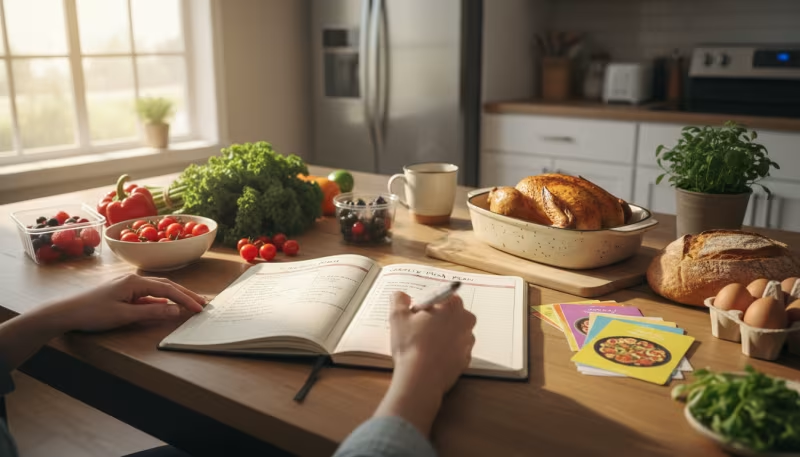
Write the order in plain language. A short list keeps the plan from living only in your head, especially for holidays, fried dough, seafood, or multi-part vegetable dishes.
Keep texture in mind
Texture is often what makes the dish feel cared for. Roast until edges brown, simmer gently when cream is involved, slice fruit to suit the use, and keep crisp items away from steam until serving.
If a dish has several parts, protect the one most likely to wilt, toughen, soak, or collapse. That usually tells you what should be cooked last.
Make leftovers part of the plan
Leftovers should not be an afterthought. Shallow containers, quick cooling, labels, and a realistic plan for the next meal can save food and reduce risk.
A dish is not finished until it is served or stored safely. That one habit matters for soups, beef, seafood, Thanksgiving food, cooked vegetables, and fruit desserts.
Adjust without losing the point
Substitutions are fine when they respect the job of the ingredient. Change the vegetable, spice, fruit, or side dish if the new choice still gives the same balance of moisture, sweetness, acidity, body, or crunch.
Do not replace the ingredient that holds the whole dish together unless you are ready to change the method too.
Finish simply
A final check before serving can save a dish: taste for salt and acid, wipe the rim, warm the plate if needed, chill the salad, or add herbs after heat has done its work.
Simple finishing is not boring. It lets the food taste intentional instead of busy.
Think about serving temperature
Temperature changes how food reads at the table. A chilled salad needs sharper seasoning than a warm roast, a cream soup should be hot but not scorched, and fried food loses its charm when steam softens the crust.
Serve the dish at the temperature that protects its best trait. That may mean keeping doughnuts fresh, holding latkes in small batches, chilling cut fruit, or letting beef rest before slicing.
Use contrast on purpose
Most good plates have contrast. Sweet needs acid, soft needs crunch, rich needs freshness, and mild food often needs herbs or browning. Contrast should make the main ingredient clearer, not bury it.
If you add a garnish, make it earn its place. Herbs, toasted nuts, crisp vegetables, lemon, vinegar, yogurt, chile, or crumbs can help when they answer a real texture or flavor problem.
Keep the workspace clean enough to think
A crowded counter makes mistakes easier. Clear raw-food tools, wipe spills, move finished dishes away from heat, and set out clean utensils before the last rush.
Kitchen calm often comes from fewer loose objects. When the counter is clean, it is easier to see which dish needs heat, which needs chilling, and which can wait.
Give yourself one backup
A backup does not have to be dramatic. Keep broth for thinning soup, lemon for brightness, extra greens for a salad, a simple dessert, or a plain vegetable side that can rescue a heavy menu.
Backups are especially useful for holiday meals, seafood, dough, and ripe fruit because those foods can change quickly. A simple fallback keeps you from forcing a failing plan.
Share the dish while it is at its best
Some foods are meant to wait and some are not. Doughnuts, fried items, seafood, dressed salads, and crisp vegetables are better when served close to finish time. Braises, soups, sauces, and some desserts tolerate a slower pace.
Let the food's timing decide the serving order. That one choice can make a modest dish taste more cared for than an overbuilt dish served too late.
Do one last table check
Before serving, look at the whole meal instead of one dish. Check utensils, plates, serving spoons, water, napkins, cooling containers, and the place where hot pans will land.
That final glance often catches the practical problem you would otherwise notice only after everyone sits down for the meal.
Frequently Asked Questions
How long are Thanksgiving leftovers safe?
Use current food safety guidance. Many leftovers are best within three to four refrigerated days.
Freeze what you cannot use soon.
Can I make soup from leftovers?
Yes, if the leftovers were stored safely. Bring the soup to a safe temperature.
Add starches late for better texture.
What reheating temperature should I use?
USDA guidance commonly uses 165 F for reheated leftovers.
Use a thermometer in the center.
Can I freeze leftover turkey?
Yes. Freeze in labeled portions and protect it from drying out.
Quality is best when packaged well.

Linda Fehrman
Edits general wellness and relationship explainers. Health material is educational, avoids diagnosis and links to health-authority guidance.


Leave a reply
Replying to