
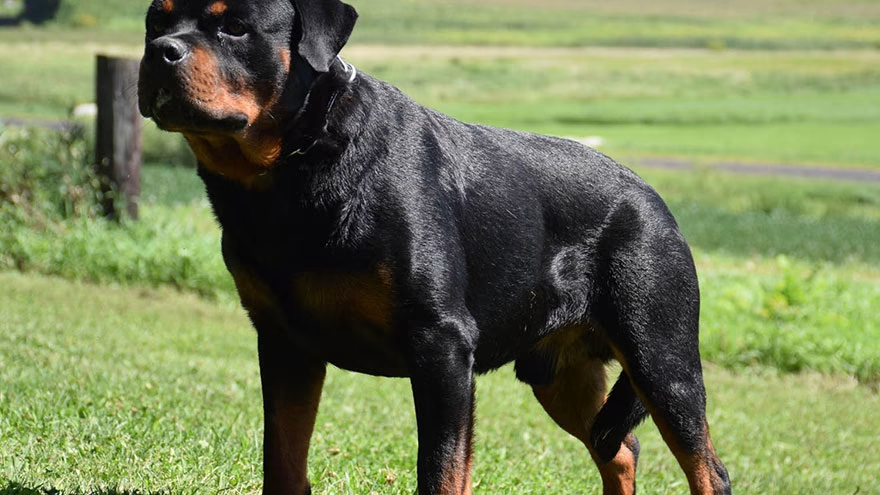
A Rottweiler health guide has to respect the dog in front of you: powerful, muscular, loyal, often calm at home, and large enough that preventable joint, heart, weight, and growth mistakes carry real cost. The breed should not be treated as fragile, but it also should not be treated like a machine that can absorb any diet, heat, exercise, or breeding choice. Good Rottweiler care starts before the puppy comes home, with health-tested parents, a realistic growth plan, early socialization, and a veterinarian who watches heart, hips, elbows, eyes, weight, and gait over time.
What should a Rottweiler health guide prioritize?
Prioritize structure, heart, weight, and temperament together. AKC describes the Rottweiler as a strong working breed and lists recommended national breed club health tests on its Rottweiler breed page. Those tests include hip evaluation, elbow evaluation, cardiac exam, ophthalmologist evaluation, and juvenile laryngeal paralysis and polyneuropathy DNA testing.
That list tells owners where to look first. Rottweilers are not defined by disease, but their size and genetics mean poor breeding, fast weight gain, slippery floors, and hard jumping during growth can have long consequences. A healthy adult begins with a slow, boring puppy plan.
If you are comparing large breeds, a list of the biggest dog breeds can be useful only after you ask a better question: can your household support the body, training, food cost, space, and vet care behind that size?
Before bringing a puppy home, price the routine care honestly. Large dogs need more food, larger beds, stronger leashes, larger doses for many preventives, and more expensive anesthesia when procedures are needed. A health plan that ignores cost often fails at the exact moment the dog needs consistency.
Which joint problems are most relevant?
Hip and elbow dysplasia deserve early attention because they affect comfort, movement, and arthritis risk. Dysplasia means the joint does not develop or fit as cleanly as it should. The owner may notice stiffness after rest, bunny hopping, reluctance to jump into the car, shortened stride, lameness, or reduced interest in activity.
Weight control is the daily tool owners can actually use. A heavy puppy is not a healthier puppy, and a heavy adult places more force through already vulnerable joints. Keep nails short, use traction on slick floors, avoid repeated high-impact jumping, and ask the veterinarian how to balance muscle-building walks with safe growth.
Movement changes should be recorded. A video of the dog walking away from the camera and toward it can help the vet see what you mean. Do not start pain medicine from another pet or leftover prescription.
Growth rate deserves the same attention. Keep a young Rottweiler lean enough that you can feel ribs under light cover, and avoid encouraging a "massive" puppy as a badge of quality. Slow, steady growth protects the frame better than pushing size early.
What heart issues should buyers ask about?
Subaortic stenosis, often shortened to SAS, is one of the heart issues Rottweiler buyers hear about. Cornell explains that subaortic stenosis is a narrowing under the aortic valve that can obstruct blood flow from the heart; moderate or severe cases can make the heart work harder. The overview is on Cornell's aortic and subaortic stenosis page.
Owners may not see signs at home, especially in mild cases. This is why cardiac screening in breeding dogs matters. A heart murmur at a puppy exam is not a final answer by itself, but it should be taken seriously and followed up as the veterinarian recommends.
Exercise collapse, fainting, coughing, unusual fatigue, or breathing trouble are not "lazy Rottie" traits. They are reasons for veterinary care. A calm dog can still be unwell.
Heart screening is especially useful before breeding, sport work, or intense conditioning. A dog can look powerful in the yard and still carry a murmur or rhythm issue that needs a veterinarian's interpretation.
What breeder health tests matter?
The American Rottweiler Club health statement says its mandatory practices require breeding stock to have a CHIC number, with testing and public disclosure for several items before breeding. The statement, hosted by AKC as a PDF, includes hip dysplasia, heart evaluation, elbow dysplasia, eye examination, and JLPP DNA testing. You can verify it in the American Rottweiler Club health statement.
Ask for registered results, not only phrases like "vet checked" or "parents are healthy." A vet check is a moment. Parent-club testing is a more specific look at known breed risks. Good breeders can explain results without acting offended by the question.
Also ask about temperament. A Rottweiler with poor nerves can be hard to live with, even if the hips look good. Health includes a mind that can settle, learn, and move through normal life without constant suspicion.
Ask what happens after the sale. A responsible breeder should want updates about hips, elbows, heart results, behavior, and any diagnosis that appears later. That feedback helps future breeding decisions and gives owners a place to ask breed-specific questions.
Do not skip socialization because the dog will be large. A stable Rottweiler should learn surfaces, visitors, grooming tables, car rides, calm handling, and neutral behavior around other dogs. Socialization is health protection because fear makes exams, nail care, and emergency handling harder.
How do weight, food, and exercise affect health?
Rottweilers need measured food, not free feeding by optimism. Use the dog's body condition, growth stage, activity, and vet advice. A growing large-breed puppy may need a diet formulated for large-breed growth so bone and weight do not outrun structure.
Exercise should build muscle and manners without pounding joints. Leash walks, training games, scent work, controlled fetch on forgiving surfaces, swimming when safe, and steady conditioning are better than repeated jumping on hard ground. Dogs built for power still need gradual fitness.
Feed and exercise routines should also lower bloat risk. Do not encourage frantic eating before hard activity, and ask your veterinarian about risk signs and whether preventive stomach tacking is ever appropriate for your dog. Bloat symptoms such as repeated unproductive retching, distress, and abdominal swelling are emergency signs.
Set up the home for traction. Rugs, runners, trimmed nails, and blocked slippery stairs reduce avoidable strain. This matters most during puppy growth, senior years, and recovery from any orthopedic injury, especially in homes with tile or polished wood floors near doorways and kitchens.
Owners reading about other strong breeds, such as Staffordshire Bull Terrier health concerns, will see the same practical thread: lean bodies and early vet care give genetics less room to become daily pain.
When is a vet visit urgent?
Seek care quickly for collapse, fainting, trouble breathing, a swollen painful abdomen, repeated unproductive retching, sudden hind-end weakness, severe lameness, pale gums, heat stress, seizures, or signs of pain after exercise. Large dogs can decline fast when bloat, cardiac events, or orthopedic injuries are involved.
Routine visits should include weight, heart sounds, gait, eyes, dental care, parasite prevention, vaccines, and age-appropriate bloodwork. A yearly exam is not a ceremony; it is a chance to notice trends before the dog compensates too well.
Keep a simple health file with weights, test results, vaccine dates, medications, food changes, and videos of normal movement. When something changes, the record helps the clinic see the trend instead of starting from a vague complaint during a stressful visit.
For owners drawn to active breeds, a comparison with German Shorthaired Pointer questions can clarify expectations. Rottweilers need exercise, but they also need calm training, recovery, and controlled growth.
Frequently Asked Questions
How long do Rottweilers usually live?
Many live roughly 9 to 10 years, though individuals vary. Genetics, weight, cancer risk, joint health, heart screening, and general care all affect lifespan.
Are Rottweilers prone to hip dysplasia?
Yes, hip and elbow dysplasia are key concerns. Buyers should ask for parent testing and owners should keep dogs lean, conditioned, and checked for movement changes.
What is JLPP in Rottweilers?
Juvenile laryngeal paralysis and polyneuropathy is an inherited condition screened by DNA testing in breeding programs. Ask breeders for documented parent results.
Do Rottweilers need special exercise as puppies?
They need steady activity and training, but avoid forcing long runs, repeated jumping, or hard impact during growth. Ask your vet for a plan based on age and body condition.
A healthy Rottweiler is built through boring consistency: tested breeding, measured food, controlled growth, calm training, and fast attention when the heart, joints, or breathing do not look right.

Chiara Bradshaw
Covers education, culture and creative topics with an emphasis on readable explanations and verifiable references.

Leave a reply
Replying to