
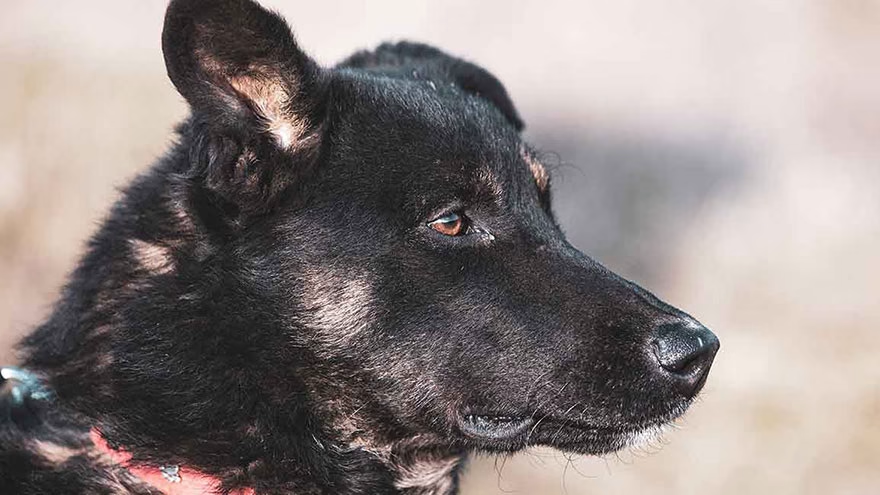
Life Expectancy for a German Shepherd Black Lab Mix is usually estimated from the two parent breeds, the dog's size, and the care it receives. Many German Shepherd and Labrador Retriever mixes live around 10 to 13 years, though individual dogs may live shorter or longer lives.
Names vary: Sheprador, Labrashepherd, German Sheprador, or simply German Shepherd Lab mix. The name is less useful than the dog's build, weight, genetics, hips, elbows, activity level, and veterinary care.
A Realistic Lifespan Range
A German Shepherd Black Lab mix is often a medium-large to large dog. Labrador Retrievers commonly average about 11 to 13 years, and German Shepherd Dogs often sit closer to the large-breed range. PetMD's Labrador Retriever health guide lists an average Labrador lifespan of 11 to 13 years.
Because the mix is usually large, it is safer to expect a realistic range than a promise. Ten to thirteen years is a reasonable planning window for many of these dogs, with quality of life depending heavily on weight, mobility, and disease prevention.
Why Size Matters
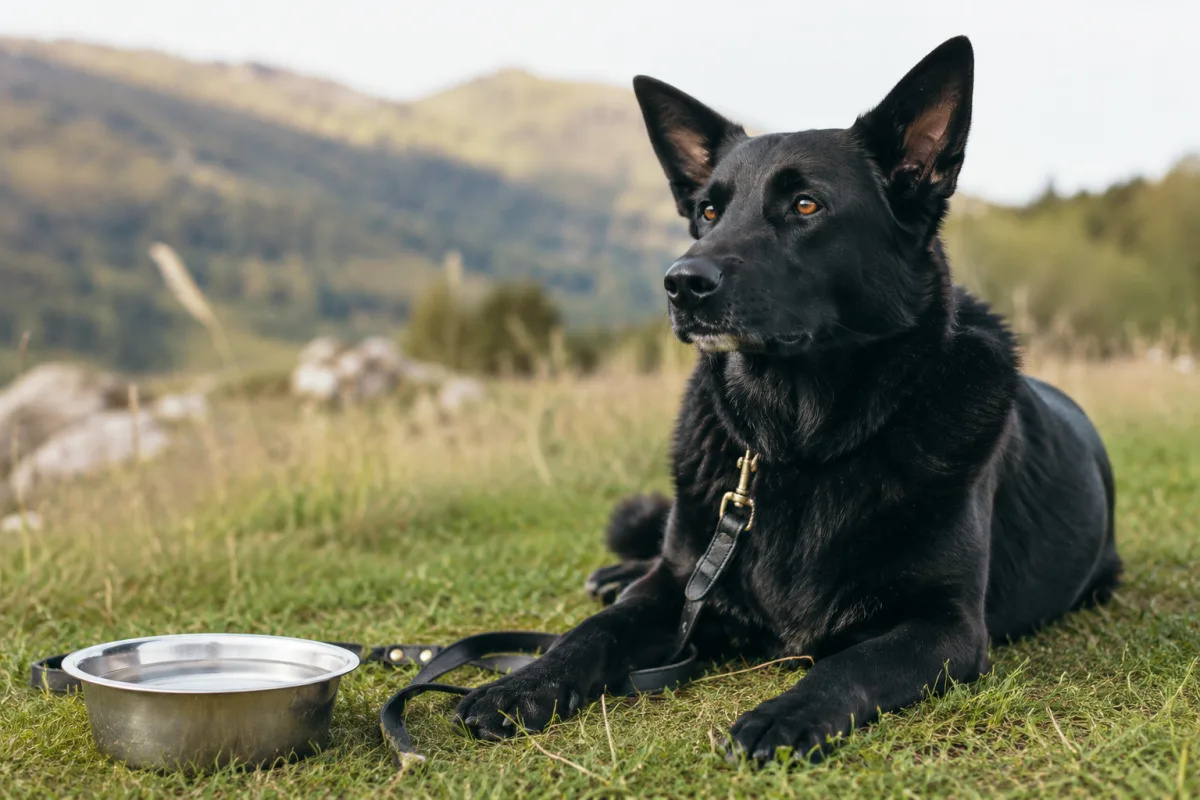
Large dogs tend to have shorter average lifespans than small dogs. A German Shepherd Lab mix may weigh anywhere from a lean 55 pounds to well over 90 pounds depending on parents, sex, and build. Heavier dogs often place more load on joints.
If you are comparing size across breeds, Livecub's largest dog breeds guide gives useful perspective. A Sheprador is not a giant breed in most cases, but it is usually big enough for orthopedic care to matter.
German Shepherd Health Influence
The AKC's German Shepherd Dog page notes that responsible breeders screen for hip and elbow dysplasia and degenerative myelopathy. These issues can also matter in mixes if the genetic risk is present.
Watch for back-end weakness, dragging nails, trouble rising, limping, reluctance to jump, or exercise changes. Early veterinary assessment can help separate soreness, arthritis, injury, and neurologic concerns.
The German Shepherd side may also bring strong guarding or handler focus. Training, social exposure, and calm routines can reduce stress-related behavior. A dog that feels safe and understands house rules is easier to exercise and care for over a long life.
Labrador Health Influence
Labradors bring friendliness, food drive, water love, and often a sturdy build. They can also bring hip and elbow dysplasia, obesity tendency, ear issues, skin allergies, and exercise-induced collapse in some lines.
Because both parent breeds can have joint concerns, ask about hips and elbows if buying from a breeder. If adopting, ask what the rescue knows and what remains unknown. Unknown history does not make a dog a bad choice; it means you plan carefully.
The Labrador side can also bring a strong desire to carry, chew, swim, and retrieve. Those habits can be healthy outlets when managed well. They can also become swallowed socks, stolen food, or water-related ear issues if the dog is not supervised.
Weight Is One Of The Biggest Levers
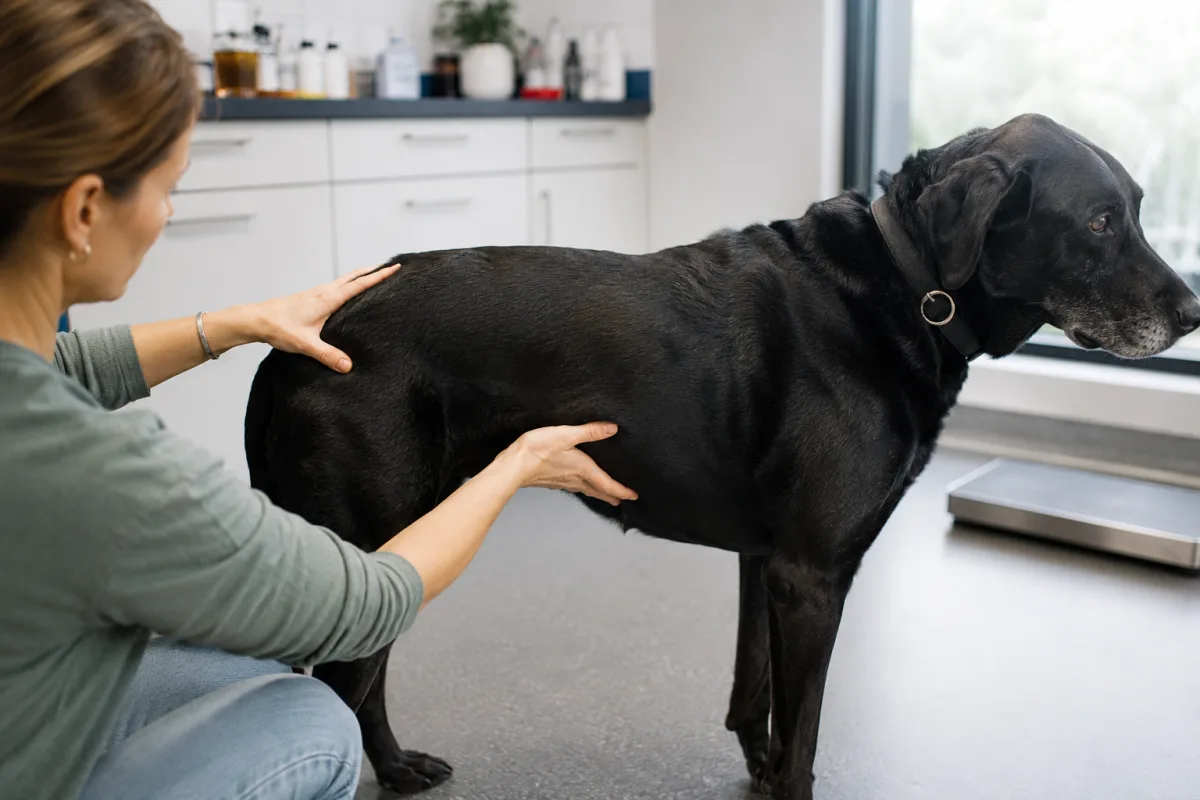
Keeping the dog lean may be one of the most useful things an owner can do. The AVMA reported research showing overweight dogs may live up to 2.5 years less than healthy-weight dogs in some breeds. Their overweight dog lifespan summary is a strong reminder to take body condition seriously.
Use measured meals, limit treats, avoid free-feeding, and ask your veterinarian for a body condition score. Labs can be talented food negotiators. German Shepherds can also gain weight when exercise drops. The bowl has to match the dog's actual life.
Exercise For Longevity
Most German Shepherd Lab mixes need daily movement and mental work. Walks, fetch with limits, swimming, scent games, obedience, hiking, and puzzle feeding can all help. The goal is a fit dog with enough muscle to support joints, not a dog run into the ground.
Livecub's German Shorthaired Pointer questions and Miniature Schnauzer questions show how exercise needs vary. A Sheprador often needs more work than a small companion breed, but less high-speed repetition than some field-bred sporting dogs.
Mix low-impact work with strength-building movement. Hill walks, swimming if the dog enjoys water, controlled retrieves, and basic obedience can keep the body active without constant pounding. If the dog is sore after play, reduce speed and repetition.
Food, Supplements, And Vet Guidance
Feed a diet appropriate for age, size, and activity. Puppies should grow steadily, not as fast as possible. Adults need portion control. Seniors may need changes for weight, kidneys, digestion, dental disease, or arthritis.
Do not start joint supplements, pain medicine, or weight-loss diets without veterinary input. Some products help some dogs, but dosing, interactions, and diagnosis matter. Pain medicine meant for humans can be dangerous for dogs.
Use treats as part of the daily food budget. Training is easier with food-motivated dogs, but a handful of full-size treats after every walk can quietly add a meal's worth of calories. Break treats small and reward often without overfeeding.
Preventive Care That Adds Good Years
Vaccines, parasite prevention, dental care, ear checks, bloodwork, and regular exams all support lifespan. Dental disease can affect comfort and appetite. Ear infections can become chronic. Skin allergies can damage sleep and behavior. Small problems matter when they last years.
For grooming habits, Livecub's longhair Dachshund grooming guide is a different coat type, but the routine idea applies: touch the dog, check the body, and notice changes early.
Keep records in one place: vaccine dates, weight, food, medications, lab results, X-rays, lumps, and behavior changes. A lifespan plan is easier when you can see trends rather than relying on memory during a short appointment.
Do not skip dental care. Large dogs can keep eating despite mouth pain, so bad breath, drooling, pawing, or chewing on one side deserves attention.
Senior Years
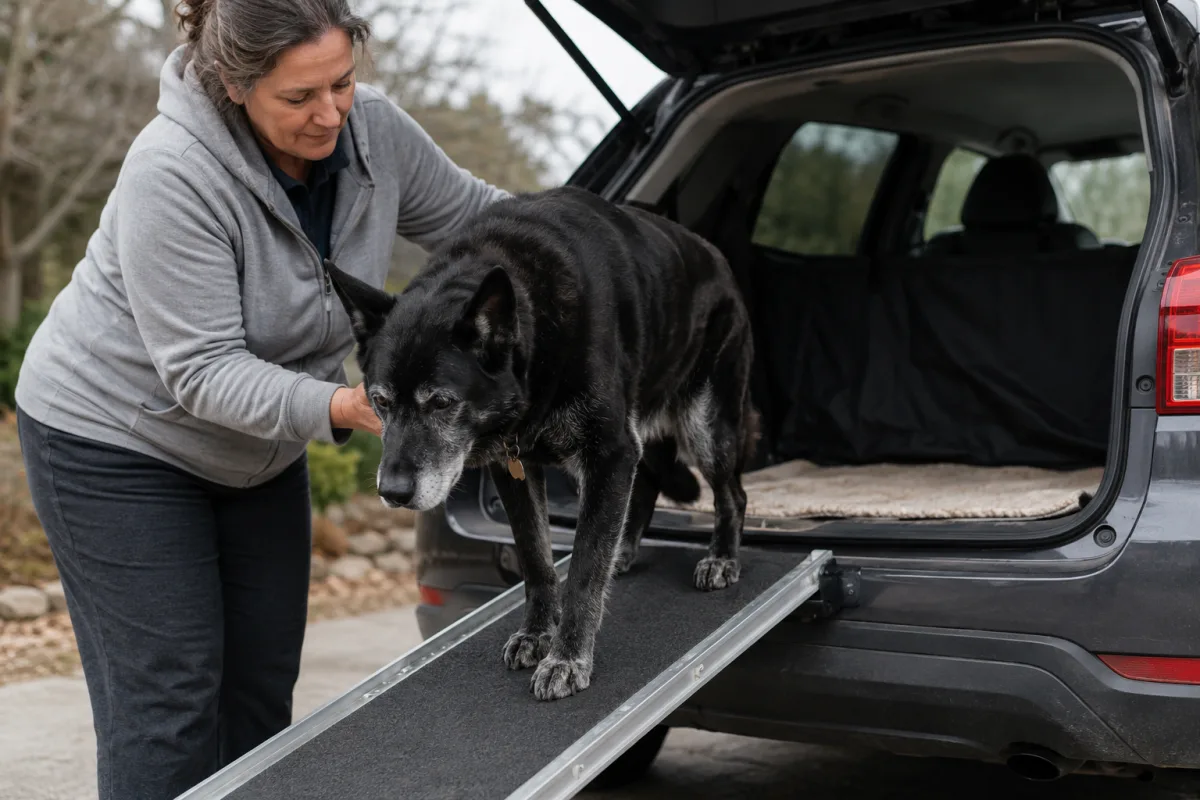
By age seven or eight, many German Shepherd Lab mixes benefit from senior planning. Ask about bloodwork, dental checks, arthritis screening, weight review, lumps, vision, hearing, and cognitive changes. Do not dismiss stiffness as normal aging without a vet exam.
Make home changes early: rugs on slick floors, ramps for cars, softer bedding, shorter walks, and more sniffing. Good senior care often means adapting the job, not removing all fun.
Watch the rear feet and nails. Dragging, scuffing, or uneven nail wear can suggest weakness, pain, or neurologic change. Video the gait if you can do it safely; a short clip may help your veterinarian see what happens at home.
Keep nails short and floors grippy. Better traction can make an older large dog more willing to stand, stretch, and walk comfortably each day at home. Small setup changes matter.
Breeder And Rescue Questions
Ask breeders for hip, elbow, and relevant genetic screening from both sides. Ask rescues about weight, mobility, behavior, heartworm status, previous injuries, and any observed pain. Livecub's Brittany breeder recommendations can help shape the habit of asking for records instead of accepting vague assurances.
For a puppy, ask about the parents' ages, temperaments, health tests, and longevity. For an adult, ask how the dog handles stairs, walks, other pets, children, and alone time.
If the dog is already in your home, you can still build a better future. Start with a wellness exam, body condition score, dental plan, parasite prevention, and an exercise routine the dog can repeat without soreness.
Frequently Asked Questions
How long does a German Shepherd Black Lab mix live?
Many live around 10 to 13 years, but genetics, weight, joint health, disease prevention, and care can change the outcome.
Are mixed breeds always healthier?
No. Mixed breeds can benefit from genetic variety, but they can still inherit health risks from either parent breed.
What health problems should I watch for?
Watch hips, elbows, weight, ears, skin, allergies, back-end weakness, dental disease, and sudden changes in movement.
How can I help my mix live longer?
Keep the dog lean, exercise regularly, use preventive care, protect teeth, treat pain early, and keep vet visits current.
Is a German Shepherd Lab mix a good family dog?
Many are, but they need training, exercise, supervision with children, and enough space for a large active dog.
The Lifespan Bottom Line
A German Shepherd Black Lab mix often lives about 10 to 13 years. You cannot control every gene, but you can control weight, daily activity, dental care, vet follow-up, training, and the speed at which you respond when movement or behavior changes.

Timothy Davidson
Edits step-by-step general-interest guides for clarity, realistic limits and source verification.

Leave a reply
Replying to