
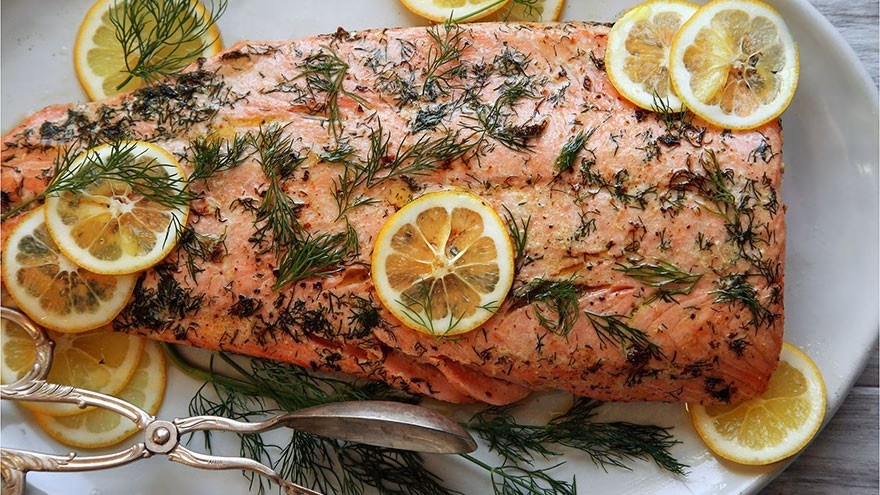
Salmon on the grill can be very simple: salmon, lemon pepper, a little oil, foil, and steady heat. The old recipe used water, lemon pepper seasoning or lemon and pepper, oil, and a salmon steak wrapped in foil until flaky. That basic idea works, but it needs clearer proportions, safer doneness guidance, and a better way to keep the fish from steaming into blandness. The best grilled salmon is moist, lightly seasoned, and checked before it dries out.
Why foil-grilled salmon works
Foil protects salmon from sticking and makes cleanup easy. It also traps steam, which can help a steak or fillet cook gently. The tradeoff is that too much liquid inside the packet can dilute flavor and soften the surface.
Use foil as a shield, not a soup pot. A spoonful of water, lemon juice, or wine is enough if the fish is fresh and the packet is tight. Oil or melted butter helps carry seasoning and protects the surface.
If you enjoy outdoor cooking, compare this method with grilled whole duck. Salmon cooks far faster and needs much less time over heat.
Choose good salmon
FDA's seafood guide says fish should smell fresh and mild, not fishy, sour, or ammonia-like, and that fillets should have firm flesh without darkening or drying around the edges. Its seafood safety page is useful before buying.
Fresh salmon should feel cold, look moist, and have a clean color. Frozen salmon should be solidly frozen with intact packaging. Avoid packages with heavy ice crystals or signs that the fish thawed and refroze.
Start with good fish. Lemon pepper can make salmon brighter, but it cannot fix old seafood. If the fish smells wrong, do not cook it.
Mix the lemon pepper seasoning
For one salmon steak or a thick fillet portion, mix 1 teaspoon oil, 1 tablespoon lemon juice, 1 to 2 teaspoons water, and 1 to 2 teaspoons lemon pepper seasoning. If you do not have lemon pepper, use black pepper, lemon zest, lemon juice, and a pinch of salt.
The old version used 2 cups of water, which is more than a foil packet needs. Too much liquid can wash seasoning away. Keep the mixture light and pour only enough over the fish to moisten it.
A homemade blend can taste cleaner than a salty jarred mix. If you like building seasonings, making your own Asian seasoning mix is a useful reminder that balance matters more than dumping in powder.
Set up the grill
Preheat the grill to medium heat and clean the grates. Place the salmon skin-side down on a piece of foil large enough to fold into a packet. Brush or spoon the lemon pepper mixture over the fish, then fold the foil loosely so steam can circulate.
Put the packet on the grill away from harsh flare-ups. Close the lid and check early. Thin fillets may cook quickly, while thick steaks take longer. The safest timing tool is a thermometer, not a guess based only on color.
Medium heat is kinder than a roaring grill. Salmon is rich but delicate, and hard heat can push out white protein and dry the edges before the center is ready.
How do you know grilled salmon is done?
FoodSafety.gov lists fish such as salmon at 145 degrees F, or until the flesh is no longer translucent and separates easily with a fork, on its safe temperature chart. FDA's safe food handling page gives the same 145 degrees F guidance for fin fish.
Texture matters too. The fish should flake, but it should not look dry or chalky. If you open the packet and it is almost done, close it and let carryover heat finish the last minute rather than blasting it longer.
Check the thickest part. Edges cook first. A thermometer inserted into the center gives better information than judging by the thinnest edge.
Serve the salmon
Let the salmon rest for a minute, then open the packet carefully because steam can burn. Add fresh lemon, chopped parsley or dill, and a little black pepper. If the seasoning is already salty, do not add more salt until you taste.
Salmon works well with crisp vegetables, rice, potatoes, salad, or bread. A side like asparagus rolls keeps the meal fresh without competing with the lemon pepper flavor.
Keep sides simple. Grilled salmon is quick, so choose sides that are already cooked, raw and crisp, or easy to finish while the fish rests.
Store leftovers safely
Refrigerate leftovers promptly in a shallow container. Do not leave cooked fish sitting on the picnic table while people talk. Warm weather shortens the safe window, and fish quality drops quickly.
Leftover salmon can become salad, rice bowls, pasta, or a cold sandwich. Reheat gently if you reheat at all. Hard reheating can make it dry and strong-smelling.
Plan the second meal before you grill extra. If you know leftovers will become lunch, keep the seasoning simple so the salmon can work with several sauces or grains.
Should the skin stay on?
Skin-on salmon is easier to grill because the skin protects the flesh and helps the portion hold together. In a foil packet, the skin also gives the fish a little structure when you lift it out.
If you have skinless salmon, handle it gently and keep the packet well oiled. The fish can still cook nicely, but it may break more easily when served.
Skin is a helper, not a rule. Choose the cut you have, then adjust the handling so the fish stays intact.
How do you avoid dry salmon?
Dry salmon usually comes from too much heat, too much time, or a packet left closed long after cooking. Check early, especially with thin fillets. The center can finish quickly once the packet is hot.
Use the smallest amount of liquid that keeps the fish moist. Too much water steams the fish hard and dilutes the seasoning. A little lemon juice and oil give a cleaner result.
Pull it before it looks tired. If the salmon is close to done, let carryover heat finish the last minute while you set the table.
How much seasoning should you use?
Use enough lemon pepper to flavor the top, not enough to create a salty crust. If the seasoning blend already contains salt, taste before adding more. A little fresh lemon at the end can make the fish taste brighter without adding more sodium.
For a thicker steak, season both sides lightly before placing it skin-side down or flatter-side down on the foil. For a thin fillet, season mostly on top so the fish does not become salty.
Season for thickness. A large steak needs more flavor than a thin tail piece, but both can be ruined by too much bottled blend.
What should you do if the grill runs hot?
Move the packet to a cooler side of the grill and close the lid. If the foil is sizzling hard or the fish smells like it is scorching, the heat is too high. Open the packet carefully, add a spoonful of liquid if needed, and finish gently.
Do not keep flipping the packet. Salmon is delicate, and repeated handling breaks it. Let steady heat do the work, then check the center.
Control heat early. It is easier to slow the cook than to rescue dry salmon after it has gone too far.
If you are cooking several portions, group similar thicknesses together. Thin tail pieces can come off first while thicker center cuts stay on the grill. This small sorting step prevents one piece from drying out while another catches up.
Frequently Asked Questions
Can I grill salmon without foil?
Yes. Oil clean grates well, cook skin-side down first, and avoid moving the fish too early. Foil is easier for beginners.
Can I use a salmon fillet instead of a steak?
Yes. Fillets often cook faster than steaks, especially if they are thin. Check the thickest part with a thermometer.
Should I marinate salmon before grilling?
A short marinade is fine, but avoid leaving salmon in strong acid for too long. Lemon can firm the surface and change the texture.
What if I only have bottled lemon pepper?
Use it, but taste for salt before adding more. Many bottled blends are salty, so the fish may need lemon more than extra seasoning.
Salmon on the grill does not need a complicated marinade. Start with good fish, use foil wisely, season lightly, cook over medium heat, and check the center before the salmon loses its moisture.

Chiara Bradshaw
Covers education, culture and creative topics with an emphasis on readable explanations and verifiable references.




Leave a reply
Replying to