
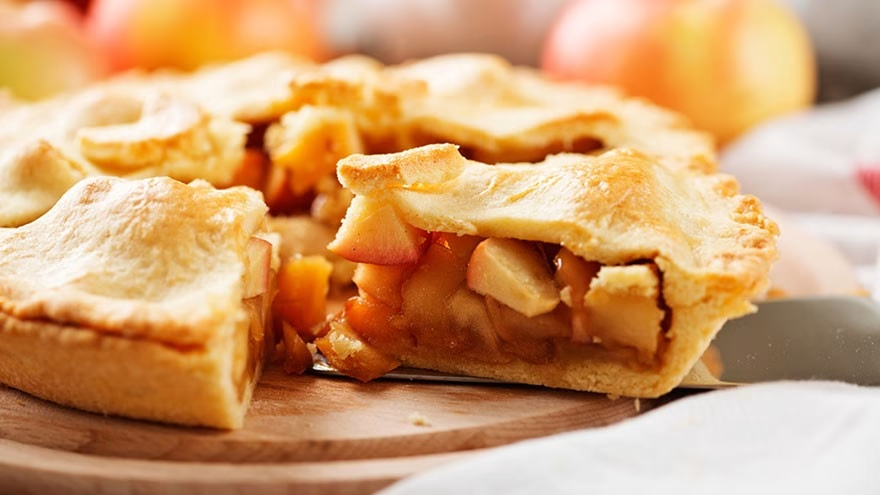
Perfect Pie Is Built in Small Decisions
Secrets for the perfect pie are rarely dramatic. They are small choices made before the pie reaches the oven: cold butter, rested dough, a filling that is not too wet, and enough baking time for the bottom crust.
A pie can look rustic and still be excellent. The goal is not a flawless magazine edge. The goal is a crust that flakes, a filling that slices cleanly, and flavor that still tastes like fruit, custard, nuts, or chocolate.
Pie rewards patience more than decoration. If you rush the dough, filling, baking, or cooling, the slice usually tells on you.
Keep the Fat Cold
Flaky crust depends on pieces of cold fat trapped in flour. As the pie bakes, those pieces melt and leave little spaces that become layers. If the fat melts too early, the crust can turn tough or greasy.
King Arthur Baking's pie crust guide explains the value of cold, flattened butter pieces for flakiness. That single idea is more useful than many complicated pie tricks.
Use cold butter, cold water, and a light hand. If the kitchen is warm, chill the bowl or pause the dough in the refrigerator before rolling. Pie dough does not need speed as much as restraint.
If dessert planning includes more than pie, keep table layout simple. Livecub's Ultimate Guide to Cookie Displays can help you keep cookies and small sweets from crowding the pie.
Do Not Overwork the Dough
Once water hits flour, gluten begins to develop. Some structure is needed, but too much handling makes crust tough. Mix only until the dough can hold together when pressed.
Resting dough in the refrigerator helps hydrate the flour and relax the structure. That makes rolling easier and reduces shrinkage. Wrap it well so the surface does not dry out.
Ragged dough is not failure. A few visible butter pieces and uneven edges are normal. Smooth, warm, heavily worked dough is usually the greater problem.
Roll From the Center Out
Lightly flour the counter, then roll from the center outward, turning the dough often. Turning helps keep it round and tells you if it is sticking. Add flour in small amounts rather than burying the dough.
Move the dough into the pie plate without stretching it. Stretched dough shrinks in the oven. Let it settle into the corners, trim the edge, then crimp or fold as simply as you like.
If the dough softens while you work, chill it again. Cold dough is easier to handle and usually bakes better.
Blind Bake When the Filling Needs It
Some pies need a baked or partially baked crust before filling. Cream pies, many custard pies, lemon meringue, chocolate pies, and some wet fillings can leave a raw bottom if the crust goes in unbaked.
Line the chilled shell with parchment, fill it with pie weights or dry beans, and bake until the sides set. Remove the weights, then continue until the bottom is dry enough for the filling.
A pale bottom crust is not charming. It tastes like undercooked flour and can turn gummy under fruit or custard.
Use Weights the Right Way
Pie weights only help if they press against the sides and bottom of the shell. Fill the lined crust high enough to support the edges. A thin layer of beans in the bottom will not stop the sides from slumping.
Chill the shaped shell before adding parchment and weights. Cold dough holds its shape better in the first minutes of baking. After the sides set, remove the weights so the bottom can dry and color.
Blind baking is not just preheating crust. It is structure management.
Control the Filling Before Baking
Fruit pie filling needs enough thickener for the amount of juice in the fruit. Apples behave differently from peaches, berries, or cherries. Very juicy fruit may need draining, pre-cooking, or a little extra thickener.
Custard pies need gentle handling. The FDA's egg safety guidance is a reminder that egg-rich fillings should be cooked thoroughly and stored correctly.
For creamy desserts beyond pie, Livecub's How to Make the Perfect Tiramisu sits in the same family of chilled, moisture-sensitive sweets. Good texture comes from timing as much as ingredients.
Vent Double-Crust Pies
Steam needs a way out. A double-crust fruit pie without vents can push filling through weak spots, soften the top crust, or bake unevenly. Cut slits, use a small cutter, or make a simple lattice.
The vents do not have to be decorative. They need to be open. Brush the top lightly if the recipe calls for it, then bake until the filling bubbles through the vents.
Those bubbles matter. They show that the thickener has heated enough to do its job.
Bake Long Enough, Then Cool Long Enough
Many pies are pulled too early because the crust looks brown at the edge. The filling and bottom crust may still need more time. Use foil or a pie shield if the edge darkens before the center is ready.
Fruit pies should bubble thickly near the center so the thickener activates. Custard pies should be set at the edges with a slight wobble in the center, depending on the recipe.
Cooling is not optional. Fruit filling thickens as it cools, and custard finishes setting. Cutting too soon gives you a puddle even when the pie was baked correctly.
Store Pie According to the Filling
Fruit pies made with sugar can often sit at room temperature for a limited time, but pies with eggs, milk, cream, cream cheese, or custard need refrigeration. Illinois Extension's guidance on which pies need refrigeration is a useful safety reference.
Refrigeration can soften crust, so cool the pie fully first. Cover loosely once chilled. For longer storage, many fruit pies freeze better than custard or cream pies.
Livecub's How to Freeze Fresh Vegetables is not about dessert, but the freezer lesson is the same: wrap well, label clearly, and expect texture to change.
Finish Simply
Pie rarely needs heavy decoration. A little whipped cream, vanilla ice cream, toasted nuts, or a plain dusting of sugar can be enough. The filling should stay in charge.
If you want chocolate on the table, keep it separate unless it belongs in the pie. Livecub's Mom's Best Fudge Icing is better used for cake than poured over a fruit pie that already has its own balance.
Slice With the Pie's Texture in Mind
Fruit pies need a longer cooling window than many people want to give them. Use a sharp thin knife and wipe it between cuts. Lift the first slice gently because it has the hardest job.
Custard and cream pies slice better when fully chilled. Nut pies often need a serrated knife to get through the top without crushing the filling.
A messy first slice is not a disaster. A pie that tastes good will survive imperfect geometry.
Protect the Edge Without Underbaking
Pie edges brown before the center because they are thinner and more exposed. A foil ring or pie shield can protect the rim while the filling and bottom continue baking.
Do not use a shield as an excuse to pull the pie early. Fruit pies still need bubbling filling, and custard pies still need the correct set. The shield buys time; it does not finish the pie for you.
If the edge is already dark, lower the oven slightly and keep baking until the center is ready. A browned edge is easier to forgive than a raw middle. Let the rack position help too; lower racks brown bottoms better.
Use the Oven Floor Wisely
A preheated baking sheet or steel on a lower rack can help the bottom crust start hot. This is especially useful for fruit pies, where the filling releases juice before the crust has time to set.
Do not place a glass pie plate directly on a very hot surface unless the manufacturer says it is safe. Metal pie pans handle heat changes better, while glass lets you check browning through the bottom.
The best pie secret is attention: cold dough, honest filling, enough oven time, and patience before slicing.
Frequently Asked Questions
Why is my pie crust tough?
The dough may have been overmixed, too warm, or handled too much after water was added. Resting and chilling help.
How do I avoid a soggy bottom crust?
Use a properly thickened filling, bake long enough, and blind bake the crust when the recipe calls for it.
Can pie dough be made ahead?
Yes. Wrap it well and refrigerate it for a day or two, or freeze it for longer storage. Thaw gently before rolling.
Which pies need refrigeration?
Pies with eggs, dairy, cream, custard, cream cheese, or similar fillings should be refrigerated after cooling.

Alyssa Curlin
Edits general health, nutrition and education explainers. Medical topics are educational and link to public-health guidance.




Leave a reply
Replying to