
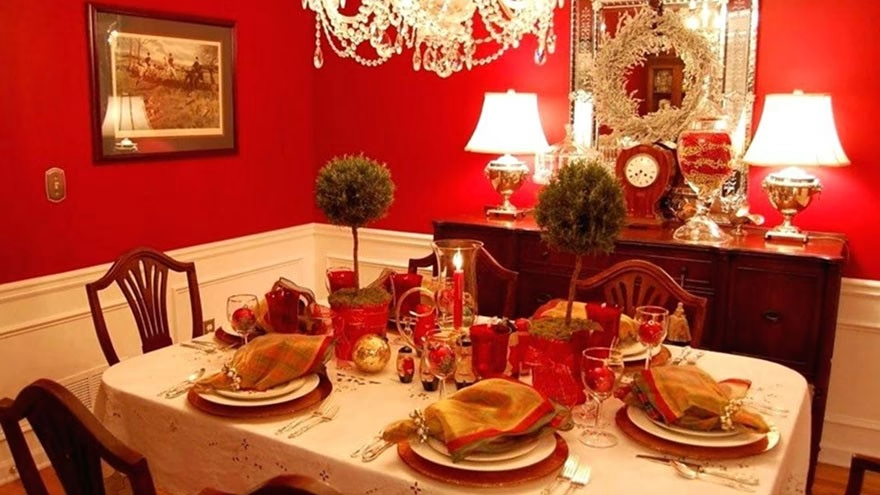
A Christmas Table Should Help the Meal Feel Welcoming
Setting the Christmas table is not about proving you own perfect dishes. The table should help guests sit down, pass food, talk comfortably, and feel that the meal has been cared for.
Start with the real meal you are serving, the number of chairs, the age of guests, and how food will move. A beautiful table that leaves no room for plates, elbows, or serving dishes will frustrate people quickly.
Comfort is part of the decoration.
Pick a Simple Base
Choose one base layer: a tablecloth, runner, placemats, or bare polished table. Do not use every layer if it makes the table crowded or unstable.
White, red, green, navy, brown, silver, gold, cream, and natural linen can all work. The key is restraint. Pick two main colors and one small accent so the table looks intentional.
The base should calm the table before the details arrive.
Choose Color Without Clutter
Color can come from napkins, candles, fruit, greenery, plates, or glassware. It does not need to come from all of them at once. If your dishes have a pattern, keep the linens calmer.
Natural pieces can soften a formal table. Oranges, cranberries, rosemary, walnuts, cinnamon sticks, and pinecones can look seasonal without feeling like a craft store exploded.
Repeating one color in three places is usually enough.
Set Only What the Meal Needs
The Emily Post Institute's table setting guide gives a practical rule: utensils are placed in order of use, from the outside in. It also reminds hosts to set only utensils that will be used.
If you are not serving soup, skip the soup spoon. If dessert is served away from the table, dessert forks can wait. A Christmas table feels more relaxed when guests are not navigating extra silverware.
Place forks to the left of the plate and knives to the right with blades facing inward. Put water glasses above the knife area, then add wine or other glasses only if needed.
Leave Room for People
Before decorating, set out all plates and chairs. Sit down if you can. Notice whether knees hit table legs, whether chairs slide back, and whether guests can reach their glasses.
Low centerpieces work better than tall ones for most family meals. People should be able to see across the table without leaning around branches, flowers, candles, or stacked decor.
A table is successful when conversation can cross it.
Use Centerpieces That Do Not Fight the Food
Evergreen clippings, oranges, cranberries, pinecones, ribbon, low flowers, small ornaments, or a narrow garland can look festive without taking over. Keep anything scented away from the plates if it competes with dinner.
If the table is small, move the centerpiece to a sideboard after guests arrive. You can still enjoy the look before dinner and free the space when serving begins.
For dessert presentation ideas, Livecub's cookie display guide can help you create a separate sweets area instead of crowding the dining table.
Handle Candles With Care
Candles look warm, but they need space. The U.S. Fire Administration's holiday fire safety advice says candles should be at least 12 inches from anything that burns and placed where they cannot be knocked down.
Flameless candles are often better around children, pets, crowded tables, long sleeves, greenery, or paper napkins. If you use real candles, keep them in stable holders and never leave them unattended.
A safe table is more hospitable than a risky glow.
Plan Napkins and Place Cards
Napkins can sit on the plate, under the fork, or to the left of the setting. Cloth napkins feel special, but paper napkins can look polished when folded cleanly and matched to the table colors.
Place cards help when families are large, kids need support, or certain guests should not be seated together. They do not have to be formal. A small tag, ornament, cookie, or sprig of rosemary can hold a name.
Livecub's fudge icing recipe could even become part of a dessert place-card idea if you use wrapped treats.
Think About Children Before Dinner Starts
If children are joining the table, give them stable cups, easy napkins, and seats where adults can help. Avoid breakable ornaments, sharp picks, loose beads, and dangling cords within reach.
A small activity card or simple cracker can help, but do not crowd their place setting. Children need room to eat more than they need miniature decorations.
Kid-friendly does not have to mean messy.
Plan Drinks Before Plates Are Full
Water should be easy. Fill glasses before guests sit down or place pitchers where adults can reach them. If you serve wine, cider, tea, or punch, decide where refills will happen.
Do not crowd each place setting with every possible glass. Put specialty drinks on a side table if the dining table is small.
Good drink flow keeps people seated and the meal calmer.
Use Lighting That Lets People See Dinner
Holiday lighting can be soft without being dim. Guests should be able to see food, read place cards, and notice spills. Use overhead lights lower than usual, lamps nearby, or flameless candles for warmth.
Avoid blinking lights on the dining table. They can distract guests and make the food look less appealing.
The table should glow, not hide the meal.
Set Up Serving Space
Decide whether food will be plated in the kitchen, served family-style, or placed on a buffet. If serving dishes go on the table, keep the centerpiece narrow and leave heat-safe surfaces ready.
FoodSafety.gov's events and seasons food safety page is a useful reminder that holiday hosting includes safe serving, not only pretty dishes. Hot foods and cold foods need attention during long meals.
Use trivets, ladles, serving spoons, and labels where helpful. Guests relax when they know what a dish is and where to put the spoon back.
Make Dessert Its Own Moment
Christmas dessert often deserves a reset. Clear dinner plates, wipe spills, refill water, and bring out coffee, tea, cookies, cake, or fruit. The table feels fresh again when dessert is not squeezed between gravy boats.
Livecub's tiramisu guide can work for a make-ahead dessert if you want something served chilled away from the oven traffic.
If dessert is casual, set it on a side table with plates and forks. Guests can move around, and the dining table can breathe.
Do a Ten-Minute Rehearsal
The day before, place one full setting and one serving dish on the table. This quick test shows whether the charger is too large, the napkin fold blocks the fork, or the centerpiece steals serving space.
Take a phone photo after the test. On Christmas Day, anyone helping can copy the setup without asking you where every spoon goes.
Livecub's Hi-5 birthday party guide is a different kind of hosting, but the same idea applies: a clear setup helps helpers move faster.
Prepare for Cleanup Before Guests Arrive
Empty the dishwasher, line a trash bag, clear counter space, and decide where leftovers will go. A gorgeous table loses charm if cleanup becomes frantic and food sits out too long.
Keep storage containers ready before dinner. If guests bring dishes, label serving pieces with tape underneath so the right platter goes home.
The easiest cleanup starts before the first plate is filled.
Make the Table Work for Real People
Think about the guest with a cane, the child who spills, the left-handed uncle, the person who does not drink, and the cook who needs a clear path from kitchen to table.
Move a chair, remove a charger, or simplify a place setting if it makes dinner easier. Hospitality shows up in those small adjustments.
Frequently Asked Questions
What is the basic way to set a Christmas table?
Use a plate in the center, forks on the left, knife on the right with blade inward, water glass above the knife, and only the utensils needed.
How do I decorate a small Christmas table?
Use a narrow runner, low centerpiece, simple napkins, and a sideboard for serving dishes. Keep the middle open for food and conversation.
Are real candles safe on a Christmas table?
They can be used carefully in stable holders away from anything that burns, but flameless candles are safer for crowded tables, pets, and children.
Should Christmas dinner be served family-style or buffet-style?
Use family-style for smaller tables with room for serving dishes. Use a buffet when the table is crowded or the menu has many dishes.

Cashie Evans
Covers parenting and practical household topics with clear steps, safety notes and links to current guidance.

Leave a reply
Replying to