
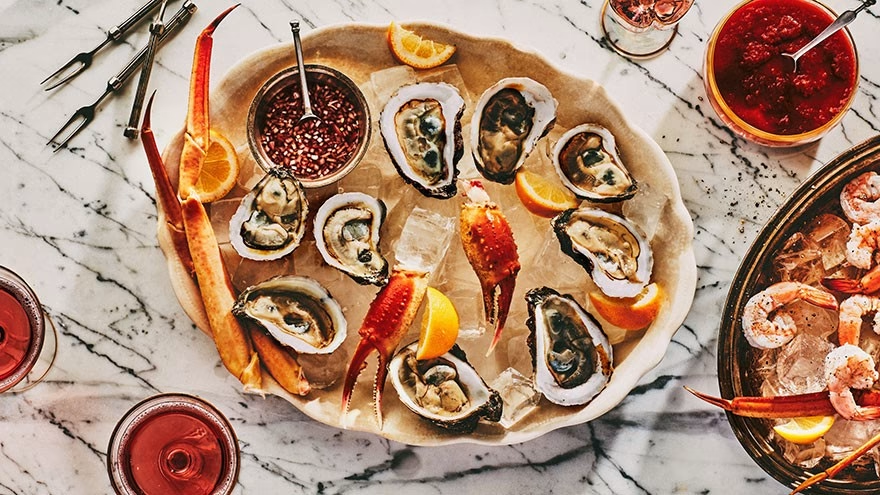
A Seafood Thanksgiving Needs a Plan, Not a Pile of Shellfish
Thanksgiving Culinary Tour # 2 : Seafood can be a refreshing change from turkey, stuffing, and gravy, but seafood is less forgiving than a casserole. It cooks quickly, spoils faster, and gets expensive if the menu is built from impulse.
The better approach is a sequence: one cold starter, one warm appetizer, one main seafood dish, two simple sides, and one dessert that does not fight the meal.
Seafood feels special when the timing is calm.
Buy Seafood With Safety in Mind
FDA's food selection and storage guidance is a reminder that perishable foods need careful handling from store to table. For seafood, buy from a clean, reputable source and keep it cold.
Fresh fish should smell clean, not sour or ammonia-like. Shellfish should be alive if sold live, and frozen seafood should be solidly frozen without heavy ice crystals or torn packaging.
Bring a cooler if the drive home is long. Thanksgiving traffic is not the time to leave seafood warming in the trunk.
Good seafood starts with cold seafood.
Choose a Main Dish Before the Appetizers
Decide whether the main event is lobster, shrimp, scallops, crab cakes, baked fish, or a seafood stew. Then choose appetizers that support it instead of competing with it.
If lobster is the centerpiece, keep starters lighter: oysters if your guests enjoy them, smoked fish toasts, shrimp cocktail, or a small seafood salad.
Livecub's frog legs buying and cooking guide is a different protein, but the same planning rule applies: know the main ingredient before building the rest of the plate.
A seafood menu works best when one dish clearly leads.
Keep Raw and Cooked Seafood Separate
Use separate plates and tools for raw seafood and cooked food. Wash hands, boards, knives, and counters after raw seafood touches them.
FoodSafety.gov's safe minimum temperature chart lists seafood at 145 F. For shellfish, follow signs of doneness and safe handling guidance too.
Do not reuse marinade or raw-seafood plates for finished dishes. Holiday distraction is exactly when cross-contact happens.
Build a Cold Starter
A cold starter gives guests something to eat while the hot seafood waits. Think shrimp cocktail, smoked trout spread, crab salad in lettuce cups, or chilled poached shrimp with citrus.
Keep cold foods cold until serving, and do not let a platter sit out through the whole afternoon. Smaller platters refilled from the refrigerator are safer and prettier.
Seafood starters should feel fresh, not tired from the buffet table.
Add One Warm Appetizer
Choose one warm appetizer that can be cooked quickly: scallops, crab-stuffed mushrooms, small fish cakes, or a simple shrimp saute.
Do not make every appetizer labor-intensive. You still need attention for the main dish.
Livecub's stir fry sauces article can help if you want a quick shrimp course with a bright sauce instead of a heavy cream base.
Think Beyond Wine Pairings
Wine can be lovely, but a Thanksgiving seafood menu does not need a bottle-by-bottle script. Sparkling water with citrus, iced tea, cider, ginger beer, or a nonalcoholic spritz can all work.
Pair by weight. Rich lobster likes brightness. Fried seafood likes acid. Spicy shrimp likes something cold and clean.
The drink should reset the palate, not dominate the plate.
Use Simple Sides
Seafood usually does better with sides that do not smother it. Try roasted potatoes, citrus salad, green beans, sauteed greens, rice pilaf, fennel slaw, or crusty bread.
A seafood Thanksgiving can still include familiar comfort. Just keep the sides balanced so every plate is not cream, butter, and starch.
For a richer non-seafood comparison, Livecub's goose cooking guide shows how menu planning changes when the main dish is heavier.
Make Ahead What You Can
Chop herbs, wash greens, make sauces, chill drinks, set platters, and prep dessert the day before. Leave the seafood cooking for the day itself.
Do not cook delicate seafood hours ahead unless the recipe is designed to be served cold. Reheated shrimp and lobster can turn tough fast.
Make-ahead planning should protect texture, not only save time.
Plan the Dessert to Feel Lighter
After seafood, consider citrus tart, fruit, sorbet, panna cotta, small cookies, or a chocolate dessert in modest portions. Heavy pie can still work, but it may not be the best ending to a lighter menu.
Livecub's tiramisu guide can inspire a make-ahead dessert if you keep servings small.
Keep the Timeline Short and Clear
Write a simple timeline: cold starter out, warm appetizer cooked, main seafood started, sides warmed, dessert pulled from the refrigerator. Tape it inside a cabinet if needed.
Seafood cooking often happens in minutes, so a written plan prevents overcooking while guests talk and pans crowd the stove.
The host should not be guessing while lobster is on heat.
Use a Seafood Budget Before Shopping
Seafood prices can jump quickly, especially before a holiday. Decide which item deserves the money and where you can use less expensive choices.
Lobster can be the centerpiece, while smoked fish spread, mussels, or shrimp can fill smaller roles. A seafood menu does not have to put luxury in every course.
Ask About Allergies Early
Shellfish allergies can be serious, and a seafood Thanksgiving needs clear guest communication. Ask before planning the whole menu.
If one guest cannot eat shellfish, keep a separate main dish and separate serving utensils. Do not make them guess which platter is safe.
Hospitality includes making the menu readable for guests.
Choose Sides That Can Wait
Seafood should not wait long after cooking, so choose sides that can hold. Roasted potatoes, pilaf, slaw, greens, and bread are easier than sides that collapse in minutes.
Put the holding power on the side dishes, not the lobster or scallops.
Use One Sauce Across Several Courses
A lemon-herb aioli, cocktail sauce, citrus vinaigrette, or herbed butter can support more than one dish. That reduces work and ties the menu together.
Do not make five sauces if one good one can do the job. Thanksgiving already has enough moving parts.
A repeat sauce can make the meal feel planned, not repetitive.
Handle Leftovers Honestly
Seafood leftovers need fast cooling and realistic plans. Refrigerate promptly and use them soon.
Turn extra cooked shrimp into salad, fold fish into chowder, or make a small next-day seafood toast. If anything smells off, do not try to save the cost by eating it.
Think About Cooking Equipment
Before choosing the menu, count burners, oven racks, sheet pans, serving platters, and refrigerator space. Seafood often needs last-minute heat, and equipment bottlenecks can ruin timing.
If the oven is full, choose stovetop shrimp or cold crab salad. If the stove is crowded, choose a baked fish or chilled starter.
Keep Aromas in Balance
Seafood aromas can fill a house quickly. Use lemon, herbs, clean pans, and good ventilation.
Avoid cooking every course with heavy garlic, cream, and butter. Those flavors can build until the meal feels tiring.
A lighter hand lets guests taste the seafood instead of the kitchen air.
Plan a Non-Seafood Backup
Even if most guests love seafood, a simple backup helps. A vegetable tart, rice dish, salad with beans, or small poultry option can make the table easier for mixed groups.
Do not treat the backup as punishment. Make it something you would be willing to eat too.
Use Labels on a Buffet
Small labels can name shellfish, dairy, nuts, and spicy sauces. This helps guests with allergies, preferences, and religious or dietary limits.
Labels also reduce repeated questions while you are trying to cook the next course.
A well-labeled table feels calmer for everyone.
End the Meal Before It Feels Endless
A culinary tour does not need ten courses. Seafood is best when guests are still excited for the next bite.
Choose fewer courses and execute them well. A strong three-part menu is better than a long menu where everything arrives tired.
Frequently Asked Questions
Can seafood work for Thanksgiving dinner?
Yes. It works best with a clear main dish, simple sides, cold storage, and careful timing.
What seafood is easiest for a holiday menu?
Shrimp cocktail, baked fish, crab cakes, and simple scallop or shrimp appetizers are easier than many live-shellfish plans.
How do I keep seafood safe on a buffet?
Keep cold seafood cold, serve smaller portions, refill from the refrigerator, and avoid leaving platters out for hours.
What sides go with seafood Thanksgiving?
Roasted potatoes, green beans, citrus salad, sauteed greens, rice pilaf, fennel slaw, and bread all work well.

Alyssa Curlin
Edits general health, nutrition and education explainers. Medical topics are educational and link to public-health guidance.



Leave a reply
Replying to