
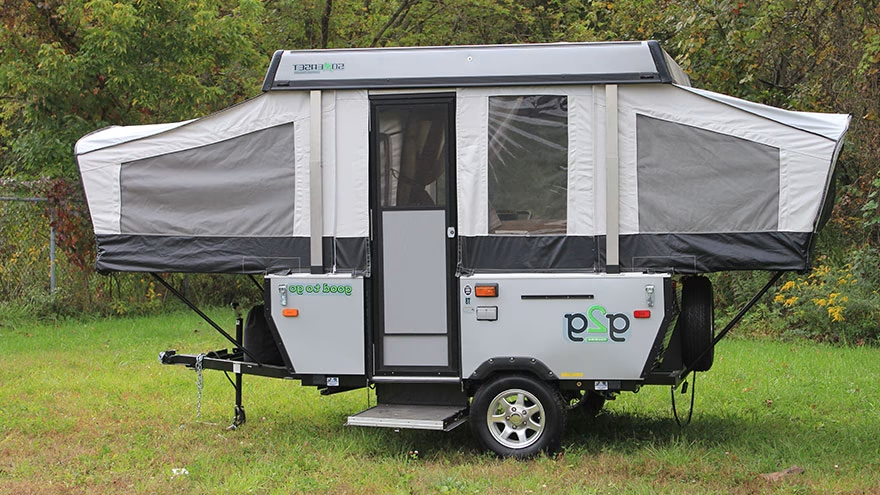
What Makes the Best Pop-Up Tent Trailer?
The best pop-up tent trailer is not automatically the newest, largest, or most feature-heavy model on the lot. It is the trailer that your tow vehicle can handle, your campsite can fit, your family can set up, and your budget can maintain after the first exciting weekend. Pop-ups are appealing because they tow small and camp larger, but that fold-out design has trade-offs.
Go RVing's first RV buying guide frames buying around budget, type, and realistic use. For a pop-up buyer, realistic use means knowing where you camp, how many people sleep inside, and how much setup you will tolerate in rain or darkness.
A good pop-up sits between tent camping and a hard-sided travel trailer. You get beds off the ground, some storage, and easier towing than many larger campers. You give up insulation, sound privacy, and some weather protection.
The best first filter is towable, usable, repairable. If any one of those fails, the brand name matters less.
How Much Trailer Can Your Vehicle Tow?
Start with your vehicle owner's manual, door sticker, hitch rating, payload rating, and trailer towing guide. Do not shop by dry weight alone because camping gear, water, propane, batteries, food, and accessories add up fast.
NHTSA explains in a GVWR interpretation that trailer gross vehicle weight rating includes the empty trailer plus its rated cargo load. That number is more useful than a stripped brochure weight when you are thinking about real trips.
Check tongue weight too. A trailer can be under the tow rating and still overload the vehicle's payload or rear axle. If the numbers are close, choose a smaller trailer or a different tow vehicle.
Think in terms of loaded weight, not brochure optimism. Add people, cargo in the tow vehicle, coolers, bikes, bedding, water, propane, and batteries to the mental math. The trailer does not camp empty.
A lightweight pop-up can still tow badly if loaded poorly, tires are old, brakes are neglected, or the hitch setup is wrong. The safest trailer is not only light; it is matched and maintained.
Ask about brakes, tire age, wheel bearings, spare tire, and the condition of safety chains and lights. A small trailer still needs roadworthy running gear. Campsite comfort does not matter if the trailer is unsafe on the way there.
Which Floor Plan Works Best?
Floor plan matters more than showroom shine. Count who will sleep inside, how tall they are, whether kids need separate beds, where the dog sleeps, and whether anyone will climb over another person for a night bathroom trip.
Dinette beds look useful until you convert them every night and rebuild the table every morning. A slide-out dinette adds room but also weight, cost, and another mechanism to inspect.
If you cook mostly outside, a large indoor galley may not matter. If you camp in rain, wind, or mosquito season, interior workspace may matter a lot. The best layout matches your worst normal camping day, not just a sunny dealership visit.
Storage is part of floor plan too. Look for places to keep bedding, cookware, leveling blocks, hoses, extension cords, rain gear, and dirty shoes. A camper with six beds and nowhere for wet jackets may feel crowded by the second night.
For destination planning after the trailer is sorted, Livecub's North Conway moose guide shows why storage and early starts matter on wildlife-focused trips.
What Setup and Canvas Issues Should You Inspect?
Pop-ups depend on lift systems, canvas, zippers, screens, roof seals, latches, stabilizers, and bunk supports. A trailer that looks clean outside can still have water damage under the roof edge or soft flooring near corners.
Ask the seller to set up and take down the trailer in front of you. Watch how smoothly the roof lifts, whether the door fits, whether canvas pulls evenly, and whether bunk ends slide without grinding or sagging.
Canvas should be checked for mildew smell, pinholes, patched tears, brittle windows, broken screens, and weak seams. A small repair may be fine. Widespread dampness or a soft roof is a much larger problem.
Set it up before buying. Photos of a folded camper do not tell you enough. The whole point of a pop-up is what happens after it opens.
Ask how long setup takes with the actual people who will camp. One strong owner in a driveway is different from two tired adults arriving after dark with children waiting in the car. Setup tolerance is a real buying criterion.
If the seller allows it, do a careful water check around seams, roof edges, and window areas or inspect after recent rain. Fresh staining, swollen panels, or a damp canvas smell should slow the purchase down.
Do Bathrooms, Showers, and Air Conditioning Matter?
Bathrooms, showers, furnaces, refrigerators, and air conditioning can make camping easier, but they add weight, cost, maintenance, and winterizing tasks. A simple camper may be better for people who use campground facilities and cook outside.
A cassette toilet or wet bath can be valuable for families, bad weather, nighttime use, or remote sites. It can also become a cleaning chore in a small space. Be honest about who will maintain it.
Air conditioning can require shore power and may add roof weight. Furnaces require propane and ventilation awareness. Refrigerators can behave differently on battery, propane, or shore power depending on model.
If your camping style includes remote landscapes, Livecub's Spiral Jetty travel guide is a reminder that water, power, roads, and services should be checked before assuming amenities will cover every need.
Will the Trailer Fit the Campsites You Want?
Length, width, height when open, and backing skill all affect campsite fit. A pop-up may tow short but spread out once bunk ends are extended. Trees, slopes, tent pads, bear boxes, and parking stops can all change what fits.
The National Park Service's campground guidance points campers toward park websites and official reservation sources for site details. Always check the specific campground, not a general rule you heard online.
Private campgrounds may offer power, water, bathhouses, pools, and easier access. Public campgrounds may have tighter pads, fewer hookups, or generator limits. The best trailer for one setting may be annoying in another.
For scenic-drive camping plans, Livecub's Skyline Drive waterfalls article pairs well with the idea of checking road access and campground details before departure.
Should You Buy New or Used?
New trailers offer warranty coverage, cleaner financing, current features, and fewer unknown repairs. They also depreciate, and entry-level units can still have fit-and-finish issues that need dealer attention.
Used trailers can be excellent values if they were stored dry and maintained well. They can also hide roof leaks, lift-system wear, tire age, rotten floors, neglected bearings, bad batteries, and missing canvas parts.
Inspect the title, VIN, tires, brakes, lights, roof, floor, lift operation, propane system, battery, water lines, and appliances. If you do not know how, pay for an inspection. A cheap trailer with water damage can become expensive quickly.
Use your nose during inspection. A closed camper that smells musty after sitting may have hidden moisture. Look under cushions, inside storage benches, around roof corners, and near the door where water often finds a path.
A used trailer can still be the best buy if the owner has maintenance records, dry storage history, working systems, and no signs of rushed patchwork. A clean title and honest demonstration are worth more than shiny decor.
For road-trip destination planning after purchase, Livecub's Petoskey travel guide is a better use of time than discovering a roof leak on the first night out.
The best pop-up tent trailer is the one that passes the boring checks: numbers, condition, layout, setup, campsite fit, and maintenance. If it only wins on photos, keep looking.
Frequently Asked Questions
Are pop-up tent trailers easy to tow?
Many are easier to tow than larger RVs, but you still need to check tow rating, payload, hitch setup, tires, and brakes.
Can a pop-up camper fit in national park campgrounds?
Often yes, but each campground has its own length, road, reservation, and site limits. Check the official park page.
Is a bathroom worth it in a pop-up trailer?
It depends on your camping style. Bathrooms add convenience but also weight, cleaning, water use, and maintenance.
What is the biggest used pop-up trailer risk?
Water damage is one of the biggest risks. Inspect the roof, floor, canvas, corners, and storage history carefully.

Cashie Evans
Covers parenting and practical household topics with clear steps, safety notes and links to current guidance.


Leave a reply
Replying to