

The best way to invest in grain stock is not to guess which crop headline will pop next. Start by deciding what you actually want to own: a company, a fund, or commodity exposure.
Grain touches food, feed, fuel, exports, storage, freight, and weather. That makes the theme interesting, but not automatically safe.
Define Grain Stock First
Grain stock can mean shares of companies tied to grain, such as seed, fertilizer, equipment, storage, transportation, processing, or food businesses. It can also be confused with grain futures or commodity funds. Those are not the same risk.
Investor.gov's stock overview explains that stock ownership carries business risk and that diversification can offset some stock risk: Investor.gov stocks FAQ. Start there before choosing a grain-related name.
Use USDA Data As Background

USDA's Grain Stocks report is issued quarterly and covers wheat, corn, soybeans, and other stored crops by location and position: USDA Grain Stocks report. The report can move commodity expectations, but it does not automatically make one company a buy.
A grain company may benefit from volume, margins, exports, storage, processing spreads, or logistics. The crop headline is only one part of the company story.
Choose The Business Model
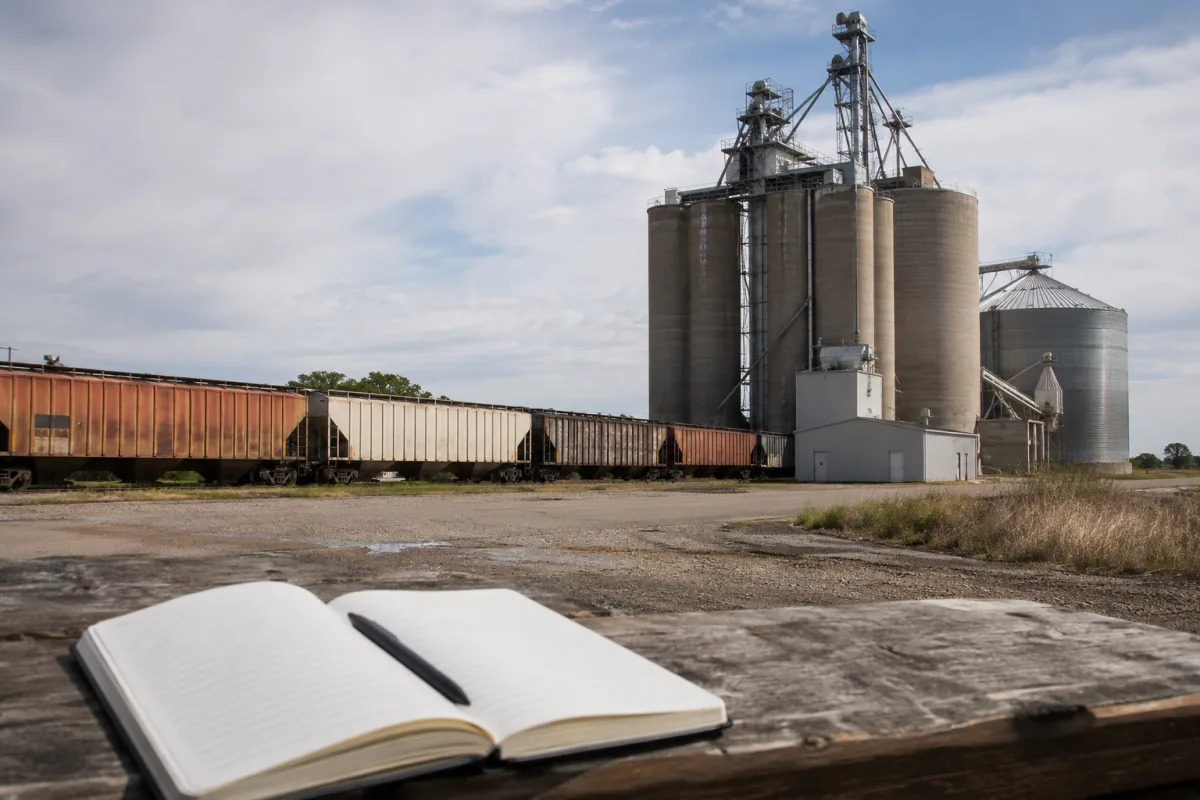
USDA ERS notes that corn is the most widely produced U.S. feed grain and is used in livestock feed and industrial products. That matters because grain-linked companies sit in different parts of the chain.
Seed and fertilizer companies do not act like grain elevators. Railroads do not act like food processors. Pick the business model before the ticker, then test the risks separately.
Read Company Filings
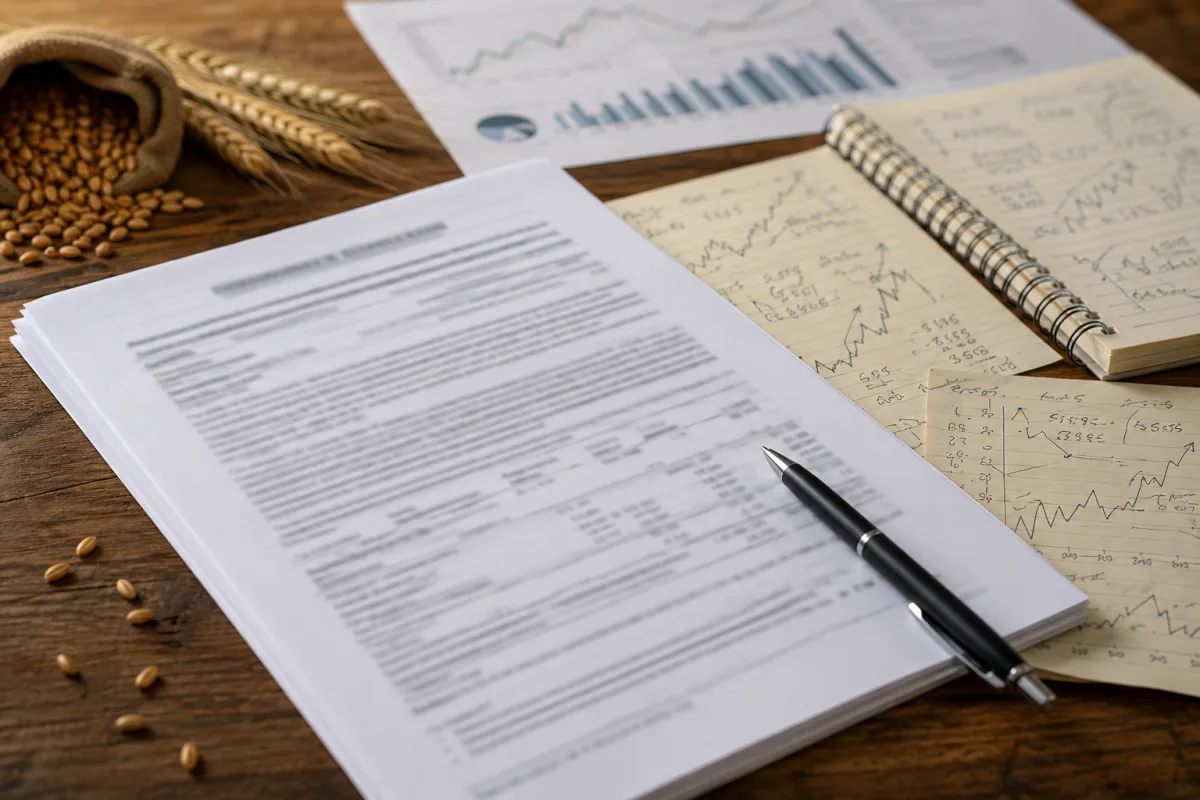
SEC EDGAR lets investors search public company filings: SEC filing search. Look for revenue segments, commodity exposure, debt, hedging, customer concentration, and risk factors.
If the position is part of a broader portfolio, compare it with safer holdings such as invest in U.S. Treasury bonds or older assets you may need to check savings bond values. A narrow grain theme should earn its place.
Avoid Commodity Confusion
A grain stock is not a bushel of corn. If you want direct commodity exposure, the risks may involve futures, roll costs, storage economics, and tax reporting. Stock exposure adds management, debt, and valuation risk.
Use Livecub's guide to calculate bond values for fixed-income math and teach kids about money for household money basics if the grain idea is part of a teaching conversation rather than a portfolio need.
Start With The Exposure
For invest in grain stock, name exactly what you would own: a company stock, a fund, a commodity future, a bond, cash, or a mix. Similar labels can hide different risks.
The first job is not finding the exciting ticker. It is knowing what makes the investment rise or fall.
Check The Source Of Return
A return can come from earnings growth, dividends, price changes, interest, inflation, scarcity, or speculation. If you cannot name the source, the idea is not ready.
Write the reason in one sentence. Then write what would prove the reason wrong.
Keep Diversification Honest
Owning several names in one industry may still be one bet. Weather, fuel, rates, export demand, regulation, and currency can move related holdings together.
Diversification should cross business models, asset classes, and time horizons, not just ticker symbols.
Read The Filing Or Fund Page
Public companies and funds disclose risks in filings and prospectuses. Read the risk section before reading the marketing page.
If the document feels too dense, that is useful information. The investment may need more time before money is involved.
Size The Position For Being Wrong
Position size should assume the thesis can fail. A small allocation can teach without threatening the plan; a large allocation can turn one mistake into a household problem.
Risk control is not pessimism. It is respect for uncertainty.
Avoid Current-Price Storytelling
A price move after a report or headline can create a story that sounds obvious in hindsight. Do not confuse a move with a durable reason to buy.
Wait long enough to ask what changed in cash flow, supply, demand, balance sheet, or valuation.
Compare With A Simpler Choice
Before buying a narrow idea, compare it with a broad stock fund, Treasury holding, savings product, or no action. Sometimes the simpler choice wins because it creates fewer ways to be wrong.
A good investment should survive comparison with boring alternatives.
Keep Records
Save the date, source, price, reason, position size, and exit rule for The Best Way to Invest in Grain Stock. A short note can prevent later reinvention.
If the reason changes, update the note or sell. Do not let inertia become the investment case.
Separate Business Risk From Commodity Risk
A grain-related stock can move for reasons that have little to do with the grain price alone. Debt, plant downtime, hedging, management, freight, wages, and export rules can all change the result.
A commodity chart may be useful background, but the company still needs its own review. Treat the stock as a business first.
Check Fees, Taxes, And Account Fit
Trading costs, fund expenses, bid-ask spreads, and taxes can quietly reduce the return. Account type can matter as much as the idea, especially if the holding pays dividends or is traded often.
If the investment does not fit the account, the calendar, or the tax picture, pause before buying.
Write The Exit Rule Before Buying
An exit rule can be based on valuation, business results, position size, time, or a broken thesis. It should exist before the first order is placed.
Without a rule, every decline becomes a debate and every gain becomes a temptation to rewrite the plan.
Watch Liquidity And Order Type
Thinly traded shares and narrow funds can move more than expected when an order is placed. Look at average volume, spread, and order type before sending money.
A limit order may fit better than a market order when the spread is wide or the quote is moving quickly.
Practice The Research Without Money
Before committing funds, track the idea for a few weeks. Save the starting price, the reason, the data releases, and what you expected to happen.
Paper tracking is not the same as real investing, but it reveals whether the process is clear enough to use.
Recheck The Allocation After A Price Move
A winning position can become too large, and a losing position can become an emotional anchor. Review the size after major price moves instead of waiting for year-end.
Rebalancing rules should be boring on purpose. They keep one idea from quietly taking over the plan.
Keep Cash Needs Separate
Money needed for bills, taxes, tuition, emergencies, or a near-term purchase should not depend on a narrow investment idea working on schedule.
Separate cash needs before analyzing return. That one step prevents forced selling when markets move against the thesis.
After the review, write the decision down. A plain record is often enough to stop second-guessing later.
Look For The Downside Case
Every investment note should include a downside case. For grain-related businesses, that may mean weak demand, margin pressure, higher transport costs, weather shocks, debt refinancing, or a policy change.
If the downside case would be unacceptable at the planned position size, the position is too large or the idea is not ready.
Decide How Often To Review
A narrow holding needs a review schedule. Quarterly filings, USDA reports, earnings calls, dividend changes, and major price moves are all natural check points.
Without a schedule, attention follows headlines. A calendar-based review makes the process calmer and easier to audit later.
Keep the dates visible.
Frequently Asked Questions
What is a grain stock?
It is usually a public company tied to grain production, processing, storage, transport, inputs, or food manufacturing.
Is buying grain stock the same as buying grain futures?
No. Stocks carry company risk, while futures track commodity contracts with different mechanics.
Which data should I watch?
USDA grain stocks, acreage, crop progress, exports, margins, and company filings can all matter.
Are grain stocks defensive?
Not always. They can be cyclical and sensitive to weather, input costs, demand, currency, and policy.
Should beginners buy one grain stock?
Only after understanding concentration risk. Broad funds or small position sizes may be more suitable.
This article is for general information only and is not financial, legal, insurance, medical, or tax advice. Policy terms, prices, eligibility, and laws change; read the policy and ask a licensed professional.

Patrick Harwood
Edits sports, consumer-finance and general legal explainers. Regulated or time-sensitive topics link to primary sources and are not professional advice.



Leave a reply
Replying to