The Link Between Chronic Pain and Mental Health Struggles
Ever woken up feeling a dull ache, or a sharp twinge, and known instantly that it wasn't just your body complaining, but your mind bracing for impact too? Maybe you've had those days where the physical discomfort is so pervasive, so relentless, that it casts a long, dark shadow over everything else. It makes simple tasks feel like climbing a mountain, steals your joy, and leaves you feeling utterly drained, both physically and emotionally.
You're not alone. I’ve heard countless stories, and experienced some of it myself, where the conversation quickly shifts from "my back hurts" to "I just feel so defeated." It’s a silent, often invisible battle, but it’s real, and it’s a shared experience for so many of us navigating the choppy waters of chronic pain.
What happens when the constant physical suffering starts whispering lies into your ear, telling you you're broken, incapable, or unworthy? That's the insidious link we need to talk about, because ignoring it means missing a huge piece of the puzzle when it comes to truly living well.
Why This Matters
Here’s the thing: we often treat our physical health and our mental health as separate entities. We go to a doctor for a hurting knee, and maybe a therapist for a heavy heart, thinking these issues live in entirely different zip codes. But when you’re dealing with chronic pain – that relentless companion that sticks around for months, sometimes years – these two parts of you become inextricably intertwined.
It's like two passengers in a very small car, one constantly nudging the other, influencing every turn and every stop. The chronic physical discomfort doesn't just hurt; it rewires your brain. It impacts your sleep, your energy levels, your ability to focus, and your desire to engage with the world.
And guess what feeds on disrupted sleep, low energy, and social isolation? Anxiety and depression, that’s what. Ignoring this vital connection is like trying to fix a leaky roof without checking the foundation of the house; you might patch it up temporarily, but the underlying problem will keep resurfacing, causing more damage.
For too long, the narrative around chronic pain has been solely focused on the physical symptoms. "Take this pill," "do these exercises," "try this procedure." And while these are absolutely important pieces of the puzzle, they often miss the profound emotional and psychological toll that living with persistent pain takes.
How can you expect someone to feel optimistic about physical therapy when they're battling profound sadness or debilitating anxiety brought on by their condition? How can someone effectively manage their pain when their mind is in a constant state of panic or despair? Understanding this link isn't just academic; it's absolutely vital for creating genuinely effective, compassionate, and holistic strategies to not just manage pain, but to reclaim your life from its grip.
It means seeing the whole person, not just the symptom, and recognizing that healing often needs to happen on multiple fronts.
The Silent Struggle: How Pain Warps Your Mindset
Living with chronic pain isn’t just about the physical sensation; it’s a constant battle that plays out in your mind, often silently, every single day. Imagine your brain as a finely tuned instrument. When pain becomes chronic, it’s like someone’s constantly hitting a discordant note.
Over time, that dissonance doesn't just annoy you; it starts to fundamentally change the way your instrument is wired. What I’ve seen, and what research consistently shows, is that prolonged pain can actually alter brain structures and neurotransmitter activity. This isn’t just theoretical; it means your brain literally starts to become more sensitive to pain signals, and less effective at regulating mood and stress.
It’s a cruel cycle: pain leads to stress, which ramps up your body’s fight-or-flight response, which can then intensify your perception of pain, making you feel more overwhelmed and anxious.
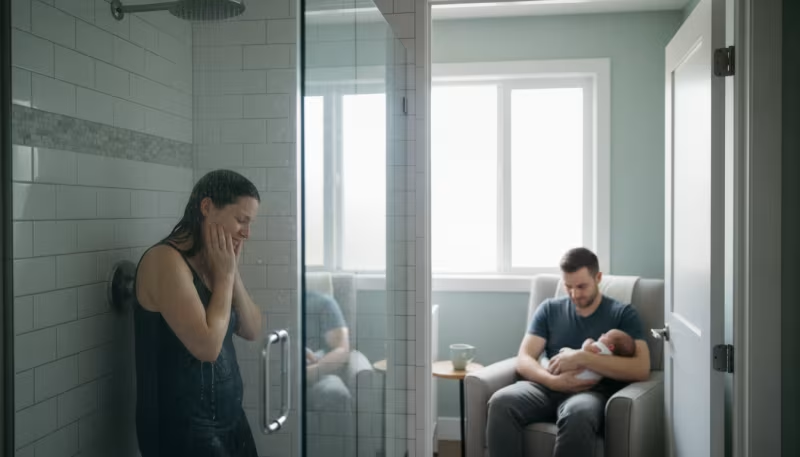
Beyond the neurological changes, there’s the sheer emotional weight. Think about it: a life with chronic pain often means canceled plans, missed opportunities, and a constant negotiation with your own body. This can lead to profound feelings of loss and grief – grief for the person you used to be, the activities you once loved, or the future you had envisioned.
It's not uncommon to feel isolated, even from well-meaning friends and family who simply can't grasp the invisible burden you carry. People might say, "But you look fine!" and that disconnect can make you feel even more alone. This isolation, coupled with the relentless discomfort, creates a fertile ground for anxiety to flourish, with worries about the future, financial strain, or simply whether you’ll ever get a good night's sleep.
And then there's depression, a heavy blanket that smothers motivation, drains energy, and convinces you that things will never get better. It’s a tough spot to be in, and recognizing these mental health challenges as legitimate consequences of your pain is the first, crucial step toward finding your way back to a lighter, brighter path.
Breaking the Cycle: Practical Steps to Reclaim Your Mental Peace
- Actionable tip 1: Embrace Mind-Body Practices for Regulation. In my experience, one of the most powerful tools against the mind-body turmoil of chronic pain is learning to actively regulate your nervous system. This isn't just about 'relaxing'; it's about training your brain to dial down the 'threat' signals that pain often amplifies. Try incorporating short bursts of mindfulness meditation into your day. There are tons of apps out there, like Calm or Headspace, that offer guided meditations specifically for pain or stress. Even five minutes of focused breath work can make a difference. What I love about yoga or Tai Chi is that they combine gentle movement with breath and mindfulness, helping you reconnect with your body in a non-threatening way, shifting the focus from 'painful body part' to 'aware, breathing body.' Start small, maybe just five minutes in the morning, and gradually increase as you feel comfortable. It’s about building a new habit of calm.
- Actionable tip 2: Seek Out Specialized Professional Support. While your primary care doctor or pain specialist is essential for managing the physical aspects of pain, don't underestimate the power of a mental health professional who understands chronic illness. A pain psychologist, for instance, isn't just there to tell you how to cope; they can equip you with incredibly effective strategies like Cognitive Behavioral Therapy (CBT) or Acceptance and Commitment Therapy (ACT). CBT helps you identify and challenge negative thought patterns that pain often creates, while ACT focuses on accepting pain's presence while still committing to living a life aligned with your values. I've seen firsthand how these therapies can dramatically change a person's relationship with their pain, helping them to reduce suffering even if the physical sensation remains. It’s not about curing the pain, but curing the *suffering* that often comes with it.
- Actionable tip 3: Cultivate Your Support System & Break Isolation. One of the cruellest side effects of chronic pain is the way it can push us into isolation. We cancel plans, we feel misunderstood, and eventually, we just stop reaching out. But human connection is truly medicine for the soul. Make a conscious effort to stay connected, even when it feels hard. This could mean scheduling regular video calls with a trusted friend, joining an online support group specifically for people with your condition, or finding a local chronic pain support group. What’s amazing about these groups is the sheer relief that comes from being understood, truly understood, by people who 'get it.' You don't have to explain yourself. You can share tips, laugh, cry, and just *be*. In my experience, simply knowing you’re not alone can significantly lighten the mental burden and boost your resilience.
Nourishing Your Mind and Body: Lifestyle Hacks for Resilience
Okay, so we’ve talked about the deep, often hidden connections between chronic pain and mental health. Now, let’s get down to the practical stuff – the everyday choices that can genuinely make a difference. Think of your body and mind as a high-performance engine.
If you’re filling it with low-quality fuel, skipping oil changes, and running it constantly on fumes, you can’t expect it to perform optimally. The same goes for us, especially when we’re battling chronic pain and its emotional fallout. It's about building a robust foundation of self-care that empowers you, rather than just reacting to symptoms.
One of the biggest impacts on both pain perception and mood is sleep. I can’t stress this enough. When you’re in pain, sleep often becomes elusive, and when you don’t sleep well, your pain feels worse, and your anxiety and depression spike.
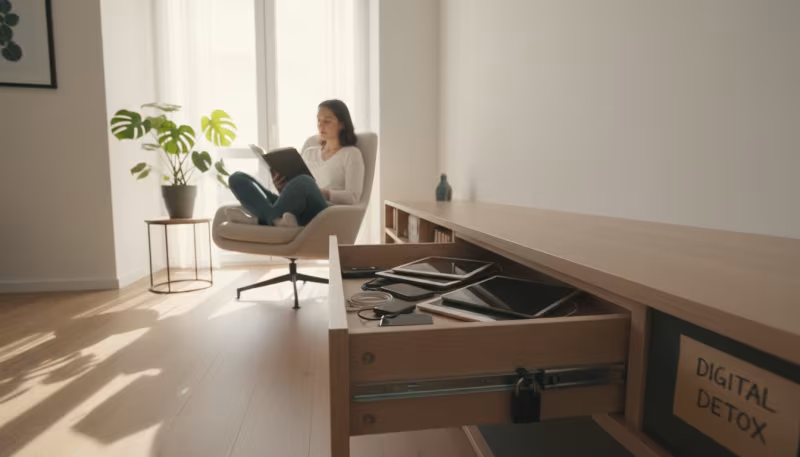
It's a vicious circle! What I've learned is that prioritizing sleep hygiene isn't a luxury; it's a necessity. This means sticking to a consistent sleep schedule, creating a calm bedroom environment (dark, cool, quiet), and winding down with relaxing activities before bed, like reading or a warm bath, instead of endless screen time.
Even if you don’t get eight hours every night, establishing a routine helps your body and mind prepare for rest, which itself can reduce stress.
Next up is nutrition. While no diet is a magic bullet for chronic pain, what you put into your body profoundly affects inflammation levels, energy, and gut health, all of which play a role in pain and mood. I'm a big believer in focusing on whole, unprocessed foods.
Think vibrant fruits and veggies, lean proteins, and healthy fats. Many people find relief by reducing inflammatory foods like processed sugars, refined grains, and certain dairy products. Try incorporating anti-inflammatory foods like turmeric, ginger, omega-3 rich fish, and berries.
Don't aim for perfection overnight, just try one small change for a week or two and notice how you feel. Small, sustainable changes are far more effective than radical overhauls.
Finally, there's stress management. Chronic pain is inherently stressful, but how we *react* to that stress makes a huge difference. I used to think stress management was just 'doing less,' but it’s so much more than that.
It’s about building a toolkit of strategies to calm your nervous system. This could be anything from deep breathing exercises throughout the day, spending time in nature, listening to calming music, or engaging in creative hobbies that allow you to lose yourself in the moment. Journaling, in my experience, is incredibly powerful for processing difficult emotions and understanding your pain triggers.
What's important is finding what truly works for *you* and making it a non-negotiable part of your daily routine. These aren't just 'nice-to-haves'; they're essential building blocks for resilience against the double whammy of chronic pain and mental health struggles.
Beyond the Pain: Finding Joy and Purpose Again
When you're living with chronic pain, it's easy for your entire world to shrink down to just that: the pain. It becomes the lens through which you see everything, dictating what you can and can't do, and often overshadowing any potential for joy or meaning. I've been there myself, where the thought of doing anything beyond just existing felt utterly overwhelming.
But here's the honest truth: while the pain might always be a part of your story, it doesn't have to be the *entire* story. Finding joy and purpose again isn't about ignoring your pain or pretending it doesn't exist; it's about actively carving out space for other things, for moments of connection, creativity, and contribution, even within the limitations your condition might impose.
One powerful way to do this is by rediscovering or adapting hobbies. Did you love to paint, but now your hands ache? Explore digital art, or try larger brushes.
Were you an avid gardener? Consider container gardening on a raised bed, or delegate heavier tasks to a friend while you enjoy the lighter planting. The goal isn't to replicate what you did before, but to find new ways to engage with the things that light you up.
What I've found incredibly helpful is to really lean into sensory experiences that bring me comfort and pleasure. A warm bath with essential oils, the smell of freshly baked bread, the feel of a soft blanket, listening to your favorite music, or the vibrant colors of a sunset – these small, accessible joys can add immense richness to your day and pull your focus away from the relentless pain signals, even if just for a little while.
Another crucial step is setting realistic, achievable goals. When you're constantly battling pain, it's easy to feel a sense of hopelessness and helplessness. Big, daunting goals can just add to that burden.
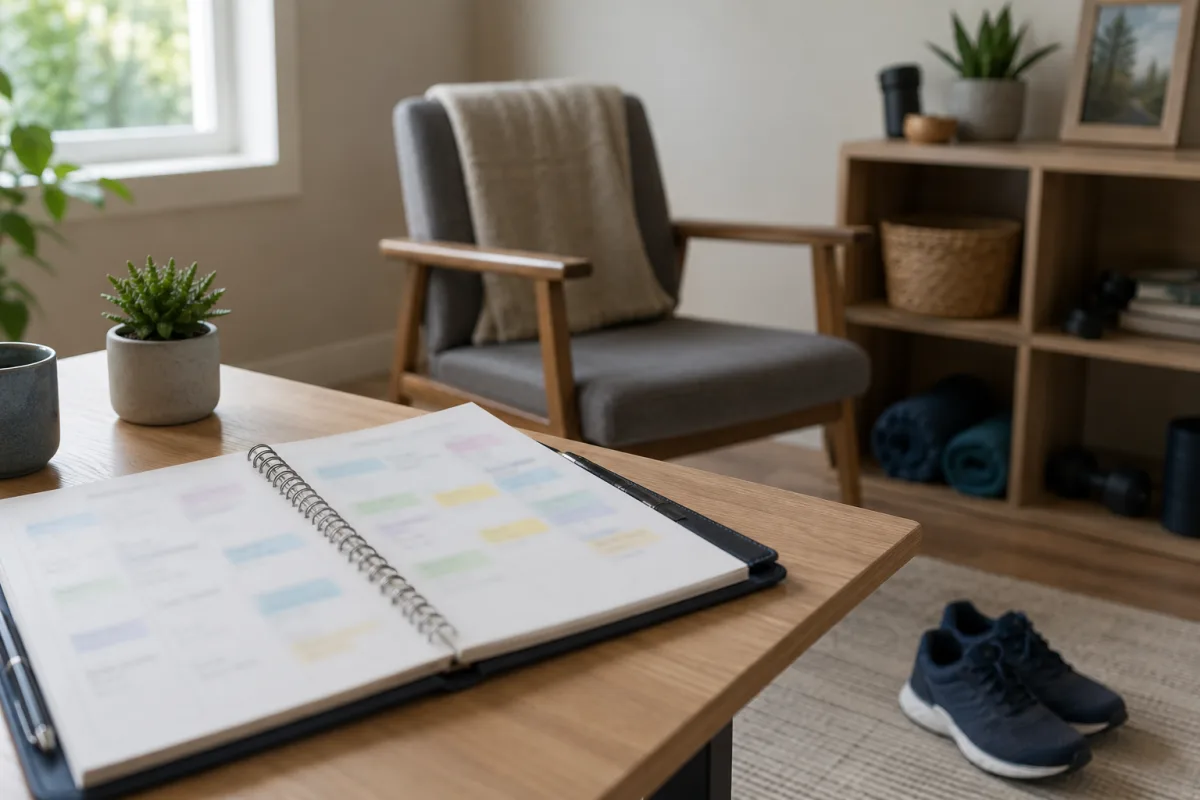
Instead, try setting micro-goals. Maybe it’s taking a 10-minute walk today, or calling a friend, or spending 15 minutes on a creative project. Achieving these small wins builds momentum and confidence, reminding you that you *are* capable, that you *can* make progress, and that you *do* have agency in your life.
This sense of accomplishment, even for something seemingly minor, can significantly boost your mood and combat feelings of depression. What’s amazing is that these small triumphs accumulate, slowly but surely, helping you build a life that feels meaningful and purposeful, even with pain as a constant, albeit unwanted, companion.
Finally, practicing gratitude, even on your worst days, can be profoundly transformative. I know, it sounds a bit cliché when you’re in agony, but hear me out. Gratitude isn’t about being thankful *for* the pain; it’s about intentionally shifting your focus to the small pockets of good that still exist.
It might be the warmth of the sun on your face, the comfort of your pet, a kind word from a stranger, or simply having a roof over your head. Keeping a gratitude journal, or even just taking a moment each evening to identify one thing you're grateful for, helps train your brain to seek out positivity, fostering a more resilient and hopeful mindset.
It doesn’t erase the pain, but it certainly helps to reduce its power over your emotional landscape, allowing space for joy to slowly creep back in.
Common Mistakes to Avoid
When you’re grappling with chronic pain and its mental health fallout, it’s incredibly easy to fall into certain traps that, while seemingly helpful in the short term, can actually make things much worse. Trust me, I’ve seen these patterns play out countless times, both in others and, occasionally, in my own journey. Recognizing them is the first step to steering clear.
One big mistake is ignoring your mental health symptoms. We’re often so fixated on the physical pain that we dismiss anxiety, sadness, or irritability as 'just a consequence' of the pain. "Of course I'm depressed, I'm in pain!" While that connection is real, dismissing the mental health aspect means you're missing out on vital interventions that could significantly improve your quality of life.
Thinking that if you just fix the pain, the mental health issues will magically disappear is a gamble you don't want to take. Your mental well-being deserves direct attention.
Another common pitfall is isolating yourself. When pain makes leaving the house or socializing feel like an impossible task, it's natural to retreat. But this retreat, over time, can lead to profound loneliness, which is a massive contributor to depression and anxiety.
You might feel like a burden, or that no one truly understands, so you stop reaching out. This creates a self-fulfilling prophecy. Remember, connection is a fundamental human need, and actively fighting against the urge to isolate is crucial for your mental resilience.
Then there’s the "fix-it" mentality trap. We live in a society that constantly pushes for solutions and cures. With chronic pain, this can lead to an endless cycle of chasing the next medication, procedure, or miracle cure, often at great emotional and financial cost.
While it's important to explore treatment options, becoming obsessively focused on 'fixing' the pain can lead to immense frustration, disappointment, and a sense of failure when those fixes don't materialize. It can also prevent you from engaging with strategies that help you live *well* with pain, rather than just waiting for it to disappear.
Finally, comparing your journey to others is a significant emotional drain. Whether it's comparing yourself to the "healthy" version of yourself, or to others with similar conditions who seem to be coping better, comparison is truly the thief of joy. Everyone's pain journey is unique, and what works for one person might not work for another.
Your pain is valid, your struggles are real, and your progress, no matter how small, is worth celebrating. Focus on your own path, your own improvements, and your own unique strengths.
Expert Tips
For those of you ready to dig a little deeper and implement more advanced strategies, these expert tips can offer a significant boost in managing the intertwined challenges of chronic pain and mental health. These aren't quick fixes, but rather powerful tools for building long-term resilience and fostering a more compassionate relationship with yourself and your condition.
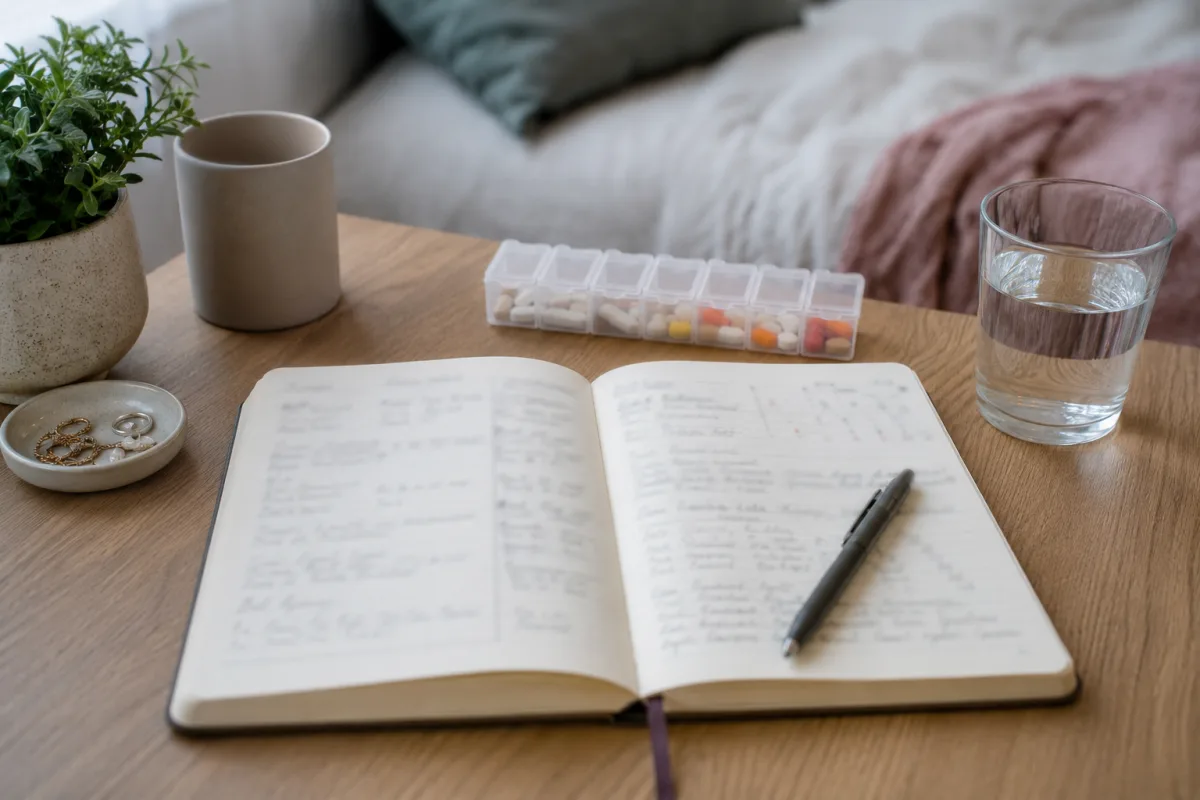
First up, try keeping a pain and mood diary. This might sound simple, but tracking not just your pain levels, but also your mood, sleep quality, activity levels, and any specific triggers can provide invaluable insights. After doing this for 30 days, I've seen people identify patterns they never noticed before – how certain foods affect their pain, how a stressful meeting amplifies their symptoms, or how better sleep leads to a lighter mood.
This data empowers you and your healthcare team to make more informed decisions about treatment and lifestyle adjustments. It turns vague feelings into actionable information.
Next, consider exploring interdisciplinary pain management programs. These aren't just single specialists; they’re teams of professionals – doctors, physical therapists, occupational therapists, psychologists, dietitians – all working together under one roof. What’s amazing about this approach is that they treat the *whole* person, recognizing that pain is multifaceted and requires a comprehensive approach.
It’s an integrated approach that addresses the physical, emotional, and social impacts of chronic pain, and in my experience, offers a far more holistic and sustainable path to improvement than simply seeing isolated specialists.
Another powerful strategy is delving into Acceptance and Commitment Therapy (ACT). While I mentioned it briefly before, it deserves more attention. ACT isn't about giving up on getting better; it's about accepting the presence of pain (or difficult emotions) and committing to living a life aligned with your values, *despite* that pain.
It helps you unhook from distressing thoughts and feelings, and instead, invest your energy into meaningful actions. For many, this shift in perspective is incredibly liberating, allowing them to stop fighting their pain and start living alongside it more peacefully, which ironically, can often lead to a reduction in suffering.
Finally, explore the concept of neuroplasticity exercises. Our brains are incredibly adaptable. Chronic pain can create "pain pathways" that become entrenched, but we can actively work to rewire those pathways.
This often involves specific visualization techniques, graded exposure to movements you fear, or even brain training apps designed to retrain your brain's response to pain signals. It’s about teaching your brain that it’s safe, even if it’s currently sending pain messages. This often works best with guidance from a qualified therapist or pain specialist, but the underlying principle is incredibly hopeful: your brain isn't stuck; it can change.
Final Thoughts
If you've been reading this and nodding your head, feeling that deep resonance with the struggles discussed, please know this: you are not alone, and you are certainly not to blame. The link between chronic pain and mental health struggles isn't a sign of weakness; it's a testament to the immense burden you've been carrying.
It's a complex, often invisible battle, but it's one where understanding, compassion, and proactive strategies can truly make a world of difference. Your pain is real, and so are the emotions that come with it. Giving yourself permission to acknowledge and address both is perhaps the most courageous step you can take on your journey towards healing.
Remember, living well with chronic pain isn’t about eradicating every last flicker of discomfort, but about cultivating resilience, finding moments of joy, and building a life that feels rich and meaningful, despite the challenges. It’s a marathon, not a sprint, and there will be good days and bad days.
But with each small step you take – whether it’s practicing a moment of mindfulness, reaching out to a friend, or trying a new pain management technique – you’re investing in yourself. You’re building strength, not just in your body, but in your spirit. So, be kind to yourself, seek out the support you deserve, and never stop believing in your capacity to adapt, grow, and truly thrive.
You’ve got this, and we’re here cheering you on every step of the way. What’s one small thing you’ll try this week to nurture both your body and your mind?
Save for later
Found this helpful?
Pin this article to your Pinterest board and come back to it whenever you need a reminder.
Save to Pinterest