The Role of Magnesium in Managing Daily Anxiety
Ever find yourself lying awake at 3 AM, mind racing through every 'what if' scenario, even the ones that are totally out of your control? Or maybe you get that sudden, inexplicable knot in your stomach before a big meeting, or just a constant low hum of worry that seems to follow you through your day.
You're not alone, friend. That's daily anxiety, and it's something so many of us navigate without even fully realizing its grip. We often reach for coping mechanisms that might offer a temporary fix, but what if there was something simpler, something foundational, that could genuinely help dial down that internal noise?
What if a humble mineral, often overlooked in our fast-paced lives, held a key to a calmer, more centered you? Here at Livecub, we're always looking for ways to live a little better, a little more peacefully, and today, we're diving deep into the surprisingly powerful world of magnesium.
Why This Matters
In our modern world, the lines between 'stress' and 'anxiety' often blur, and frankly, both are pretty constant companions for many of us. We're juggling work, family, social expectations, and the endless scroll of information, all of which can leave our nervous systems feeling perpetually on high alert.
This isn't just about feeling a little stressed; it's about the tangible impact anxiety has on our lives. Think about it: poor sleep, irritability, difficulty concentrating, even physical symptoms like headaches or muscle tension. It can chip away at your joy, your productivity, and your ability to truly connect with others.
I've certainly had my share of days where I felt like I was running on fumes, completely overwhelmed by tasks that, on a good day, would feel totally manageable.
The thing is, we're often told to "just relax" or "try meditation," which are wonderful tips, but sometimes they feel impossible when your mind is buzzing at a million miles an hour. That's where magnesium enters the picture. It's not a magic pill, but it's a fundamental nutrient involved in hundreds of biochemical reactions in our bodies, many of which directly impact our brain function and our stress response.
For years, I was chasing the latest wellness trends, trying everything under the sun, only to realize that sometimes the most profound changes come from getting the basics right. And magnesium, my friends, is as basic and as powerful as it gets. It's a silent worker, essential for everything from energy production to muscle and nerve function, and crucially, for helping us keep our cool when life gets heated.
Understanding Magnesium's Calming Power
So, what exactly is magnesium doing behind the scenes to help us feel less anxious? Well, it's a true superstar when it comes to neurological function and stress management. Think of your nervous system like a complex electrical grid, and magnesium as the essential regulator that keeps everything from short-circuiting.
One of its most significant roles is its interaction with GABA (gamma-aminobutyric acid), which is your brain's primary calming neurotransmitter. Essentially, GABA tells your brain to slow down, to chill out, to take a break from all that frantic overthinking. Magnesium helps activate GABA receptors, making them more receptive to GABA's calming signals.
It's like turning up the volume on your brain's natural "relax" button.
Beyond GABA, magnesium also plays a direct role in regulating your body's stress response. When you're stressed, your body pumps out cortisol, the "stress hormone." Chronic stress means chronic cortisol, and that can really wear you down. Magnesium helps to control the release of cortisol, essentially putting a cap on how high your stress response can go.
It's also involved in modulating glutamate, an excitatory neurotransmitter. Too much glutamate can leave you feeling agitated and restless, so magnesium helps to keep that in check too. In my own experience, when I'm consistently getting enough magnesium, I notice that those little daily stressors don't escalate into full-blown panic attacks.
I can still recognize the stress, but my body just doesn't react with the same intensity. It's a subtle yet profound difference.
Here's the kicker: many of us are actually deficient in magnesium without even knowing it. Modern farming practices have depleted our soil of minerals, meaning our food often contains less magnesium than it used to. On top of that, things like chronic stress, caffeine consumption, alcohol, and certain medications can further deplete our magnesium stores.
It becomes a vicious cycle: stress depletes magnesium, and low magnesium makes us more susceptible to stress and anxiety. Breaking that cycle can feel impossible, but thankfully, there are straightforward ways to boost your intake and give your body the support it needs to find its calm center again.
Getting Your Daily Dose: Food First!
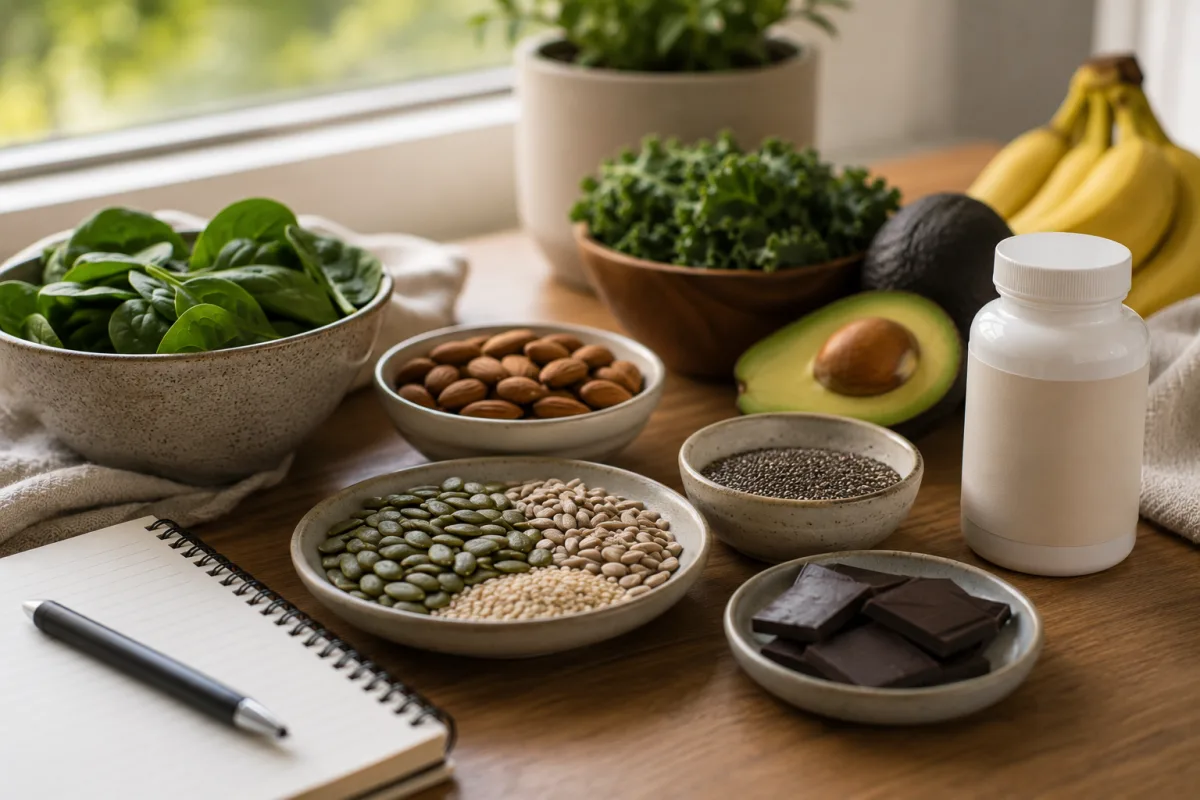
- Prioritize Magnesium-Rich Foods: This is always my first recommendation because eating whole, nutritious foods just feels good, and it’s how our bodies are designed to get nutrients. What are we talking about? Think dark leafy greens like spinach and kale – throw them in smoothies, sauté them with garlic, or add them to your pasta. Nuts and seeds are fantastic; almonds, cashews, pumpkin seeds, and chia seeds are packed with magnesium. I love sprinkling pumpkin seeds on my salads or having a handful of almonds as a quick snack. Legumes like black beans and lentils are also great, perfect for soups, stews, or even homemade veggie burgers. Don't forget whole grains like brown rice, oats, and quinoa. And for a delicious treat, dark chocolate (70% cocoa or higher) is surprisingly rich in magnesium – a little square after dinner is my kind of medicine! Avocados and bananas also deserve an honorable mention for their magnesium content. By consciously adding these into your daily diet, you're building a strong nutritional foundation.
- Mind Your Cooking Methods: While eating these foods is key, how you prepare them can also impact their magnesium content. Overcooking, especially boiling vegetables, can cause water-soluble minerals to leach out. For your greens, aim for light steaming or quick sautéing to retain the most nutrients. If you're boiling, try to use the cooking water in a soup or sauce, so you're not completely losing out. It’s a small tweak, but every little bit helps when you’re trying to optimize your nutrient intake. I always try to keep some raw veggies on hand for snacks, knowing I'm getting all those good enzymes and minerals.
- Hydrate with Magnesium-Rich Water: This might sound a bit niche, but it's an easy win! Some mineral waters are naturally higher in magnesium. Check the labels when you're at the store. Another simple trick is to add a tiny pinch of high-quality mineral-rich salt, like Celtic sea salt or Himalayan pink salt, to your regular drinking water. These salts contain trace minerals, including magnesium, and can help with electrolyte balance. Just be mindful not to overdo it with the salt, especially if you have blood pressure concerns. The goal is subtle enrichment, not making your water taste like the ocean!
Navigating Magnesium Supplements for Anxiety
While a food-first approach is always my preference, let's be real: sometimes, especially if you're dealing with higher levels of stress or a long-standing deficiency, food alone might not be enough to turn the tide. That's where magnesium supplements can truly shine as a powerful ally. When I first started looking into supplements, the sheer number of options felt incredibly overwhelming.
Magnesium oxide, citrate, glycinate, threonate... what's the difference, and which one is actually going to help you feel calmer?
Here's a breakdown of the forms that are most relevant for managing daily anxiety:
- Magnesium Glycinate: This is, hands down, my top recommendation for anxiety and sleep support. Why? Because it's a chelated form, meaning magnesium is bound to glycine, an amino acid known for its calming properties. This makes it highly absorbable and, crucially, very gentle on the stomach. You're far less likely to experience the dreaded laxative effect that some other forms can cause. Because of its calming nature, it's fantastic for reducing general anxiety, promoting relaxation, and supporting a more restful night's sleep. Many people, myself included, find it makes a noticeable difference in their ability to unwind in the evenings.
- Magnesium L-Threonate: This form is newer to the scene and is particularly exciting because it's been shown to effectively cross the blood-brain barrier. This means it can specifically raise magnesium levels in the brain, which is fantastic for cognitive function, memory, and, yes, calming an overactive mind. If you find your anxiety manifests as racing thoughts or difficulty focusing, L-Threonate might be a great option to explore, either on its own or in combination with glycinate. It's often praised for its ability to promote a sense of mental clarity and tranquility.
- Magnesium Citrate: This is a very common and readily available form, and it's also pretty well-absorbed. However, it's primarily known for its laxative properties, which can be a double-edged sword. If you struggle with constipation *and* anxiety, it might offer dual benefits. But if your digestion is already regular, you might find it too stimulating for your bowels. I wouldn't recommend it as your primary magnesium source solely for anxiety relief unless you need that extra digestive push.
- Magnesium Oxide: You'll see this form everywhere because it's cheap, but honestly, for anxiety relief, it's not your best bet. It has very poor bioavailability, meaning your body absorbs very little of the actual magnesium. It's often used in antacids for its chalky properties but isn't effective for addressing a systemic magnesium deficiency. Save your money and opt for a more bioavailable form.
When it comes to dosing, always start low and go slow. A common recommendation for adults is around 200-400mg of elemental magnesium per day, but listen to your body and consult with a healthcare professional, especially if you have underlying health conditions or are taking other medications. For anxiety, many people find taking their magnesium in the evening, perhaps an hour or so before bed, helps promote relaxation and better sleep.
I personally love taking magnesium glycinate before bed; it really helps quiet my mind and prepare my body for rest. It’s not about knocking you out, but rather gently ushering your nervous system into a state of calm.
Magnesium Beyond Pills: Topical & Lifestyle Synergy
Okay, so we've talked about food and supplements, but did you know there's another fantastic way to get magnesium into your system that doesn't involve your digestive tract? Enter transdermal magnesium. This means absorbing magnesium through your skin, usually in the form of magnesium oil sprays or magnesium flakes for baths.
What I love about this method is that it bypasses the digestive system entirely, which can be great if you're sensitive to oral supplements or if you just want to target muscle relaxation directly. It's like giving your body a direct infusion of calm.
Imagine this: after a long, stressful day, you draw a warm bath and add a couple of cups of magnesium bath flakes. As you soak, your skin absorbs the magnesium, helping to relax tense muscles and calm your nervous system. It's a truly luxurious and effective way to unwind.
I've found magnesium bath soaks to be incredibly soothing, especially when I feel that familiar tension creeping into my shoulders and neck. Magnesium oil sprays are also super convenient; you can spray them directly onto your skin (I like my feet or the back of my knees) and let it absorb. It might tingle a bit at first, which is normal, but it quickly subsides.
This topical approach isn't meant to replace oral intake, but it's a wonderful complementary strategy for boosting your levels and enhancing relaxation.
But here's the real truth: magnesium, in any form, isn't a standalone miracle. It's a powerful piece of the puzzle, but it works best when it's synergistically combined with other anxiety-reducing lifestyle practices. Think of it as your foundation, making all your other self-care efforts even more impactful.
- Mindfulness & Meditation: Magnesium can actually help you *get* to a place where mindfulness and meditation are possible. When your mind is buzzing, sitting still and trying to focus on your breath can feel like an impossible task. By helping to calm your nervous system, magnesium can make it easier to settle into a meditative state, making these practices much more effective in reducing your anxiety over time.
- Regular Exercise: Moving your body is an incredible stress reliever. Exercise helps to release endorphins, which are natural mood boosters, and it can help you process stress hormones. What's more, magnesium is crucial for muscle function and recovery, so making sure you have adequate levels can enhance your workouts and help prevent muscle cramps, making your movement practice more enjoyable and sustainable.
- Prioritize Sleep Hygiene: Anxiety and poor sleep often go hand-in-hand, creating a cruel cycle. Magnesium is known for its ability to promote deeper, more restorative sleep by activating those GABA receptors and relaxing your muscles. By optimizing your magnesium intake, you're laying the groundwork for better sleep, which is absolutely fundamental for managing daily anxiety. Think dark, cool room, no screens before bed, and maybe that magnesium glycinate!
- Reduce Caffeine & Alcohol: Both caffeine and alcohol can deplete your body's magnesium stores. While a morning coffee might be a ritual, too much caffeine can exacerbate anxiety symptoms, making you feel jittery and restless. Alcohol, while it might feel like it temporarily calms you, ultimately disrupts sleep and can worsen anxiety in the long run. Cutting back on these can significantly help your body hold onto its precious magnesium and reduce overall anxiety levels.
It's about creating a holistic environment where your body and mind can thrive. Magnesium supports these efforts, making them feel less like an uphill battle and more like a gentle flow towards greater calm.
Common Mistakes to Avoid
Okay, so you're excited about magnesium, and you should be! It really can make a difference. But like with anything powerful, there are a few common pitfalls I've seen people stumble into. Avoiding these can help you get the most out of your magnesium journey and prevent unnecessary frustration.
- Thinking it's a Quick Fix: Here's the thing: while some people feel immediate effects, magnesium often works subtly and over time. Don't expect to take a pill today and wake up completely anxiety-free tomorrow. It's about consistency. Give it at least a few weeks, maybe even a couple of months, to really feel the full benefits. Your body needs time to replenish its stores and for those biochemical pathways to rebalance. Patience, my friend, is key.
- Ignoring Other Lifestyle Factors: Magnesium is a fantastic aid, but it's not a magic wand that can counteract a completely chaotic lifestyle. If you're still chronically sleep-deprived, eating highly processed foods, over-caffeinating, and constantly stressed without any other coping mechanisms, magnesium will be fighting an uphill battle. It works best as part of a holistic approach that includes good nutrition, adequate sleep, stress management, and movement. It's a powerful tool, not a replacement for fundamental self-care.
- Taking the Wrong Form: We touched on this, but it bears repeating. Grabbing the cheapest magnesium oxide supplement because you saw "magnesium" on the label won't give you the anxiety relief you're looking for. It's poorly absorbed and usually just causes digestive upset. Invest in high-quality magnesium glycinate or L-threonate for targeted anxiety support. Knowing the difference really does matter for results.
- Overdosing: While magnesium is generally very safe, more isn't always better. Too much can lead to digestive discomfort, like diarrhea. Stick to the recommended doses on the supplement label, or what your healthcare provider advises. For most people, staying within the 200-400mg elemental magnesium range is effective without causing issues. Always listen to your body and adjust if you notice any adverse reactions.
- Self-Diagnosing Severe Anxiety Without Professional Help: Magnesium is a wonderful tool for managing daily stress and mild to moderate anxiety. However, if you're experiencing severe, debilitating anxiety, panic attacks, or depression, it's absolutely essential to consult with a healthcare professional. Magnesium can be a complementary therapy, but it's not a substitute for professional diagnosis and treatment, which might include therapy or medication. Be honest with yourself about what you're experiencing and seek the support you need.
- Not Checking for Interactions: If you're currently taking any medications, especially for heart conditions, blood pressure, or antibiotics, it's really important to talk to your doctor or pharmacist before adding a magnesium supplement. Magnesium can sometimes interact with certain drugs, affecting their absorption or efficacy. A quick chat can save you a lot of worry later on.
Expert Tips
Alright, for those of you who are ready to take your magnesium game to the next level, or just want to refine your approach, I’ve got a few more insights that I’ve picked up along the way. These aren't necessarily for beginners, but they can be incredibly helpful once you've established a baseline.
- Combine Forms for Maximum Benefit: Don't feel like you have to pick just one. For example, I often recommend taking magnesium glycinate orally in the evening for systemic calming and better sleep, and then using a magnesium oil spray or taking a bath with magnesium flakes after a particularly stressful day or an intense workout. This multi-pronged approach can ensure you're getting magnesium from various avenues, maximizing absorption and targeting both internal relaxation and topical muscle relief. It’s like creating a personalized magnesium cocktail for your body.
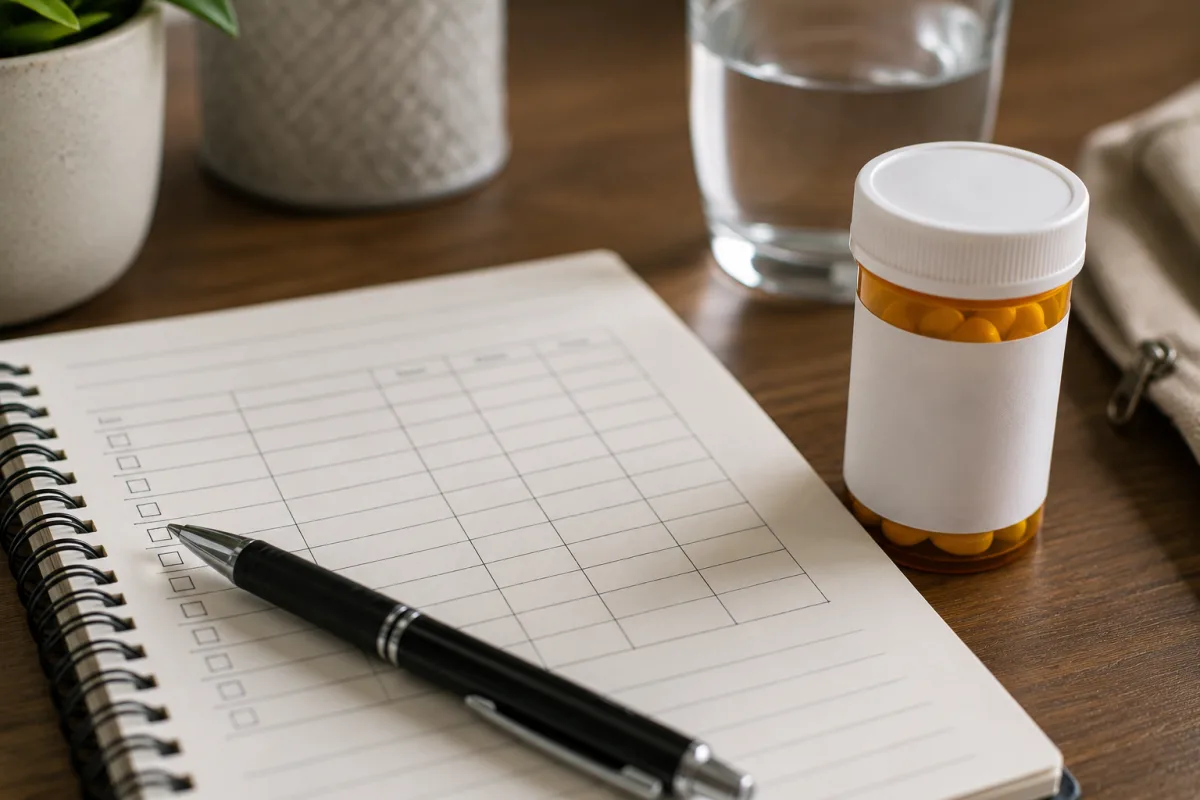
- Track Your Symptoms (Journaling is Your Friend!): How will you know if magnesium is truly making a difference if you're not paying attention? Before you start, jot down how you're feeling on an average day – your anxiety levels, sleep quality, energy, muscle tension. Then, after 30 days of consistent use, review your notes. You might be surprised at the subtle yet significant improvements. I've found that simply observing and noting changes helps me stay motivated and confirms that my efforts are paying off. It moves from a hunch to genuine data.
- Pair with Vitamin B6 & D for Enhanced Absorption: Magnesium doesn't work in isolation. It's a team player! Vitamin B6 (pyridoxine) is a known cofactor for magnesium, meaning it helps magnesium get where it needs to go in the body and enhances its utilization. Similarly, Vitamin D is crucial for magnesium absorption and overall bone health. Many high-quality magnesium supplements will include B6, but ensuring you have adequate Vitamin D levels (often through sun exposure or a separate supplement) can really supercharge your magnesium efforts. It’s about optimizing the whole ecosystem.
- Listen to Your Body and Adjust: The "perfect" dose for one person might be too much or too little for another. Pay close attention to how you feel. If you notice digestive upset, dial back your dose. If you're not feeling any difference after a few weeks, consider slowly increasing it, or trying a different form. Your body is constantly sending you signals; learning to interpret them is a powerful skill in your wellness journey. This isn't a one-size-fits-all prescription.
- Consider Overall Mineral Balance: Sometimes, anxiety can be linked to broader electrolyte imbalances. Magnesium works in tandem with other minerals like potassium, calcium, and sodium. If you're really struggling, it might be worth exploring a comprehensive mineral panel with a functional medicine doctor. While magnesium is often the missing piece, sometimes there's a more complex interplay at work. Don't be afraid to dig a little deeper if you feel like you've hit a plateau.
- Prioritize Quality Supplements: The supplement market is vast and varied. Not all magnesium supplements are created equal. Look for reputable brands that conduct third-party testing for purity and potency. Transparency about sourcing and manufacturing processes is also a good sign. Don't cheap out on your health; a slightly higher price often means a higher quality, more effective product. Your body deserves the best!
Final Thoughts
So, there you have it. Daily anxiety, that persistent hum of worry that can undermine our peace and well-being, is something so many of us experience. But the good news is, we're not powerless against it.
Magnesium, this often-unsung hero, offers a powerful, foundational way to help your body and mind find their way back to calm. It's not about eradicating stress entirely—that’s just part of being human—but about building resilience, about giving your nervous system the support it needs to navigate life's ups and downs with a little more grace and a lot less internal turmoil.
I truly believe that cultivating a calmer self starts with tuning into your body's fundamental needs. By consciously incorporating magnesium-rich foods into your diet, exploring high-quality supplements when needed, and even embracing the relaxing power of a magnesium bath, you're making a profound investment in your mental and emotional health.
It’s a journey, not a destination, and every small step you take towards nurturing your well-being counts. What I love most about magnesium is its simplicity and its deep, biological wisdom. It's a reminder that sometimes, the most effective solutions are found in the natural rhythms and building blocks of life itself.
Are you ready to give your nervous system the support it deserves? Start small, be consistent, and observe the changes. I'd love to hear about your experiences!
What are your favorite ways to incorporate magnesium into your routine, or what's one tip that's truly helped you manage daily anxiety? Share your wisdom in the comments below. Let's create a community of calm, one magnesium-rich choice at a time.
Save for later
Found this helpful?
Pin this article to your Pinterest board and come back to it whenever you need a reminder.
Save to Pinterest