
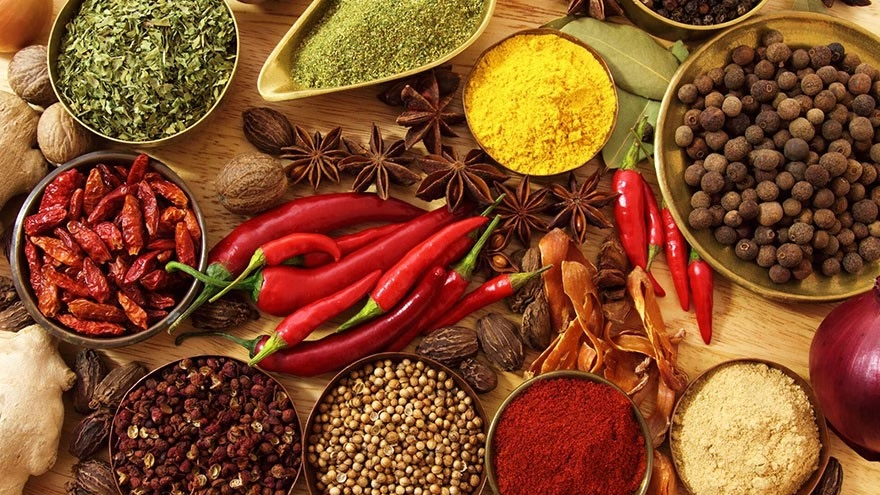
Cooking with spices and seasonings gets easier when you stop treating every jar as a mystery powder. Spices are strong, but they are not magic. They need fat, heat, salt, acid, timing, and restraint. A dish can taste flat because it has too little spice, but it can also taste muddy because it has too many. The practical skill is learning when to add a spice, how much to start with, and how to build flavor without covering the food underneath.
What is the difference between herbs and spices?
In everyday cooking, herbs usually mean leaves such as basil, parsley, thyme, oregano, rosemary, sage, and dill. Spices often come from seeds, bark, roots, fruit, or pods, such as cumin, cinnamon, pepper, coriander, paprika, ginger, clove, and cardamom.
The distinction helps with timing. Dried herbs can lose aroma if boiled too long, while many spices bloom well in warm oil. Fresh herbs often work best near the end, especially delicate ones. Woody herbs can handle longer cooking.
A vegetable dish, like cooking greens, shows why timing matters. Garlic, chile, cumin, vinegar, and herbs all taste different depending on whether they meet the pan early or late.
Start small and taste
The safest rule for an unfamiliar spice is to start smaller than your ego wants. Add a little, cook or stir long enough for it to open, then taste. You can add more, but you cannot pull excess clove, cumin, cayenne, or five-spice powder back out of a finished dish.
Use teaspoons thoughtfully. A full teaspoon of mild paprika is not the same as a full teaspoon of cayenne. Strength changes by spice, freshness, grind, brand, and age.
Keep notes for blends you use often. "Half teaspoon cumin, quarter teaspoon coriander, pinch chile" is more useful than "season well." Good seasoning becomes repeatable when you record what worked.
Bloom spices in fat
Many ground spices taste better when warmed briefly in oil, butter, ghee, or rendered fat. This is often called blooming. The heat releases aroma and spreads flavor through the cooking fat so it coats the food more evenly.
Do not burn the spices. Add them to warm fat, stir for a short time, then add aromatics, vegetables, liquid, or protein before the powder scorches. Burned garlic powder, paprika, and chile can turn bitter fast.
Bloom, then build. This pattern works for soups, rice, beans, roasted vegetables, and quick sauces. It is one reason a simple base can taste deeper without adding many ingredients.
Match spices to the food
Chicken handles garlic, pepper, paprika, thyme, rosemary, coriander, curry-style blends, and lemony herbs. Beef can stand up to cumin, black pepper, mustard, chile, onion, garlic, and smoked paprika. Pork likes sage, fennel, garlic, pepper, mustard, and sweet spices in small amounts.
Fish usually needs a lighter hand. Lemon pepper, dill, parsley, paprika, coriander, and mild chile can work, but heavy spice blends may hide the fish. Rich foods can take stronger seasoning because fat softens impact.
For special-occasion dishes, restraint matters even more. A guide such as cooking with and serving foie gras points toward balance: strong flavor does not mean loud seasoning.
Use salt, heat, and acid with spices
Spices do not replace salt. A dish can have plenty of cumin and still taste dull if it is under-salted. Acid can help too. Lemon, vinegar, yogurt, wine, tomatoes, and pickles can make spiced food taste cleaner and more awake.
Heat also changes spice. Toast whole cumin seeds and they smell nutty. Leave them raw in a wet dish and they may taste dusty. Add black pepper at the end and it stays sharp. Cook it longer and it becomes rounder.
Seasoning is balance. If a dish tastes heavy, it may need acid. If it tastes sharp, it may need fat. If it tastes empty, it may need salt before it needs more spices.
Store herbs and spices well
University of Delaware Cooperative Extension advises keeping herbs and spices in a cool, dry place, away from the range, in airtight containers. Its using herbs and spices fact sheet also warns that direct sunlight reduces color and strength.
UF/IFAS notes that dried herbs and seeds do not spoil in the usual way, but flavor fades over time. Its preserving herbs and spices guide gives general freshness ranges for leafy herbs, ground spices, and whole spices.
Smell before you use. If a spice has almost no aroma when rubbed between your fingers, it will not add much to dinner. Replace small jars more often instead of buying large jars that sit for years.
Build simple blends
Start with blends you will actually use. A taco-style blend might include cumin, chile powder, paprika, garlic, oregano, salt, and pepper. A poultry blend might use thyme, sage, rosemary, garlic, onion, and black pepper. A quick vegetable blend might use smoked paprika, garlic, cumin, and a pinch of chile.
Penn State Extension offers cooking classes around herbs and spices, including shopping, storage, and techniques, through its herbs and spices program page. The useful idea is to practice on simple food before trying to improvise for guests.
A practical sauce can teach spice balance quickly. Try a meal built around stir fry sauces, then adjust ginger, garlic, chile, sesame, and acid one variable at a time.
Use whole spices when they make sense
Whole spices often keep aroma longer than ground spices. Cumin seed, coriander seed, peppercorns, cloves, cinnamon sticks, and cardamom pods can be toasted, crushed, or simmered depending on the dish. They are useful when you want a cleaner aroma and have time to work with them.
Ground spices are faster and easier to measure. They are better for quick weeknight cooking, dry rubs, and blends. The tradeoff is that they lose aroma faster once opened.
Choose format by job. A long simmer can handle whole spices. A quick pan sauce may need ground spice. A finishing sprinkle needs something pleasant to bite into or easy to remove.
Common seasoning mistakes
One mistake is adding dry spices to a finished dish and expecting them to taste cooked. Another is using old jars with no smell. A third is adding heat without salt, acid, or fat to support it.
People also confuse more spice with better flavor. If every dish gets garlic powder, onion powder, cumin, paprika, oregano, pepper, and chile, the food starts tasting the same. Use fewer seasonings with clearer purpose.
Clarity beats volume. A dish with salt, pepper, lemon, and one fresh herb can taste cleaner than a dish with ten tired powders.
Train your palate with one spice at a time
Pick one neutral food and test small amounts of one spice. Rice, scrambled eggs, roasted potatoes, beans, and plain yogurt can all teach you how a spice behaves. Taste it raw, warmed in fat, and cooked with salt.
This kind of practice sounds slow, but it saves dinner later. Once you know cumin's earthy note, coriander's citrus note, and paprika's sweet pepper note, you stop using them as random brown or red powder.
Practice makes seasoning calmer. You will reach for fewer jars and make better choices because you know what each one does.
Keep a small core set
You do not need a giant spice shelf to cook well. Black pepper, cumin, paprika, cinnamon, oregano, thyme, chile flakes, garlic powder, bay leaves, and one favorite blend can handle many home meals.
Add new spices only when you have a plan for them. A small shelf that gets used is better than a crowded shelf full of fading jars.
Frequently Asked Questions
Should spices be added at the beginning or end?
It depends. Whole and ground spices often benefit from early heat, while delicate fresh herbs usually taste better near the end.
How do I fix too much spice?
Dilute with more food, add fat if the spice is harsh, add acid if the dish tastes heavy, or add mild starch to soften the flavor.
Are old spices unsafe?
Dried spices usually lose flavor before they become unsafe, but discard any jar with moisture, mold, insects, or an off smell.
Can I substitute dried herbs for fresh?
Often, yes. Use less dried herb than fresh because dried herbs are more concentrated, then taste and adjust.
Spices become less intimidating when you cook with them in small, repeated experiments. Store them well, smell them often, bloom them carefully, and let the food underneath still speak.

Timothy Davidson
Edits step-by-step general-interest guides for clarity, realistic limits and source verification.




Leave a reply
Replying to