
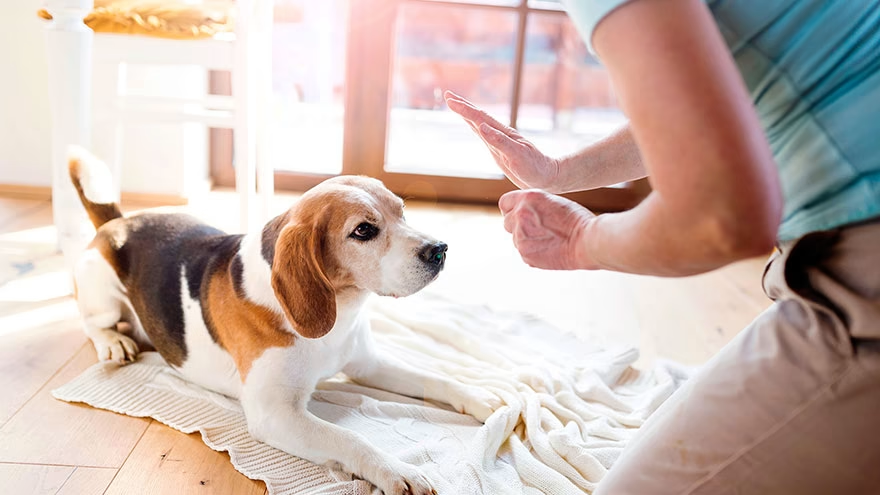
A Bored Dog Is Not Always Being Bad
Tips for Solving Common Dog Obedience Issues or Bored Dog should begin with a simple shift: many dogs are not plotting trouble. They are under-stimulated, confused, anxious, young, or missing clear outlets.
Chewing shoes, barking, stealing trash, digging, and jumping can all come from unmet needs. Training still matters, but punishment alone rarely fixes the reason the behavior started.
Before blaming the dog, look at the daily routine.
Mix Mental Work With Physical Exercise
AKC's cognitive training games for dogs article notes that training can challenge a dog's mind and burn energy.
That is why a short thinking game can help more than another frantic lap around the yard. Dogs need movement, but they also need sniffing, problem-solving, choice, and calm practice.
For active breeds, Livecub's German Shorthaired Pointer questions guide shows why energy level and training needs should be taken seriously.
Start With a Daily Needs Check
Before changing training tools, check the basics. Has the dog had enough sleep, bathroom breaks, food, water, safe chewing, human interaction, and age-appropriate exercise?
A puppy who is overtired may bite more. A young dog without enough sniffing time may bark. A senior dog in pain may resist cues that used to be easy.
Behavior often improves when the day makes sense.
Use Food Puzzles and Scatter Feeding
Food puzzles, snuffle mats, stuffed rubber toys, and scatter feeding can turn meals into enrichment. Start easy so the dog succeeds, then increase difficulty slowly.
Do not leave a dog alone with a toy that could be shredded or swallowed. Choose tools that match your dog's chewing style and size.
Rotate Chew Toys Instead of Leaving Everything Out
The ASPCA's destructive chewing guidance recommends giving dogs appropriate chew items and rotating toys so they stay interesting.
If every toy is always on the floor, many dogs stop noticing them. Put some away and bring them back later so the choice feels new.
Safe chewing is a need, not a luxury.
Teach Indoor Games for Bad Weather
Indoor exercise does not have to mean jumping over furniture. Try find-it games, hand targeting, gentle tug with rules, hide-and-seek, mat training, short trick sessions, or a hallway recall if the surface is safe.
The ASPCA's at-home pet engagement tips include short training exercises such as targeting and basic cues.
Skip High Jumps on Slick Floors
The old indoor broom-jump idea can be fun for some dogs, but it is not right for every home. Slick floors, young puppies, senior dogs, long-backed breeds, and dogs with joint issues need safer choices.
Use low obstacles, carpeted surfaces, or step-over games instead. Ask your veterinarian before adding jumping for a dog with orthopedic concerns.
Livecub's Staffordshire Bull Terrier health problems guide is breed-specific, but the broader point applies: physical activity should fit the dog's body.
Train in Short Sessions
Most dogs learn better in short sessions than in one long drill. Try two to five minutes at a time, several times a day.
Work on sit, down, stay, come, leave it, drop it, leash attention, and going to a mat. End while the dog is still engaged instead of pushing until frustration appears.
Reward the Behavior You Want to See Again
Dogs repeat what works. If calm lying on a mat earns attention, treats, or a chew, that behavior becomes more likely.
Notice quiet moments before the dog acts out. Many owners only speak when the dog is barking, jumping, or stealing something, which teaches the wrong lesson.
Address Barking by Finding the Trigger
Barking can come from boredom, fear, window watching, visitors, demand behavior, or separation distress. The solution depends on the trigger.
Block the window view, teach a quiet cue, reward calm behavior, and give the dog something else to do before the barking starts. If barking looks panicked, get professional help.
Teach a Better Jumping Habit
Jumping on people often works because it gets attention. Turn away calmly, avoid pushing the dog with your hands, and reward four paws on the floor.
Practice greetings with family before guests arrive. A leash can help manage the first few seconds while the dog learns what earns attention.
Manage the Environment
Training is easier when the dog cannot rehearse the unwanted behavior all day. Use baby gates, closed doors, crates when appropriate, leash management, covered trash cans, and shoes stored out of reach.
Management is not giving up. It prevents mistakes while the dog learns a better habit.
Give Working Breeds Work That Fits the Home
Some dogs need more than a walk around the block. Herding, sporting, terrier, and working breeds often benefit from structured games, scent work, fetch with rules, training classes, or dog sports.
Livecub's Brittany Spaniel breeder recommendations can help readers think about matching breed energy to household expectations.
Use Calm Routines After Exercise
Some dogs finish exercise more excited than when they started. Add a cool-down routine with water, a short sniff break, a mat cue, or a chew.
This teaches the dog that activity has an ending. Without that pattern, owners may accidentally create an athlete who never learns to settle.
Settling is a skill that can be trained.
Do Not Make Every Game Faster
Fast games can be fun, but too much speed can increase arousal. Mix fetch and tug with scent work, slow food games, massage if your dog enjoys it, and calm training.
For large dogs, Livecub's biggest dog breeds guide is a reminder that size and excitement can change how behavior feels in the home.
Watch for Anxiety or Pain
Not every obedience issue is boredom. Sudden behavior changes, destructive behavior only when alone, growling when touched, house-soiling, limping, or panic at departures may need professional help.
Call your veterinarian if behavior changes quickly or if pain may be involved. A certified trainer or veterinary behavior professional can help when fear, aggression, or separation anxiety is suspected.
Keep a Simple Behavior Log
Track what happens before and after problem behavior. Note time of day, exercise, meals, visitors, noises, alone time, and what the dog gained from the behavior.
A log can reveal patterns that memory misses. It also helps a trainer or veterinarian give better advice.
Change One Thing at a Time
If you change food, exercise, training tools, schedule, and rules all at once, you may not know what helped. Pick one or two changes and watch the pattern.
Progress may look like fewer incidents, shorter barking, faster recovery, or better response to cues. Small improvements still count.
Use Enrichment Before Problem Times
If the dog gets wild at 7 p.m., do not wait until 7:15 to react. Plan a sniff walk, food puzzle, chew, or short training session before the pattern starts.
Preventing the first ten minutes of chaos is easier than stopping a dog already in full motion.
Teach Leave It and Drop It Separately
Leave it means do not take the item. Drop it means release what is already in the mouth. Dogs need both cues because real life creates both situations.
Practice with low-value items first and trade fairly. Chasing the dog around the house can make stolen items more exciting.
Trading teaches trust better than grabbing.
Keep Expectations Fair
A bored teenage dog will not become calm overnight. A rescue dog may need decompression. A puppy will need repetition and supervision.
Fair expectations help owners stay consistent. Consistency helps dogs understand what works.
Use Rest Days on Purpose
Dogs need stimulation, but they also need sleep. A rest day can include sniffing, chewing, gentle training, and calm contact instead of hard exercise.
This helps prevent soreness, overstimulation, and the cycle of needing more speed every day inside the home after each game or walk.
Frequently Asked Questions
How do I know if my dog is bored?
Common signs include chewing, barking, digging, restlessness, stealing items, attention-seeking, and difficulty settling after basic needs are met.
Can indoor games help obedience problems?
Yes. Short training games, scent work, food puzzles, and calm mat practice can reduce boredom and improve focus.
Should I punish a bored dog for chewing?
Focus on prevention, safe chew outlets, supervision, and training. Punishment alone does not teach the dog what to do instead.
When should I call a professional?
Call a veterinarian or qualified trainer if behavior changes suddenly, involves aggression, looks like anxiety, or may be linked to pain.

Linda Fehrman
Edits general wellness and relationship explainers. Health material is educational, avoids diagnosis and links to health-authority guidance.


Leave a reply
Replying to