
Pick the class by impact first
The most useful way to sort dance aerobics is not by music style. Start with impact. Low-impact classes keep one foot near the floor, while high-impact classes add jumps, hops, and faster direction changes. Both can train the heart, but they feel very different on ankles, knees, hips, and pelvic floor.
If you are returning after a break, start lower than your ego wants. The adult activity guidance from the CDC gives a useful reminder that weekly movement can be built across days, not won in one class.
Classic floor aerobics
Classic floor aerobics uses marching, grapevines, step touches, knee lifts, hamstring curls, and arm patterns. It is a good choice for people who want rhythm without complicated dance training. The class can be gentle or hard depending on speed, range of motion, and how much jumping the teacher adds.
A beginner who wants to understand the building blocks can start with basic aerobic steps. Once the vocabulary feels familiar, new combinations become easier to follow.
Step aerobics
Step aerobics uses a raised platform to add climbing work. It can be steady and controlled or quick and athletic. The platform height matters: higher is not always better, especially if knees or balance are a concern.
Look for a class that teaches foot placement clearly. The whole foot should land on the step, and the body should not twist wildly while stepping down. Good step classes feel rhythmic, not reckless.
Latin and world-dance cardio
Latin-style cardio classes use salsa, merengue, reggaeton, cumbia, samba, or similar rhythms as the base. They often feel more like a party than a drill, which helps people who dislike counting reps. The workout comes from repeated movement, hip action, arm use, and time spent moving.
New participants should stand where they can see the instructor without blocking others. Do the feet first, then add arms. Missing a few counts is normal and does not ruin the workout.
Hip-hop and pop dance fitness
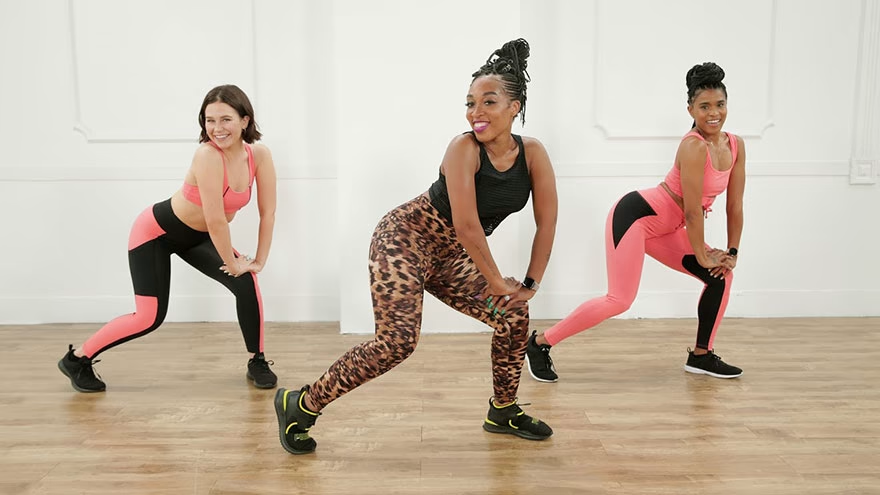
Hip-hop and pop formats tend to use sharper accents, squats, turns, and attitude-driven choreography. They can be fun, but they may also change direction quickly. If you are new, choose a beginner-labeled class or ask whether routines repeat from week to week.
Shoes matter. Very grippy soles can catch during turns, while worn shoes can slide too much. A clean studio floor and supportive shoes make the session safer and more enjoyable.
Cardio kickboxing and martial dance
Kickboxing-style dance aerobics blends punches, kicks, knee strikes, and athletic footwork with music. It can train coordination and stamina, but technique still matters. Throwing fast kicks without control can irritate hips, backs, or knees.
People who like this style often enjoy older formats such as Tae Bo workouts. Keep the range smaller until balance and control improve.
Chair and senior dance cardio
Chair dance and senior-focused aerobics can still provide meaningful movement. They reduce balance demands while keeping rhythm, arm work, posture, and social energy. The American Heart Association target heart rate information at heart.org can help exercisers understand intensity without chasing the hardest class in the room.
A seated or supported class is not a lesser option. For many bodies, chair dancing is the difference between skipping movement and building a steady habit.
Dance strength hybrids
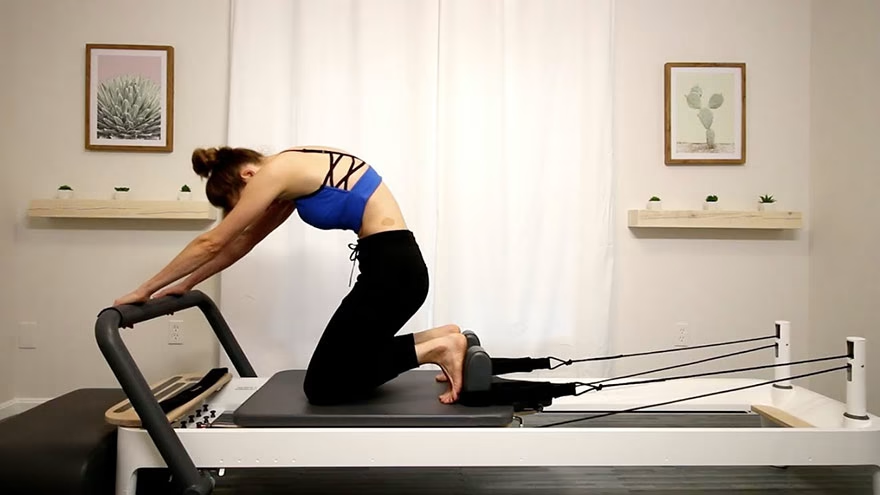
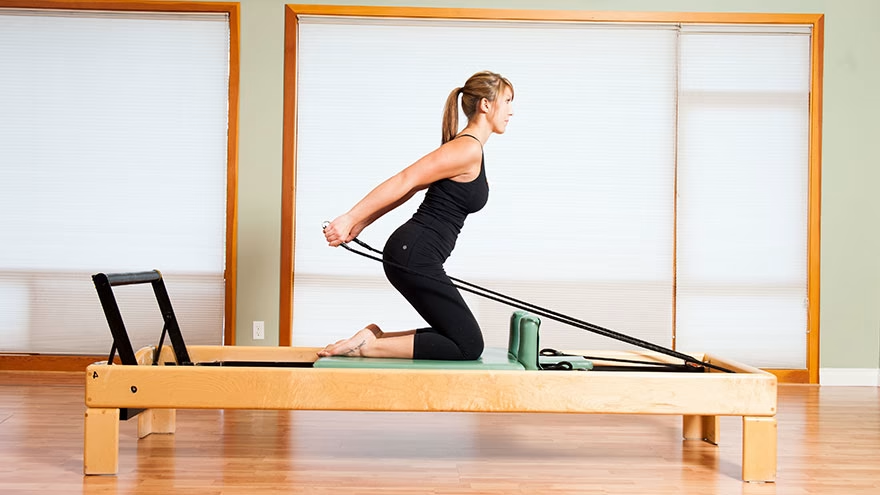
Some classes mix dance cardio with light weights, bands, Pilates-inspired moves, or barre work. These can be useful, but watch for fatigue. Form often fades when small muscles are tired and the music keeps pushing.
If you want lower-impact strength mixed with rhythm, compare formats with slower mind-body options such as Pilates or tai chi. The best class is the one your joints and schedule can repeat.
How to choose your first class
Ask three questions before joining: how much jumping is involved, how complex the choreography is, and whether modifications are offered. A good instructor gives options without embarrassing anyone.
Try a class twice before judging it, unless pain or safety is a problem. The first session teaches the room, the music, and the teacher's cues. The second session gives a fairer read on whether the format fits.
Water aerobics dance classes
Some pools offer dance-style aerobics in shallow water. The water reduces impact and adds resistance, which can help people who find jumping on land uncomfortable. It is not automatically easy; moving arms and legs through water can become tiring quickly.
Pool classes are useful when joints need kindness. They can also be social, which helps people return week after week. Check pool depth, instructor visibility, and whether swimming skill is required.
Barre-cardio and sculpt dance
Barre-cardio mixes small pulses, balance, dance posture, and light cardio intervals. It usually feels more controlled than a high-impact dance class, but thighs, calves, and feet can work hard. People who like music but dislike jumping may enjoy it.
Small movement is not always easy movement. If the class uses long holds or repeated calf raises, take breaks before form collapses.
Family and youth dance fitness
Some community centers offer dance fitness for children, teens, or families. The goal is often confidence, rhythm, and active time rather than perfect technique. A good class keeps the mood playful while still teaching safe spacing and warm-up habits.
For younger participants, class length matters. A shorter upbeat session can be better than a long class that turns sloppy. Kids need movement that feels doable, not adult intensity in smaller shoes.
How to test a class without committing
Use a drop-in class, trial week, or online sample if available. Notice how your body feels the same day and the morning after. A class can be fun in the room and still too much for your knees or feet.
Judge the whole experience: travel time, cost, teacher clarity, room culture, music volume, and recovery. The best class is the one you can actually keep attending.
Ask about modifications before class starts
Modification quality tells you a lot about a class. Ask whether jumps can become taps, turns can become marches, and arm work can be reduced. A good teacher answers without making the question feel like a problem.
Options keep more bodies in the room. They also let you train on tired days instead of skipping entirely.
Match class style to recovery
High-energy dance cardio can feel good emotionally while still loading calves, feet, and hips. If you take several classes a week, rotate impact levels. A lower-intensity class can help you keep rhythm and habit without beating up the same joints.
Recovery is part of class selection. The right format on Tuesday may not be the right format on Saturday.
Notice how the teacher cues movement
Some instructors cue early and clearly. Others expect the room to follow by watching. If you are new, early verbal cues and repeated patterns may matter more than music style. Clear teaching lowers frustration.
After a few classes, you will know whether the teacher's style matches your learning style. That fit can decide whether the class becomes a habit.
Use the front row only if it helps
The front row is not required for a good workout. Some beginners learn better near the middle, where they can see the instructor and copy experienced participants without feeling watched. Others prefer the front because cues are clearer.
Choose the spot that lowers stress and improves safety. Moving once class begins is fine if the room allows it.
Watch your feet the next day
Dance aerobics can reveal shoe, calf, and arch issues the morning after class. Mild muscle work is normal, but sharp foot pain, swelling, or repeated ankle discomfort means the setup needs attention.
Change shoes, reduce turns, or try a lower-impact class before assuming the whole format is wrong.
Frequently Asked Questions
What is the easiest aerobics dance class for beginners?
Low-impact floor aerobics or beginner dance cardio is usually easiest. The steps repeat often, and modifications are easier to find.
Chair-based classes can also be excellent for people who need support, have balance concerns, or are rebuilding fitness.
Do dance aerobics classes burn enough calories?
They can, but calorie burn depends on body size, intensity, class length, and how much you move. A class you attend consistently is more useful than a hard class you avoid.
Use calorie estimates as rough context, not as the only measure of value. Coordination, mood, stamina, and social support count too.
What should I wear?
Wear breathable clothes that let you move and shoes that support side-to-side movement. Avoid shoes with soles that stick too hard during turns.
Bring water and arrive early enough to choose a spot where you can see the instructor.
How often should I take dance aerobics?
Two to four classes per week can work for many people if recovery feels good. Mix in easier movement, strength training, or rest as needed.
If joints ache after every class, reduce impact or frequency before quitting completely.

Cashie Evans
Covers parenting and practical household topics with clear steps, safety notes and links to current guidance.
Leave a reply
Replying to