
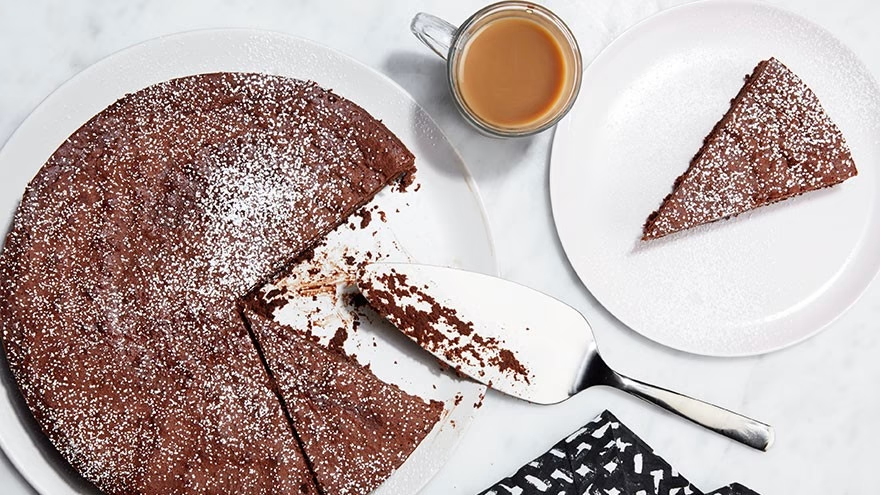
Cake types make more sense when you stop sorting them by flavor. Chocolate, lemon, coconut, and spice are flavors. Structure is the real difference. The Ultimate Guide to Different Types of Cake needs to answer one practical question: what holds the cake up? Butter, oil, egg foam, cheese, flourless chocolate, or a chilled cream structure each behaves differently under frosting, stacking, slicing, and storage.
That is why a yellow layer cake can take buttercream, a genoise may need syrup, chiffon stays soft in the refrigerator, and angel food collapses if handled like pound cake. Once you know the structure, recipe instructions stop feeling arbitrary. The pan, mixing method, cooling method, and filling choice all start to make sense.
What Are The Main Types Of Cake?
Most home cakes fall into a few working families: butter cakes, oil cakes, pound cakes, sponge cakes, genoise, chiffon, angel food, flourless cakes, cheesecakes, icebox cakes, and loaf-style snack cakes. The names overlap because baking history is messy, but the method tells you the truth. Creamed butter cakes trap air in fat and sugar. Foam cakes trap air in eggs. Cheesecake sets like a custard.
Use the category as a clue, not a prison. Carrot cake is usually an oil cake. Red velvet is usually a butter or oil layer cake with acidity and cocoa. Tiramisu is not a baked cake, but it behaves like a layered chilled dessert. If that style is what you want, Livecub's guide to making the perfect tiramisu fits the chilled-family side of the map.
Loaf cakes and snack cakes belong in the practical corner. Banana bread, lemon loaf, applesauce cake, and simple spice cakes are not usually chosen for tall celebration tiers, but they travel well, slice cleanly, and forgive casual serving. They are the cakes to bake when texture and keeping quality matter more than height.
How Are Butter Cakes Different From Sponge Cakes?
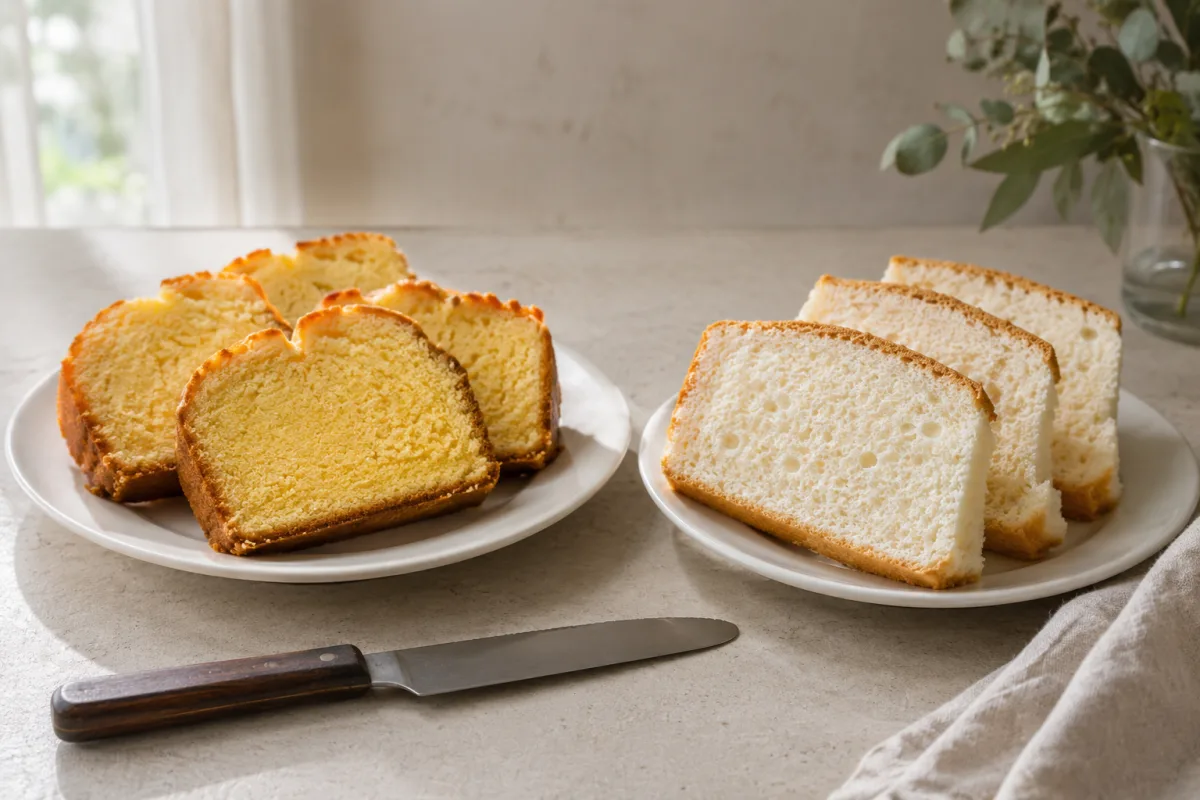
Butter cakes are built on fat. Creaming butter and sugar traps tiny air pockets, eggs stabilize the batter, flour forms structure, and baking powder or soda adds lift. The result is tender, sliceable, and strong enough for frosting. Birthday cakes, yellow cake, chocolate layer cake, and many sheet cakes live here.
Sponge cakes lean harder on eggs. Whole eggs or separated eggs are whipped to hold air, then flour is folded in with a light hand. Less fat means a lighter crumb, but it also means the cake can dry faster or need syrup. That is why many European-style layered cakes brush sponge with syrup before adding cream, jam, or mousse.
For serving, the choice is practical. Butter cake is forgiving at a party table. Sponge cake is elegant but less tolerant of rough slicing. If you are planning a dessert spread rather than one cake, Livecub's cookie display guide has useful thinking about height, texture, and crowd flow.
What Is Genoise, Chiffon, And Angel Food Cake?
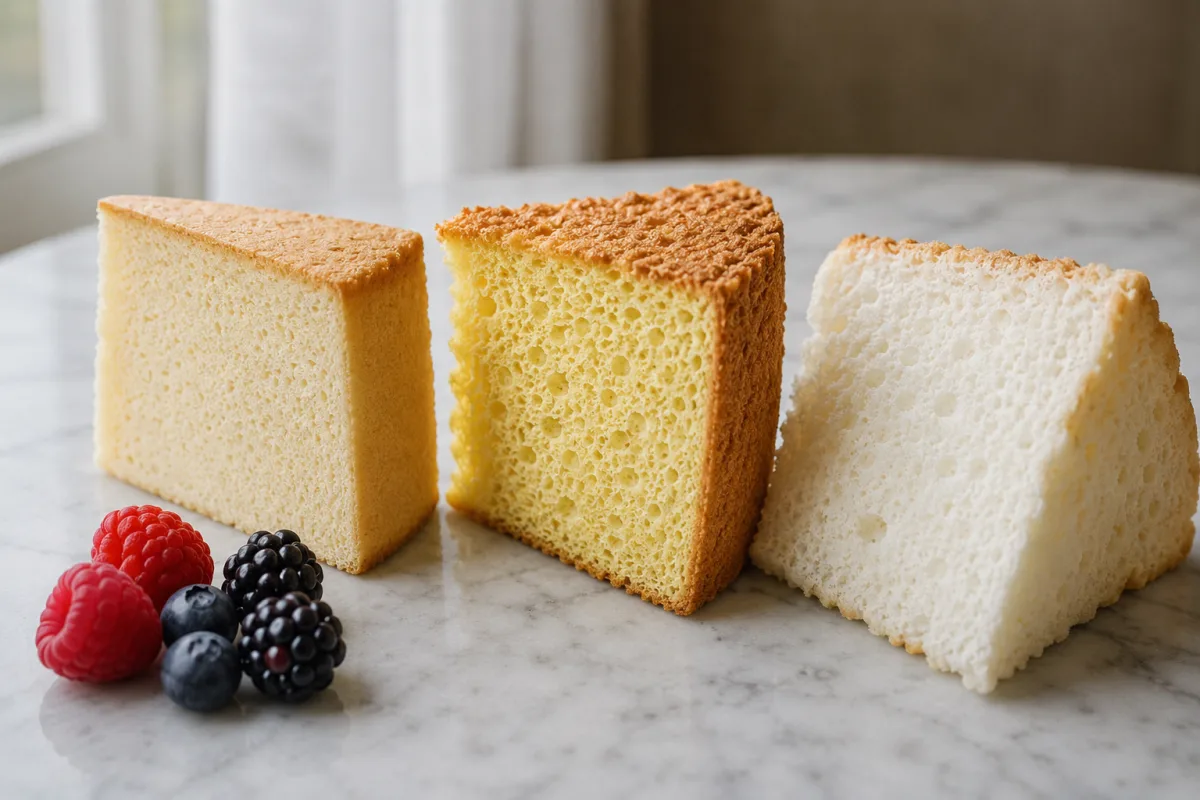
Genoise is a classic egg-foam sponge. Serious Eats notes that genoise can be made from eggs, sugar, and flour, sometimes enriched with butter. It has a fine crumb and works well for layered cakes when soaked lightly. The risk is toughness or collapse if the egg foam is deflated while folding.
Chiffon is the bridge cake. King Arthur Baking describes chiffon as combining the cloudlike texture of angel food with richness from egg yolks and oil. It uses whipped egg whites for lift but keeps tenderness from oil. That makes it a smart choice for whipped cream, fruit, and chilled fillings because it stays soft when cold.
Angel food is the leanest of the three. It uses egg whites, sugar, and flour, usually in an ungreased tube pan so the batter can climb. No yolks, no butter, no oil. It is sweet, pale, tall, and springy. Treat it gently; crushing the foam before baking or cooling it upright can ruin the height.
Which Cakes Work Best For Layers And Frosting?
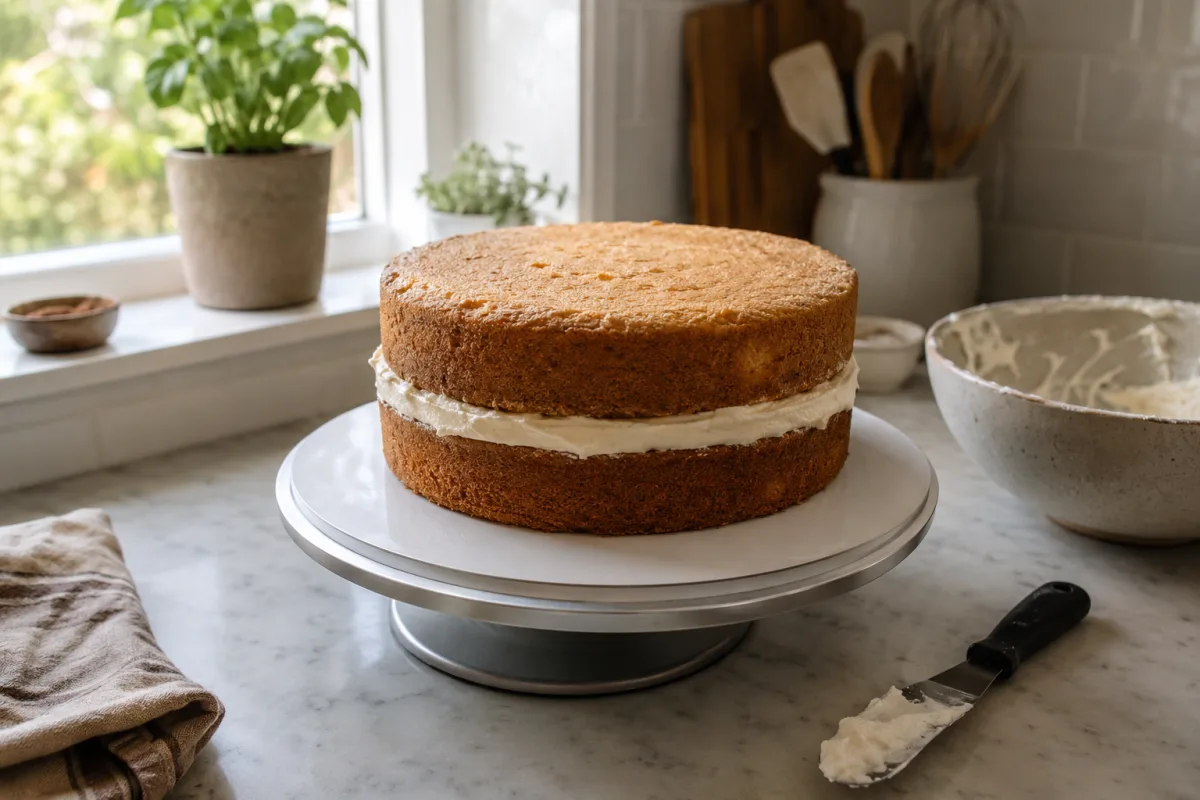
Butter cakes and sturdy oil cakes are the safest layer choices for most bakers. They slice cleanly, hold buttercream, and tolerate stacking. Pound cake is denser and better for simple slices, trifles, or grilled dessert plates than tall frosted layers. Genoise can layer beautifully, but it needs syrup and a lighter filling.
Match frosting weight to cake strength. Heavy American buttercream can overwhelm angel food. Whipped cream can weep if the cake sits warm. Cream cheese frosting suits carrot cake or spice cake but needs cool storage. Ganache belongs on cakes with enough body to carry it. For a rich topping idea, Livecub's Mom's Best Fudge Icing fits butter cakes better than fragile foam cakes.
Flourless chocolate cake and cheesecake sit outside the usual layer-cake logic. Flourless chocolate cake is dense, rich, and best cut in small slices with a warm knife. Cheesecake needs gentle baking and cooling because it sets like custard. Both are excellent event cakes when you want smaller portions and a make-ahead schedule.
Which Cakes Need Refrigeration Or Gentle Handling?
Refrigeration depends on filling, not just cake. A plain butter cake can often sit covered at room temperature for a short period, but pastry cream, whipped cream, mousse, fresh fruit fillings, and cream cheese frosting usually need cold storage. Chiffon handles refrigeration better than many butter cakes because oil stays softer when chilled.
Food safety starts before storage. The CDC warns that uncooked flour and raw eggs can contain germs, and raw batter should not be tasted. That applies to cake batter too. Bake fully, clean counters after flour, and keep children from tasting the mixing bowl. Food memory is not worth a stomach bug.
Some cakes also need gentle cooling. Cheesecake cracks when temperature changes too fast. Angel food is often cooled upside down. Sponge cakes can shrink if overbaked or handled before set. A Bundt cake needs enough pan cool-down to release without steaming itself soggy.
How Do You Choose The Right Cake For An Event?
Start with transport and temperature. Outdoor summer birthday? Choose a sturdy oil or butter cake with a stable frosting. Quiet dinner at home? Chiffon, flourless chocolate cake, or cheesecake can work. Kids' party? Sheet cake is easier to cut than a tall layer cake. A themed party may care more about decorating surface than crumb complexity; Livecub's Hi-5 birthday party guide is a reminder that dessert has to fit the room, not just the baker's ambition.
Then consider the eaters. Very rich cake works in small slices. Angel food or sponge is lighter but may need fruit or cream. Gluten-free guests might suit flourless chocolate cake, but check every ingredient and avoid cross-contact. A good cake choice solves the event problem before it shows off technique.
Also count the knife work. A tall frosted layer cake looks impressive, but it is slower to portion than a sheet cake. Cupcakes remove slicing but add frosting labor. Loaf cakes travel well and need little plating. For a busy host, the easiest cake is often the one that can be baked the day before and cut without a performance.
Finally, match the cake to the filling. Fresh berries can leak into delicate sponge. Jam is easier. Pastry cream needs cold storage. Nut fillings add weight. A cake that tastes perfect in one slice can fail as a tall stack if the filling slides, so plan structure before decoration.
Frequently Asked Questions
What is the easiest type of cake for beginners?
A simple oil cake or sheet butter cake is usually easiest. The mixing is forgiving, and the cake does not need delicate folding or special cooling.
What cake is best for stacking?
Sturdy butter cakes, oil cakes, and some pound-style cakes stack better than angel food or very soft sponge. Filling weight matters too.
Is cheesecake really cake?
Technically it behaves more like a baked custard in a crust, but it is treated as cake in menus and celebrations.
Why do sponge cakes dry out?
They often contain little fat, so they lose moisture faster. Syrup, cream, fruit, and careful storage help.
Can one frosting work for every cake?
No. Heavy frosting needs a sturdy crumb. Light foam cakes usually work better with whipped cream, fruit, glaze, or a thin icing.
How Should You Read A Cake Recipe?
Read the method before the ingredients. If it creams butter, treat it like a butter cake. If it whips eggs, protect the foam. If it chills to set, plan refrigerator space. Different types of cake are not random recipes; they are structures. Respect the structure and the cake becomes much easier to choose, bake, fill, and serve.

Cashie Evans
Covers parenting and practical household topics with clear steps, safety notes and links to current guidance.




1 Comment
Join the discussion. Comments are moderated before appearing.