
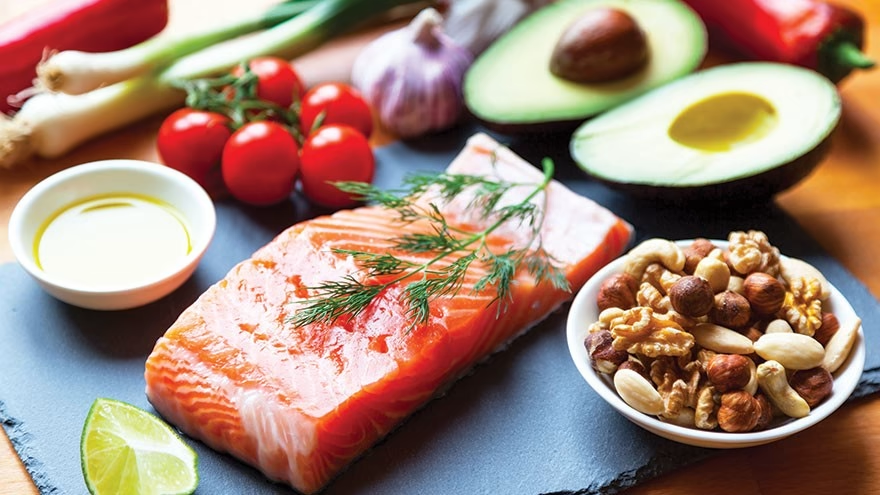
Unknown Facts About Fats starts with a correction: fat is not one thing. Butter, olive oil, salmon fat, shortening, nuts, cheese, avocado, and fried fast food do different jobs in the body.
The useful question is not whether fat is good or bad. It is what type of fat, in what food, replacing what, and how often.
Fat Carries Flavor And Helps Absorb Nutrients
Fat helps food taste satisfying and helps the body absorb fat-soluble vitamins. A salad with a little olive oil can be more satisfying than a dry bowl of greens. A meal with some fat often lasts longer than a fat-free snack.
That does not mean unlimited fat is harmless. Fat is energy-dense, so the amount still matters. Measuring oil for a week can retrain the eye without turning cooking into math forever.
Unsaturated Fats Are Usually The Better Swap
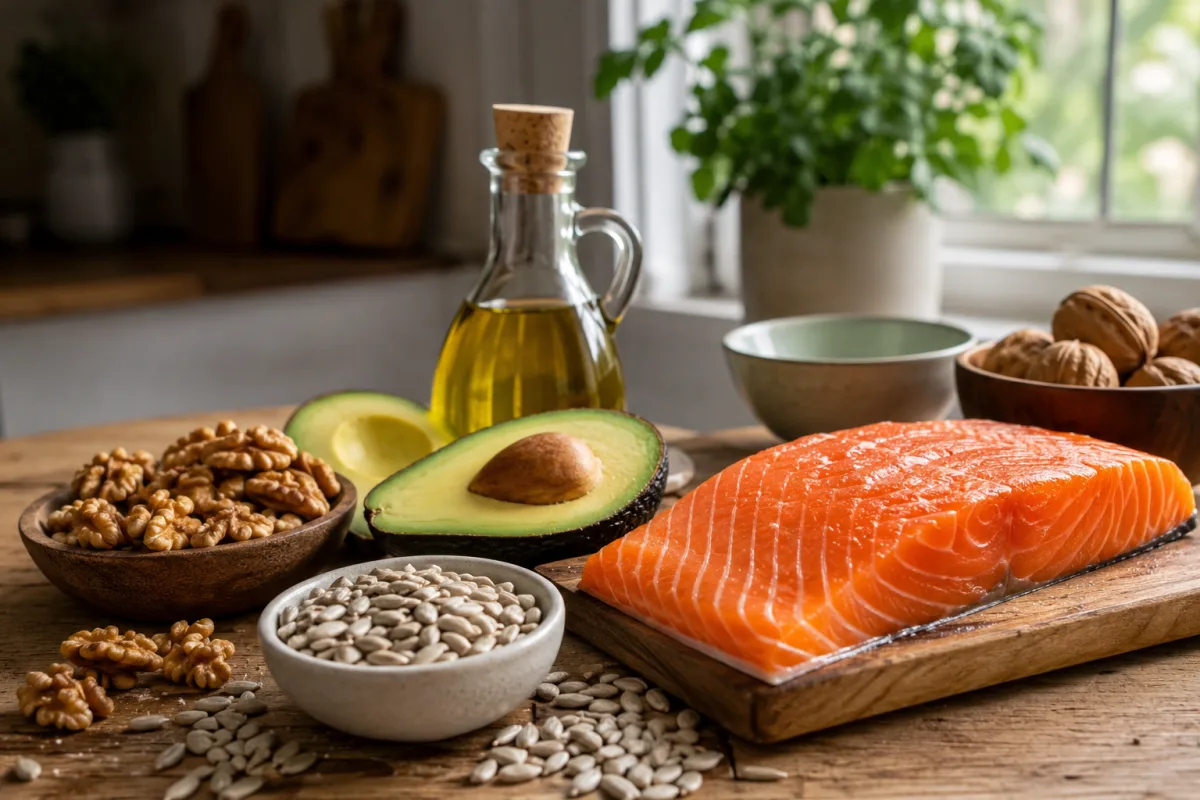
Olive oil, avocado, nuts, seeds, and fish bring mostly unsaturated fats. These foods fit well in patterns that support heart health, especially when they replace butter, shortening, fatty processed meats, or fried foods.
AHA's facts-on-fats guidance recommends replacing saturated fats with unsaturated fats as part of a healthy eating pattern: AHA facts on fats.
Use swaps that still taste good: olive oil on vegetables, avocado instead of mayo sometimes, nuts on oatmeal, salmon instead of sausage, or tahini in a dressing.
Saturated Fat Is A Limit, Not A Personality Test
Saturated fat shows up in butter, cheese, high-fat meats, cream, coconut oil, palm oil, and many baked goods. It can raise LDL cholesterol in many people, but the full meal pattern still matters.
AHA recommends limiting saturated fat to less than 6% of total calories for people who need to lower cholesterol: AHA saturated fat guidance. The Dietary Guidelines use a broader limit of less than 10% for the general population.
The practical version: keep butter and cheese where they matter most, then use unsaturated fats for everyday cooking.
Trans Fat Is The One To Avoid Closely

Artificial trans fat is the least useful fat for everyday eating. It raises LDL cholesterol and can lower HDL cholesterol. It was common in partially hydrogenated oils used for shelf-stable baked goods and frying fats.
FDA's final determination says partially hydrogenated oils are not generally recognized as safe for use in human food: FDA partially hydrogenated oils determination.
Labels can still be worth reading, especially on older-style shortenings, frostings, fried foods, and imported products. The phrase partially hydrogenated oil is the red flag.
Low Fat Does Not Always Mean Healthy
Some low-fat products replace fat with sugar, starch, or salt. That can make the food less satisfying and easier to overeat. Plain yogurt with fruit may work better than a sweet low-fat dessert cup.
This is where a food journal can help. Track how a food affects hunger, cravings, and energy, not just the number on the label.
Cooking Method Changes The Fat Story
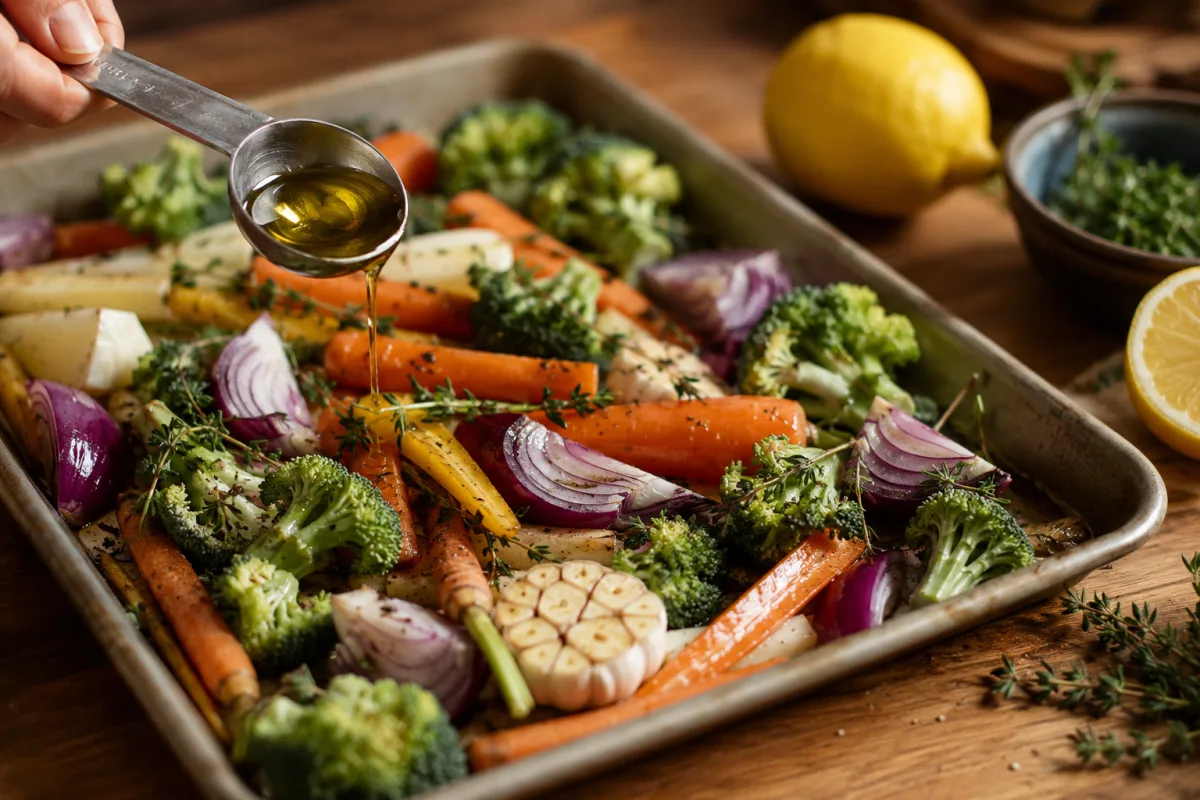
A small amount of oil used to roast vegetables is different from deep-frying the same vegetables. Heat, portion, breading, and repeated oil use all change the meal.
For pasta, creamy sauces and free-poured oil can add up quickly. pasta substitutes can help build lighter meals with vegetables and protein instead of relying on fat for satisfaction.
Chicken cooked with measured oil, herbs, and vegetables is a different meal from chicken buried in butter sauce. A simple dinner such as Yugoslavian chicken can be adjusted by measuring added fats and keeping skin or sauce choices deliberate.
Dessert Fats Need A Portion Plan
Cookies, frosting, pastry, ice cream, and chocolate often combine fat with sugar and refined flour. The problem is not one dessert; it is the way those foods slide from treat to default snack.
A recipe like fudge icing belongs in a chosen portion. Serve it, enjoy it, put it away, and let everyday meals do the quiet work.
How To Use Fats In A Normal Week
A practical fat plan starts with where fat is doing useful work. Use it to cook vegetables, make beans satisfying, help fish or eggs taste good, and make a salad worth eating. Then look for places where fat is present mostly by habit: buttered toast plus bacon plus cheese, cream sauce plus sausage, or pastries eaten because they are nearby.
Choose one everyday cooking fat and one finishing fat. For many households, that might be olive oil for cooking and a small amount of butter, cheese, nuts, or avocado where the flavor matters. This keeps meals flexible without turning every recipe into a cholesterol debate.
Read labels on foods that do not look fatty. Crackers, frosting, microwave popcorn, coffee creamers, frozen meals, and packaged pastries can carry fats that are easy to miss. The ingredient list tells you more than the front label.
Do not assume plant-based means low in saturated fat. Coconut oil, palm oil, and some vegan cheeses or desserts can still be high in saturated fat. The source matters, but the fat type matters too.
At restaurants, decide before ordering where the rich element will be. If you want fries, choose a lighter main. If the main is creamy, skip the fried appetizer. If dessert is the point, make the rest of the meal steadier.
People with high LDL cholesterol, heart disease, diabetes, kidney disease, gallbladder issues, or a history of pancreatitis need personal guidance. The same fat swap does not fit every medical situation.
The goal is not fear of fat. The goal is using fat where it improves food and health, while reducing the automatic saturated and trans fat sources that arrive through habits.
Fat Choices By Meal Type
Breakfast fat often sneaks in through butter, bacon, sausage, pastries, and sweet coffee drinks. A steadier breakfast might use eggs with vegetables, yogurt with nuts, avocado toast, or oats with seeds. The meal still has fat, but it comes with protein or fiber.
Lunch fat often comes from sauces and spreads. Mayo-heavy sandwiches, creamy dressings, fried sides, and cheese on top of cheese can make an ordinary lunch heavy. Mustard, hummus, avocado, vinaigrette, or a smaller amount of strong cheese can keep flavor without the same load.
Dinner fat usually depends on cooking method. Roasting with measured oil, sauteing quickly, grilling, baking, or simmering can produce a satisfying meal. Deep frying, cream finishing, and butter-heavy pan sauces should be deliberate choices, not the everyday default.
Snack fats can be helpful or easy to overdo. Nuts, cheese, peanut butter, hummus, and avocado are satisfying, but they work best portioned onto a plate. Eating straight from the container makes the amount invisible.
Dessert fat is paired with sugar, flour, and pleasure. Keep it in the pleasure category. Serve a portion, sit down, enjoy it, and avoid nibbling the leftovers every time you pass the kitchen.
This meal-by-meal view is calmer than arguing about fat in general. It lets you keep flavor while changing the few habits that carry the most saturated or trans fat.
If lab results are the reason for changing fats, retest when your clinician recommends. Guessing from symptoms alone does not show LDL cholesterol, triglycerides, or other cardiovascular risk markers.
A Simple Pantry Audit
Open the pantry and look for the fats you use without thinking: shortening, shelf-stable frosting, creamy dressings, chips, crackers, microwave popcorn, packaged cookies, and instant meals. You do not need to throw everything away. You need to know what is carrying the pattern.
Next, choose replacements for daily use, not for every use. Olive oil, nuts, seeds, fish, avocado, yogurt, beans, and lean proteins can become the regular base while richer foods stay occasional.
The audit should end with a shopping list, not guilt. If the house has better defaults, fat choices improve before anyone needs heroic discipline.
Frequently Asked Questions
Is all fat bad for cholesterol?
No. Saturated and trans fats are the main concerns; unsaturated fats are usually better swaps.
Should I eat no-fat foods?
Not usually. Some fat helps satisfaction and nutrient absorption. The type and amount matter.
Is coconut oil healthy?
It is high in saturated fat. Treat it like a fat to limit, not a free health food.
What is the easiest fat swap?
Use olive oil or another unsaturated oil for everyday cooking instead of butter or shortening.
Who needs personalized fat advice?
People with high cholesterol, heart disease, diabetes, kidney disease, or medication concerns should ask a clinician or dietitian.
This article is for general information only and isn't a substitute for medical advice. Talk to a clinician who knows your full history before making changes.

Chiara Bradshaw
Covers education, culture and creative topics with an emphasis on readable explanations and verifiable references.




Leave a reply
Replying to